
Understanding Building Codes for Paver Installation in Georgia
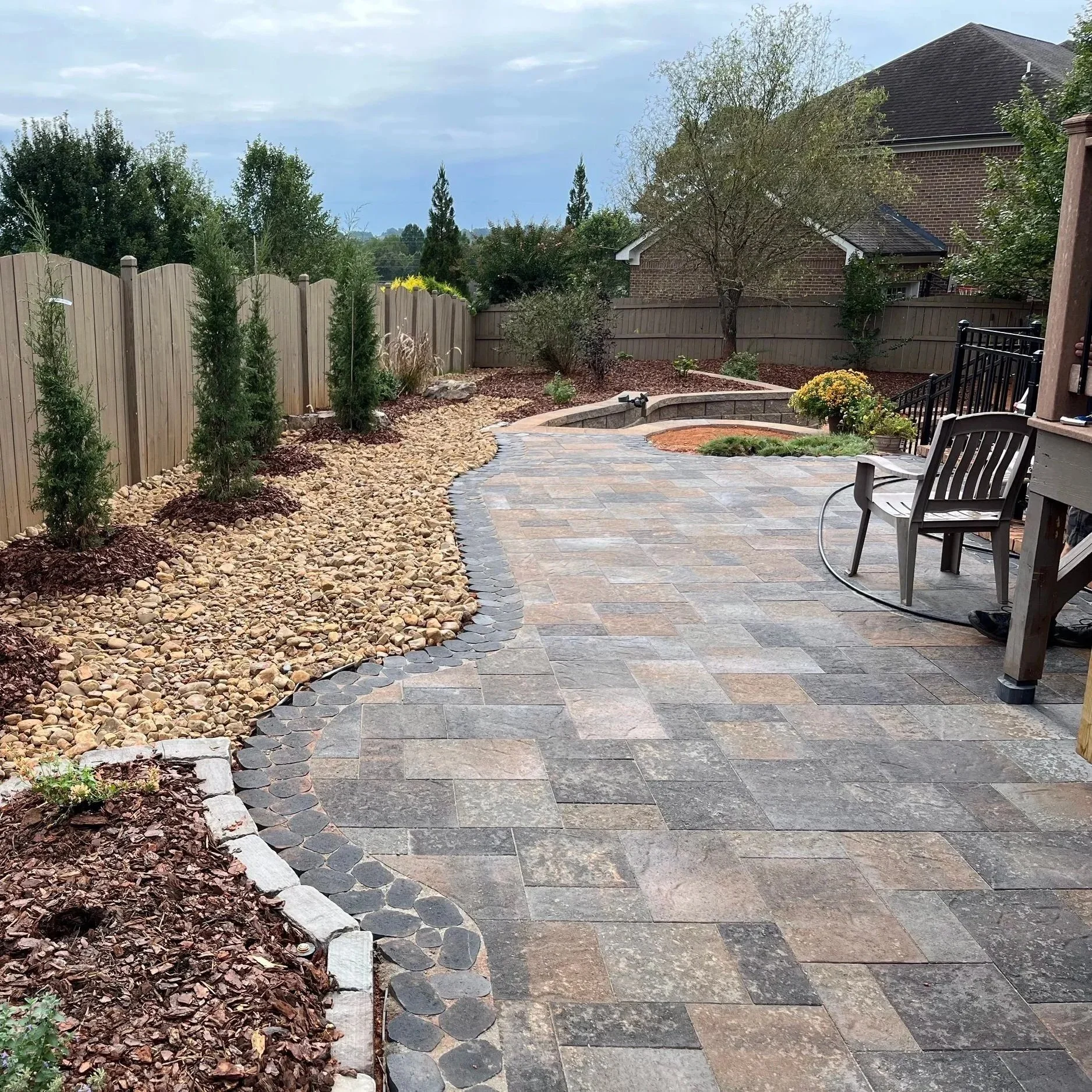
Proper paver installation in Georgia ensures durability, drainage compliance, and long-term performance under regional soil and rainfall conditions.
How Building Codes Shape Paver Installation Standards
Building codes exist to regulate how construction and hardscape projects interact with people, properties, and public systems over time. In Georgia, building codes that affect paver installation focus less on aesthetics and more on performance, safety, and environmental impact. Codes address how surfaces handle weight, water, soil movement, and long-term durability. In Gainesville, GA, these standards reflect regional concerns such as clay-heavy soil, periodic heavy rainfall, and the way runoff flows toward creeks and storm systems. Pavers may appear simple on the surface, but from a code perspective, they represent a structural system layered over soil that must behave predictably under stress.
Homeowners often assume building codes apply only to vertical structures like homes or additions. Hardscape installations fall under code oversight when they influence drainage, accessibility, grading, or load-bearing conditions. Codes define minimum expectations for excavation depth, base material, compaction, and slope to prevent hazards such as settling, erosion, or water intrusion. Contractors with experience understand that code compliance protects homeowners from future issues that surface years after installation. Treating building codes as technical guidance rather than red tape reframes them as tools that help paver systems age properly in Georgia’s climate.
Understanding Statewide Codes Versus Local Amendments
Georgia follows a statewide building code framework, but local jurisdictions have the authority to adopt amendments that reflect regional needs. Gainesville enforces state standards while layering in local interpretations related to stormwater control, zoning, and land disturbance. These local amendments often affect paver installation more than the statewide code itself. For example, statewide guidance may define general requirements for grading and compaction, while local rules specify how runoff must be managed within city limits.
Installers unfamiliar with Gainesville’s local amendments sometimes rely solely on statewide standards, creating compliance gaps. Local codes may impose stricter requirements for erosion control, setback distances, or inspection thresholds. Contractors who work consistently in Gainesville understand how these layers interact and where local expectations exceed state minimums. Homeowners benefit when installers explain these distinctions clearly rather than treating codes as a single uniform rulebook. Awareness of layered code authority helps projects move forward without surprises during review or inspection.
How Soil Conditions Influence Code Compliance
Soil composition plays a major role in how building codes apply to paver installation in Georgia. Much of Gainesville sits on dense clay soil that expands and contracts with moisture changes. Building codes address this behavior indirectly through requirements for base depth, compaction standards, and drainage planning. Codes exist because untreated clay soil shifts under load, leading to uneven surfaces and structural failure over time. Paver systems must compensate for that movement through engineered base layers rather than relying on soil stability alone.
Installers who ignore soil-related code considerations often cut excavation depth or substitute base materials that fail under Georgia conditions. Codes specify minimum standards to reduce that risk, even if shortcuts appear functional initially. Homeowners may not see the effects immediately, but long-term settling, heaving, and joint separation frequently trace back to soil behavior ignored during installation. Contractors who understand how local soil interacts with code requirements can explain why compliance matters beyond passing inspection, reinforcing trust through practical experience rather than abstract rules.
Drainage and Slope Requirements Embedded in Building Codes
Drainage represents one of the most heavily regulated aspects of paver installation under Georgia building codes. Codes define acceptable slope ranges to promote water runoff while preventing erosion or pooling. In Gainesville, drainage compliance takes on added importance due to seasonal storms that place heavy demands on stormwater infrastructure. Improper slope directs water toward foundations, neighboring properties, or public rights of way, creating hazards that codes aim to prevent.
Building codes rarely specify exact design solutions, but they outline performance expectations installers must meet. Paver surfaces must shed water predictably without destabilizing surrounding soil. Contractors with code knowledge design slopes and transitions that satisfy inspectors while maintaining usability and appearance. Homeowners often underestimate how small slope deviations affect drainage performance. Codes exist to prevent those small errors from becoming long-term problems. Installers who explain drainage requirements in functional terms demonstrate understanding that goes beyond compliance checklists.
Load-Bearing Considerations for Driveways and High-Traffic Areas
Paver installations intended for vehicle traffic face stricter code scrutiny than walkways or patios. Georgia building codes recognize that load-bearing surfaces must support repeated weight without deformation. Driveways in Gainesville experience temperature fluctuations, moisture exposure, and vehicle loads that test structural integrity over time. Codes address these stresses through requirements related to base thickness, material selection, and compaction standards.
Homeowners sometimes assume pavers used for patios perform equally well in driveways. Building codes exist to correct that assumption by defining different expectations for load-bearing applications. Installers with experience explain how code-driven requirements influence design decisions such as pattern choice, base depth, and edge restraint reinforcement. Ignoring these requirements often leads to rutting or shifting that becomes evident only after extended use. Code compliance aligns installation practices with real-world performance demands rather than surface appearance alone.
Accessibility and Safety Code Implications
Accessibility considerations influence how building codes apply to paver installations, particularly for walkways, entries, and shared spaces. Codes address surface stability, slope transitions, and trip hazard prevention to support safe movement for all users. In Gainesville, accessibility standards apply when pavers connect to entrances, public-facing areas, or multi-unit properties. Uneven surfaces or excessive slope changes can violate code expectations even if the installation appears visually appealing.
Installers who understand accessibility requirements design transitions carefully, controlling joint spacing and elevation changes. Codes promote predictability underfoot, especially in wet conditions common in Georgia. Homeowners may not consider accessibility during initial planning, but code compliance integrates these factors automatically. Contractors who explain how accessibility standards affect layout demonstrate foresight rooted in real-world use rather than abstract regulation.
Erosion Control and Construction Phase Compliance
Building codes regulate not only finished paver installations but also how construction occurs. During installation, exposed soil creates erosion risks that codes aim to manage through temporary controls. In Gainesville, inspectors may require silt fencing, stabilized access points, or runoff barriers depending on project scope. These measures protect neighboring properties and waterways from sediment displacement during construction.
Contractors experienced with Georgia codes incorporate erosion control into project planning rather than reacting to inspection findings. They understand when controls are required and how long they must remain in place. Homeowners benefit when installers manage these requirements seamlessly, avoiding delays or corrective actions. Construction phase compliance demonstrates professionalism and respect for community standards that extend beyond the project boundary.
Inspection Requirements and Code Enforcement Practices
Building codes carry little weight without enforcement, and inspections serve as the primary mechanism for verifying compliance during paver installation. In Gainesville, GA, inspections may occur at different stages depending on project scope, location, and associated land disturbance. Inspectors typically focus on excavation depth, base material placement, compaction methods, and drainage configuration before allowing work to proceed. These checkpoints exist to confirm that what gets buried beneath the pavers meets code expectations, since hidden deficiencies account for most long-term failures.
Contractors who understand local inspection practices prepare proactively rather than scrambling to correct issues after an inspector arrives. They know which stages trigger review and how to document compliance clearly. Inspection readiness influences project pacing, especially when weather or scheduling constraints come into play. Homeowners benefit when installers explain inspection timing upfront, reducing frustration tied to pauses in construction. Code enforcement functions less as an obstacle and more as a quality control system when installers treat inspections as part of the standard workflow rather than an interruption.
Understanding How Building Codes Interact With Zoning Rules
Building codes and zoning regulations operate side by side, but they address different concerns. While building codes focus on structural integrity and safety, zoning rules regulate land use, coverage limits, and spatial placement. Paver installation in Gainesville often intersects both areas, particularly when projects expand usable outdoor space or alter surface coverage ratios. Zoning rules may restrict how much of a lot can be covered by hardscape, even when building code standards are met.
Installers with experience navigating Gainesville regulations understand how zoning limits influence project design before permit submission. They recognize when code-compliant construction still violates zoning constraints related to setbacks or coverage percentages. Homeowners sometimes confuse these systems, assuming passing inspection resolves all compliance issues. Contractors who explain zoning interactions early help avoid redesigns or enforcement actions later. Coordinating code and zoning compliance reinforces a comprehensive approach to paver installation rather than treating regulations in isolation.
Temporary Structures, Phased Projects, and Code Interpretation
Some paver projects unfold in phases, particularly when homeowners expand patios or walkways over time. Building codes generally evaluate installations based on cumulative impact rather than isolated phases. In Gainesville, phased hardscape projects can trigger code review once combined work exceeds certain thresholds. Temporary classifications rarely apply when base layers and permanent edge restraints are involved, even if future phases remain undecided.
Contractors who plan phased installations account for how codes treat incremental development. They advise homeowners on whether future expansion could trigger additional requirements or inspections. Understanding how code officials interpret permanence helps avoid compliance gaps between phases. Homeowners benefit from strategic planning that aligns immediate goals with long-term intentions, especially when building codes evaluate systems holistically rather than piecemeal.
How Code Compliance Affects Repairs and Modifications
Building codes do not stop applying once a paver installation is complete. Repairs, extensions, or modifications may require additional review if they alter original conditions. In Gainesville, replacing sections of a failing paver surface sometimes exposes noncompliant base construction that predates current codes. Inspectors may require upgrades to meet current standards when significant modifications occur.
Contractors familiar with these dynamics help homeowners understand how past work influences future changes. Code compliance at initial installation often simplifies repairs by providing a solid, documented foundation. Noncompliant systems tend to complicate even minor repairs, increasing cost and disruption. Building codes shape not only how pavers get installed initially but also how adaptable those systems remain over time.
Common Code Misconceptions Among Homeowners
Many homeowners assume building codes prescribe exact construction methods, when in reality, codes define performance outcomes rather than step-by-step instructions. In Georgia, codes allow flexibility as long as installations meet safety, drainage, and stability benchmarks. Misunderstanding that flexibility sometimes leads homeowners to believe contractors cut corners when they are simply applying alternative compliant methods.
Another misconception involves believing code compliance equals overbuilding. Codes set minimum acceptable standards rather than premium specifications. Contractors who explain where codes stop and best practices begin help homeowners make informed decisions about upgrades beyond minimum requirements. Clarifying these distinctions fosters trust and reduces friction during installation discussions. Understanding code intent demystifies compliance and reinforces its role in protecting long-term performance.
How Experienced Installers Translate Code Into Practical Decisions
Experienced paver installers act as interpreters between building codes and real-world construction. They translate abstract requirements into concrete decisions about materials, layout, and sequencing. In Gainesville, that translation reflects local soil behavior, weather patterns, and inspection expectations. Installers who rely solely on written code language often miss practical nuances that seasoned professionals learn through repeated interaction with inspectors and completed projects.
Homeowners benefit when installers explain not just what codes require, but why those requirements exist. That context helps homeowners understand trade-offs and supports confidence in design recommendations. Practical code interpretation reflects experience gained through problem-solving rather than theoretical knowledge alone. Contractors who communicate that experience clearly reinforce their role as trusted advisors rather than rule enforcers.
Long-Term Implications of Code-Compliant Installation
Code-compliant paver installations tend to age more predictably because they account for environmental stressors from the outset. In Gainesville, GA, surfaces that meet code standards handle rainfall, soil movement, and usage demands more effectively over time. Compliance reduces the likelihood of premature repairs, drainage disputes, or structural failures that emerge years after installation.
Property owners often discover the value of code compliance long after installation, particularly during inspections tied to property transactions or insurance evaluations. Documented compliance simplifies these processes and protects property value. Building codes align short-term construction decisions with long-term ownership realities. Installers who emphasize these implications help homeowners see beyond immediate project completion toward lasting performance and peace of mind.
FAQs
Yes, building codes apply when paver installations affect grading, drainage, load-bearing capacity, or safety conditions. Residential projects often fall under code oversight even when they do not involve structures.
Georgia follows statewide codes, but local jurisdictions like Gainesville adopt amendments that reflect regional needs. Local rules may impose additional requirements beyond the state minimums.
Yes, building code compliance and zoning compliance are separate. An installation may meet construction standards while violating zoning limits related to setbacks or lot coverage.
Codes focus on performance outcomes rather than specific brands or materials. Installers may choose different methods as long as they meet stability, drainage, and safety requirements.
Noncompliant installations may require correction, partial removal, or redesign to meet standards. Enforcement often occurs during inspections, property sales, or when modifications are attempted later.
