
Explaining Local Permits Required for Paver Installation in Gainesville, GA
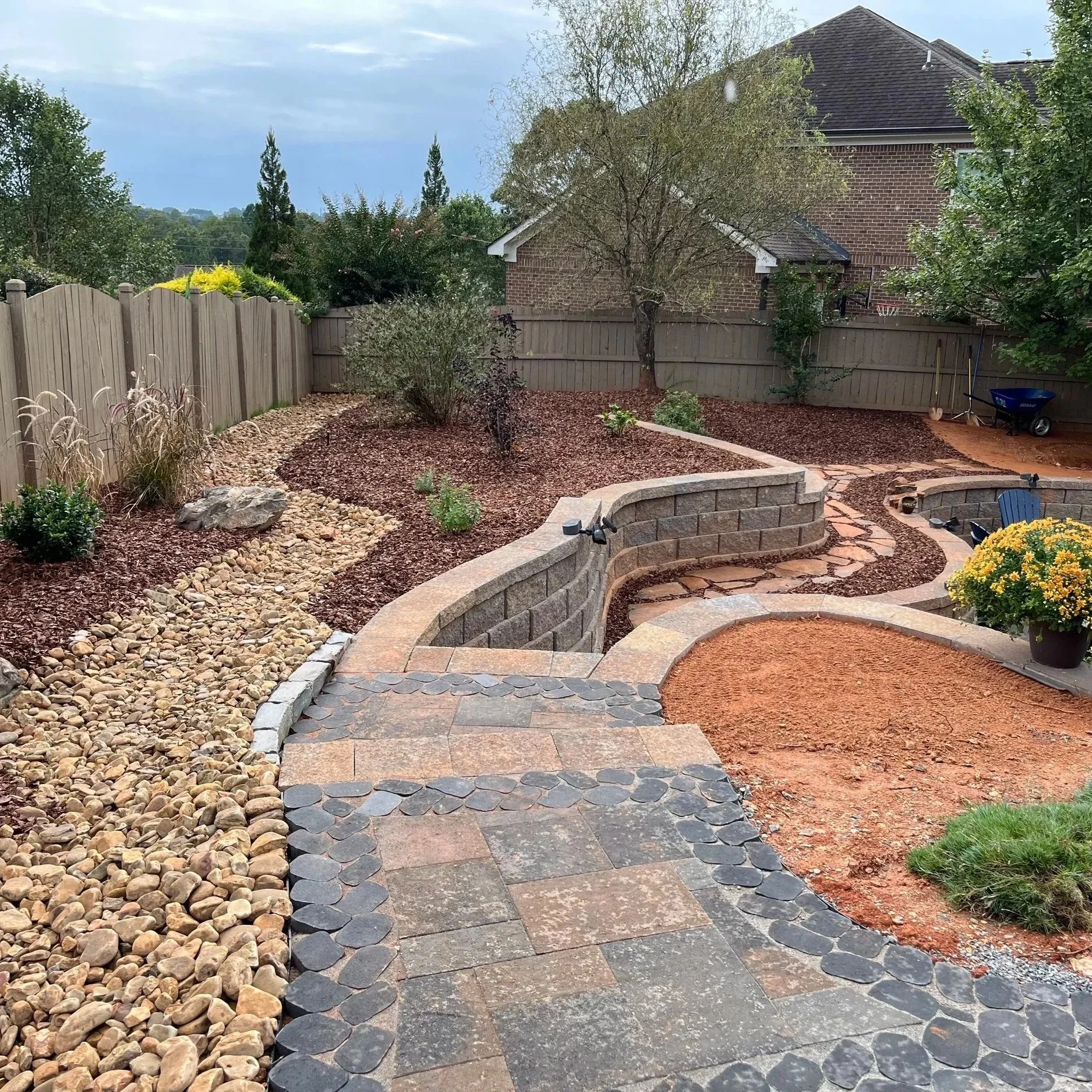
Understanding local permits ensures safe, compliant paver installation and proper drainage in Gainesville, GA residential projects.
Understanding Why Paver Projects Trigger Permit Requirements
Paver installation often feels like a straightforward landscaping upgrade, but local governments view it through a different lens. In Gainesville, GA, any project that alters grading, drainage patterns, or hardscape coverage can affect neighboring properties, stormwater systems, and public infrastructure. Permits exist to manage those ripple effects rather than to complicate homeowner projects. City and county officials focus on how new paved surfaces influence runoff, soil stability, and long-term land use compliance. Even when pavers replace existing grass or dirt, the change in surface permeability and load distribution can introduce drainage concerns that extend beyond property lines.
Many homeowners assume permits apply only to large construction projects or structural additions. That misconception often leads to unintentional violations that surface later during property sales, insurance reviews, or municipal inspections. In Gainesville, permit requirements vary based on project size, location, proximity to easements, and whether work occurs within regulated zones. Experienced contractors recognize these triggers early and help homeowners navigate the process before installation begins. Understanding why permits matter reframes them as protective tools rather than bureaucratic obstacles, especially when long-term performance and compliance remain priorities.
Differentiating Between City and County Jurisdiction
Permit requirements in Gainesville depend heavily on whether a property falls within city limits or unincorporated Hall County. Each jurisdiction maintains its own permitting authority, review standards, and enforcement practices. City-regulated properties often face stricter stormwater management rules, while county oversight may focus more heavily on grading and land disturbance thresholds. Homeowners frequently overlook jurisdictional boundaries, assuming one set of rules applies universally across the region. That assumption creates confusion when permit applications receive unexpected feedback or delays.
Reliable installers understand these jurisdictional differences and adjust project planning accordingly. They know which office reviews hardscape projects, how submission timelines differ, and what documentation each authority expects. Properties near jurisdictional boundaries require extra diligence, especially when shared drainage systems or easements come into play. Contractors familiar with Gainesville permitting processes help homeowners avoid missteps that could stall projects or trigger corrective action later. Awareness of jurisdictional oversight shapes realistic timelines and reinforces the importance of early coordination with local offices.
Recognizing When Paver Installation Qualifies as Land Disturbance
Land disturbance thresholds play a central role in determining whether permits are required for paver installation in Gainesville, GA. Excavation depth, total disturbed area, and changes to existing grades factor into permit decisions. Even modest patios can cross regulatory thresholds when combined with base preparation, soil removal, and edge restraint installation. Local authorities focus on how disturbed soil affects erosion potential, sediment control, and downstream drainage systems.
Homeowners often underestimate how much ground disturbance occurs beneath finished pavers. Base layers require excavation well beyond surface dimensions, and soil displacement extends into surrounding areas during installation. Permitting offices evaluate these factors holistically rather than focusing solely on visible surface coverage. Contractors with permitting experience anticipate when erosion control measures, silt fencing, or inspections may be required. Treating land disturbance as a technical consideration rather than an afterthought reduces compliance risk and supports smoother project execution.
Understanding Stormwater and Impervious Surface Regulations
Stormwater management represents one of the most common reasons paver installations require permits in Gainesville. Impervious surface limits exist to prevent excessive runoff from overwhelming drainage infrastructure and natural waterways. While some pavers offer permeability benefits, local authorities still assess overall runoff impact based on base construction, joint material, and slope. Projects that increase impervious coverage beyond allowable limits often trigger additional review or mitigation requirements.
Permitting offices examine how water flows across a property before and after installation. Driveways, patios, and walkways can redirect runoff toward neighboring properties or public rights of way if improperly designed. Contractors experienced with local regulations help homeowners understand how paver design choices influence permit outcomes. Discussions about permeable systems, drainage channels, and grading adjustments become part of compliance planning rather than design afterthoughts. Stormwater considerations shape both permit approval and long-term surface performance.
Evaluating Setbacks, Easements, and Property Boundaries
Setbacks and easements add another layer of complexity to paver permitting in Gainesville, GA. Local zoning codes define how close hardscape can extend toward property lines, structures, and public infrastructure. Easements for utilities, drainage, or access often restrict permanent surface installations even when space appears unused. Homeowners frequently discover these limitations only after installation begins, creating costly revisions or removal orders.
Permit reviews include boundary verification to confirm compliance with setback requirements. Contractors familiar with local zoning practices review plats, surveys, and recorded easements before finalizing designs. They recognize that setback compliance protects access to utilities and preserves drainage corridors critical to neighborhood infrastructure. When installers proactively address boundary considerations, permit approval becomes more predictable, and project risk decreases. Understanding these spatial constraints early helps homeowners make informed layout decisions without compromising compliance.
Navigating Permit Application Documentation Requirements
Permit applications for paver installation require more than basic descriptions. Gainesville authorities often request site plans showing property boundaries, existing structures, proposed hardscape areas, grading changes, and drainage direction. Accurate documentation allows reviewers to assess compliance efficiently and reduces back-and-forth communication that delays approval. Incomplete or vague submissions frequently trigger requests for clarification that extend timelines unnecessarily.
Experienced contractors assist homeowners by preparing clear, detailed plans that align with local review standards. They understand how to present information in ways that staff expect, using consistent terminology and measurements. Documentation quality reflects professionalism and respect for the review process. Homeowners benefit when applications anticipate reviewer questions rather than reacting to them after submission. Thorough documentation streamlines approval and reinforces confidence that the project meets local expectations from the outset.
Understanding Inspection and Approval Timelines
Permit approval timelines vary based on project scope, jurisdiction, and seasonal workload within Gainesville offices. Smaller projects may receive expedited review, while larger installations involving drainage modifications undergo more extensive evaluation. Inspections often occur at multiple stages, including post-excavation and final completion, depending on permit conditions. Understanding these checkpoints helps homeowners plan realistic project schedules.
Reliable installers coordinate work around inspection requirements rather than treating them as interruptions. They schedule installations to allow time for approvals and avoid covering work before inspections occur. Clear communication about timelines prevents frustration and reinforces trust throughout the process. When contractors understand how local permitting schedules fluctuate, they guide homeowners through expectations without surprises. Planning around approvals protects both compliance and workmanship quality.
Recognizing Consequences of Skipping Required Permits
Skipping permits may appear tempting when timelines feel tight, but the long-term consequences often outweigh short-term convenience. In Gainesville, unpermitted paver installations can result in fines, stop-work orders, or mandatory removal. These issues frequently surface during property sales, refinancing, or insurance claims, creating complications long after installation ends. Local authorities maintain records that flag unpermitted improvements during title reviews.
Corrective action often involves retroactive permitting, which can require exposing completed work for inspection or modifying installations to meet current codes. Contractors who cut corners on permitting place homeowners at financial and legal risk. Understanding enforcement practices underscores why permits represent protection rather than inconvenience. Compliance preserves property value and avoids disruptions that undermine the investment made in quality hardscape improvements.
Working With Contractors Who Manage Permitting Responsibly
The most reliable paver installers in Gainesville treat permitting as an integral part of project management rather than an optional service. They communicate clearly about permit needs, fees, and timelines before work begins. Contractors who routinely handle local permits develop relationships with permitting offices that facilitate smoother reviews and quicker resolution of questions.
Homeowners benefit when contractors assume responsibility for submissions, revisions, and inspections while keeping clients informed throughout the process. Transparent permitting practices signal professionalism and long-term accountability. Installers who respect local regulations demonstrate commitment to quality that extends beyond surface appearance. Permitting knowledge reflects experience earned through years of navigating Gainesville’s regulatory environment rather than learning through trial and error on individual projects.
Explaining Local Permits Required for Paver Installation in Gainesville, GA
Understanding How Grading Changes Affect Permit Review
Grading changes represent one of the most overlooked triggers for permit requirements during paver installation. In Gainesville, GA, altering the slope of a yard, driveway, or patio area affects how water moves across the property and into surrounding drainage systems. Even minor grade adjustments made to level a surface or correct drainage issues can shift runoff patterns enough to warrant regulatory review. Permitting offices focus on whether grading changes could cause erosion, pooling, or redirected water flow toward neighboring properties or public infrastructure. These concerns apply regardless of whether the finished surface appears modest or expansive.
Contractors with local experience recognize that grading is rarely isolated to the immediate paver footprint. Excavation, base installation, and compaction often extend beyond visible boundaries, influencing surrounding soil stability. Permit reviewers evaluate grading holistically, examining how changes interact with existing slopes, retaining structures, and natural drainage paths. Homeowners benefit when installers explain grading implications clearly rather than minimizing their significance. Treating grade modification as a technical and regulatory consideration supports smoother approvals and reduces the likelihood of corrective action after installation.
Understanding Retaining Walls and Structural Support Requirements
Paver projects that involve retaining walls or structural support elements introduce additional permitting considerations in Gainesville. Retaining walls often accompany terraced patios, raised walkways, or driveway transitions where elevation changes occur. Local regulations distinguish between decorative landscape walls and structural retaining systems based on height, load, and proximity to structures. Walls exceeding certain height thresholds typically require engineering review to verify stability and soil retention capacity.
Permitting authorities evaluate retaining walls for safety, long-term performance, and impact on adjacent properties. Contractors familiar with these requirements coordinate wall design, footing depth, and drainage integration with permit expectations. Ignoring structural review requirements can result in costly redesigns or removal orders. Homeowners gain clarity when installers explain how retaining elements affect permitting and why additional documentation may be required. Structural support considerations reinforce the interconnected nature of paver systems and local compliance standards.
Recognizing Environmental and Watershed Overlay Considerations
Certain areas of Gainesville fall within environmental or watershed overlay zones that impose stricter controls on land disturbance and impervious surfaces. Properties near creeks, wetlands, or protected waterways face additional scrutiny during permit review. Authorities assess how paver installations influence water quality, sediment control, and habitat preservation. Even projects that meet standard zoning requirements may require additional approvals within these overlay areas.
Homeowners often remain unaware of overlay designations until permit review begins. Contractors experienced in local permitting research property classifications early to identify potential constraints. They understand how buffer zones, erosion controls, and runoff mitigation measures affect project design and cost. Awareness of environmental overlays shapes realistic expectations and avoids delays caused by late-stage discovery. When installers address these factors proactively, permit navigation becomes more predictable and collaborative.
Understanding Permit Fees and Associated Costs
Permit fees vary based on project scope, jurisdiction, and regulatory requirements within Gainesville, GA. Fees may include application charges, plan review costs, inspection fees, and potential impact assessments related to stormwater or land disturbance. Homeowners sometimes view permit costs as unnecessary add-ons without recognizing their role in regulatory oversight and infrastructure protection. Clear communication about fee structures helps homeowners budget accurately and reduces frustration.
Reliable contractors explain permit costs transparently and distinguish between municipal fees and contractor service charges. They also clarify how changes to project scope can affect permitting expenses. Unexpected costs often arise when projects expand beyond initial assumptions or trigger additional reviews. Understanding fee structures reinforces the value of compliance and supports informed decision-making. Permit-related costs reflect regulatory responsibilities tied to long-term community planning rather than arbitrary expenses.
Coordinating Permits With Homeowners Associations
Many Gainesville neighborhoods operate under homeowners' association guidelines that intersect with municipal permitting requirements. HOAs often impose design standards, setback rules, and material restrictions that apply independently of city or county regulations. Paver installations may require HOA approval before municipal permits can be issued or finalized. Navigating these layered approvals demands careful coordination to avoid conflicting requirements.
Contractors familiar with HOA processes help homeowners align design choices with both association guidelines and local codes. They understand common documentation requests and approval timelines associated with neighborhood review boards. Failure to secure HOA approval can halt projects even when municipal permits are granted. Coordinating these approvals early supports smoother scheduling and reduces administrative friction. HOA considerations demonstrate how paver permitting extends beyond government offices into community governance structures.
FAQs
Not all paver installations require permits, but many do depending on size, location, grading changes, and drainage impact. Projects that disturb significant soil, alter runoff patterns, or increase impervious surface coverage often trigger permitting requirements.
Responsibility varies by agreement, but many professional contractors handle permit applications on behalf of homeowners. Clear communication about permitting responsibilities should occur before work begins to avoid confusion or delays.
Approval timelines vary based on project complexity and jurisdiction workload. Smaller projects may receive approval within weeks, while more complex installations involving drainage or grading reviews can take longer.
Unpermitted installations may result in fines, stop-work orders, or required removal. Issues often surface during property sales or inspections, leading to corrective action that can be costly and disruptive.
Retroactive permitting is sometimes possible but often involves inspections, documentation, and potential modifications. Outcomes depend on whether the installation meets current codes and regulatory standards.
