
How To Choose a Reliable Paver Installer in Gainesville, GA
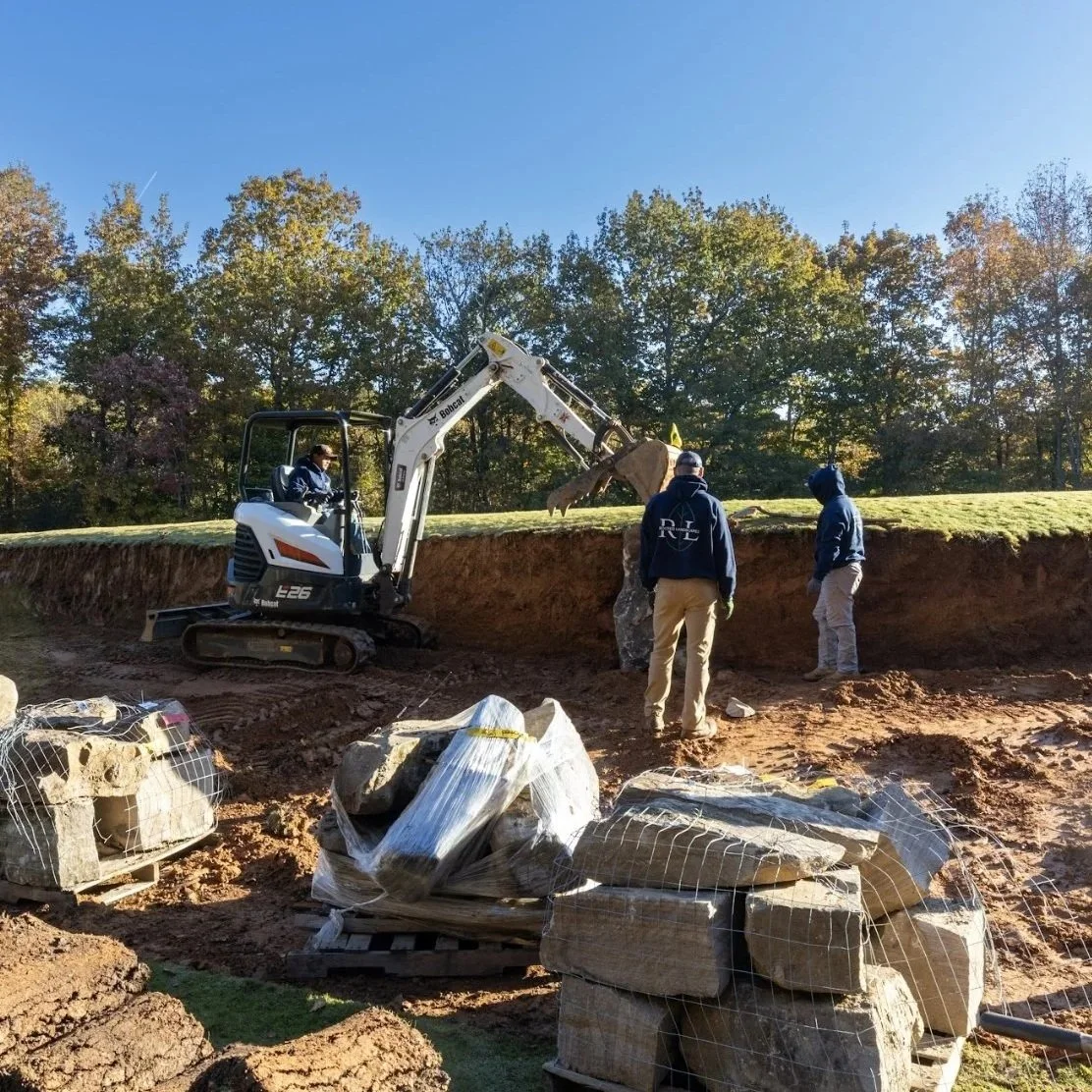
Expert paver installer in Gainesville ensures proper base preparation, drainage, and compaction for long-lasting, even surfaces.
Understanding Base Preparation Beyond What You Can See
Reliable paver installation starts long before the first stone ever touches the surface, and base preparation remains the part most homeowners never see once the job wraps up. In Gainesville, GA, soil composition varies widely from one neighborhood to the next, with clay-heavy ground creating drainage challenges that demand careful planning. A seasoned installer understands how moisture moves through local soil and adjusts excavation depth, aggregate selection, and compaction techniques accordingly. Skipping steps or using a shallow base may look fine for a few months, but the long-term effects usually surface as uneven settling, shifting patterns, and water pooling where it does not belong. Contractors with real experience do not treat base work as a checklist item. They approach it as a structural system that supports everything above it and influences how the surface performs year after year.
Many unreliable installers rely on visual shortcuts rather than structural discipline, especially when bidding competitively. They may reduce excavation depth, reuse unsuitable base material, or compact unevenly to save time. Those decisions often lead to costly repairs later, especially in areas of Gainesville that experience seasonal rainfall swings and temperature changes. A reliable paver installer explains how they evaluate soil conditions, why certain materials work better locally, and how compaction gets verified during installation. Conversations about base depth, drainage slope, and edge restraint methods signal professionalism rather than upselling. When an installer can describe how the base protects the surface from long-term movement and water damage, it reflects hands-on experience earned through years of correcting preventable failures on other properties.
Evaluating Drainage Strategy as a Core Design Element
Drainage planning separates competent installers from those focused solely on surface appearance. In Gainesville, GA, sudden downpours place heavy demands on patios, walkways, and driveways, making water management a primary concern rather than an afterthought. A reliable paver installer evaluates how water currently moves across your property, where it collects, and how the new hardscape will alter those patterns. Poor drainage design often leads to erosion beneath pavers, frost-related shifting during colder months, and water intrusion toward foundations. Skilled installers approach drainage as an integrated system involving grading, permeable options when appropriate, and strategic slope adjustments that protect both the installation and the surrounding landscape.
Homeowners sometimes assume drainage only matters for large driveways or sloped yards, but even small patios can fail when runoff gets trapped beneath the surface. Installers with local knowledge understand how Gainesville’s terrain interacts with clay soils, existing landscaping, and nearby structures. They know when permeable pavers make sense and when traditional systems paired with proper runoff control provide better long-term stability. During consultations, reliable professionals discuss water flow openly rather than minimizing its importance. They explain how ignoring drainage issues often leads to uneven settling and premature surface failure that no amount of surface repair can permanently fix once the base becomes compromised.
Assessing Material Selection and Long-Term Performance
Choosing the right paver material involves more than picking colors or textures that match your home. A reliable paver installer considers how different materials perform under Gainesville’s climate conditions, traffic demands, and maintenance expectations. Concrete pavers, natural stone, and clay brick each behave differently when exposed to heat, moisture, and wear over time. Experienced installers help homeowners understand how density, surface finish, and joint spacing influence durability and appearance years down the road. An installer focused only on aesthetics may overlook how certain materials fade unevenly, absorb moisture differently, or react poorly to freeze-thaw cycles that occasionally affect northern Georgia.
Long-term performance depends on matching material strengths to the intended use of the space. Driveways require higher load-bearing capacity than walkways, while pool decks demand slip resistance and heat management. Reliable installers discuss these distinctions clearly and recommend products based on functional needs rather than inventory convenience. They also explain how joint sand type, sealing options, and edge restraints affect longevity. When an installer speaks knowledgeably about maintenance cycles, surface wear patterns, and how materials age in real Gainesville properties, it shows an understanding rooted in experience rather than manufacturer brochures.
Recognizing Installation Sequencing and Workflow Discipline
Professional paver installation follows a disciplined workflow that protects quality at every stage. Reliable installers plan each phase deliberately, from excavation and base layering through placement, cutting, compaction, and finishing. Rushed sequencing often leads to misaligned patterns, inconsistent joint spacing, and surface irregularities that become more noticeable over time. In Gainesville, where weather changes can interrupt projects, experienced installers know how to protect partially completed work from moisture intrusion and soil contamination. They schedule installations strategically rather than pushing through unfavorable conditions that compromise results.
Workflow discipline also reflects how an installer manages crews, equipment, and job site cleanliness. Reliable professionals maintain consistent oversight throughout the project rather than delegating critical decisions to less experienced labor. They verify compaction levels, alignment accuracy, and edge restraint installation before moving forward. Homeowners benefit when installers explain what happens at each stage and why certain steps cannot be rushed. Installers who respect sequencing understand that paver systems behave as a unified structure, where shortcuts in early phases almost always resurface as visible issues later.
Inspecting Edge Restraints and Structural Containment
Edge restraints rarely attract attention during design discussions, yet they play a critical role in the long-term stability of any paver installation. In Gainesville, GA, temperature changes, soil expansion, and surface water movement place constant lateral pressure on paved surfaces. Without proper edge containment, even a well-prepared base gradually shifts outward, leading to spreading joints, uneven edges, and misaligned patterns. Reliable paver installers treat edge restraints as structural components rather than optional accessories. They select materials based on the application, whether that involves heavy-duty concrete restraints for driveways or reinforced polymer systems for patios and walkways.
Unreliable installers often bury or minimize edge systems to save time or reduce costs, assuming joint sand alone will hold everything in place. Over time, that assumption proves costly as pavers migrate, creating trip hazards and visible gaps. Experienced installers explain how edge restraints interact with the base and surface layers to lock the system together. They discuss anchoring methods, depth placement, and how restraints accommodate slight ground movement without allowing surface displacement. When a contractor can articulate how edge containment preserves alignment through seasonal changes common in Gainesville, it reflects an understanding of long-term performance rather than short-term appearance.
Understanding Pattern Layout and Structural Load Distribution
Paver patterns influence far more than visual appeal. Certain layouts distribute weight more effectively, resist shifting under vehicle loads, and manage joint stress over time. A reliable paver installer understands how pattern selection impacts performance, especially for driveways and high-traffic areas common in Gainesville properties. Herringbone patterns, for example, offer superior interlocking strength compared to running bond layouts, making them better suited for load-bearing applications. Installers with real-world experience explain these distinctions clearly rather than leaving pattern selection purely to aesthetics.
Improper pattern choices often reveal themselves months or years later as tire ruts, joint separation, or surface distortion. Skilled installers evaluate how the space will be used daily and recommend layouts that balance appearance with structural integrity. They also plan cuts strategically to avoid small filler pieces that loosen over time. Precision during layout requires patience and technical skill, particularly when working around curves, borders, and existing structures. When an installer discusses pattern selection in terms of stress distribution and long-term stability, it signals practical knowledge gained through years of observing how different designs perform in real Gainesville conditions.
Evaluating Cutting Precision and Finish Quality
Cutting pavers accurately demands more than basic tools. Reliable installers use appropriate saws, blades, and techniques to achieve clean edges that fit seamlessly into the overall design. Poor cutting results in uneven gaps, chipped surfaces, and joints that collect debris or water. In Gainesville’s climate, moisture trapped in poorly cut joints accelerates wear and undermines stability. Skilled installers approach cutting as a precision task rather than a rushed final step, understanding that edge quality influences both appearance and performance.
Finish quality extends beyond cuts to include joint consistency, surface alignment, and final compaction. Installers with disciplined standards revisit finished surfaces multiple times to confirm uniform height and proper seating. They understand how minor irregularities become more pronounced with use and weather exposure. Homeowners often notice quality differences months later when surfaces remain smooth, and joints stay tight. Contractors who explain their finishing process in detail demonstrate pride in workmanship and an understanding of how small details contribute to long-term durability in Gainesville installations.
Assessing Sealing Practices and Maintenance Guidance
Sealing pavers remains a topic often oversimplified during sales conversations. Reliable installers explain when sealing makes sense, what it accomplishes, and how it affects maintenance over time. In Gainesville, GA, sealers can enhance color retention, reduce staining, and stabilize joint sand, but improper application creates problems such as surface hazing or trapped moisture. Experienced installers evaluate site conditions, material type, and homeowner expectations before recommending sealing as part of the project.
Maintenance guidance represents another area where professionalism becomes evident. Reliable installers provide realistic explanations of what upkeep involves, including joint sand replenishment, cleaning methods, and resealing intervals when applicable. They avoid portraying paver surfaces as maintenance-free, instead offering practical advice based on how installations age locally. When installers discuss maintenance as an ongoing relationship between the homeowner and the surface, it reflects a long-term mindset rather than a transactional approach focused only on installation completion.
Reviewing Licensing, Insurance, and Local Experience
Professional credentials matter, but local experience carries equal weight when selecting a paver installer in Gainesville, GA. Licensing and insurance protect homeowners from liability and indicate compliance with industry standards. Reliable installers readily provide documentation without hesitation and explain how coverage applies to the project. Beyond paperwork, local experience ensures familiarity with permitting requirements, inspection expectations, and regional construction practices that influence project timelines and execution.
Installers who work consistently in Gainesville understand neighborhood-specific challenges such as soil variation, drainage patterns, and HOA guidelines. They anticipate logistical issues related to access, staging, and weather disruptions common in the area. Homeowners benefit when installers reference completed local projects and explain how those experiences inform current recommendations. A contractor who speaks confidently about regional conditions demonstrates practical expertise grounded in real installations rather than generalized knowledge.
Understanding Communication Style and Project Transparency
Clear communication defines reliable service as much as technical skill. A trustworthy paver installer explains processes, timelines, and expectations without relying on vague assurances. In Gainesville, where weather can alter schedules, transparent communication helps homeowners understand how adjustments occur and why certain delays protect quality rather than compromise it. Reliable installers provide written proposals detailing scope, materials, preparation methods, and responsibilities, reducing misunderstandings later.
Ongoing communication during installation further distinguishes professionals from less disciplined operators. Installers who provide updates, address questions promptly, and explain unexpected discoveries build trust throughout the project. Transparency about challenges such as hidden drainage issues or soil instability reflects integrity rather than weakness. When installers treat homeowners as informed partners rather than passive observers, it creates a collaborative process that leads to better outcomes and fewer disputes long after the installation ends.
FAQs
A properly installed paver surface in Gainesville can last several decades when the base, drainage, and edge restraints are built correctly. Soil conditions, materials, and maintenance also affect longevity, but well-built systems often outperform concrete by flexing instead of cracking.
Ask about base depth, drainage planning, edge restraint methods, and material recommendations. Also inquire about Gainesville-specific soil conditions, warranties, maintenance expectations, and installation timelines to confirm long-term reliability.
Yes. Gainesville’s humidity and rainfall require periodic joint sand replenishment, surface cleaning, and occasional sealing depending on the paver type. Routine inspections help prevent issues like weed growth, settling, or moisture-related staining.
Sealing is optional but beneficial. It helps maintain color, reduce staining, and protect against moisture. A reputable installer evaluates the material, location, and homeowner preference before recommending sealing rather than using a one-size-fits-all approach.
Most failures come from poor base preparation, improper drainage, weak edge restraints, or rushed installation. These problems usually start beneath the surface and later appear as shifting, sinking, or joint separation.
