
Top Signs You Should Hire a Paver Professional in Gainesville
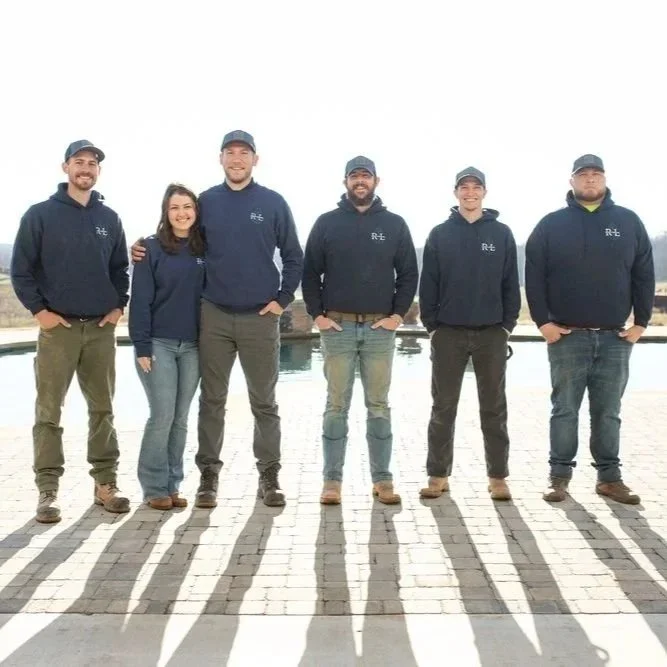
Hiring a paver professional ensures proper handling of complex soil and drainage conditions in Gainesville yards.
Recognizing When Site Conditions Are More Complicated Than They Appear
Many homeowners begin paver projects assuming their yard is relatively straightforward, only to discover complications once work begins. In Gainesville, Georgia, soil composition varies widely even within the same block. Clay-heavy soil expands when wet and contracts during dry spells, placing constant pressure on any hardscape built on top of it. Yards that appear flat often hide subtle slopes that affect drainage direction, while older properties may contain buried debris, roots, or poorly compacted fill from past construction. These conditions rarely announce themselves until excavation exposes them.
When site conditions become unpredictable, professional experience matters. Paver professionals recognize warning signs early, such as inconsistent soil density, moisture retention patterns, or grading that directs water toward structures. DIY installers often react after problems appear, making corrective work more difficult and expensive. If initial digging reveals unexpected soil behavior or drainage challenges, that discovery alone signals the value of professional involvement. Complex site conditions do not mean a project is impossible, but they do mean success depends on informed decisions made before mistakes lock problems in place.
Noticing Drainage Problems Before Installation Begins
Drainage issues represent one of the clearest indicators that professional help may be needed. Gainesville receives frequent heavy rainfall, and water movement shapes how paver surfaces perform over time. If your yard already experiences pooling water, muddy areas, or runoff that travels unpredictably, installing pavers without addressing drainage first invites long-term problems. Water undermines base layers, softens soil, and accelerates settling beneath finished surfaces.
Professional paver installers assess drainage as part of the overall system rather than treating it as a surface detail. They evaluate how water enters and exits the area, where it collects during storms, and how grading adjustments affect flow. DIY projects often focus on the visible slope alone, overlooking subsurface water behavior. If drainage concerns exist before installation begins, that reality strongly suggests the need for professional planning to avoid costly rework later.
Understanding When Project Size Increases Risk
Small paver projects tolerate minor imperfections more easily than large ones. A short garden path or decorative feature experiences limited use and low load, allowing small errors to go unnoticed. As project size increases, so does risk. Large patios, long walkways, and driveways demand consistent base preparation, precise grading, and reliable edge containment across broad areas. In Gainesville, where soil and moisture conditions vary, maintaining that consistency becomes increasingly difficult without experience.
When a project covers a significant portion of the yard or serves as a primary outdoor living space, professional installation offers stability that DIY methods struggle to match. Larger surfaces magnify small mistakes, turning minor deviations into visible issues over time. If a project plays a central role in daily use or involves substantial square footage, hiring a professional helps protect both appearance and performance long term.
Seeing Signs Of Slope Or Elevation Changes
Sloped yards introduce challenges that flat areas do not. Even gentle elevation changes affect how pavers settle, drain, and resist movement. Gainesville properties frequently include gradual slopes that homeowners may underestimate. Installing pavers on sloped ground requires careful excavation, stepped base preparation, and pattern selection that resists downward movement. Without proper technique, gravity slowly pulls surfaces out of alignment.
Professional installers understand how to manage elevation changes without creating water traps or unstable transitions. DIY installers often rely on visual judgment rather than precise measurement, leading to uneven surfaces that worsen over time. If your yard includes noticeable slope changes, retaining walls, or transitions between elevations, those features signal the need for professional expertise to manage forces acting on the surface.
Realizing Edge Containment Will Be Critical
Edge containment prevents pavers from spreading outward under pressure. In Gainesville’s moist soil conditions, lateral movement occurs more readily than many homeowners expect. Areas exposed to foot traffic, furniture movement, or vehicle weight place constant stress on edges. Without robust restraint systems, pavers drift, joints open, and surfaces lose shape.
Professional installers design edge systems as structural components rather than afterthoughts. They anchor restraints deeply and integrate them into the base. DIY projects often underbuild edges or rely on lightweight materials that fail over time. If a project involves high traffic, heavy use, or exposure to soil pressure from adjacent landscaping, edge containment becomes critical enough to justify professional installation.
Recognizing When Precision Matters For Appearance
Some projects demand a higher level of finish quality due to visibility and design goals. Patios near main entrances, walkways leading to front doors, or features visible from interior living spaces draw constant attention. Small imperfections that might go unnoticed elsewhere become focal points in these areas. Gainesville homeowners often invest in pavers to elevate curb appeal or enhance entertaining spaces, making appearance a priority.
Professional installers achieve consistent joint spacing, clean cuts, and smooth transitions through experience. DIY projects frequently show variation as skills improve mid-installation. If a project sits in a highly visible location or ties into existing architectural elements, professional precision helps achieve a cohesive, polished look that holds up under scrutiny.
Encountering Unexpected Challenges During Excavation
Excavation often reveals surprises that complicate installation plans. Buried roots, old concrete, utility lines, or uneven fill change how a project must proceed. In Gainesville, older properties sometimes contain remnants of previous landscaping or construction that interfere with base preparation. Addressing these issues requires quick decisions that affect long-term performance.
Professional installers draw on experience to adapt when conditions change. DIY installers may feel uncertain about how to proceed, increasing the risk of compromised solutions. If excavation uncovers obstacles that alter the original plan, that moment often marks the point where professional guidance becomes invaluable.
Identifying When Drainage Solutions Extend Beyond Simple Grading
Some paver projects require drainage solutions that go beyond adjusting surface slope. Gainesville yards sometimes channel runoff from roofs, neighboring properties, or higher elevations into planned paver areas. When water volume exceeds what surface grading can handle, additional measures become necessary. French drains, subsurface drainage layers, or coordinated runoff redirection may be required to protect the paver system. These solutions involve more than placing stones at a slight angle and hoping gravity handles the rest.
Professional paver installers understand how to integrate drainage solutions into the overall installation without compromising stability. They evaluate soil permeability, water entry points, and exit paths to prevent saturation beneath the surface. DIY installers often lack experience with subsurface drainage design, increasing the risk of base failure. If water management requires more than a simple pitch away from structures, that complexity signals the value of professional involvement.
Noticing When Structural Loads Increase Requirements
Paver installations supporting heavier loads demand greater precision. Driveways, vehicle turnarounds, and areas supporting outdoor kitchens or fire features experience stress far beyond casual foot traffic. In Gainesville, soil movement combined with load pressure accelerates surface distortion when installation falls short. Thicker base layers, reinforced edges, and appropriate paver selection become critical under these conditions.
Professional installers tailor base depth, compaction technique, and material choice to match load requirements. DIY projects often underestimate how much structural support heavy loads require, leading to cracking, sinking, or shifting. If a project will carry vehicles or heavy features, professional expertise helps protect against failures that compromise safety and usability.
Recognizing When Time Constraints Affect Quality
Time pressure influences workmanship more than many homeowners expect. DIY projects squeezed into weekends or evenings often suffer from rushed steps and incomplete preparation. Gainesville weather adds unpredictability, with rain delays disrupting schedules and forcing work under less-than-ideal conditions. Compromised timing leads to shortcuts that affect long-term performance.
Professional crews schedule work strategically, completing critical steps under appropriate conditions. They coordinate labor and equipment efficiently, reducing exposure to weather disruptions. If personal schedules limit the ability to complete work methodically, professional installation helps maintain quality without sacrificing timelines.
Understanding When Aesthetic Integration Requires Experience
Paver projects often connect to existing patios, walkways, or architectural features. Matching elevation, pattern alignment, and visual flow requires careful planning. In Gainesville homes with established outdoor spaces, new pavers must integrate seamlessly to avoid awkward transitions. Small misalignments become noticeable when old and new surfaces meet.
Professional installers account for existing conditions when designing expansions or additions. DIY installers may struggle to align new work with established features, leading to uneven transitions or mismatched patterns. When a project involves tying into existing hardscape, professional experience supports cohesive results that feel intentional rather than patched together.
Seeing When Maintenance Risks Increase Without Proper Installation
Poor installation increases maintenance demands over time. Loose joints, shifting edges, and drainage issues require ongoing attention that frustrates homeowners. Gainesville’s climate accelerates wear when systems are not built to handle moisture and movement. DIY projects often begin with enthusiasm but lead to ongoing adjustments as issues emerge.
Professional installation reduces maintenance by addressing underlying causes rather than surface symptoms. If a homeowner prefers minimal upkeep and predictable performance, that preference aligns more closely with professional services. Recognizing tolerance for maintenance helps clarify whether DIY efforts match long-term expectations.
Acknowledging When Accountability And Peace Of Mind Matter
Professional paver services offer accountability that DIY projects cannot. Workmanship warranties and clear responsibility provide reassurance if issues arise. In Gainesville, where environmental stress tests are conducted quickly, that peace of mind holds real value. DIY installers carry full responsibility for outcomes, repairs, and corrections.
If a project represents a significant investment or plays a central role in daily living, accountability becomes more important. Knowing who to call when problems surface reduces stress and protects long-term value. That factor alone often justifies professional involvement for higher-stakes installations.
Understanding When Experience Reduces Risk
Experience influences outcomes in ways that are difficult to quantify until problems appear. Professional installers recognize patterns in soil behavior, drainage response, and material performance that guide decisions instinctively. DIY installers must learn those lessons firsthand, often through trial and error. In Gainesville’s variable conditions, learning curves can be costly.
If minimizing risk matters more than gaining hands-on experience, professional services offer a safer path. Recognizing when experience outweighs experimentation helps homeowners make confident decisions that align with priorities rather than assumptions.
Evaluating When Project Goals Extend Beyond Basic Function
Some paver projects aim to elevate property value, enhance curb appeal, or create premium outdoor spaces. These goals demand a higher level of craftsmanship and durability. Gainesville homeowners investing in long-term improvements often seek results that look polished years later, not just immediately after completion.
Professional installers align construction quality with long-term goals, balancing aesthetics and performance. DIY projects may achieve basic function but struggle to meet elevated expectations consistently. When goals extend beyond simple usability, professional expertise helps deliver results that support those ambitions.
FAQs
Signs include drainage issues, sloped terrain, clay-heavy soil, or plans for large or load-bearing projects. These conditions increase risk without professional expertise.
Large patios amplify small mistakes, especially in Gainesville’s soil and weather conditions. Professional installation offers greater consistency and durability for larger surfaces.
Drainage concerns that extend beyond basic surface slope often benefit from professional planning. Subsurface solutions and runoff coordination require experience.
Driveways, steep slopes, areas near foundations, and projects supporting heavy features typically require professional installation for reliable performance.
Professionals can correct many DIY problems, but repairs often involve removing and rebuilding sections. Proper installation from the start usually costs less over time.
