
How To Decide Between DIY and Professional Paver Services in GA
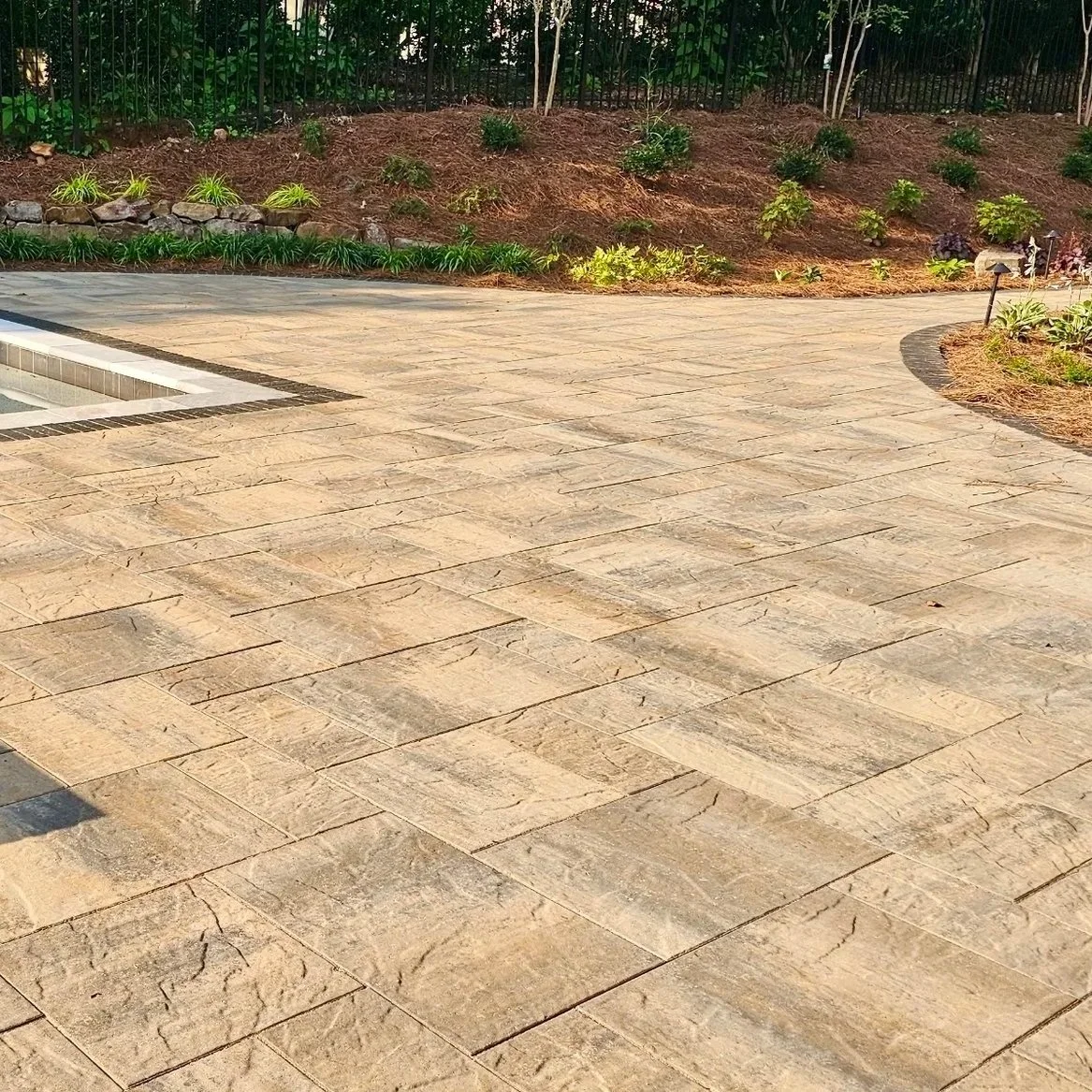
Homeowners deciding between DIY and professional paver services benefit from understanding the full scope of work involved.
Understanding What Paver Projects Actually Involve
Paver projects often look deceptively simple when viewed from the finished surface. Clean lines, uniform stones, and neat joints give the impression that the work mainly involves arranging pieces like a puzzle. In reality, most of the labor and technical decision-making happens below ground, long before the first paver is set. In Gainesville, GA, soil composition, moisture retention, and drainage behavior all influence how a paver system performs over time. These factors turn what seems like a surface-level project into a structural one that must handle movement, water, and repeated use.
Homeowners deciding between DIY and professional paver services benefit from understanding the full scope of work involved. Excavation depth, base material selection, compaction technique, slope control, and edge restraint installation all determine whether a surface stays flat or slowly fails. Pavers themselves rarely cause problems. Issues almost always trace back to preparation and planning. When homeowners see paver installation as a system rather than a decorative task, the decision between DIY and professional help becomes more grounded in reality.
Evaluating Your Property Conditions In Gainesville
Every property behaves differently, even within the same neighborhood. Gainesville properties often feature clay-heavy soil that expands when wet and contracts during dry periods. That movement places constant stress on hardscape surfaces. Some yards drain well naturally, while others collect water or direct runoff toward patios and walkways. Slopes, tree roots, and existing structures further complicate installation decisions. These conditions heavily influence whether a DIY approach is practical or risky.
Professional installers evaluate these site-specific factors quickly because they have seen how similar properties perform over time. Homeowners tackling DIY projects must identify and interpret these conditions themselves. Misjudging soil behavior or drainage patterns leads to problems that may not show up immediately. A flat surface during dry weather can shift noticeably after a single heavy rain. Understanding how your specific property behaves under real conditions plays a major role in deciding whether hands-on work or professional expertise makes more sense.
Assessing Project Size And Functional Demands
Project scale changes everything when deciding between DIY and professional services. Small garden paths or decorative features carry a lower risk because they experience limited foot traffic and minimal load. Larger patios, walkways connecting key areas, or driveways introduce more complex demands. In Gainesville, frequent outdoor use and weather exposure increase stress on surfaces that serve as primary gathering or access points.
Professional services often become more valuable as project size and importance increase. Larger installations require consistent compaction, precise grading, and coordinated drainage across broader areas. DIY installers may handle small sections well, but struggle to maintain consistency over long distances. Functional demands also matter. A rarely used garden feature tolerates minor imperfections, while a main patio or driveway does not. Evaluating how critical the space is to daily life helps clarify whether potential DIY shortcomings are acceptable.
Comparing Skill Sets Versus Learning Curves
DIY paver installation demands a combination of physical ability, technical understanding, and patience. Measuring slopes accurately, cutting pavers cleanly, and compacting base layers evenly all require practice. Gainesville’s heat and humidity add physical strain that affects focus and precision over long workdays. Many homeowners underestimate how quickly fatigue influences workmanship.
Professional installers shorten the learning curve through experience. They know how materials respond during installation and how small adjustments affect final outcomes. DIY projects often improve as they progress, which means early sections may not match later ones. That inconsistency becomes visible over time. Assessing personal comfort with learning new skills under physically demanding conditions helps homeowners determine whether DIY aligns with their strengths or creates unnecessary frustration.
Understanding Time Investment And Scheduling Realities
Time represents one of the most overlooked factors in the DIY versus professional decision. DIY projects often stretch longer than planned due to weather delays, tool rentals, and unexpected challenges. In Gainesville, sudden rainstorms interrupt excavation and base preparation, forcing homeowners to pause mid-project. Prolonged installations disrupt yard use and create ongoing inconvenience.
Professional crews complete projects efficiently through coordination and manpower. While DIY allows flexible scheduling, the tradeoff often involves extended disruption. Homeowners balancing work, family, and other responsibilities may find it difficult to maintain momentum. Evaluating how much uninterrupted time is available helps set realistic expectations. A project that takes professionals several days may consume multiple weekends for a DIY installer.
Analyzing Upfront Costs Versus Long-Term Value
Cost comparison often starts with material pricing and labor savings. DIY projects eliminate professional labor costs, which feels appealing at first glance. However, cost analysis should include tool rentals, material overages due to mistakes, and potential rework. In Gainesville, correcting drainage or settling issues often requires removing and reinstalling sections, increasing expense.
Professional installation costs more initially but often delivers greater long-term value through durability and reduced maintenance. Many homeowners who attempt DIY projects eventually pay professionals to correct underlying issues. When evaluating cost, considering how long the installation will perform without major intervention provides a clearer picture. Short-term savings lose impact when long-term repairs enter the equation.
Recognizing Drainage And Water Management Complexity
Water management separates successful paver installations from problematic ones. Gainesville experiences heavy rain events that test drainage design quickly. DIY installers often rely on surface slope alone, overlooking how water moves beneath the surface. Poor drainage softens base layers, accelerates settling, and redirects water toward unwanted areas.
Professional services incorporate drainage planning into the overall design. Installers evaluate runoff sources, soil absorption, and discharge paths. They understand how to balance infiltration and runoff without destabilizing the surface. Drainage mistakes rarely appear immediately, making them particularly costly. Recognizing the complexity of water behavior helps homeowners judge whether DIY planning skills match the demands of local conditions.
Considering Equipment Access And Proper Use
Paver installation requires specialized equipment to achieve professional results. Plate compactors, masonry saws, and grading tools all play important roles. Renting equipment adds cost and requires learning proper operation. Improper compaction represents one of the most common DIY failures, particularly over larger areas.
Professional crews use equipment daily and understand how to adjust technique based on soil and material response. DIY installers may struggle to achieve uniform compaction, especially in deeper base layers. Access to equipment alone does not guarantee proper results. Comfort with operating machinery and interpreting feedback from materials influences whether DIY efforts succeed or fall short.
Evaluating Finish Quality Expectations
Finish quality often separates DIY paver projects from professionally installed ones, even when materials appear identical. Clean cuts, consistent joint spacing, and smooth transitions require repetition and attention to detail that develop with experience. In Gainesville, GA, subtle inconsistencies become more noticeable as weather and use expose uneven areas. Slight height differences that feel acceptable at first can create trip points or collect water during heavy rain. These issues tend to grow gradually rather than appearing immediately.
Homeowners choosing DIY must decide how much imperfection they are willing to live with long-term. Professional installers deliver uniform results across the entire surface because they control variables from start to finish. DIY projects frequently show variation where early sections differ from later ones as skills improve mid-installation. While those differences may not affect function right away, they influence long-term satisfaction. Understanding finish expectations helps homeowners decide whether personal craftsmanship aligns with desired outcomes.
Factoring In Maintenance Responsibilities
Every paver installation requires some level of maintenance, but the amount varies based on installation quality. DIY projects often demand more frequent attention due to joint material loss, minor settling, or edge movement. Gainesville’s humidity and rainfall accelerate joint erosion when compaction and containment are inconsistent. Homeowners may find themselves refilling joints, adjusting pavers, or addressing drainage issues sooner than expected.
Professional installations tend to stabilize more quickly because systems account for environmental stress from the beginning. Maintenance focuses on routine cleaning rather than structural correction. DIY maintenance becomes part of ownership, which some homeowners enjoy while others find it burdensome. Deciding between DIY and professional services includes evaluating tolerance for ongoing adjustments rather than assuming maintenance will be minimal.
Understanding Accountability And Warranty Differences
Accountability plays a significant role in long-term outcomes. Professional paver services typically include workmanship warranties and clear responsibility if issues arise. When settling, drainage problems, or alignment issues appear, homeowners have a point of contact for resolution. That accountability adds peace of mind, especially for larger or more complex installations.
DIY projects place full responsibility on the homeowner. Any issues require personal time, money, and effort to resolve. In Gainesville, where the weather can reveal weaknesses quickly, that responsibility becomes more significant. Understanding who carries the burden when problems surface helps homeowners weigh risk realistically rather than assuming all installations age the same way.
Considering Permits And Local Requirements
Some paver projects in Gainesville require permits or must comply with specific local guidelines related to drainage and land disturbance. DIY installers may overlook these requirements, assuming pavers fall outside regulatory oversight. Issues often surface during property sales, inspections, or insurance evaluations, creating complications long after installation.
Professional services stay current on local requirements and handle documentation proactively. DIY homeowners must research regulations independently and accept responsibility for compliance. Factoring in regulatory awareness adds another layer to the decision-making process, particularly for projects near structures or property boundaries.
Problem Solving When Conditions Change Mid-Project
Few projects unfold exactly as planned once excavation begins. Unexpected soil conditions, hidden roots, or drainage surprises require on-the-spot decisions. DIY installers must adapt without prior experience to guide those choices. In Gainesville, clay pockets and inconsistent moisture retention complicate adjustments during installation.
Professional installers rely on past projects to navigate unexpected conditions confidently. DIY problem-solving adds stress and increases the chance of long-term issues. Some homeowners enjoy tackling challenges, while others feel overwhelmed when plans shift. Assessing comfort with uncertainty helps determine whether DIY aligns with personal preferences.
Balancing Personal Satisfaction With Practical Risk
DIY paver projects offer personal satisfaction that professional services cannot replicate. Building something tangible with your own hands creates pride and connection to the space. For small, low-risk projects, that satisfaction may outweigh potential drawbacks. Gainesville homeowners who enjoy hands-on work often find value in the experience itself.
Practical risk increases as project complexity grows. Larger patios, driveways, and areas near foundations amplify consequences when mistakes occur. Professional installation prioritizes reliability and long-term performance. Balancing emotional reward against practical risk helps homeowners choose the right approach for each project rather than applying a one-size-fits-all mindset.
Identifying Projects Best Suited For Professional Services
Certain installations benefit strongly from professional expertise. Driveways, sloped surfaces, and projects requiring precise drainage control carry higher stakes. Gainesville’s weather and soil conditions magnify installation errors quickly in these scenarios. Homeowners often realize the value of professional services after encountering problems rather than before.
Professional installers offer predictability, efficiency, and accountability. DIY projects offer flexibility and cost control, but shift all responsibility to the homeowner. Understanding which projects tolerate experimentation and which demand precision supports better decisions and fewer regrets over time.
Making An Informed Decision Based On Real Conditions
Deciding between DIY and professional paver services requires an honest assessment of skills, time, property conditions, and long-term expectations. Gainesville properties present specific challenges that reward experience and planning. DIY remains a viable option for certain projects when homeowners accept limitations and maintenance responsibilities.
Professional services become the better choice when durability, appearance, and long-term performance matter most. Viewing the decision as situational rather than absolute allows homeowners to choose wisely for each project rather than defaulting to cost alone.
FAQs
Small, low-traffic projects on flat ground with good drainage are more suitable for DIY. Larger or load-bearing areas carry a higher risk and often benefit from professional installation.
Professional installation often delivers better long-term value through durability, reduced maintenance, and accountability. Initial cost differences narrow when repairs and rework are considered.
Inadequate base preparation and drainage planning cause most failures. These issues often appear months later and require extensive correction.
DIY work can meet requirements if properly researched and executed, but many homeowners overlook permitting or drainage guidelines, leading to complications later.
Materials are often the same, but professionals use specialized equipment and techniques that influence performance far more than material choice alone.
