
Explaining the Pros and Cons of DIY Paver Installation in Gainesville, GA
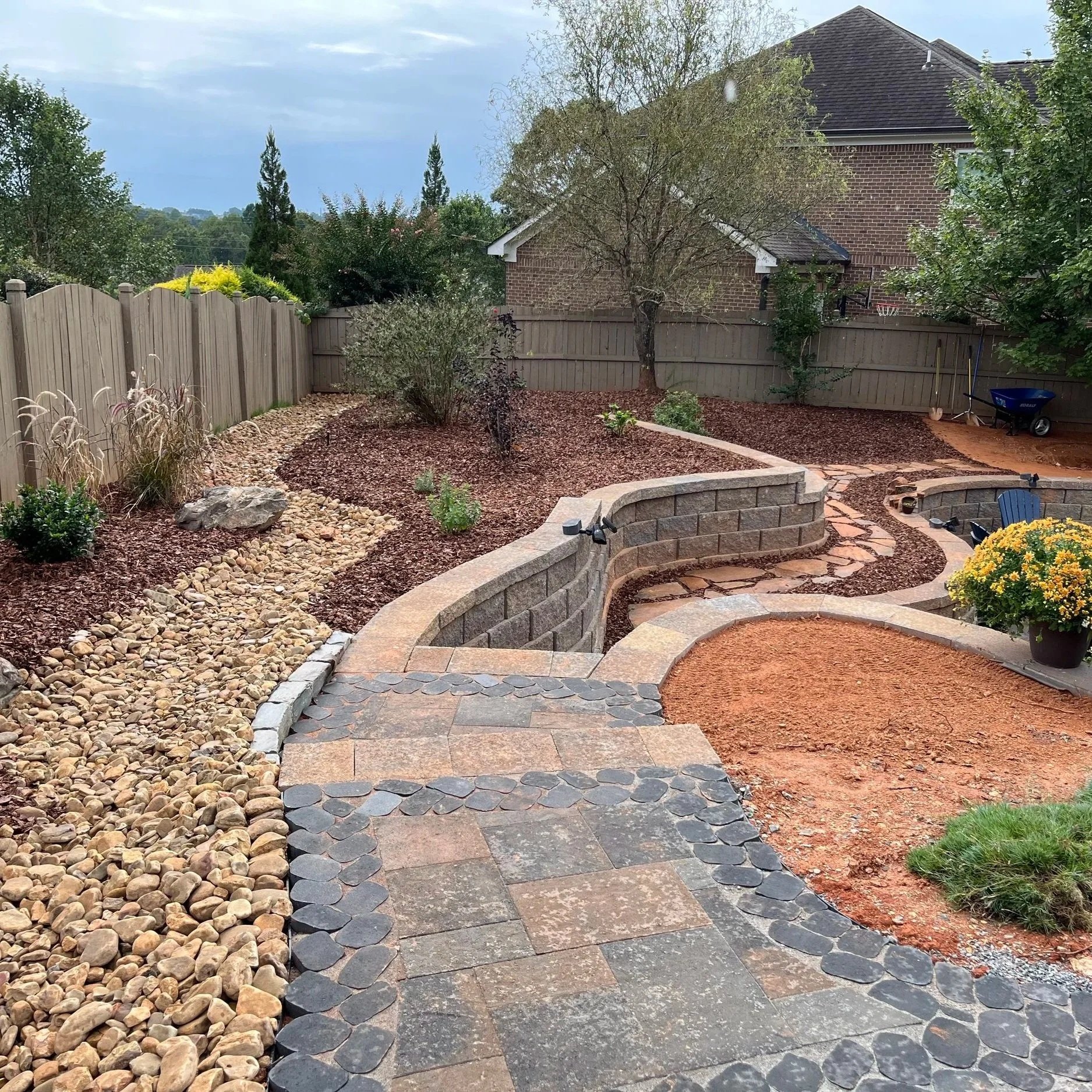
DIY paver installation in Gainesville, GA – combining creativity, savings, and personal satisfaction for beautiful backyard spaces.
Understanding Why DIY Paver Projects Appeal to Homeowners
DIY paver installation often appeals to Gainesville homeowners because it feels approachable on the surface. Pavers come neatly stacked, online tutorials make the process look straightforward, and the idea of saving on labor costs carries real weight. For smaller patios or garden paths, the work can appear manageable, especially for homeowners comfortable with weekend projects. There is also a sense of personal satisfaction that comes from building something tangible in your own yard. Completing a visible outdoor upgrade without hiring a contractor feels rewarding and gives homeowners a deeper connection to their space.
That appeal grows stronger in Gainesville, Georgia, where outdoor living spaces get used heavily for much of the year. Homeowners see patios and walkways daily, making the idea of building them personally even more enticing. DIY projects also offer flexibility in scheduling and design experimentation without the pressure of coordinating with a contractor. These advantages are real and worth acknowledging. However, understanding why DIY looks attractive is only the first step. The same factors that make paver projects seem accessible also mask the technical challenges that emerge later, often after the surface already looks finished.
Evaluating Cost Savings Versus Long-Term Expense
One of the biggest reasons homeowners consider DIY paver installation is the potential cost savings. Labor represents a significant portion of professional installation pricing, and removing that line item feels like an immediate win. Materials can often be sourced locally, and tool rentals appear manageable when spread over a few weekends. For homeowners working within a strict budget, DIY seems like a practical way to achieve a finished look without stretching finances too far.
The long-term cost picture looks different once performance and durability enter the equation. In Gainesville’s clay-heavy soil and wet weather patterns, small installation mistakes tend to compound over time. Issues like uneven settling, poor drainage, or joint failure rarely show up immediately. Repairs often require partial or complete teardown of the surface, which eliminates the original savings. Many homeowners who attempt DIY paver projects eventually hire professionals to correct underlying problems, paying twice for the same space. Evaluating cost requires looking beyond upfront spending and considering how well the installation will perform five or ten years down the line.
Understanding Base Preparation Complexity
Base preparation represents the most underestimated part of paver installation, particularly for DIY projects. From the surface, it looks like simple digging and gravel placement. In reality, base preparation requires precise excavation depth, material selection, layering, and compaction. Gainesville soil conditions complicate this further, as clay expands and contracts with moisture changes. A base that feels solid during dry weather may shift dramatically after heavy rain.
DIY installers often struggle with compaction consistency and depth control. Hand tampers rarely achieve the same density as professional compaction equipment, especially over larger areas. Improper base thickness allows pavers to settle unevenly, leading to low spots and pooling water. These issues usually appear months later, long after the work feels complete. Base preparation mistakes are difficult to fix without removing finished pavers, making them one of the most costly DIY errors. Understanding the complexity of what lies beneath the surface changes how approachable a project truly is.
Drainage Challenges Specific to Gainesville Yards
Drainage plays a critical role in paver performance, and Gainesville’s rainfall patterns expose weaknesses quickly. Water that does not drain properly undermines base layers, softens soil, and accelerates movement beneath the surface. DIY installers often focus on surface appearance and overlook how water travels before, during, and after storms. Even slight miscalculations in slope can redirect water toward foundations, gardens, or neighboring properties.
Professional installers evaluate entire sites rather than isolated areas. They consider roof runoff, yard grading, and soil absorption when designing drainage paths. DIY projects frequently treat drainage as an afterthought, relying on surface pitch alone. That approach works temporarily but fails under repeated heavy rain. Once drainage problems emerge, correcting them requires more than surface adjustments. Understanding drainage complexity helps homeowners see why professional planning carries long-term value in Gainesville environments.
Pattern Layout And Structural Implications
Paver patterns influence more than visual style. Certain layouts distribute weight more effectively and resist movement under foot traffic or vehicles. DIY installers often choose patterns based on appearance without understanding how they perform structurally. In Gainesville, where moisture softens base materials periodically, pattern choice becomes even more important. Layouts that lack interlock allow pavers to shift independently, increasing joint stress and surface distortion.
Professional installers select patterns that match the intended use of the space. Driveways, walkways, and patios each benefit from different layouts. DIY projects sometimes mix patterns or align them improperly with slope direction, creating weak points. These issues may not show immediately, but become evident as joints widen or pavers tilt. Understanding how patterns affect load distribution highlights the technical nature of what seems like a decorative decision.
Edge Restraints And Containment Issues
Edge restraints often receive little attention in DIY paver projects. Many homeowners assume pavers hold themselves in place once compacted. In reality, edge systems prevent lateral movement that gradually spreads surfaces outward. Gainesville’s wet soil conditions reduce natural resistance, making proper edge containment even more important. Without secure restraints, pavers migrate, joints open, and surfaces lose alignment.
DIY installers may skip edge restraints altogether or use lightweight options that lack durability. Over time, mower contact, foot traffic, and soil pressure compromise these systems. Professional installers anchor edges deeply and integrate them into the base structure. Fixing edge failures usually requires removing entire sections of pavers, making it one of the most frustrating DIY oversights. Edge containment illustrates how small shortcuts create large consequences later.
Tool Limitations And Learning Curve
DIY paver installation requires more than basic hand tools. Plate compactors, masonry saws, levels, and grading equipment all play important roles in achieving professional results. Renting equipment adds cost and complexity, while learning to use it effectively takes time. In Gainesville’s heat and humidity, working conditions also affect endurance and accuracy during long installation days.
The learning curve often leads to inconsistent results across a project. Early sections may differ from later ones as techniques improve mid-installation. Professional crews bring experience that produces consistent quality from start to finish. DIY installers must balance learning, physical effort, and precision simultaneously. Understanding tool limitations helps homeowners realistically assess whether a project aligns with their skills and patience.
Time Investment And Project Disruption
DIY paver projects often take longer than expected. What appears to be a weekend job stretches into weeks as weather, fatigue, and unexpected challenges intervene. In Gainesville, rain delays and soil moisture complicate scheduling further. Extended projects disrupt yard use and create an ongoing mess that affects daily routines.
Professional installation compresses timelines through experience and manpower. While DIY allows flexible scheduling, prolonged disruption becomes frustrating for many homeowners. Time investment includes not only installation but also research, material sourcing, and troubleshooting mistakes. Evaluating time realistically helps homeowners weigh whether savings justify the disruption.
Assessing Finish Quality And Long-Term Appearance
DIY paver installations often look acceptable immediately after completion, especially when viewed from a distance. Over time, small inconsistencies become more noticeable as weather, foot traffic, and soil movement reveal uneven joints, subtle height differences, and alignment drift. In Gainesville, Georgia, moisture cycles accelerate these changes, making minor imperfections more visible within a single season. Finish quality depends on consistent base preparation, accurate cutting, and careful joint compaction, all of which require practice to execute evenly across an entire surface.
Professional installers refine finish quality through repetition and experience. They recognize how pavers behave during compaction and how slight adjustments affect the final appearance. DIY projects frequently show variation where early sections differ from later ones as techniques evolve mid-project. While imperfections may not affect immediate usability, they influence long-term satisfaction. Homeowners often find that visual flaws become harder to ignore as the novelty of completion fades and everyday use highlights inconsistencies.
Maintenance Expectations After DIY Installation
Maintenance needs vary significantly depending on installation quality. DIY paver projects often require more frequent attention because joint materials loosen faster, edges shift, and drainage issues surface gradually. In Gainesville’s humid environment, organic debris and moisture accelerate joint erosion when installation tolerances are not tight. Homeowners may find themselves refilling joints, re-leveling pavers, or addressing pooling water sooner than expected.
Professional installations typically require less intervention during the first several years because systems account for environmental stress from the start. DIY maintenance becomes part of ownership, whether anticipated or not. Some homeowners enjoy ongoing tinkering, while others find it frustrating. Understanding maintenance demands helps clarify whether DIY aligns with personal expectations for long-term care rather than just initial construction effort.
Permitting And Code Awareness
Permitting and code considerations often get overlooked in DIY paver projects. In Gainesville, certain installations require permits depending on size, location, drainage impact, or proximity to structures. DIY installers may assume pavers fall outside regulatory oversight, only to encounter issues later during property sales or inspections. Lack of documentation creates complications that surface long after installation.
Professional contractors stay current on local requirements and handle documentation proactively. DIY homeowners bear responsibility for compliance and must research regulations independently. Misunderstandings lead to retroactive permitting or required modifications. Awareness of code implications represents another layer of complexity that extends beyond physical installation skills.
Problem Solving When Conditions Change
No two yards behave exactly as expected once excavation begins. Unexpected soil conditions, buried debris, or drainage anomalies require real-time decisions. DIY installers face these challenges without the benefit of prior experience, often making choices based on guesswork. In Gainesville, hidden clay pockets or uneven moisture retention complicate adjustments mid-project.
Professional installers draw on past projects to adapt quickly when conditions differ from plans. DIY problem-solving adds stress and increases the risk of long-term issues. Some homeowners enjoy tackling unforeseen challenges, while others feel overwhelmed. Recognizing how often conditions change helps set realistic expectations for DIY success.
Weighing Personal Satisfaction Against Practical Outcomes
Completing a DIY paver project brings undeniable satisfaction. The sense of accomplishment and personal investment carries emotional value that professional installation cannot replicate. For small, low-risk projects, that satisfaction may outweigh potential drawbacks. Gainesville homeowners who enjoy hands-on work and accept imperfections often find DIY worthwhile.
Practical outcomes matter just as much. Larger projects, high-traffic areas, or spaces near structures carry a higher risk when installation falls short. Professional work prioritizes durability, drainage, and long-term performance. Balancing emotional reward with practical consequences helps homeowners decide where DIY makes sense and where professional expertise provides better value.
Understanding When Professional Installation Becomes The Better Choice
Certain scenarios favor professional installation strongly. Driveways, sloped areas, and spaces with drainage challenges demand technical precision. In Gainesville’s climate, these factors magnify installation errors quickly. Homeowners often underestimate how much experience influences outcome until problems appear.
Professional installers offer predictability, warranties, and accountability. DIY projects offer flexibility and cost control but shift responsibility entirely to the homeowner. Understanding where the tipping point lies between manageable DIY work and professional necessity leads to better decisions and fewer regrets over time.
FAQs
Small projects like garden paths or minor patios can be realistic for DIY if drainage and base preparation receive proper attention. Larger or load-bearing areas carry a greater risk.
Longevity depends on installation quality. Well-executed DIY jobs can last many years, but mistakes often shorten lifespan significantly in Gainesville’s soil and weather conditions.
Initial savings are common, but long-term costs increase if repairs or reinstallation become necessary. Many homeowners underestimate future expenses tied to early shortcuts.
Inadequate base preparation causes most failures. Insufficient depth or compaction leads to settling, drainage issues, and surface movement.
Avoid DIY for driveways, steep slopes, or areas near foundations. These installations require technical expertise to perform reliably over time.
