
How To Incorporate Paver Edging Around Gardens in Gainesville
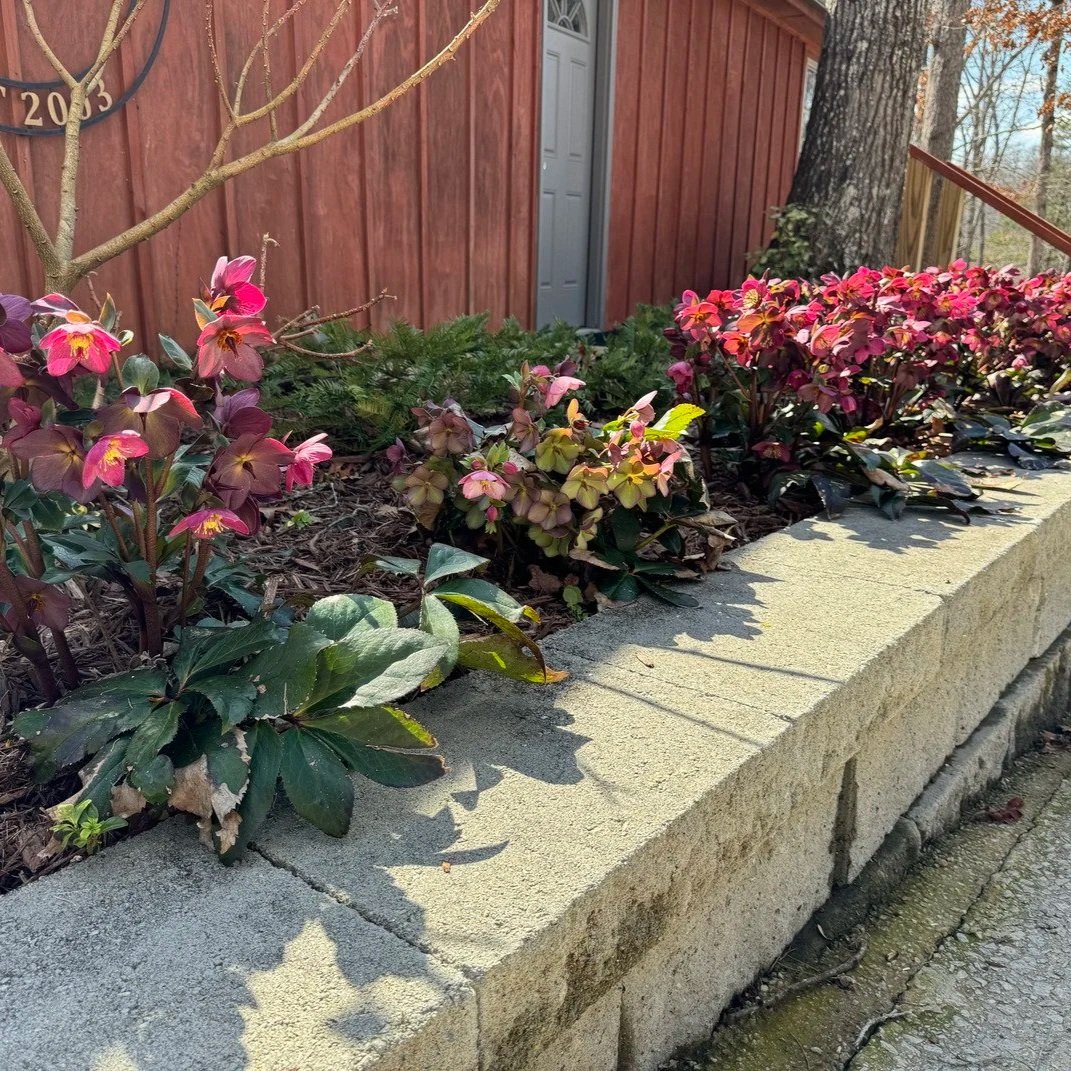
Functional paver edging in Gainesville gardens prevents soil migration, protects turf, and enhances long-term landscape stability.
Understanding Why Garden Edging Matters More Than Appearance
Paver edging around gardens does far more than create a clean visual line between planting beds and lawn or hardscape. In Gainesville, Georgia, edging plays a functional role in managing soil movement, water flow, and long-term landscape stability. Heavy rainfall common to the area pushes soil outward from garden beds, especially when mulch and amended soil sit higher than the surrounding ground. Without proper edging, that soil migrates into turf or adjacent paved areas, creating a mess, uneven grades, and constant cleanup. Over time, those shifts alter drainage patterns and place stress on nearby surfaces that were never designed to hold back garden soil.
Experienced landscapers approach paver edging as a structural boundary rather than a decorative trim. A well-installed edge helps gardens hold their shape season after season, even as plants mature and root systems expand. Edging reduces erosion, keeps mulch where it belongs, and limits encroachment that can choke turf or stain nearby patios. In Gainesville’s humid climate, where organic material breaks down quickly and soil stays loose for long periods, edging provides containment that supports both plant health and overall landscape order. Treating edging as a functional system rather than a finishing touch leads to cleaner, more durable garden layouts.
Evaluating Garden Grade And Soil Behavior Before Edging
Before choosing any paver edging style, understanding how the garden bed sits relative to surrounding areas becomes essential. Gardens in Gainesville often sit slightly elevated to improve drainage for plants, but that elevation creates outward pressure on edges during rain. Clay-heavy native soil combined with lighter amended garden soil behaves differently when saturated, leading to uneven movement along bed borders. Installing edging without accounting for grade differences almost always results in soil spilling over or edging that shifts out of alignment.
Professional installers assess slope, soil composition, and water flow patterns before defining edge placement. They consider how runoff moves through the yard during heavy storms and where soil naturally wants to travel. Edging installed too shallow or without a proper base allows soil to creep beneath it, undermining stability. When grade transitions receive proper attention, edging supports the garden without acting as a dam that traps water. Thoughtful evaluation at this stage prevents common failures that appear months after installation when soil settles and reshapes itself under weather pressure.
Choosing Paver Materials That Complement Garden Conditions
Material selection for garden edging involves more than matching color to nearby hardscape. Pavers used around gardens must tolerate constant moisture exposure, contact with soil, and pressure from roots over time. In Gainesville, humidity and rainfall accelerate wear on lower-quality materials, especially those with porous surfaces that absorb moisture. Edging pavers should resist degradation while maintaining consistent shape and alignment.
Installers often recommend concrete pavers or natural stone with proven durability in ground-contact applications. Thickness matters, as thinner units shift more easily under soil pressure and foot traffic near garden beds. Surface texture also plays a role, particularly where edging borders walkways or mowing areas. Choosing materials suited to garden environments supports longevity and reduces maintenance demands. When edging materials perform well under constant environmental stress, gardens maintain clean lines without frequent repairs or adjustments.
Defining Straight Versus Curved Edging Layouts
The shape of garden edging influences both aesthetics and structural performance. Straight edges create a formal appearance and often work well along patios, fences, or property lines. Curved edges feel more natural and suit organic garden designs, but they introduce additional installation considerations. In Gainesville landscapes, curved edging must accommodate soil movement and water flow without creating weak points where pressure concentrates.
Installers plan curved layouts carefully, adjusting base preparation and joint spacing to maintain stability. Tight curves require smaller paver units or precise cutting to avoid gaps that invite soil intrusion. Straight edges rely on consistent alignment and anchoring to prevent shifting. Shape selection should reflect garden design goals while acknowledging how different layouts respond to environmental forces. A well-executed curve or straight line supports both visual appeal and long-term performance when planned with intention.
Base Preparation For Long-Lasting Garden Edging
Even small edging projects rely on proper base preparation to perform well over time. Garden edging often fails because installers underestimate the forces acting against it. Soil pressure, root growth, foot traffic, and mower contact all stress edging systems. In Gainesville, frequent rain further softens the soil, increasing movement potential. A shallow or poorly compacted base allows edging to tilt, sink, or separate within a single growing season.
Professional installation involves excavating a trench deep enough to anchor the edging securely. Compacting a stable base layer creates resistance against soil movement and helps distribute pressure evenly. Base preparation also establishes consistent elevation, preventing sections from rising or falling independently. While the base remains hidden after installation, its quality determines whether edging maintains clean lines or becomes a maintenance headache. Investing effort below ground pays dividends in long-term stability above it.
Managing Water Flow At Garden Edges
Water movement presents one of the biggest challenges for garden edging in Gainesville. Rainwater often collects at bed edges, especially where garden soil sits higher than adjacent surfaces. Without proper planning, edging can trap water against plant roots or redirect runoff toward patios and foundations. Edging should guide water naturally rather than obstruct it.
Installers evaluate how water approaches and leaves the garden bed during heavy rain. Slight elevation changes and drainage paths help water move away without eroding soil. Joint spacing and base materials influence how moisture dissipates beneath the edging. Effective water management preserves both plant health and edging stability. Gardens that drain well retain their shape and reduce erosion-related maintenance over time.
Integrating Edging With Lawn Maintenance Practices
Garden edging must coexist with regular lawn care, including mowing and trimming. Poorly planned edging creates obstacles that complicate maintenance and lead to accidental damage. In Gainesville, where lawns grow aggressively during warm months, edging should provide a clear boundary that reduces trimming effort rather than increasing it.
Installers consider mower clearance, trimmer access, and foot traffic when setting edging height and placement. The edging set too high catches mower decks, while edging too low allows grass to creep into beds. Proper alignment supports clean cuts and reduces the need for constant touch-ups. When edging integrates smoothly with lawn maintenance routines, gardens stay defined with less effort from homeowners.
Accounting For Root Growth And Plant Maturity
Garden edging must accommodate how plants grow over time, not just how beds look on installation day. In Gainesville, Georgia, warm temperatures and ample rainfall encourage rapid root development that pushes outward against garden borders. Shrubs, perennials, and even ornamental grasses exert slow but steady pressure that can shift poorly supported edging. Ignoring root behavior often leads to edging that bows outward or lifts unevenly, breaking the clean lines homeowners expect.
Experienced installers consider plant selection and spacing when planning paver edging. They anticipate how roots spread and how soil volume increases as plants mature. Deeper base preparation and stronger edge containment help resist that pressure without restricting healthy growth. Edging that allows for natural expansion while maintaining alignment supports both plant vitality and landscape structure. Long-term success depends on treating gardens as living systems rather than static displays.
Using Edging To Control Mulch And Soil Migration
Mulch plays an important role in garden health, but it also presents containment challenges. In Gainesville, heavy rain displaces mulch easily, washing it onto lawns, walkways, and patios when edging fails. Soil migration follows a similar pattern, particularly in beds with amended soil that differs from native ground. Without a defined barrier, gardens lose material while surrounding areas collect debris.
Paver edging acts as a physical stop that keeps mulch and soil where they belong. Installers design edging height and depth to match mulch volume and anticipated movement. Too shallow, and mulch spills over during storms. Too tall, and edging interferes with water flow and mowing. Properly proportioned edging balances containment with function, reducing cleanup and preserving garden appearance after heavy rain.
Transitioning Between Gardens And Hardscape Surfaces
Gardens often sit adjacent to patios, walkways, or driveways, making edging a critical transition element. In Gainesville landscapes, these transitions experience frequent moisture exposure and foot traffic. Without stable edging, soil seeps onto hard surfaces, creating staining and uneven edges that detract from the overall appearance. Edging bridges the gap between softscape and hardscape, protecting both areas.
Installers coordinate edging elevation with adjacent surfaces to prevent trip hazards and water pooling. Alignment matters, as even slight mismatches become more noticeable over time. Well-integrated transitions support drainage while maintaining visual continuity. When edging functions as a connector rather than a divider, gardens and hardscape coexist more gracefully.
Choosing Between Raised And Flush Edging Profiles
Edging profile influences how gardens interact with their surroundings. Raised edging creates a defined border that highlights garden beds and contains material effectively. Flush edging offers a subtler look that blends seamlessly into lawns or paths. Each profile performs differently under Gainesville conditions, especially during heavy rain and active growing seasons.
Installers help homeowners select profiles based on maintenance preferences and garden use. Raised edging offers stronger containment but may require more careful mowing. Flush edging simplifies maintenance but demands precise installation to prevent grass encroachment. Profile choice affects both function and aesthetics, making it an important decision rather than a cosmetic one.
Maintenance Considerations For Paver Garden Edging
Even well-installed paver edging benefits from periodic attention. In Gainesville’s climate, organic debris, moisture, and plant growth influence how edging performs over time. Joint areas may collect soil or mulch, while seasonal expansion shifts pressure along the border. Maintenance focuses on preserving alignment and keeping joints clear rather than constant repair.
Installers who plan for maintenance choose materials and installation methods that tolerate minor adjustments without compromising structure. Occasional inspection after heavy rain allows homeowners to address small issues early. Edging that receives light, regular care maintains its appearance and function far longer than neglected systems. Maintenance becomes a manageable routine rather than a recurring problem.
Blending Edging With Overall Landscape Design
Garden edging should complement the broader landscape rather than stand out as an isolated feature. In Gainesville yards, where gardens, lawns, trees, and hardscape intertwine, edging choices influence visual flow. Color, texture, and scale all affect how borders read within the landscape. Poorly chosen edging draws attention away from plants rather than framing them.
Installers guide homeowners toward edging that supports design goals without overpowering the garden. Consistency with nearby materials creates cohesion, while subtle contrasts add definition. Blending edging into the landscape reinforces the garden as part of a unified outdoor space rather than a separate element. Thoughtful design elevates both function and appearance.
Understanding When Reinforced Edging Is Necessary
Some garden beds require additional reinforcement due to slope, soil conditions, or plant selection. In Gainesville, gardens on inclines experience greater soil movement, increasing pressure on edging. Beds filled with heavier soil mixes or densely planted areas also exert more force over time. Reinforced edging solutions address these challenges proactively.
Installers assess when deeper footings, concrete backing, or thicker pavers provide added stability. Reinforcement reduces long-term shifting and minimizes maintenance demands. Knowing when standard edging suffices and when reinforcement adds value helps homeowners invest wisely. Reinforced edging supports gardens that face higher environmental stress without sacrificing appearance.
Coordinating Edging Installation With Seasonal Timing
Timing influences edging performance, particularly in climates with distinct wet and dry periods. In Gainesville, installing edging during excessively wet conditions complicates base preparation and compaction. Soil that appears firm may settle later as moisture levels change. Seasonal timing affects how well edging sets and maintains alignment.
Installers schedule edging work to align with favorable conditions whenever possible. Proper timing allows bases to compact effectively and materials to settle evenly. While edging can be installed year-round with proper technique, seasonal awareness improves outcomes. Timing considerations reflect professional judgment shaped by local experience rather than rigid scheduling.
FAQs
Depth depends on soil conditions, slope, and plant pressure. Most paver edging installations require a compacted base deep enough to resist soil movement and root expansion for long-term stability.
Yes, curved designs work very well. Using smaller pavers or cutting pavers precisely helps maintain tight joints and prevents soil from washing through gaps along the curve.
Yes, edging can influence how water flows at flowerbed edges. Proper installation ensures drainage continues smoothly while reducing erosion and preventing excess water from pooling near plant roots.
High-quality paver edging can last many years with minimal upkeep. The longevity mainly depends on the base preparation, paver material, and the site’s soil and moisture conditions.
Paver edging offers superior durability and an upgraded appearance. Unlike lightweight plastic or thin metal, pavers resist shifting, weathering, and impact, providing a long-lasting garden border.
