
How To Add Paved Seating Areas to Gainesville Patios
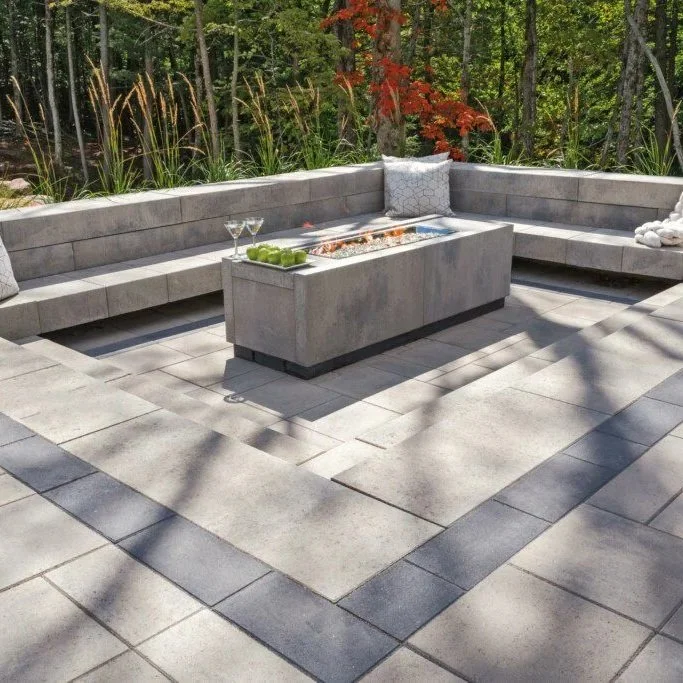
Thoughtfully designed paved seating areas enhance patio function, traffic flow, and year-round comfort in Gainesville, GA outdoor spaces.
Understanding How Seating Areas Change Patio Function
Adding a paved seating area does more than provide a place to set chairs. It reshapes how a patio functions day to day and how people naturally move through the space. In Gainesville, GA, patios often serve multiple roles, from casual family hangouts to larger gatherings that spill outdoors during warm months. A seating area introduces a defined destination within the patio, giving structure to what might otherwise feel like an open slab. That definition affects traffic flow, furniture placement, and how the space gets used throughout the year. Without intentional planning, seating areas can feel cramped, disconnected, or awkwardly placed in relation to doors, grills, or shade structures.
Experienced installers look at seating areas as functional zones rather than decorative additions. They consider how people enter the patio, where they pause, and how furniture arrangements evolve over time. A paved seating area should feel naturally integrated rather than added on as an afterthought. In Gainesville’s climate, where outdoor use extends well into fall and resumes early in spring, comfort and accessibility matter as much as appearance. Thoughtful placement supports long-term enjoyment and avoids common frustrations like blocked walkways or furniture constantly being rearranged to make the space usable.
Evaluating Patio Conditions Before Expanding With Seating
Every patio presents different constraints that influence how a seating area can be added successfully. Existing slope, drainage behavior, and surface condition all determine what modifications make sense. In Gainesville, patios often sit on clay-heavy soil that reacts noticeably to moisture changes. Adding a seating area without accounting for how the existing patio handles water can introduce pooling, uneven settlement, or accelerated wear. Before any design decisions take shape, installers evaluate how the patio performs during heavy rain and extended dry periods.
Surface integrity also matters. Older patios may show subtle cracking, settling, or drainage issues that become more pronounced when new paved sections tie into them. Seating areas place concentrated weight in one location due to furniture and foot traffic, amplifying any weaknesses beneath the surface. Skilled professionals assess whether the existing patio base can support expansion or if selective reconstruction is necessary. Addressing these factors early prevents future problems that undermine both the new seating area and the original patio.
Choosing the Right Paver Type for Seating Comfort
Paver selection influences how comfortable and inviting a seating area feels. Seating zones experience different stress than walkways or driveways, but comfort and surface temperature become more noticeable. In Gainesville, summer heat can make certain materials uncomfortable underfoot, especially in full sun. Textured pavers that work well for traction may feel harsh when used beneath chairs and bare feet. Smooth finishes offer comfort but require careful selection to avoid becoming slippery during humid or wet conditions.
Installers guide homeowners toward pavers that balance comfort, durability, and maintenance. Thicker pavers resist movement beneath furniture legs, reducing wobble and surface wear. Color choice also affects heat absorption, with lighter tones staying cooler during peak summer afternoons. A seating area should invite people to linger rather than encourage them to move due to discomfort. Material selection plays a larger role in that experience than many homeowners initially expect.
Understanding Base Preparation for Seating Zones
Even though seating areas do not carry vehicle loads, base preparation remains critical to long-term performance. Concentrated weight from furniture and repeated foot traffic apply stress differently than dispersed walking paths. In Gainesville’s soil conditions, insufficient base depth leads to subtle settling that causes chairs to rock and tables to feel unstable. These issues rarely appear immediately but develop gradually as moisture cycles affect the underlying soil.
Experienced installers tailor base construction to the specific demands of seating areas. They compact layers carefully to create a stable platform that resists movement without overbuilding unnecessarily. Proper base design isolates the seating surface from soil expansion and contraction while supporting consistent elevation across the area. When base preparation aligns with actual use patterns, seating areas remain comfortable and level through seasonal changes rather than requiring frequent adjustment or repair.
Defining Seating Areas Through Layout and Shape
The shape of a seating area influences how it functions within the larger patio. Circular, curved, or rectangular layouts each create different visual and social dynamics. In Gainesville patios, seating areas often serve as focal points where conversation naturally gathers. Shape selection should reflect how many people the area accommodates and how furniture arrangements evolve over time. A shape that looks appealing on paper may feel restrictive once chairs and tables occupy the space.
Installers with experience help homeowners visualize real-world use rather than static layouts. They consider how people move chairs, how pathways remain open, and how the seating area interacts with nearby features like fire pits or outdoor kitchens. Defined shapes subtly guide movement without requiring physical barriers. Proper layout enhances flow and keeps the seating area feeling intentional rather than crowded or isolated.
Managing Drainage Around Seating Areas
Drainage becomes especially important where people sit for extended periods. Water that pools beneath chairs or flows through seating zones undermines comfort and accelerates surface wear. Gainesville’s frequent rain makes drainage planning essential rather than optional. Seating areas often sit slightly lower than surrounding features, increasing the risk of collecting runoff if grading does not account for water movement.
Installers evaluate how water approaches and leaves the seating area during heavy rain. Subtle slope adjustments direct water away without making the surface feel uneven. Joint materials and base layers also play a role in managing moisture beneath the surface. Seating areas that dry quickly after rain remain usable and pleasant, while poorly drained areas discourage use and invite long-term structural issues.
Integrating Seating Areas With Existing Patio Design
A seating area should feel like a natural extension of the patio rather than a mismatched addition. Integration involves aligning materials, patterns, and elevation transitions so the space reads as cohesive. In Gainesville homes, patios often connect indoor living areas to outdoor landscapes, making visual continuity important. Poor integration results in abrupt transitions that disrupt flow and diminish overall appeal.
Installers coordinate pattern alignment, joint spacing, and color variation to blend new seating areas with existing surfaces. Elevation changes require careful treatment to avoid trip hazards while maintaining visual harmony. Integrated design supports both aesthetics and usability, reinforcing the patio as a unified space rather than a collection of disconnected elements.
Accounting For Furniture Weight And Movement Patterns
Seating areas experience a different kind of wear than other patio sections because furniture concentrates weight in smaller contact points. Chair legs, table bases, and foot traffic around seating clusters apply repeated pressure to the same locations. In Gainesville, GA, where soil moisture fluctuates throughout the year, those pressure points reveal weaknesses quickly if the surface lacks proper support. Slight settling beneath a chair leg may seem minor at first, but over time, it creates uneven seating and encourages people to reposition furniture constantly, accelerating wear across the area.
Installers who understand these dynamics design seating areas with furniture behavior in mind. They allow adequate space for movement so chairs can slide without catching edges or joints. Surface tolerance matters as much as strength, since rigid designs amplify minor imperfections. By anticipating how furniture shifts during gatherings, installers create seating zones that remain stable and comfortable rather than showing early signs of distress. Planning for movement supports long-term usability rather than short-term appearance.
Using Borders And Transitions To Anchor Seating Zones
Borders serve both visual and structural purposes when defining paved seating areas. A well-designed border separates seating zones from walkways or open patio space while reinforcing edge stability. In Gainesville patios, borders help manage subtle elevation changes and protect seating areas from encroaching traffic. Without clear transitions, seating zones may feel undefined and vulnerable to surface movement as foot traffic cuts across corners.
Experienced installers select border materials that complement the main pavers while offering increased durability. Borders often feature contrasting colors or textures to visually anchor the space without overwhelming it. Structurally, borders reinforce edges that experience frequent movement from chairs and foot traffic. When borders function as both design elements and structural support, seating areas retain their shape and definition over time.
Considering Shade And Exposure When Placing Seating Areas
Sun exposure affects how often a seating area gets used, especially during Gainesville’s hot summers. A beautifully paved seating zone loses appeal when direct sunlight makes it uncomfortable for much of the day. Placement decisions should account for existing shade from trees, structures, or planned additions like pergolas. Shade influences not only comfort but also surface temperature and material wear.
Installers with local experience evaluate how sunlight moves across the patio throughout the day. They help homeowners position seating areas where shade naturally occurs during peak use times. Material choice interacts with exposure as well, since darker pavers absorb more heat. Strategic placement improves comfort while extending the lifespan of surface materials that otherwise endure constant thermal stress.
Addressing Accessibility And Flow Around Seating Areas
Seating areas should feel accessible rather than isolated. Pathways connecting doors, grills, and other patio features must remain clear even when seating areas are in use. In Gainesville homes, patios often host gatherings where people circulate frequently, making flow essential to comfort and safety. Poorly planned seating areas block natural routes and create congestion that discourages use.
Installers consider circulation patterns when laying out seating zones. They maintain adequate clearance for walking paths and avoid placing seating directly in high-traffic corridors. Accessibility includes accommodating varying mobility needs without calling attention to them. Thoughtful spacing and transitions support inclusive use while preserving the patio’s overall rhythm.
Long-Term Maintenance Expectations For Paved Seating Areas
Seating areas experience consistent use, making maintenance planning important from the outset. In Gainesville’s climate, moisture and organic debris affect joints and surface cleanliness more quickly in areas where people sit. Leaves, pollen, and food spills accumulate beneath furniture, creating conditions that require routine attention. Ignoring these realities leads to discoloration and joint degradation that detract from comfort.
Installers who design seating areas with maintenance in mind select joint materials and paver finishes that tolerate frequent cleaning. They also guide homeowners on realistic upkeep routines that preserve appearance and performance. When maintenance aligns with actual use, seating areas remain inviting rather than becoming neglected corners of the patio.
Blending Seating Areas With Landscaping Elements
Landscaping influences how seating areas feel and perform over time. Plants provide shade, visual softness, and privacy, but they also introduce moisture and organic debris. In Gainesville, lush landscaping thrives alongside patios, requiring careful coordination to avoid water intrusion beneath seating areas. Root systems, irrigation overspray, and leaf drop all affect surface stability and cleanliness.
Experienced installers collaborate with landscape plans to balance greenery and hardscape performance. They position seating areas to benefit from landscaping without exposing them to excessive moisture or debris accumulation. Integration supports a cohesive outdoor environment where seating areas feel connected to nature without sacrificing durability.
Understanding When Built-In Seating Makes Sense
Some patios benefit from built-in seating elements that integrate directly into the paved surface. Benches, seat walls, and ledges provide permanent seating without relying solely on furniture. In Gainesville patios, built-in seating works well when space constraints limit furniture placement or when homeowners want defined gathering spots. These features require additional structural planning since they introduce vertical loads and concentrated weight.
Installers assess whether built-in seating aligns with how homeowners use the space. Permanent features offer stability but reduce flexibility, making careful placement essential. When designed thoughtfully, built-in seating enhances functionality while complementing paved seating areas rather than competing with them.
Planning For Seasonal Use And Flexibility
Gainesville’s mild seasons encourage extended outdoor use, making flexibility important in seating area design. Seating zones should accommodate different arrangements as needs change throughout the year. Movable furniture, adaptable layouts, and durable surfaces support seasonal variation without compromising structure.
Installers who understand long-term use patterns design seating areas that evolve with homeowners rather than locking them into a single configuration. Flexibility supports longevity by reducing the temptation to modify surfaces later. When seating areas adapt easily, they remain relevant and functional across seasons.
FAQs
Seating area size depends on furniture layout and expected use. Adequate space allows chairs to move comfortably without blocking pathways or crowding the patio.
Seating areas often benefit from tailored base preparation to handle concentrated weight and repeated movement. Adjustments improve stability and comfort over time.
Pavers with balanced texture provide comfort underfoot while offering traction during wet conditions. Lighter colors reduce heat absorption during summer.
Many patios can accommodate seating area additions, but existing surface conditions and drainage behavior determine whether partial reconstruction is needed.
Seating areas change how water moves across the patio surface. Proper grading and joint selection prevent pooling and support quick drying after rain.
