
How To Build Durable Paver Driveways for Gainesville Weather
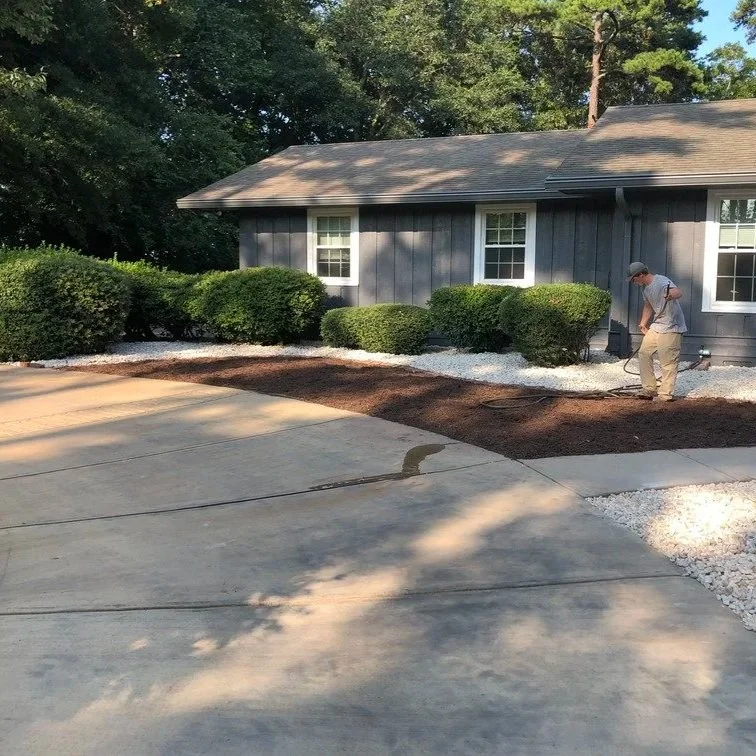
Building a resilient paver driveway in Gainesville requires proper base, drainage, and materials to handle local weather stresses.
Understanding Why Gainesville Weather Demands Specialized Driveway Design
Gainesville, Georgia, weather places unique stress on driveway surfaces that many homeowners underestimate when planning paver installations. Heavy rain events arrive quickly and often, saturating soil and testing drainage systems beneath the surface. Summer heat bakes exposed materials for months at a time, while occasional cold snaps introduce expansion and contraction that challenge poorly built bases. A driveway experiences more abuse than patios or walkways because it supports vehicle weight, braking forces, and repeated turning stress. Weather magnifies those forces by weakening soil when wet and hardening it unevenly during dry periods, creating conditions that reveal installation shortcuts long after the driveway looks finished.
Durable paver driveways begin with an understanding that weather and load interact continuously. Rain does not simply run off the surface. It infiltrates joints, reaches the base, and influences how soil behaves beneath the system. Heat affects paver expansion and joint material stability, while moisture variation changes friction within base layers. Contractors who build durable driveways in Gainesville account for these cycles from the start rather than reacting to failures later. Treating weather as a design factor rather than an inconvenience separates long-lasting installations from those that require constant correction.
Evaluating Soil Conditions Before Any Excavation Begins
Soil conditions in Gainesville play a decisive role in driveway performance. Much of the region contains clay-heavy soil that expands when wet and contracts as it dries. That movement transfers stress directly into the driveway structure, particularly when vehicles apply concentrated loads. Without proper preparation, clay soil shifts unevenly, causing depressions, edge movement, and joint separation that worsen with each seasonal cycle. Understanding soil behavior informs every decision that follows, from excavation depth to base material selection.
Professional installers evaluate soil during planning rather than discovering issues mid-installation. They assess drainage characteristics, compaction resistance, and moisture retention to determine how aggressively the base must counteract movement. Clay soil often requires deeper excavation and layered compaction to create a stable platform that isolates the paver system from subgrade changes. Homeowners rarely see this work once completed, but soil preparation determines whether a driveway remains flat and aligned or develops visible defects over time. Durable driveway construction begins below the surface, where weather and soil interact most aggressively.
Designing Base Layers That Handle Rainfall and Load
Base construction carries more responsibility in driveway installations than in any other paver application. In Gainesville, rainwater infiltration challenges base stability by reducing friction between particles and increasing pressure within the soil. A driveway base must resist both downward vehicle loads and lateral movement caused by saturated conditions. Depth, material type, and compaction technique all influence how the base performs during heavy rain and extended dry periods.
Installers experienced with Gainesville weather build bases using angular aggregates that lock together under compaction rather than rounded materials that shift under stress. Each layer receives thorough compaction to create friction that resists movement even when moisture levels rise. Base depth increases compared to patios to distribute vehicle loads across a wider area, reducing stress concentration. Poor base design often looks acceptable initially but fails gradually as rainfall cycles weaken structural resistance. Durable paver driveways rely on base systems engineered to withstand weather-driven stress rather than meeting minimal installation standards.
Choosing Pavers Designed for Vehicle Traffic
Not all pavers perform equally under vehicle load, especially when weather introduces additional stress. Driveway pavers must support repeated weight, turning forces, and braking pressure without cracking or deforming. In Gainesville, heat exposure intensifies surface stress while moisture affects joint stability beneath. Pavers designed specifically for driveways feature higher compressive strength and consistent thickness that promotes even load distribution across the base.
Installers guide homeowners away from decorative pavers intended for walkways or patios when planning driveways. Those products often lack the structural capacity needed for vehicle traffic and weather exposure. Durable driveway pavers balance strength with surface texture that provides traction during rain. Selecting the right paver reduces reliance on joint material for stability and improves long-term performance. Material choice influences how well the driveway tolerates both environmental exposure and daily use without visible deterioration.
Understanding Pattern Selection and Load Distribution
Pattern selection affects how paver driveways handle vehicle stress, particularly under wet conditions. Certain layouts distribute force more effectively by interlocking pavers in multiple directions, reducing the likelihood of movement under turning tires. In Gainesville, where rain frequently coincides with driveway use, patterns that resist shear forces perform better over time. Linear patterns aligned with vehicle travel tend to shift more easily, especially when the joint material softens during prolonged moisture exposure.
Experienced installers select patterns that prioritize structural performance rather than visual simplicity. Herringbone-style layouts provide superior interlock, transferring force across the surface instead of allowing localized displacement. Pattern choice also influences how water moves across joints, affecting erosion potential within the base. Homeowners benefit when pattern discussions include performance considerations tied to weather and use rather than focusing solely on appearance. Pattern selection becomes a functional decision that supports durability in Gainesville conditions.
Managing Drainage to Protect the Driveway Structure
Drainage design represents one of the most critical factors in building durable paver driveways for Gainesville's weather. Rainwater must move off the surface efficiently without undermining base layers or concentrating flow at vulnerable points. Poor drainage accelerates joint erosion, base saturation, and soil instability, leading to surface deformation that worsens with each storm. Effective drainage design considers slope, transitions, and discharge points rather than relying solely on surface pitch.
Installers evaluate how water enters and exits the driveway area, including runoff from roofs, yards, and adjacent hardscape. Subtle grading adjustments guide water away from the driveway while preserving usability. In some cases, drainage channels or collection areas manage heavier flow without disrupting the paver field. Durable driveways integrate drainage planning into the overall design rather than treating it as an afterthought. Water control protects both the surface and the structural layers beneath, extending service life in a climate defined by frequent rainfall.
Edge Restraints as Structural Anchors for Driveways
Edge restraints perform a structural role in paver driveways, particularly under Gainesville weather conditions. Vehicle traffic exerts outward pressure that pushes pavers toward the edges, while saturated soil reduces resistance against that movement. Without reinforced edge systems, the driveway gradually spreads, opening joints and destabilizing the surface. Edge restraints counteract these forces by anchoring the paver field to the surrounding structure.
Installers experienced with driveway construction use heavy-duty restraints anchored deeply into the base or supported by concrete. These systems transfer stress away from surface joints and into the underlying structure, preventing migration during wet conditions. Edge restraint placement accounts for slope, traffic patterns, and drainage flow to avoid undermining support. Homeowners rarely notice edge systems once installed, but they play a decisive role in whether a driveway maintains alignment year after year.
Joint Material Selection and Compaction for Weather Resistance
Joint material plays a larger role in driveway durability than many homeowners realize, especially in Gainesville’s climate. Rainfall repeatedly washes over driveway surfaces, testing how well joint material resists erosion and displacement. Traditional loose sand shifts easily when saturated, allowing pavers to move under vehicle load and opening gaps that collect water. Over time, those gaps accelerate wear throughout the system, concentrating stress where joints lose integrity. Durable paver driveways rely on joint materials designed to harden after compaction, creating internal cohesion that holds pavers firmly in place.
Installers who build for Gainesville weather compact joint material in multiple passes, allowing it to settle fully between pavers before final stabilization. Proper compaction limits water penetration and distributes surface loads evenly. Joint material selection must align with paver type, pattern, and drainage design to perform effectively. When joint systems function correctly, they support the surface during heavy rain and reduce maintenance demands. Neglecting joint performance often leads to early failure even when pavers and bases meet structural standards.
Accounting for Thermal Expansion and Seasonal Movement
Temperature variation affects driveway performance in subtle but important ways. Gainesville experiences extended heat during the summer months that causes materials to expand, followed by cooler periods that allow contraction. While these changes appear minor, repeated cycles influence joint stability and surface alignment. Paver systems accommodate movement more effectively than rigid concrete, but only when installation allows for controlled expansion rather than uncontrolled shifting.
Experienced installers design driveways with appropriate spacing, flexible joint systems, and edge restraints that absorb movement without cracking. Weather-driven expansion affects both pavers and base materials, requiring coordination between layers. Ignoring thermal behavior leads to compression at edges or joint blowout during peak heat. Driveways built with movement in mind age more predictably, maintaining smooth transitions across seasons rather than developing visible stress points that compromise appearance and usability.
Surface Texture and Traction During Wet Conditions
Traction becomes a practical safety concern for driveways exposed to frequent rain. Smooth paver surfaces may appear attractive when dry but become slippery when wet, particularly on sloped approaches. Gainesville’s humidity extends drying times after storms, increasing exposure to slick conditions. Durable driveway design considers surface texture as part of weather performance rather than a purely aesthetic choice.
Installers recommend pavers with textured finishes or chamfered edges that improve grip underfoot and under tires. Joint spacing also influences traction by breaking up the surface water film during rain. Traction considerations extend beyond immediate safety to long-term wear, as polished surfaces lose friction over time. Selecting pavers that balance durability with grip improves daily usability while supporting performance during Gainesville’s wet seasons.
Maintenance Planning for Long-Term Driveway Performance
Durable paver driveways still require routine attention, especially in climates defined by frequent rainfall. Maintenance focuses on preserving joint integrity, managing drainage paths, and monitoring edge stability. Gainesville homeowners benefit when installers discuss maintenance expectations upfront rather than presenting driveways as maintenance-free. Understanding how weather influences wear patterns helps homeowners address minor issues before they escalate.
Installers who build with maintenance in mind often design systems that simplify upkeep, reinforcing high-stress areas and selecting materials that tolerate moisture exposure. Periodic inspection following heavy storms allows homeowners to correct joint displacement or debris accumulation early. Maintenance becomes a preventive strategy rather than a reactive expense when driveways are designed for accessibility and durability. Long-term performance depends on acknowledging how the weather continues to interact with the system well after installation.
Integrating Driveway Design With Surrounding Landscape
Driveway durability improves when the design integrates seamlessly with surrounding landscape features. In Gainesville, runoff from roofs, lawns, and adjacent hardscapes often converges at driveway edges. Without coordination, water flow undermines base layers or concentrates erosion at transitions. Durable driveway systems account for surrounding conditions rather than treating the driveway as an isolated surface.
Installers experienced with site integration evaluate how landscape grading, downspouts, and plantings affect driveway exposure to water and soil movement. Strategic transitions redirect runoff away from vulnerable areas while maintaining accessibility. Integration reduces stress on the driveway structure and extends service life. Thoughtful coordination reflects an understanding that driveway performance depends on the entire site behaving predictably during weather events.
Recognizing When Reinforcement Adds Value
Some Gainesville driveways benefit from additional reinforcement based on usage patterns and site conditions. Heavily trafficked driveways, multi-vehicle households, or properties with steeper grades place greater demands on paver systems. Reinforcement may include thicker pavers, deeper bases, or enhanced edge support that exceeds minimum standards. These measures address cumulative stress rather than isolated load events.
Installers who recommend reinforcement base their decisions on observed performance rather than generic guidelines. They consider how the weather amplifies stress and how vehicles interact with the surface daily. Reinforcement adds value by reducing long-term maintenance and preventing premature failure. Understanding when reinforcement makes sense allows homeowners to invest strategically in durability rather than addressing problems later.
FAQs
Paver driveways handle expansion, contraction, and soil movement more effectively than rigid concrete. Each paver can flex with environmental changes, reducing cracks and surface failures that are common in Georgia’s humid, rainy, and hot climate.
Driveway bases usually require more depth than patios and walkways. Typical installations involve several inches of compacted gravel, adjusted based on soil type, drainage needs, and expected vehicle weight to ensure long-term durability.
Yes. A properly installed paver driveway offers superior drainage because water flows through the joints and slopes away efficiently. Asphalt tends to deteriorate faster under Gainesville’s frequent rain and moisture exposure.
Paver driveways require minimal maintenance. Periodic inspections—especially after heavy rainfall—help ensure joint sand remains stable and drainage continues working properly. Sealing is optional but can enhance longevity.
In many cases, the old driveway must be removed to rebuild the base properly. The success of a conversion depends more on soil stability and drainage alignment than on simply replacing the surface material.
