
Understanding the Different Types of Retaining Walls Used in Gainesville, GA
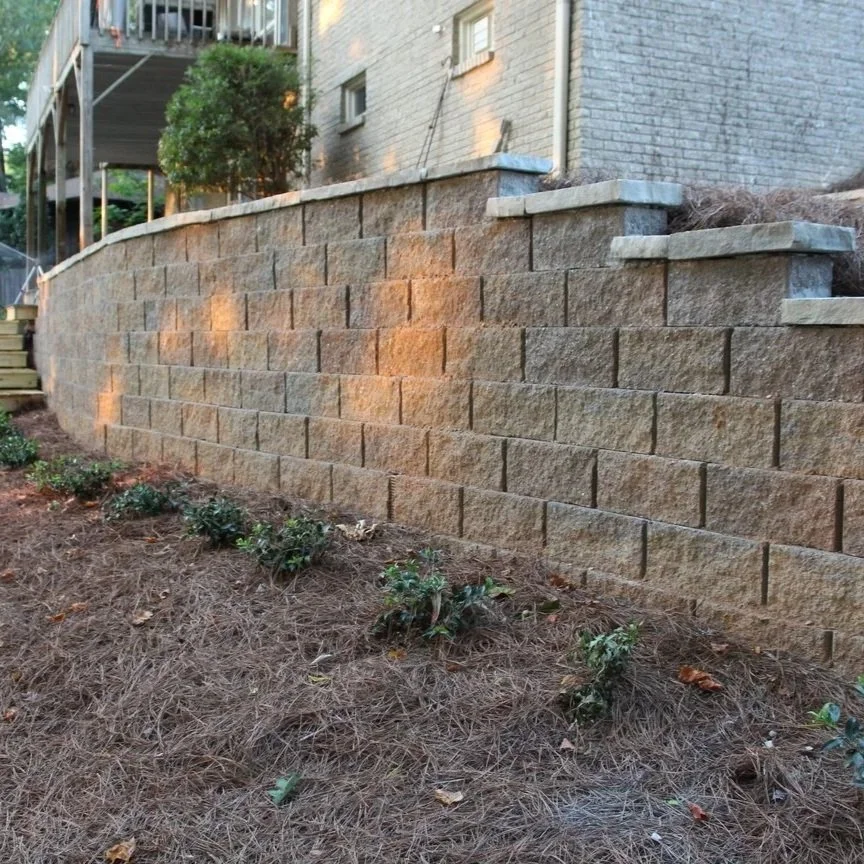
Retaining walls aren’t just decorative—they’re essential for soil stabilization, water management, and preserving landscape integrity in Gainesville’s hilly terrain.
Why Retaining Walls Play a Bigger Role in Gainesville Landscapes
Retaining walls in Gainesville, Georgia, serve far more than a decorative purpose. The region’s rolling terrain, clay-heavy soil, and frequent rainfall combine to create landscapes that naturally shift, erode, and drain unevenly over time. Retaining walls act as structural systems that manage those forces by holding soil in place, redirecting water, and creating usable outdoor space where slopes would otherwise limit access or functionality. Homeowners often notice the visual improvement first, but the real value lies in how these walls stabilize land and protect surrounding structures.
Gainesville properties frequently include elevation changes that seem modest at first glance but exert significant pressure once soil becomes saturated. Without proper retention, soil slowly migrates downhill, undermining patios, walkways, and foundations. Retaining walls interrupt that movement and distribute pressure in controlled ways. Understanding how different wall types respond to soil weight, moisture, and long-term stress helps homeowners make informed decisions rather than treating retaining walls as interchangeable landscape features.
Gravity Retaining Walls And Their Functional Limits
Gravity retaining walls rely on their own weight to resist soil pressure. These walls are typically built using heavy materials such as stacked stone, concrete blocks, or large masonry units. In Gainesville, gravity walls often appear in shorter applications where soil loads remain manageable. Their simplicity makes them appealing, especially for homeowners seeking straightforward solutions for modest elevation changes.
While gravity walls offer durability when designed correctly, they have clear limitations. As wall height increases, soil pressure grows exponentially, requiring thicker bases and deeper foundations. Gainesville’s clay soil becomes especially heavy when wet, increasing outward force during rainy periods. Gravity walls that lack sufficient mass or base support tend to lean or separate over time. These walls perform best when height remains limited, and drainage behind the wall receives careful attention from the outset.
Segmental Retaining Walls And Modular Design Advantages
Segmental retaining walls use interlocking concrete blocks designed to stack without mortar. These systems rely on both weight and mechanical connection between units to resist soil pressure. In Gainesville landscapes, segmental walls offer flexibility that suits varied terrain and design preferences. Their modular nature allows walls to curve, step, or terrace slopes while maintaining structural integrity.
Segmental systems often incorporate geogrid reinforcement, which extends into the retained soil to distribute pressure over a wider area. That reinforcement becomes particularly important in Gainesville’s moisture-sensitive soils. Proper installation requires precise excavation, base preparation, and drainage planning. When built correctly, segmental retaining walls accommodate moderate to significant height while offering design versatility. Poor installation, however, undermines their advantages, leading to shifting or bulging that reflects construction shortcomings rather than material failure.
Poured Concrete Retaining Walls And Structural Strength
Poured concrete retaining walls represent one of the strongest retention options available. These walls rely on reinforced concrete poured into forms, creating a continuous structure capable of handling substantial soil loads. In Gainesville, poured concrete walls often appear in applications requiring significant height or proximity to structures where failure would pose a serious risk. Their strength makes them suitable for supporting driveways, foundations, or steep grade changes.
The rigidity of poured concrete walls brings both benefits and challenges. While they resist movement effectively, they require precise engineering to accommodate soil expansion and contraction. Drainage becomes critical as trapped water behind a rigid wall increases pressure dramatically. Cracking occurs when design or installation fails to account for these forces. Poured concrete walls demand professional planning and execution, but when done properly, they provide long-term stability unmatched by lighter systems.
Timber Retaining Walls And Material Limitations
Timber retaining walls use treated wood to hold back soil, offering a more natural appearance that appeals to some Gainesville homeowners. These walls often appear in garden settings or low-height applications where visual blending with the landscape takes priority. Timber walls feel approachable and cost-effective initially, making them attractive for smaller projects.
Despite their aesthetic appeal, timber walls face durability challenges in Gainesville’s humid climate. Moisture accelerates wood degradation even when treated, reducing lifespan compared to masonry or concrete options. Soil contact, insects, and constant moisture exposure gradually weaken structural capacity. Timber walls also struggle with higher soil loads, limiting their practical height. Homeowners considering timber walls should understand their shorter service life and plan accordingly rather than expecting long-term performance comparable to other systems.
Stone Retaining Walls And Craftsmanship Considerations
Natural stone retaining walls offer timeless appeal and strong performance when constructed properly. In Gainesville, stone walls often complement traditional architecture and natural landscapes. Their irregular shapes allow subtle movement without immediate failure, making them resilient in environments where soil shifts seasonally. Stone walls rely on careful placement, weight distribution, and base preparation to function effectively.
Craftsmanship plays a critical role in stone retaining wall performance. Poorly stacked stone lacks consistent contact points, creating voids that invite movement and water intrusion. Proper stone walls incorporate drainage layers and carefully selected stone sizes to manage pressure. While stone walls provide aesthetic and functional benefits, they demand skilled installation to achieve longevity. When built with attention to detail, stone walls age gracefully rather than deteriorating rapidly.
Understanding Drainage As A Core Design Element
Drainage influences every retaining wall type more than material choice alone. In Gainesville, heavy rainfall saturates soil quickly, increasing pressure against retaining structures. Without effective drainage, even the strongest walls experience accelerated stress. Water trapped behind walls adds weight and reduces soil stability, leading to bulging or collapse.
Effective retaining wall design incorporates drainage pipes, gravel backfill, and weep openings to relieve water pressure. Each wall type manages drainage differently, but none can succeed without it. Homeowners often focus on visible wall materials while underestimating the importance of what lies behind the structure. Recognizing drainage as a core component rather than an accessory helps explain why professional design plays such an important role in retaining wall performance.
Soil Reinforcement And Geogrid Systems In Retaining Walls
Soil reinforcement represents a critical advancement in modern retaining wall construction, especially in regions like Gainesville, Georgia, where soil behavior changes significantly with moisture levels. Reinforced retaining walls use geogrid or similar materials embedded within the soil behind the wall face. These grids extend horizontally into the retained soil, creating a composite mass that resists movement far more effectively than the wall face alone. Rather than relying solely on weight or rigidity, reinforced systems spread forces across a larger area, reducing stress on any single component.
In Gainesville landscapes, reinforced systems prove especially valuable on taller walls or slopes with variable soil composition. Clay soils become heavier and less stable when saturated, increasing outward pressure during rain events. Geogrid reinforcement counteracts that pressure by anchoring soil layers together, improving stability even under changing conditions. Installation accuracy matters greatly, as grid placement depth, length, and spacing directly affect performance. When reinforcement is designed and installed correctly, retaining walls behave as integrated systems rather than isolated structures, offering reliability that unreinforced walls cannot match in demanding environments.
Terraced Retaining Walls And Slope Management
Terraced retaining walls break large elevation changes into a series of smaller, stepped walls rather than relying on a single tall structure. In Gainesville, terracing often provides a practical and visually appealing solution for managing slopes while reducing overall pressure on each wall segment. By dividing height into manageable sections, terraced designs limit soil load per wall and improve drainage opportunities between levels.
Terraced walls also create usable planting areas and flat spaces that enhance landscape functionality. Each tier intercepts runoff, slowing water movement and reducing erosion. Proper spacing and alignment remain essential, as poorly planned terraces can concentrate water in unwanted areas. Terracing requires careful coordination between wall placement, drainage paths, and soil reinforcement. When designed holistically, terraced retaining walls balance structural performance with landscape aesthetics, making them a popular choice for Gainesville properties with rolling terrain.
Retaining Walls Near Foundations And Structures
Retaining walls built near homes, driveways, or other structures demand heightened attention due to the consequences of failure. In Gainesville, retaining walls often appear close to foundations as homeowners seek to level yards or create usable space near existing buildings. These walls influence how water moves around structures and how soil pressure interacts with foundations.
Walls placed near structures must manage both retained soil pressure and additional loads imposed by nearby construction. Drainage becomes especially important, as water accumulation can affect both the wall and the structure it protects. Professional design typically includes reinforced systems and carefully planned water management strategies. Homeowners considering retaining walls near structures should recognize that these applications exceed decorative landscaping and enter the realm of structural engineering, where precision and experience matter significantly.
Retaining Wall Height And Engineering Thresholds
Retaining wall height represents a key factor in determining design complexity. Short walls may rely on gravity or simple segmental systems, while taller walls require reinforcement and sometimes engineering oversight. In Gainesville, walls exceeding certain heights often trigger permitting requirements or engineering review to verify safety and performance.
As height increases, soil pressure rises dramatically, especially in saturated clay soils. Wall systems must account for that exponential force increase through reinforcement, deeper foundations, or stepped designs. Attempting to apply low-height solutions to taller walls leads to instability and premature failure. Understanding how height influences design requirements helps homeowners choose appropriate wall types rather than selecting materials based on appearance alone.
Material Longevity And Climate Exposure
Gainesville’s humid climate affects how retaining wall materials age over time. Constant moisture exposure accelerates deterioration in some materials while leaving others largely unaffected. Concrete and masonry resist moisture well when installed properly, while wood-based systems face gradual degradation despite treatment. Stone performs well but depends heavily on installation quality to prevent water infiltration and movement.
Material longevity should factor into wall selection alongside cost and appearance. Shorter lifespan materials may suit temporary or low-risk applications, but prove costly over time when replacement becomes necessary. Long-term planning involves matching material durability to environmental exposure and expected service life. Recognizing how climate interacts with material choice supports better investment decisions.
Maintenance Expectations Across Wall Types
All retaining walls require some level of maintenance, but demands vary by system. Timber walls often need more frequent inspection and eventual replacement due to decay. Segmental and stone walls benefit from occasional monitoring for movement or drainage blockages. Poured concrete walls require minimal maintenance when designed correctly, but may develop cracks if drainage fails.
In Gainesville, vegetation growth, soil movement, and water flow influence maintenance needs. Walls that incorporate proper drainage and reinforcement experience fewer issues, reducing long-term upkeep. Understanding maintenance expectations helps homeowners align wall choice with tolerance for ongoing care rather than assuming all walls perform equally once built.
Visual Integration With Landscape Design
Retaining walls shape both land and perception. In Gainesville landscapes, walls often serve as focal points that influence the overall aesthetic. Material selection, wall height, and layout affect how walls blend with existing features. Segmental systems offer uniform appearance, stone provides natural variation, and concrete delivers clean lines that suit modern designs.
Visual integration extends beyond appearance to how walls interact with plantings, pathways, and outdoor living areas. Well-designed walls feel intentional rather than imposed. Coordinating wall design with broader landscape goals enhances both function and enjoyment, reinforcing the idea that retaining walls represent long-term investments rather than isolated projects.
Choosing The Right Retaining Wall Type For Gainesville Conditions
Selecting the right retaining wall type involves balancing soil conditions, slope, height, drainage, and aesthetic goals. Gainesville’s environment rewards systems that manage moisture and soil movement effectively. Gravity walls suit low-height applications, while reinforced segmental or concrete walls address greater demands. Timber offers visual warmth with limited longevity, and stone delivers durability when craftsmanship supports it.
Understanding how each wall type performs under local conditions empowers homeowners to make informed decisions. Rather than viewing retaining walls as interchangeable, recognizing their differences clarifies why professional guidance often proves valuable. Each system addresses specific challenges, and matching those capabilities to site conditions leads to lasting results.
FAQs
Segmental retaining walls are commonly used due to their flexibility, durability, and ability to incorporate soil reinforcement for local conditions.
Height thresholds vary, but taller walls often require engineering review to account for increased soil pressure and safety considerations.
Timber walls work for low-height, decorative applications but typically have shorter lifespans due to moisture exposure and soil contact.
Drainage relieves water pressure that builds behind walls during rain, reducing the risk of bulging, cracking, or collapse.
Properly designed retaining walls stabilize soil and slow water movement, reducing erosion on sloped properties.
