
How to Use Your Outdoor Fire Pit Safely in Gainesville, GA
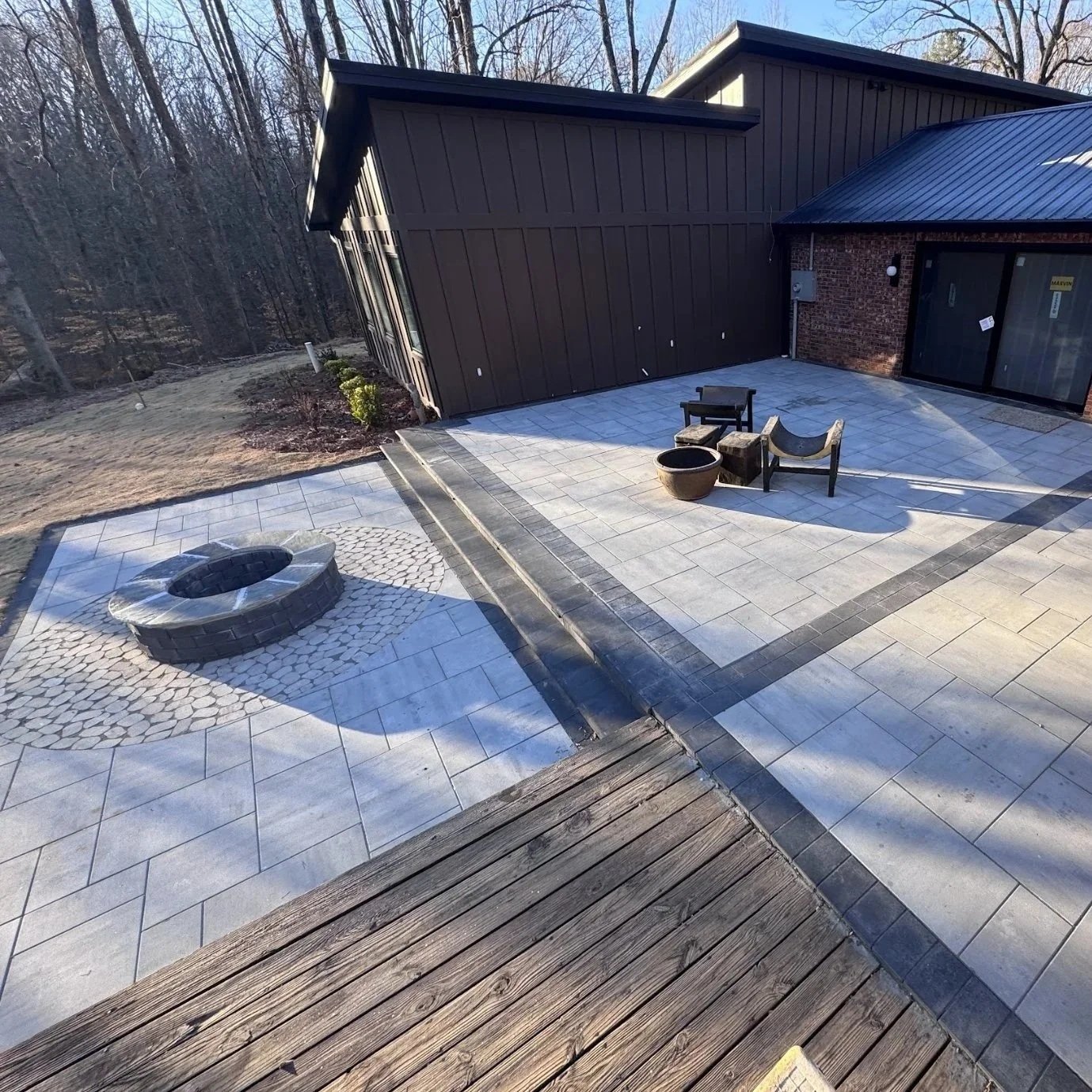
Cozy backyard fire pit in Gainesville, GA, safely used with flames contained, surrounded by seating and natural wooded landscape.
Outdoor fire pits are a favorite feature in many Gainesville backyards. They bring warmth on cool evenings, create a cozy gathering spot, and add charm to outdoor living spaces. But in North Georgia’s wooded, hilly environment, even a small backyard fire deserves serious respect. Safe fire pit use isn’t just about protecting your own home—it’s about protecting your neighbors, your pets, and the natural beauty that makes Gainesville such a special place to live.
Below is a practical, locally relevant guide to enjoying your fire pit responsibly and confidently.
Understanding Fire Pit Safety in Gainesville, GA
Fire pit safety matters more in Gainesville and the broader North Georgia region than many homeowners realize. Our area has a mix of wooded lots, sloped yards, and older homes with wood siding or decks. Add seasonal leaf buildup, pine straw, and backyard greenbelts, and you have plenty of dry fuel that can ignite from a single stray ember.
Wind patterns off Lake Lanier and across hilly terrain can carry sparks much farther than expected. In many Gainesville neighborhoods, homes are also closer together, which means a small backyard mishap can quickly affect nearby properties. Safe fire pit habits protect not only your own home, but your neighbors, local wildlife, and the environment.
Common Fire Pit Hazards Homeowners Overlook
Many backyard fire incidents happen because of small oversights. Common mistakes include placing fire pits too close to decks, fences, or tree branches, underestimating wind, or leaving a fire unattended “for just a minute.” Overfilling the pit, failing to fully extinguish embers, and ignoring manufacturer instructions are also frequent problems.
Another serious hazard is using flammable liquids like gasoline or lighter fluid to start or revive a fire. These can cause sudden flare-ups and serious burns. Leaving outdoor cushions, rugs, or yard clutter near flames is another quiet risk. A casual mindset—assuming a decorative fire is harmless—is often what leads to preventable damage or injury.
Benefits of Safe Fire Pit Practices
Safe fire pit habits reduce the risk of accidental fires and injuries while making gatherings more relaxed and enjoyable. They also extend the life of your fire pit by preventing warping, cracking, and overheating.
Just as importantly, responsible use sets a good example for children, teens, and neighbors. In close-knit Gainesville communities, good fire safety helps maintain trust, avoids HOA issues, and reduces smoke or noise complaints that can strain neighborly relationships.
Types of Outdoor Fire Pits Used in Gainesville
Most Gainesville homes use one of four fire pit types: portable metal bowls, built-in stone or brick pits, gas or propane fire tables, and chimneys. Each has slightly different safety needs.
Gas units reduce flying embers but still require distance from structures and supervision. Built-in pits retain heat long after flames die down. Chimineas send smoke upward but can tip if unstable. Knowing which type you own helps you apply the right safety practices consistently.
How Gainesville’s Climate and Terrain Affect Fire Safety
Dry spells in late summer and early fall, combined with pine needles and leaf litter, raise wildfire risk. Sudden gusts—common near Lake Lanier and on sloped properties—can blow sparks into landscaping or onto decks.
Sloped yards and wooded backdrops add complexity. Fire pits near retaining walls, forested property lines, or inclines need extra clearance and caution. In Gainesville, safe fire pit use should always be adapted to your yard’s layout, vegetation, and local wind patterns.
Knowing Local Fire Pit Laws and Regulations in Gainesville, GA
Local fire codes matter. Gainesville and Hall County regulations may define what counts as an open burn, set distance requirements from structures, and restrict what materials you can burn. Rules can change, so it’s important to check official city or county sources or contact the fire marshal for current guidance.
Most small recreational fire pits don’t require permits, but larger burns or brush piles may. Georgia also enforces seasonal burn bans, especially during summer and drought conditions. These restrictions can affect even recreational fires. Many HOAs add their own rules on placement, fuel type, and usage hours.
Homeowners are legally and financially responsible if a backyard fire spreads. Reviewing your insurance policy and following all safety and legal guidelines is far easier than dealing with damage claims or liability later.
Choosing the Safest Location for Your Fire Pit
A good location is your first major safety decision. Most guidelines recommend keeping fire pits at least 10–20 feet from homes, decks, fences, sheds, and property lines—more if your yard allows. Always follow stricter local codes or manufacturer instructions.
Look up as well as around. Overhanging branches, pergolas, awnings, and rooflines are common ignition points. Power lines should also be well clear.
Non-combustible surfaces like concrete, gravel, or pavers are safest. Dry grass and wood decks are risky without proper fire-resistant mats. Wind direction matters too—especially near Lake Lanier—so choose a spot where smoke and sparks naturally drift away from people, doors, and neighboring homes.
Create a clear safety perimeter, ideally three to five feet wide, free of flammable materials. This buffer reduces accidental contact and limits ember spread.
Preparing Your Fire Pit Area Before Each Use
Before lighting any fire, clear leaves, pine straw, twigs, and debris from the surrounding area. In Gainesville’s wooded neighborhoods, this step is essential.
Check the weather for wind and drought conditions. Skip fire pit use on windy days, during red flag warnings, or in extreme dryness.
Inspect your fire pit for rust, cracks, warped metal, or loose masonry. Structural damage can allow embers to escape or cause tipping.
Arrange seating at a safe distance and keep clear walking paths. Have safety tools ready: a charged hose, a bucket of water or sand, and a fire extinguisher rated for ordinary combustibles.
Selecting Safe Fuel and Lighting Your Fire Pit Properly
Use only seasoned firewood or manufacturer-approved fuel. Dry hardwoods like oak and hickory burn cleaner and produce fewer sparks. Never burn trash, cardboard, treated or painted wood, or yard waste.
Gas and propane units require extra care. Check hoses for leaks, keep tanks upright and outdoors, and follow all manufacturer instructions precisely.
Avoid accelerants like gasoline or lighter fluid. Use kindling, newspaper, or commercial fire starters instead. Build small, well-ventilated fires and add wood gradually. Smaller fires are safer, easier to control, and just as enjoyable.
Always use spark screens on wood-burning pits and stand to the side when lighting. Use long matches or lighters, secure loose clothing, and keep your face and hands well back.
Supervision, Children, Pets, and Courtesy
Never leave a fire unattended. Designate a responsible adult to monitor it at all times and extinguish it completely before going inside or going to bed.
Set clear seating boundaries for guests. Discourage leaning over flames or moving chairs too close. Watch alcohol use, as impaired judgment increases risk.
Teach children simple fire safety rules and establish visible no-go zones. Use barriers or furniture placement for added protection, but never rely on barriers alone.
Pets should be kept well away from flames and hot surfaces. Smoke can irritate their lungs, and hot metal rims or hidden embers can cause serious burns even after the fire looks out.
Be considerate of neighbors. Plan fires for reasonable hours, manage smoke direction, and reduce noise late at night. Courtesy helps preserve community goodwill.
Extinguishing, Maintenance, and Long-Term Care
Let wood fires burn down to ash and embers. Spread coals, pour water slowly, and stir until all hissing stops. The surface should be cool to the touch and produce no smoke.
For gas units, turn off the control knob and close the tank or gas valve. Confirm all flames are out.
Stir ashes to find hidden heat pockets. Never leave a pit warm overnight. After each fire, inspect the area for stray embers.
Clean out ashes regularly, inspect for rust or cracks, and use weather-resistant covers. Gas units need periodic checks for blocked burners and worn hoses.
If a fire pit is badly corroded, cracked, or unstable, replace it. Safety should always come before sentiment or cost.
Conclusion: Enjoying Your Fire Pit Responsibly in Gainesville, GA
Safe fire pit use in Gainesville comes down to preparation, awareness, and consistency. Choosing the right location, following local laws, using proper fuel, supervising carefully, and extinguishing fires fully are the foundations of responsible ownership.
When these habits become routine, you can relax and enjoy your fire pit with confidence. You’ll protect your family, your pets, your neighbors, and the natural beauty that makes North Georgia such a wonderful place to call home.
FAQs
Most small recreational fire pits don’t require a permit, but rules can vary. Larger burns or brush piles may need one. Always check with Gainesville or Hall County authorities for current requirements.
Common recommendations range from 10–20 feet, but you should follow both manufacturer guidelines and any stricter local codes.
Seasonal burn bans may restrict even recreational fires. Check updates from local authorities or the Georgia Forestry Commission before lighting a fire.
Seasoned hardwoods like oak and hickory are best. Avoid trash, treated wood, painted lumber, cardboard, and yard waste for safety and air quality reasons.
