
Fire Pit Safety Equipment Every Gainesville Home Needs
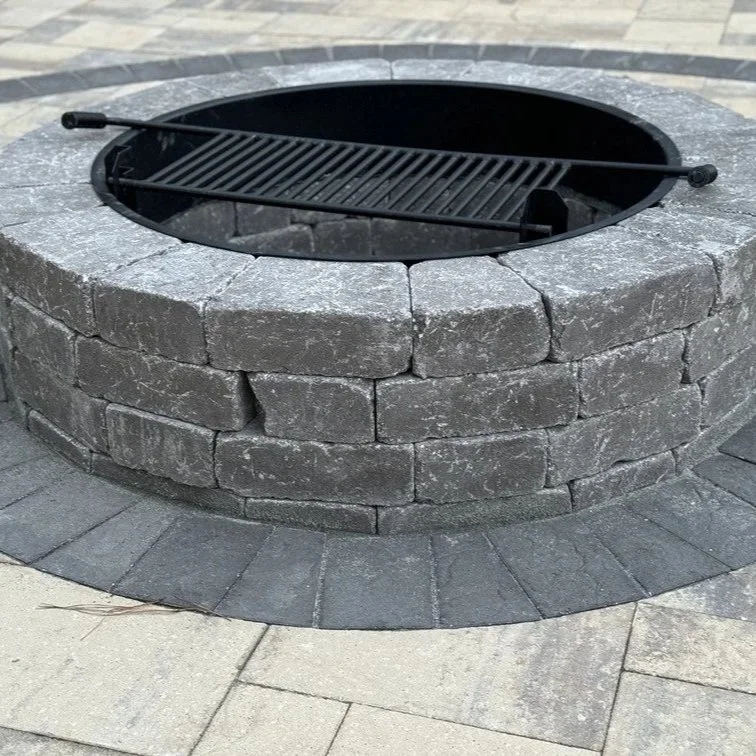
Certified fire safety specialist managing residential fire pits outdoors, ensuring compliance with Gainesville regulations and promoting safe fire practices.
Understanding Fire Pit Risks in Gainesville Homes
Fire pits are a popular way to enjoy Gainesville’s mild evenings, but they also bring real risks when used casually. Florida’s hot, often dry spells make vegetation and wooden structures more vulnerable to embers, while sudden thunderstorms and shifting winds can turn a calm fire into a fast-moving hazard. Even humidity can be misleading. A damp-feeling evening doesn’t mean nearby mulch, fencing, or decking won’t ignite if a hot spark lands in the wrong place.
Homeowners need to adapt their safety habits and equipment to these local conditions. That means thinking beyond a single fire extinguisher and planning for spark control, extra water access, and tools to manage wind changes. Robust spark screens, nearby sand buckets, and hoses with gentle spray nozzles all make sense in Gainesville’s climate. Understanding how local weather affects fire behavior is the foundation for choosing the right safety gear and using it effectively.
Common Fire Pit Accident Scenarios at Home
Most backyard fire pit accidents aren’t dramatic—they’re small, everyday mishaps. Children or pets wander too close. A chair cushion catches a spark. Embers drift into dry leaves. Someone touches hot metal long after the flames are gone.Add alcohol or lively distractions at gatherings, and attentiveness drops just when it’s needed most.
Each of these scenarios points to specific safety equipment. Barriers help keep kids and pets back. Fire-resistant mats protect decks and pavers. Spark screens and lids reduce ember travel. A basic burn kit handles minor injuries. Imagining realistic “what if” moments helps homeowners decide which tools matter most for their yard layout, family situation, and how often they host.
Local Regulations and Guidelines in Gainesville
Gainesville and Alachua County may restrict open flames during droughts, high-wind advisories, or burn bans. Typical rules include minimum distances from structures, limits on fire size, and restrictions on what fuels can be burned. These rules change, so homeowners should check city or county websites or call the local fire department for updates.
Legal compliance and safety equipment go hand in hand. A properly sized pit, a tight-fitting lid, and an accessible extinguisher support both safety and code compliance. Regulations set the baseline, but good gear ensures you can respond quickly if something goes wrong.
Why Every Fire Pit Needs a Dedicated Safety Setup
Lighting a fire pit casually is very different from running one with a safety plan. A dedicated safety setup—extinguishers, water, sand, tools, and first aid—turns a relaxed evening fire into a managed activity. When something unexpected happens, panic drops, and response time improves.
Keeping equipment organized and within arm’s reach saves crucial seconds. A wall-mounted extinguisher on the patio, a bucket of sand nearby, and clearly stored tools mean you’re not scrambling across the yard. Safety should be planned, not improvised.
Essential Fire Extinguishing Tools for Backyard Fire Pits
For most homes, an outdoor-rated ABC fire extinguisher is the best all-purpose choice. It handles wood, paper, and many small fuel fires. Choose a size and weight that every adult can operate, and store it close enough for quick access while protecting it from rain and harsh sun. Check expiration dates and pressure gauges, and review PASS (Pull, Aim, Squeeze, Sweep) with household members.
Sand and water each have their place. Sand is excellent for smothering embers and small flare-ups. A hose with a spray nozzle cools surrounding areas but shouldn’t be used on grease or fuel fires. Keep a sand bucket by the pit and make sure the hose reaches easily. Use a gentle spray, not a jet that scatters embers. A fire blanket adds fast, close-range protection for clothing or small surface fires and should be stored near a patio door or outdoor kitchen.
Knowing which tool to use matters. Fire blankets for clothing or chair cushions. Sand for ember control. A hose for cooling. An extinguisher for fast-spreading flames. Always assess wind and have a clear escape route before intervening.
Spark Control: Screens, Covers, and Lids
Spark screens are especially important on Gainesville’s breezy evenings. Domed, flat, and hinged designs in steel or stainless steel all work if they fit correctly. The screen should fully cover the pit without being awkward to remove. Check regularly for rust, warping, or holes.
Solid lids serve double duty. They smother flames by cutting off oxygen and protect the pit from rain and debris. Make it a habit to place the lid on once flames die down and embers are nearly out. Side shields or mesh wraps add protection for nearby seating and decking by reducing lateral heat and low-level sparks.
Inspect all spark control devices regularly. Gainesville’s humidity accelerates rust. Brush off ash, dry components after rain, and apply rust-resistant coatings when appropriate. Even the best equipment loses effectiveness when neglected.
Heat Protection for Decks, Patios, and Grass
Fire-resistant mats and pads protect wooden decks, composite surfaces, and pavers from radiant heat and stray embers. Choose a mat that extends well beyond the pit’s base and clean ash off it regularly. Replace mats that show burn marks or degradation.
Heat shields add another layer of protection by reflecting heat or creating airflow beneath the pit, especially on elevated decks. Position pits at least 10 feet from structures, fences, and overhanging branches, and farther if your yard has dense vegetation or older wooden fencing.
Protect the ground, too. Place pits on gravel, pavers, or non-combustible pads to prevent scorched turf and underground root smoldering. Rake away leaves, keep mulch at a distance, and level the base to prevent tipping.
Protective Gear for People and Pets
Heat-resistant gloves are essential for adding logs and handling screens or lids. Leather, Kevlar, and silicone options vary in grip and heat tolerance. Choose gloves that extend past the wrist and store them near the pit. Keep them clean and dry to prevent mildew in Gainesville’s humidity.
Long-handled pokers, tongs, and rakes let you manage embers from a safe distance. Choose sturdy tools with insulated handles and keep them organized on a stand or hook.
Clothing matters. Loose sleeves and synthetic fabrics can ignite or melt. Snug-fitting natural fibers like cotton or wool are safer. Encourage guests to tie back long hair and wear closed-toe shoes.
For kids and pets, physical barriers and a clear “no-go” zone are critical. Use visible markers to define boundaries and assign a dedicated adult to supervise during gatherings. Pets need extra attention—dogs chase sparks, and cats explore hot surfaces. Leashes, gates, and pet zones away from flames help reduce risk.
First Aid and Burn Treatment Readiness
A fire pit first aid kit should include burn gel, non-stick dressings, bandages, saline wash, tweezers, and basic pain relievers. Store it in a labeled, waterproof container near the patio door and check supplies regularly.
Understand burn basics. Minor burns can often be treated at home with cool water, burn gel, and clean dressings. Larger, deeper burns or burns on the face, hands, feet, or groin require immediate medical care. Keep a charged phone nearby and know when to call 911.
Safe Fuel, Storage, and Weather Awareness
Use seasoned hardwoods, approved fire logs, or propane or natural gas designed for your pit. Avoid gasoline, lighter fluid, treated wood, trash, or construction debris. Safer fire starters and long-stem lighters reduce flare-up risk.
Store fuel safely in Gainesville’s hot, humid climate. Keep wood dry and covered, propane tanks upright and shaded, and all fuels away from structures. Check weather forecasts before lighting fires. Avoid windy days, burn bans, or approaching storms. If winds shift unexpectedly, reduce fire size or extinguish early.
After storms, inspect the area for fallen branches, displaced furniture, and debris. Make a habit of clearing the area, checking equipment, and confirming safe distances before every fire.
Conclusion: Building a Safer Gainesville Backyard Fire Experience
Fire pit safety in Gainesville isn’t about one piece of gear—it’s about layering protections. Screens, lids, mats, barriers, extinguishers, and first aid all work together with smart behavior and awareness. Understanding local risks, choosing the right tools, and maintaining them consistently creates a safer backyard environment.
A fire pit is both a comfort and a responsibility. Regular inspections, safe fuel choices, considerate smoke management, and clear household rules help ensure every gathering around the flames is enjoyable and incident-free. Investing in proper safety equipment is ultimately an investment in your home, your loved ones, and your Gainesville community.
FAQs
Every Gainesville fire pit should have a properly rated fire extinguisher, a hose and/or bucket of sand, a spark screen or lid, basic fire pit tools, heat-resistant gloves, and a dedicated first aid kit. These items address the most common risks: stray embers, flare-ups, burns, and accidental fires. Each piece serves a specific purpose, and together they create a baseline level of protection.
General guidelines often recommend at least 10 feet from homes, fences, sheds, and overhanging branches. Some pits and local rules require more clearance, so Gainesville and Alachua County regulations should always be verified.
These distances aren’t arbitrary. Radiant heat, drifting embers, and sparks can ignite nearby materials. Extra spacing reduces those risks and protects structures, landscaping, and outdoor furniture.
It’s unsafe to use a fire pit during burn bans, high winds, or extended dry spells. Check local restrictions and weather forecasts before lighting any fire.
When conditions aren’t ideal, postpone the fire or use safer alternatives such as a small gas flame in a fully contained system. Non-flame outdoor heaters are another option for breezy or dry evenings.
Extinguishers should be checked monthly and replaced or serviced as recommended by the manufacturer. Screens, gloves, mats, and tools should be inspected seasonally or before heavy-use periods, especially after storms or long storage.
Set reminders at the start of spring and fall to review gear. Look for rust, cracks, warping, expired first aid supplies, and reduced heat resistance. Regular checks are a small effort compared to the cost of equipment failure during an emergency.
