
How to Design Your Gainesville Backyard Around a Fire Pit
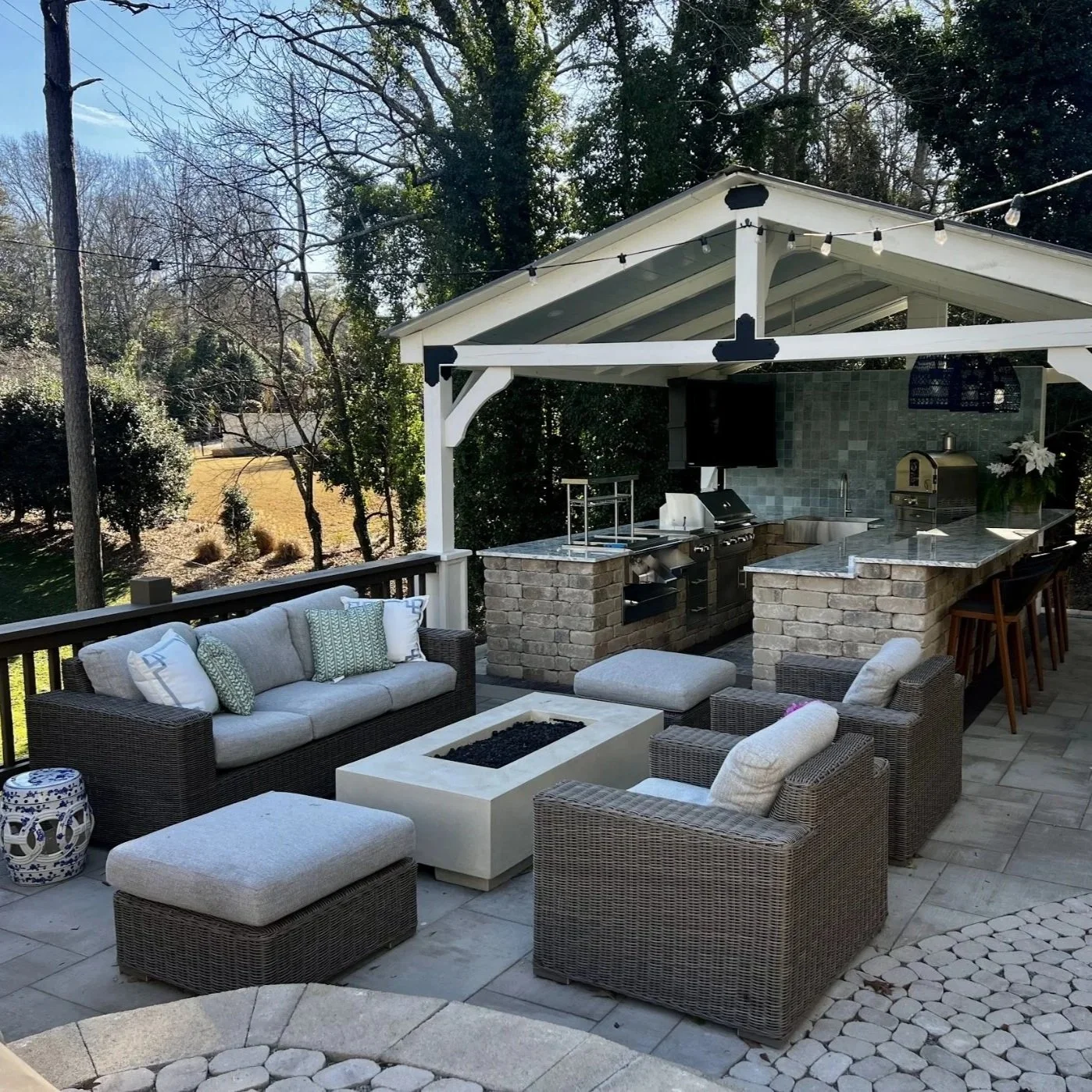
Design your Gainesville backyard around a fire pit to create a cozy, functional, and stylish outdoor gathering space.
Creating a Gainesville Backyard Oasis Around a Fire Pit
Fire pits are more than just a source of warmth—they’re a centerpiece for outdoor living, a gathering spot for family and friends, and a way to transform your Gainesville backyard into a year-round retreat. In a city known for its mild winters, lively college-town culture, and love for outdoor activities, a well-designed fire pit can anchor the backyard, define seating zones, and even inspire landscaping choices. Whether it’s cozy evenings roasting marshmallows, hosting casual game-day watch parties, or relaxing with a book under the stars, the right fire pit setup can elevate both the functionality and charm of your outdoor space.
This guide walks you step by step through designing a stylish, safe, and cohesive fire pit-centered backyard tailored to Gainesville’s climate, outdoor lifestyle, and local considerations.
Understanding the Gainesville Climate and Outdoor Living Trends
Gainesville’s humid subtropical climate plays a major role in backyard planning. Summers are hot and humid, winters are mild, and rain is frequent, occasionally bringing strong storms. These conditions influence everything from surface materials to shade solutions, drainage, and plant selection. Pollen, mosquitoes, and typical North Florida vegetation also factor into designing a comfortable, low-maintenance space.
Outdoor living trends in the area increasingly combine fire features with kitchens, screened lounges, and native landscaping. A fire pit can become the focal point of an outdoor lifestyle that includes grilling, entertaining, or simply relaxing after a Florida Gators game. By integrating your fire pit with these broader backyard trends, you create a cohesive, versatile environment suited to seasonal and daily routines.
Step 1: Clarify Your Goals and Budget for the Fire Pit Area
Define How You Want to Use the Space
Start by envisioning how you’ll use your fire pit. Will it host intimate family nights, large social gatherings, student hangouts, or quiet evenings reading? Consider group size, activity type, and frequency of use. Knowing the primary purpose informs the fire pit size, seating layout, and surrounding amenities. For instance, a space meant for large gatherings may need multiple seating zones, while a private retreat can emphasize greenery and comfort. Clear goals prevent overspending on features that won’t get used.
Set a Realistic Budget for Design, Build, and Furnishings
Costs typically include the fire pit itself, hardscaping, seating, landscaping, lighting, and optional add-ons like pergolas or outdoor kitchens. A basic gravel pad with a metal bowl may be budget-friendly, while a full stone hardscape with integrated lighting and built-in seating requires a higher investment. Prioritize essentials, plan for safety, and leave room for future additions. Phased implementation allows you to expand features like pergolas or additional seating as budget permits.
Decide on DIY vs. Hiring Gainesville Professionals
Simple, kit-based fire pits can be DIY-friendly, but gas lines, retaining walls, or complex drainage are better handled by licensed professionals. Local contractors understand Gainesville’s soil, drainage, and plant conditions, ensuring durable and compliant installations. Even if you plan to DIY, consulting a professional for an estimate or site visit can save time, money, and potential headaches.
Consider Long-Term Flexibility and Future Changes
Plan for evolving needs over five to ten years. Families may later want more entertaining space, or students may transition to long-term homeowners. Flexible layouts—movable seating, modular patios, and reconfigurable planting beds—allow adjustments without major renovations. Thinking ahead can save costs while keeping your backyard functional for years to come.
Step 2: Choose the Best Location for Your Fire Pit in a Gainesville Yard
Evaluate Sun, Shade, and Wind Patterns
Observe your yard over several days to track sunlight, shade, and breezes. Gainesville’s summer heat makes afternoon shade valuable, while winter warmth benefits from sun exposure. Consider wind direction to prevent smoke from blowing into the house, seating areas, or neighbors’ yards. Existing fences or trees can serve as windbreaks.
Maintain Safe Distances from Structures and Trees
Ensure the fire pit is positioned at safe distances from the house, decks, sheds, fences, and overhanging branches. North Florida’s pine straw, dry leaves, and low-hanging limbs increase fire risk, so leave a buffer zone and maintain a gravel or hardscape perimeter.
Step 3: Select the Right Type of Fire Pit for Gainesville Conditions
Compare Wood-Burning vs. Gas Fire Pits
Wood-burning pits offer authentic ambiance but require dry wood, ash management, and attention to smoke control. Gas pits provide convenience and low maintenance, but may involve gas line installation and permits. Choose based on your preference for atmosphere versus ease of use, considering humidity, neighbors, and local regulations.
Permanent Built-In vs. Portable Fire Pits
Built-in masonry or stone pits add value and permanence, while portable metal units offer flexibility. Gainesville’s humid climate can rust exposed steel, so permanently sealed masonry often lasts longer. Portable pits are ideal for renters or experimental layouts.
Fire Pit Shapes, Sizes, and Heights
Round pits encourage circular seating, while rectangular options suit sectional arrangements. Size should match typical group size, and wall height should ensure comfort and safety. Map seating zones before selecting dimensions to optimize space and flow.
Choosing Durable Materials for North Florida Weather
Cast concrete, natural stone, brick, steel, and copper all have pros and cons in humid, storm-prone Gainesville. Prioritize rust-resistant metals, sealed masonry, and UV-resistant finishes to endure moisture and temperature swings.
Review Gainesville Codes, HOA Rules, and Safety Regulations
Check local fire codes, permits, and HOA rules regarding fire pits. Document approvals and professional inspections to stay compliant and safeguard future property transactions. Regulations change, so always verify before installation.
Step 4: Design the Overall Layout and Zones Around the Fire Pit
Create a Scaled Site Plan for Your Backyard
Sketch an overhead plan noting structures, trees, utilities, and patios. Accurate proportions help visualize relationships between the fire pit, dining areas, and gardens. Experiment on paper before committing to installation.
Define Primary and Secondary Zones
Segment your backyard into zones: a central fire pit lounge plus dining, grill, play, and garden areas. Ensure each zone has a purpose while remaining visually connected. Keep play areas safe but within sight of the fire pit.
Plan Seating Arrangement and Circulation
Arrange seating in semi-circles, full circles, or L-shapes, depending on the pit’s shape. Maintain ideal distances from the fire for warmth and safety, and leave clear pathways at least two feet wide for circulation.
Integrate the Fire Pit into the Overall Backyard Style
Echo your home’s architectural style in materials and colors. Brick, concrete, or stone should harmonize with existing structures, while cushions, planters, and lighting can pull accent colors from the house to unify the design.
Consider Accessibility and Inclusive Design
Design for all ages and abilities. Use smooth surfaces, minimal steps, wide pathways, and supportive seating. Leaving space for wheelchairs or walkers ensures a welcoming, adaptable environment.
Step 5: Choose Safe and Attractive Surfaces Under and Around the Fire Pit
Evaluate Surface Options
Concrete, pavers, gravel, and decomposed granite all work well. Consider fire resistance, drainage, comfort, and maintenance. Combining materials—like a concrete ring with surrounding gravel—balances aesthetics and practicality.
Ensure Fire-Resistant Zones
Keep grass, mulch, and wood decking away from the pit. Extend fire-resistant surfaces several feet in all directions, transitioning to softer landscaping with stone edging or defined borders.
Plan for Drainage and Comfort
Use compacted gravel, sand bedding, and slight slopes to prevent puddling. Permeable pavers or gravel allow water infiltration. In Gainesville’s sun, choose lighter colors and shaded layouts to avoid hot surfaces, and textured finishes to prevent slipping.
Edge Treatments and Lawn Transitions
Stone borders, metal edging, or soldier-course pavers keep gravel in place and define spaces. Smooth edges simplify mowing and maintenance, while raised borders protect plantings from foot traffic.
Step 6: Design Comfortable and Functional Seating Around the Fire Pit
Built-In Seating vs. Movable Furniture
Masonry walls offer permanence and architectural cohesion, while movable furniture allows flexibility. A combination can provide style and versatility.
Weather-Resistant Materials and Fabrics
Choose aluminum, treated wood, all-weather wicker, and solution-dyed fabrics to resist rust, mildew, and fading. Use removable cushions and plan for storage during storms or seasonal downtime.
Ergonomic Considerations and Flexible Seating
Seat height, depth, and spacing affect comfort and conversation. Mix seating types—chairs, benches, stools—for variety. Stackable or portable options allow adaptation to group size.
Incorporating Tables and Storage
Side tables, coffee tables, and storage benches keep the area functional and tidy. Multi-purpose furniture allows safe storage for fire tools, blankets, and cushions, enhancing usability.
Step 7: Incorporate Landscaping and Plantings Suited to Gainesville
Native and Florida-Friendly Plants
Use plants like muhly grass, sabal palms, coontie, and native shrubs to reduce water needs and support pollinators. Place them at safe distances from the fire to prevent hazards.
Privacy, Airflow, and Fire Safety
Staggered plantings, trellises, or tall grasses provide privacy without blocking breezes. Avoid low shrubs or dense grasses near the pit, and select non-flammable mulch like stone or gravel close to flames.
Seasonal Interest and Pest Management
Plan for year-round color using evergreens, seasonal blooms, and container gardens. Minimize mosquito habitats by removing standing water, using fans, and planting aromatic deterrents like citronella or lavender.
Step 8: Add Shade and Shelter for Gainesville’s Sun and Rain
Pergolas, Arbors, and Temporary Shade
Pergolas and arbors add vertical interest and partial shade, while umbrellas or sails offer flexibility. Ensure clearance above the fire to avoid heat damage or smoke buildup.
Planning for Rain Protection
Design adjacent covered areas, such as porches or pavilions, for shelter. Use furniture covers and quick-storage solutions to protect cushions and accessories during sudden showers.
Air Movement
Fans—permanent or portable—help circulate humid air and redirect smoke, improving comfort during hot Gainesville evenings.
Step 9: Layer Outdoor Lighting for Ambiance and Safety
Ambient, Task, and Accent Lighting
String lights, lanterns, and sconces create warmth; low-voltage path lighting ensures safety; accent uplights highlight landscaping or architectural features. Balance brightness to keep the fire pit as the visual focal point.
Energy-Efficient Options and Glare Management
LEDs, solar lighting, and smart systems reduce maintenance and energy use. Position fixtures to prevent glare or light pollution, maintaining a pleasant backyard atmosphere for guests and neighbors.
Step 10: Add Functional Features for Entertaining Around the Fire
Outdoor Kitchens, Bars, and Entertainment
Grills and outdoor kitchens near the fire pit allow hosts to cook while socializing. Beverage stations and portable coolers reduce trips indoors. Consider weather-resistant speakers, TVs, or projectors for games and movies, ensuring electronics are protected from heat and rain.
Storage and Comfort Enhancers
Provide dry, ventilated wood storage and weather-resistant containers for tools and accessories. Outdoor pillows, blankets, and seasonal décor add comfort and style while remaining practical for Gainesville’s weather.
Step 11: Prioritize Fire Safety and Local Best Practices
Fire Safety Rules and Equipment
Never leave fires unattended. Keep children and pets safe, limit fire size, and use approved fuels. Maintain safety gear—hose, sand, fire extinguisher, and first-aid supplies—readily accessible.
Safe Ignition, Operation, and Extinguishing
Use kindling rather than accelerants, follow manufacturer instructions, and fully extinguish fires. For gas pits, check for leaks and turn off valves after use.
Neighborly Considerations and Insurance
Position pits and seating to minimize smoke or noise impact. Review insurance policies and HOA rules regarding fire pits, documenting inspections, installations, and approvals for safety and liability purposes.
Step 12: Plan for Maintenance and Long-Term Care
Routine Cleaning and Seasonal Checkups
Remove ash, debris, and inspect for damage after use. Regularly clean surfaces and check gas lines. Seasonal inspections allow minor adjustments, pruning, and seating rearrangements.
Protecting Materials and Updating Design
Use covers and reseal masonry to protect from moisture and UV damage. Store cushions and textiles indoors when not in use. Evaluate your fire pit area over time, making small improvements like adding lighting, seating, or planters to keep the space functional and attractive.
Conclusion: Bringing Your Gainesville Fire Pit Backyard Vision to Life
Designing a fire pit-centered backyard in Gainesville requires balancing aesthetics, safety, and functionality while responding to local climate and lifestyle. By clarifying goals, budgeting wisely, choosing the right materials, planning zones, and integrating seating, landscaping, and lighting, you create a cohesive outdoor retreat. Safety, maintenance, and neighborly consideration remain ongoing priorities. With thoughtful planning and flexible design, your fire pit can transform a Gainesville backyard into a year-round hub for gatherings, relaxation, and enjoyment.
FAQs
Humidity, rain, and temperature swings influence whether wood-burning or gas pits work best. Wood provides ambiance but requires dry storage and smoke management, while gas offers convenience. Durable, rust-resistant materials are essential for long-lasting performance.
Maintain manufacturer-recommended clearances and add extra buffers for Florida’s pine straw, leaves, and tree branches. Check local codes and HOA rules, and keep vegetation trimmed to reduce fire hazards.
Permits may be required for gas lines, large built-in structures, or significant hardscape changes. Contact local building departments or consult a professional to ensure compliance.
Add shade structures, fans, or strategically timed usage. Choose seating and surfaces that stay cool, and plan for airflow to keep smoke and humidity manageable.
Use Florida-Friendly, drought-tolerant plants and simple gravel or mulched beds at safe distances. Select hardscape elements that are easy to clean and maintain while providing beauty, privacy, and a cohesive design.
