
Comparing Fire Pit Installation Costs: DIY vs. Professional in Gainesville
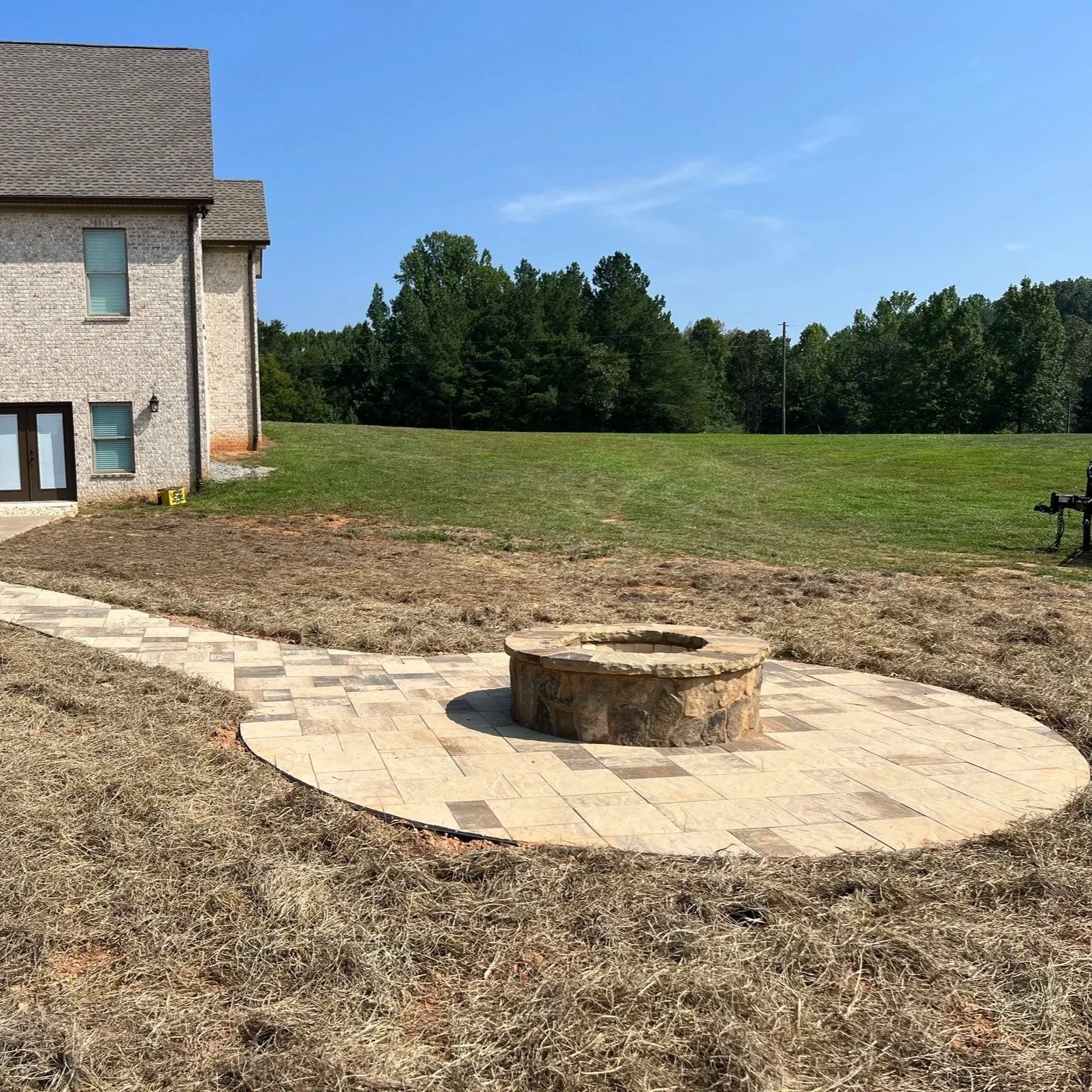
Deciding between DIY and professional installation in Gainesville depends on your budget, desired materials, and local safety code compliance requirements.
Understanding Fire Pit Installation in Gainesville
From a homeowner’s perspective, a fire pit is more than just a place to build a fire—it’s a social magnet and a visual centerpiece for the backyard. In Gainesville, the most common options include traditional wood-burning pits, natural gas pits tied into a home’s gas line, propane units that use refillable tanks, and newer “smokeless” designs that improve airflow and reduce smoke. People use them for everything from roasting marshmallows and casual cooking to evening gatherings with friends or quiet nights outdoors. Beyond the fun factor, a well-designed fire pit adds ambiance and can boost the perceived value of a home.
Gainesville’s warm climate makes fire pits especially popular. Unlike colder regions where outdoor fires are limited to a few months, North Florida’s long, mild seasons mean a fire pit can be used much of the year. Add in the city’s college-town energy, family-friendly neighborhoods, and strong outdoor-living culture, and it’s easy to see why demand is high. Whether you build one yourself or hire a professional, the method you choose affects not only cost but also safety, quality, and how much enjoyment you get long term.
DIY vs. Professional: What This Comparison Really Means
A DIY fire pit installation usually means the homeowner plans the project, buys materials, and does all the construction.Professional installation involves hiring licensed contractors or landscape companies to handle design, materials, and construction. Some projects fall in between, such as when a homeowner preps the site but hires a pro to run a gas line.
This comparison isn’t just about saving money. It also involves time investment, safety, code compliance, and long-term reliability. DIY often looks cheaper at first glance, but hidden expenses and mistakes can narrow the gap. In a regulated environment like Gainesville, those risks deserve serious consideration.
Why Location Matters: Gainesville-Specific Factors
Gainesville’s humid subtropical climate and sandy soils affect both design and cost. Heavy rains and storm events make drainage and stable foundations critical. Materials must handle constant moisture and seasonal temperature swings. Hurricane-season winds also influence placement and safety.
Local labor rates, material availability in North Florida, and housing trends tied to the University of Florida all shape pricing. A fire pit that costs a certain amount in another state may be more—or less—expensive here due to these regional factors.
Typical Homeowner Goals for a Fire Pit in Gainesville
Most Gainesville homeowners want one of four things: a cozy social hub, expanded outdoor living space, increased resale appeal, or a low-maintenance relaxation area. Budget-conscious projects are common for small yards or student rentals, while larger suburban homes often opt for more permanent, visually striking designs.
Clarifying your main goal helps determine whether DIY or professional installation makes more sense. Saving money, maximizing aesthetics, ensuring safety, or boosting home value each point toward different materials, sizes, and fuel types.
Safety and Legal Considerations Up Front
Before comparing costs, safety and legal compliance must come first. Gainesville and Alachua County enforce fire codes that include setback rules from structures and limits on open burning. Wood-burning pits may face restrictions during burn bans. Gas or propane systems often require licensed professionals and inspections.
Ignoring these requirements can lead to fines, insurance problems, or serious fire risks. These factors add cost to both DIY and professional projects, but they also explain why professional installation can be the more stable long-term option.
Types of Fire Pits and How They Affect Cost
Wood-burning fire pits are popular for their traditional feel and lower material costs. They range from simple in-ground rings to above-ground stone pits. Gas fire pits offer instant on/off convenience and clean burning, but require gas line work and specialized components. Propane pits use refillable tanks and are easier to install than natural gas systems, though fuel costs add up.
Custom masonry pits are usually the most expensive due to labor and craftsmanship, while portable or prefabricated units are the cheapest and most DIY-friendly. Each type carries different installation and ownership costs.
Breaking Down DIY Fire Pit Installation Costs
DIY materials typically include pavers or blocks, fire bricks, gravel, sand, metal rings, and adhesive. Tool costs—shovels, levels, masonry saws, compactors—can add hundreds of dollars if you don’t already own them. In Gainesville, outdoor-rated and moisture-resistant materials are essential.
For a basic wood-burning pit, DIY costs often fall between $300 and $1,000. More elaborate masonry designs can run $1,000 to $2,500 or more. Homeowners frequently underestimate delivery fees, tool rentals, and incidentals. Time investment is another hidden cost; even modest projects can take an entire weekend or longer, especially in summer heat.
Permits may be required for permanent structures or gas connections, adding application fees and inspection costs. Common hidden expenses include overbuying materials, correcting mistakes, and dealing with drainage or soil surprises after heavy rain.
Breaking Down Professional Fire Pit Installation Costs
Professional services in Gainesville usually include site assessment, design consultation, excavation, base installation, construction, and cleanup. Gas installations also include line extensions, valves, and testing. These turnkey packages bundle labor, expertise, and risk management.
Simple professionally installed wood pits often start around $2,000 to $3,500. Custom masonry or gas systems can range from $4,000 to $10,000 or more, depending on design and site conditions. Labor charges cover wages, insurance, licensing, equipment, and overhead.
Customization—premium stone, seating walls, lighting, or outdoor kitchen integration—adds to the cost. Many installers offer warranties on workmanship and pass through manufacturer warranties, which protect homeowners from defects and premature failures.
Local Regulations, Codes, and Safety in Gainesville
Fire codes dictate placement, fire size, and setbacks. Gas installations require licensed work and inspections. Utility marking is critical before digging. Safety features like spark screens, non-combustible surrounds, and fire extinguishers add modest cost but significantly reduce risk.
Professionals usually handle these issues as part of the project. DIYers must research and manage them independently.
Long-Term Costs: Maintenance, Repairs, and Fuel
Wood-burning pits require ash removal, soot cleaning, and vigilance against rust and moisture damage. Gas and propane systems need burner inspections, leak checks, and part replacements over time.
Fuel costs vary. Wood can be cheap if sourced locally, but seasoned firewood requires storage and handling. Natural gas offers convenience but costs more per hour of use than wood in many cases. Propane adds recurring refill expenses.
Over a 5–10 year period, a well-built professional pit may cost less overall due to fewer repairs and a longer lifespan.
When DIY Makes Sense—and When It Doesn’t
DIY works best for small, above-ground wood pits or prefabricated units on non-combustible surfaces. It suits homeowners with basic masonry skills, realistic expectations, and limited budgets.
Professional installation is better for complex designs, gas systems, integrated outdoor spaces, or homeowners who value convenience and peace of mind. Hybrid approaches—DIY site prep with professional gas or masonry work—can balance cost and safety.
Conclusion
DIY fire pit projects in Gainesville can offer meaningful savings and personal satisfaction, especially for simple wood-burning or prefabricated designs. Professional installations shine for complex builds, gas connections, and integrated outdoor living spaces. Gainesville’s climate, soils, and regulations add unique considerations to both approaches.
There’s no one-size-fits-all answer. The best choice depends on your budget, skills, timeline, risk tolerance, and long-term plans. A well-planned fire pit—DIY or professional—can become a safe, enjoyable centerpiece of outdoor life in Gainesville for years to come.
FAQs
DIY wood-burning pits usually range from $300 to $1,000, while more elaborate DIY masonry designs can reach $2,500. Professional installations start around $2,000 to $3,500 for basic wood pits and can exceed $8,000 for custom gas systems. Size, materials, and fuel type are the biggest price drivers.
Permits are often required for gas lines and permanent masonry structures. Simple, movable wood-burning pits may not need permits, but local codes still apply. Always check with Gainesville or Alachua County authorities or consult a contractor.
Online tutorials can help, but they don’t replace local code knowledge or utility marking services. Basic wood pits are generally safe for DIY, but gas lines, drainage design, and code compliance are best left to professionals.
Gas and propane pits handle humidity better and produce less smoke, making them ideal for dense neighborhoods. Wood pits offer tradition and a lower upfront cost but require more maintenance. Your choice should reflect maintenance tolerance, neighborhood density, and usage frequency.
