
How to Budget for Outdoor Fire Pit Installation in Gainesville, GA
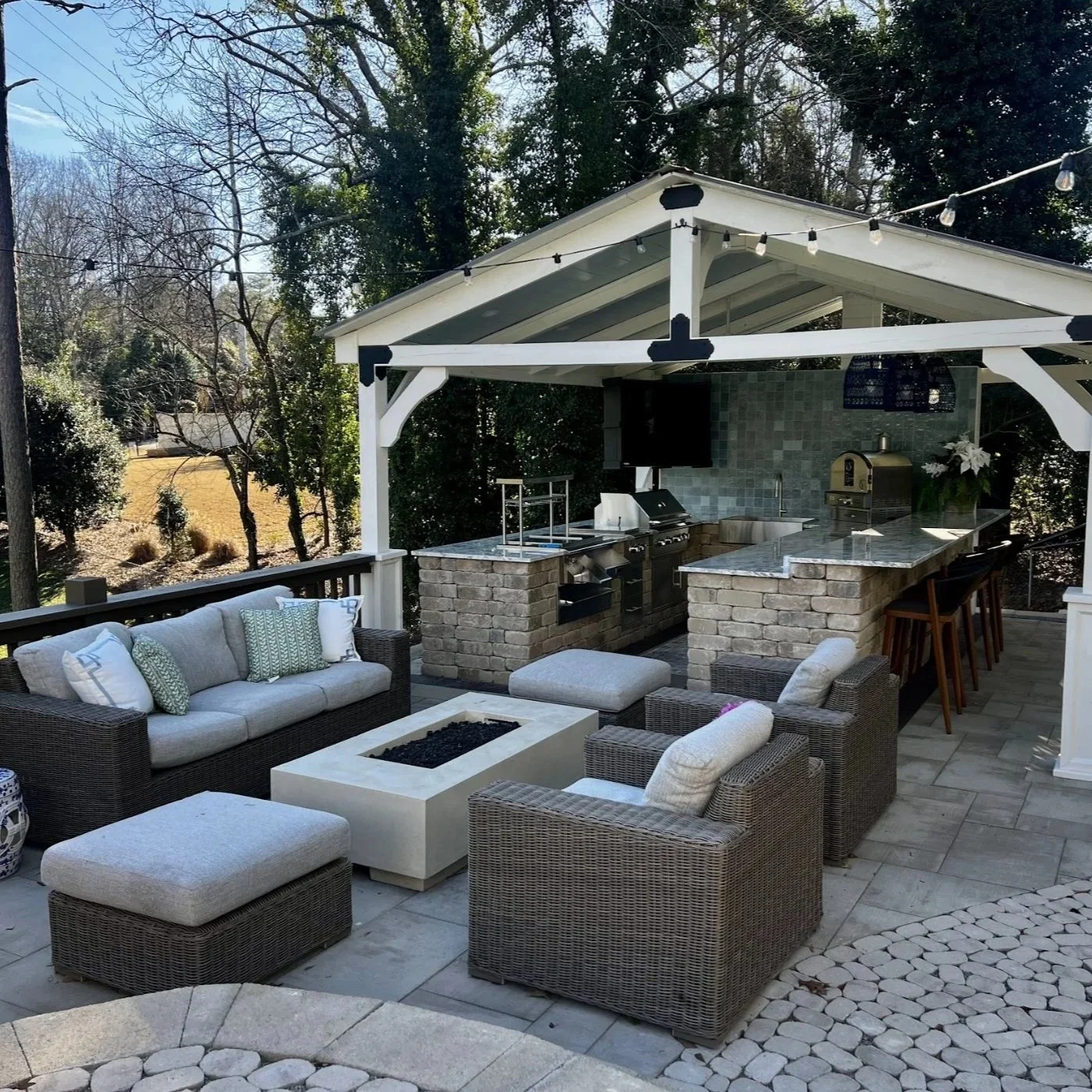
Local landscaping specialist recommends planning fire pit design, materials, and placement carefully to maximize enjoyment and fit Gainesville’s outdoor lifestyle.
Adding a fire pit to your backyard can completely change how you use your outdoor space. In Gainesville, GA—where evenings can be cool enough to enjoy a fire most of the year—a well-planned fire pit becomes a natural gathering spot for family time, entertaining, or quiet relaxation. But budgeting for one involves much more than picking a style and asking for a price. Understanding how design choices, site conditions, materials, labor, and long-term costs all come together will help you avoid surprises and build something you can enjoy for years.
Understanding the Cost Basics of an Outdoor Fire Pit in Gainesville, GA
Before talking numbers, homeowners should clearly define what they want from their fire pit. Some people want a simple, cozy place to sit on fall evenings. Others envision a focal point for a full outdoor living area with seating walls, lighting, and maybe even an outdoor kitchen. The size, complexity, and how the fire pit ties into other features will dramatically influence your budget.
It also helps to align your goals with how you actually plan to use the space. Will it be mostly for family nights, entertaining guests, ambiance, or even cooking? Clarity here prevents “scope creep,” where small upgrades quietly snowball costs. A clear vision makes it easier to plan a budget that fits both your lifestyle and Gainesville’s climate and culture.
Average Cost Ranges and Key Budget Drivers
Fire pit projects in Gainesville generally fall into low, mid, and high pricing tiers. Portable fire pits are the most affordable, while simply built-in wood-burning pits land in the lower to mid range. Mid-range gas fire pits cost more due to burners and fuel connections. High-end custom masonry or hardscape-integrated features can reach the upper tier. Local labor rates and material availability will affect where your project lands.
Quoted prices can vary widely between contractors. Design complexity, finish quality, gas line work, drainage, electrical needs, and grading all influence cost. Very low bids may cut corners on safety or materials. Higher quotes often reflect better workmanship and longer-lasting results, which usually provide better long-term value.
Evaluating Your Outdoor Space and Site Conditions
The size and layout of your yard significantly impact both design and cost. Larger yards allow for bigger features and built-in seating, but increase materials and labor. Smaller yards require careful planning to meet clearance and safety guidelines. Measuring the space, mapping traffic flow, and considering existing patios or decks helps determine the right footprint and avoids expensive changes mid-project.
Gainesville’s rolling terrain adds another layer. Sloped yards may require grading, retaining walls, or drainage solutions. Red clay soil and local drainage patterns can also affect base preparation. While these add to upfront costs, they prevent future problems like erosion or settling.
Access matters too. Easy equipment access speeds up work and lowers labor costs. Narrow gates, fenced yards, or steep driveways increase manual labor and time. Existing structures, trees, irrigation lines, and underground utilities can further complicate things. Planning around them—or integrating the fire pit into an existing patio—takes more design and labor.
Finally, zoning rules, setbacks, and safety clearances influence placement and size. Meeting code may require moving branches, furniture, or even adjusting nearby structures. These details should be addressed early to avoid costly rework.
Choosing the Right Type of Fire Pit for Your Budget
Wood-burning fire pits are popular for their ambiance and crackling sound. They’re usually cheaper to install, especially basic built-in designs, but they come with ongoing costs for firewood, storage, and ash cleanup. Safety features like spark screens and proper clearances are essential.
Gas fire pits—natural gas or propane—offer convenience and easy ignition. They cost more upfront due to burners and fuel connections, and gas work must be handled by licensed professionals. Operating costs include utility usage or propane refills, plus possible inspection fees.
Portable fire pits are the most budget-friendly entry point. They require minimal installation and can be moved around.Built-in fire pits cost more but last longer and integrate better into the landscape. Fire tables and multi-functional designs cost more but can replace furniture pieces and extend outdoor dining season in Gainesville’s mild climate.
Prefab kits offer predictable pricing and faster installation. Custom-built pits allow unlimited flexibility and premium materials but cost more in design and labor. Your choice should reflect both your budget and how long you plan to stay in the home.
Material Choices and Their Budget Impact
Pavers and concrete blocks are popular budget-conscious choices. They’re widely available and easy to install, with styles that match many patios. Higher-quality brands cost more but last longer and need less maintenance.
Natural stone and flagstone create a high-end, organic look that fits North Georgia landscapes. They cost more due to cutting, fitting, and weight. Sourcing local stone can reduce transport costs and support a cohesive design.
Brick offers a classic look and strong durability. Costs depend on brick type and masonry detail. Concrete and stucco finishes provide a modern look at a moderate price but require proper base preparation to avoid cracking.
Small details like stone caps, coping, and decorative trim add up quickly. Thoughtful accents can elevate a budget-conscious fire pit, but they should be chosen selectively.
Labor, Design, and Professional Services
DIY can reduce labor costs but demands tools, time, and knowledge of safety and codes. Hiring a professional makes more financial sense for gas installations, complex designs, or challenging sites.
Some contractors charge design fees for plans or 3D renderings. These fees often pay off by reducing surprises and improving integration with the yard. Labor costs in Gainesville are moderate but rise with complexity. Excavation, base prep, masonry, and gas line installation all factor in.
Specialized trades like plumbers or electricians add separate costs. Seasonal demand also matters. Spring and fall are busy, while off-season work may be cheaper. Rush jobs often carry premium charges.
Permits, Codes, and Insurance in Gainesville, GA
Local codes govern fire pit size, placement, clearances, and fuel type. Non-compliance can lead to fines or forced changes. Some projects require permits, especially those involving gas lines or structural work. Permit fees and inspection costs should be included in the budget.
HOAs may impose additional rules. Ignoring them can lead to mandated removal. Insurance coverage may need adjustment, and properly insured contractors are essential. Gas systems often require final inspections before use.
Fuel, Maintenance, and Long-Term Operating Costs
Wood, natural gas, and propane all have different operating costs. Firewood purchases, gas utility usage, or propane refills add up over time. Maintenance includes ash removal, burner checks, and occasional part replacements.
Protective covers and sealers are modest investments that reduce wear from Gainesville’s humidity and rain. Replacement parts like burners or ignition switches vary in price. Utility bills and possible insurance adjustments should be considered part of the ongoing budget.
Planning the Space Around the Fire Pit
Built-in seating increases material and labor costs but creates a cohesive look. Movable furniture is cheaper and more flexible. Surrounding patios or hardscape expand usable space but add cost. Landscaping, lighting, and accessories improve comfort and aesthetics but can quickly inflate the budget. Many homeowners phase these features over time.
Financing, Quotes, and Avoiding Budget Mistakes
Paying cash avoids interest, while financing spreads payments but increases total cost. Contractors typically require deposits and progress payments. Seasonal promotions or off-season scheduling can reduce costs.
Common budget mistakes include underestimating site prep, ignoring permits, overspending on aesthetics, forgetting operating costs, and skipping a contingency buffer. A 10–20% contingency provides peace of mind.
Creating Your Step-by-Step Budget Plan
Start by listing all major cost categories: design, permits, site prep, materials, labor, hardscaping, seating, landscaping, lighting, and accessories. Rank must-haves versus nice-to-haves. Gather two to three quotes to refine numbers. Add contingency and first-year operating costs. Review and adjust until the total aligns with your comfort level.
Conclusion
Budgeting for an outdoor fire pit in Gainesville, GA is about far more than picking a fire pit and asking for a price. Site conditions, materials, labor, permitting, fuel types, and surrounding features all shape the final cost. By understanding how each decision affects the bottom line, you can approach the project with confidence.
A successful budget blends upfront installation costs with realistic long-term expenses. Define your goals, prioritize must-haves, gather detailed quotes, and leave room for contingencies. With thoughtful planning and the right contractor, you can create a safe, attractive fire pit that enhances outdoor living and delivers lasting value.
FAQs
Costs range from low-tier portable units to high-end custom masonry features. Most built-in projects fall into low, mid, or high pricing tiers depending on materials, fuel type, and site conditions.
Some projects, especially those involving gas lines or structural work, require permits. It’s best to confirm with local authorities or a knowledgeable contractor.
Operating costs vary. Gas is convenient, but it adds to utility bills or propane expenses. Wood requires firewood purchases and storage. Long-term costs depend on usage.
DIY can reduce labor costs but increases risk if safety or code requirements aren’t met. For gas or complex installations, professional work often saves money in the long run.
