
How to Use Retaining Walls to Create Outdoor Living Spaces in Gainesville, GA
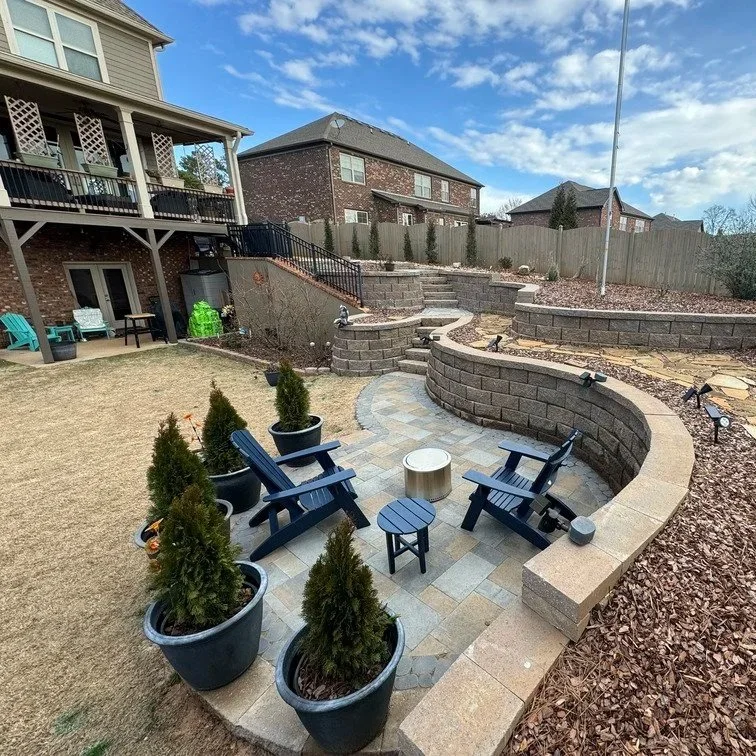
Transform sloped Georgia terrain into functional outdoor living suites using structural retaining walls to create level, tiered patio spaces.
Retaining walls are often seen as purely functional structures, but in Gainesville, GA, they can serve as the foundation for some of the most enjoyable outdoor living spaces on a property. With the area’s rolling terrain, red clay soils, and seasonal heavy rainfall, many yards naturally slope or drain unevenly. Retaining walls make it possible to reclaim those challenging areas and turn them into patios, terraces, seating zones, gardens, and gathering spaces that feel intentional and comfortable.
Understanding the Purpose and Potential of Retaining Walls
At their core, retaining walls are engineered structures designed to hold back soil and stabilize elevation changes. They resist lateral earth pressure, manage gravity, and redirect water to keep slopes secure. Residential retaining walls can range from low garden walls under two feet tall to larger, reinforced systems supporting patios, driveways, or structures. The taller the wall and the more load it carries, the more complex the design becomes, often triggering permitting and engineering requirements.
What makes retaining walls especially valuable is their ability to transform unusable ground. Instead of a steep, eroding hillside that limits outdoor enjoyment, a well-designed wall system can carve out level platforms for dining patios, fire pit lounges, or play areas. In many cases, using multiple shorter walls to terrace a slope creates a more natural look and provides multiple functional zones, rather than relying on a single tall wall that dominates the landscape.
Why Retaining Walls Matter in Gainesville
Gainesville’s landscape conditions make retaining walls particularly useful. Sloped yards with dense red clay soils are prone to erosion and runoff, especially during Georgia’s heavy rain events. Water moving downhill can wash soil toward the home, undermine foundations, and limit safe use of the yard. Retaining walls help manage these challenges by stabilizing slopes, slowing runoff, and creating flat, accessible areas where people can comfortably spend time outdoors. For homeowners who want to take advantage of the mild climate but feel constrained by uneven terrain, retaining walls open up entirely new possibilities.
Beyond solving practical problems, retaining walls add value when they are integrated into outdoor living design. They expand usable square footage, improve circulation through the yard, and help define distinct outdoor “rooms” such as dining areas, lounging spaces, and gardens. Walls can double as seating, provide wind protection, create privacy, and guide foot traffic. Visually, they add structure and architectural interest, framing views and enhancing curb appeal. When thoughtfully designed, these improvements often increase overall property value and make homes more attractive in the Gainesville market.
Planning and Design Considerations
Several types of retaining walls are commonly used in residential projects. Segmental concrete block systems are especially popular for outdoor living spaces because they combine strength, modular flexibility, and a clean, consistent appearance. These systems interlock and can be reinforced with geogrid when needed, making them suitable for both structural walls and lower seating or planter walls. Natural stone walls offer a timeless, high-end look that blends beautifully with wooded lots and traditional Southern homes, though they require skilled installation and a higher budget. Timber walls are sometimes chosen for their rustic appearance and lower upfront cost, but in Gainesville’s humid climate, they tend to have shorter lifespans due to rot and insect damage. Poured concrete and CMU block walls are strong, customizable options often used where higher loads or taller walls are required, typically finished with stone or brick for a residential look.
No matter the material, successful outdoor living spaces start with structure before aesthetics. Proper base preparation, drainage design, reinforcement, and correct wall batter come first. A wall that looks great but lacks proper engineering can fail, damaging patios, decks, and landscaping while creating safety hazards. Once the structure is sound, materials, colors, textures, and finishes can be selected to complement the home and landscape.
Assessing the property is a critical early step. Walking the yard helps identify slopes, elevation changes, and areas that feel awkward or unusable. Homeowners should note the height difference across the yard and where level space would be most valuable, such as directly off the back door or along a side yard. Gainesville’s red clay soils deserve special attention because they drain poorly and exert significant pressure when saturated. Observing how water flows during rain, where it pools, and where erosion occurs helps guide wall placement and drainage planning.
Local regulations also matter. In Gainesville and Hall County, retaining walls above certain heights or those supporting structures may require permits and engineering. Homeowner associations often have additional rules governing height, materials, and placement.
Understanding these requirements early prevents costly redesigns and delays.
Retaining walls that support outdoor living spaces must be designed for the loads they carry. Soil is only part of the equation. Patios, outdoor kitchens, hot tubs, and even regular foot traffic add weight that affects wall design. Taller walls or walls supporting heavy loads typically need deeper bases, reinforcement, and professional engineering. Working with experienced local contractors or engineers is usually the safest and most cost-effective choice over the long term.
Designing Outdoor Living Zones
Once site conditions are understood, planning the outdoor living layout becomes the focus. The most successful designs start with clear goals. Some homeowners prioritize entertaining, while others want quiet relaxation, gardening, or a family play space. These priorities influence where walls are placed and how high they need to be. Retaining walls naturally help divide the yard into zones, creating outdoor rooms that feel defined without being disconnected. A raised dining terrace might overlook a lower fire pit area, while garden terraces step down a side slope.
Integrating walls with existing features is key to a cohesive result. Walls can extend patio edges into seating benches, wrap around decks to frame lower spaces, or align with staircases and walkways. Paying attention to sun, shade, and views is especially important in Gainesville’s warm climate. Walls can help position spaces to capture morning sun, avoid harsh afternoon heat, or screen less desirable views while preserving scenic ones.
Retaining Walls in Action
Retaining walls play a major role in creating patios and dining areas on sloped sites. By cutting into a slope and retaining the downhill side, walls create level surfaces where furniture sits evenly, and people can gather comfortably. Low walls often double as built-in seating, reducing the need for extra furniture and creating a sense of enclosure. Walls can also act as windbreaks and privacy buffers, especially when paired with plantings, making outdoor dining more comfortable and secluded.
Terraced retaining walls take this concept further by creating multiple levels, each with its own function. Upper terraces might host dining or cooking areas, mid-levels could feature gardens or lounges, and lower levels might include fire pits or lawns. Steps and pathways connect these spaces, guiding movement and enhancing the experience of moving through the landscape. Planting beds between terraces softens the hardscape and helps manage runoff, while varied wall heights add visual interest.
Fire pits are a common feature in Gainesville outdoor living spaces, and retaining walls help define them. Walls can create sunken fire pit areas that feel intimate and sheltered, or raised platforms that anchor seating zones. Curved seating walls around fire pits encourage conversation and create a strong focal point. Fire safety is essential and requires non-combustible materials near flames, proper clearances, and attention to smoke movement. Integrated lighting extends usability into the evening and improves safety around steps and edges.
Gardening is another area where retaining walls shine. Low walls can form raised beds and planter edges, improving drainage and making gardening easier on sloped ground. Terraced beds support ornamental and edible plantings, while walls can frame focal garden features like sculptures, fountains, or specimen plants. When combined with vegetation, retaining walls also help control erosion, stabilizing soil through both structure and plant roots.
Water features pair naturally with retaining walls. Walls provide the elevation changes needed for waterfalls and cascades, while ponds and basins can sit at wall bases as focal points. Proper waterproofing, drainage, and structural support are essential to protect wall integrity. When done correctly, the sound and movement of water add a calming dimension to outdoor living spaces.
Drainage, Safety, and Long-Term Performance
Drainage is a non-negotiable aspect of retaining wall design in Gainesville’s rainy climate. Gravel backfill, drain pipes, and weep holes work together to relieve water pressure behind walls. A solid, well-compacted base supports the structure and prevents settling. Taller or heavily loaded walls often require reinforcement, such as geogrid, to tie the wall into the soil mass. Skipping these elements is the most common cause of wall failure, especially in DIY projects.
Safety and accessibility should always be part of the design. Codes may require setbacks, permits, or guardrails near drop-offs. Steps, paths, and ramps should be sized for comfortable use, well-lit, and slip-resistant. Families with children and pets need additional considerations, such as fencing or gated access near tall walls.
Retaining walls also offer opportunities for built-in features and decor. Integrated benches, niches, lighting, and planters make efficient use of space and reduce clutter. Coordinating furniture placement with wall geometry ensures a good flow and comfortable seating. Seasonal planning helps homeowners adapt spaces for summer heat or cooler evenings, extending use throughout the year.
Maintenance keeps these spaces performing and looking their best. Regular inspections for movement or drainage issues, gentle cleaning of wall surfaces, and thoughtful plant and irrigation management all contribute to longevity. Preparing for storms by clearing drains and checking for erosion helps prevent damage after heavy rains.
Working with experienced local professionals can make a significant difference, especially for complex or load-bearing walls. Contractors familiar with Gainesville’s soils, codes, and climate can design systems that integrate seamlessly with patios, lighting, irrigation, and landscaping.
Although construction can be disruptive in the short term, the long-term payoff is substantial.
When designed and built correctly, retaining walls do far more than hold back soil. In Gainesville, GA, they transform sloped, underused yards into layered outdoor living retreats—places to cook, gather, relax, and enjoy the landscape year after year.
FAQs
Costs vary based on wall height, length, materials, site conditions, and added features like patios or lighting. Simple low walls are less expensive, while tall, reinforced walls supporting outdoor living areas require a larger investment.
Walls above certain heights or those supporting structures often require permits and engineering in Gainesville and Hall County. Always check local codes and HOA rules before building.
Segmental concrete block systems, natural stone, and properly engineered concrete or CMU walls tend to perform best in humid, clay-heavy conditions. Timber walls generally have shorter lifespans.
Small, low garden walls may be DIY-friendly, but professionals are best suited to handle walls supporting patios, fire pits, or significant loads to ensure safety, durability, and code compliance.
