
From Grading to Lighting, What Landscape Overhauls Really Involve
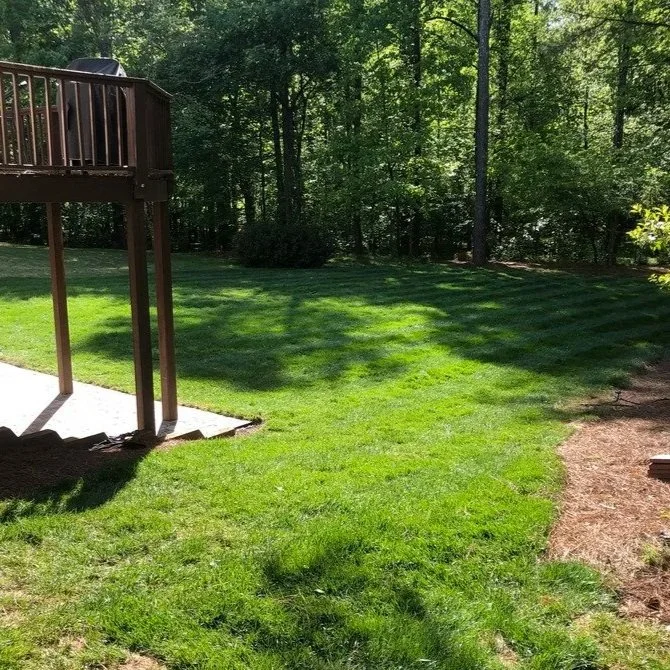
A landscape overhaul can be a significant project that requires expertise, but when done right, it can breathe new life into any outdoor space.
When you think about transforming an outdoor space, it's easy to imagine lush gardens, blooming flowers, and perfect patios. However, landscaping isn't just about what meets the eye. Behind every stunning garden, cozy outdoor lounge, or immaculate backyard lies a careful balance of grading, drainage, hardscaping, and lighting. These foundational elements are what truly make your landscape thrive. A landscape overhaul can be a significant project that requires expertise, but when done right, it can breathe new life into any outdoor space. From the dirt under your feet to the soft glow of landscape lighting at night, here's a look at what goes into creating a beautiful and functional outdoor environment.
Grading: Setting the Stage for Everything Else
Grading is a crucial first step in any landscape overhaul, and it's not something many people think about until it's too late. Proper grading refers to the slope of the ground, which affects both the aesthetic appeal and the functionality of your space. Poor grading can lead to drainage problems, flooding, and even structural damage, such as to patios or retaining walls. In short, grading sets the stage for everything else that follows.
Whether you have a flat yard or one that slopes, the grading process involves adjusting the land's contour to confirm water flows away from structures, preventing erosion and standing water. A properly graded yard will allow water to flow toward a drainage system, keeping your garden and hardscape dry and healthy. It also helps create a level foundation for patios, walkways, and retaining walls, making sure that these structures remain stable over time.
If your yard has an uneven slope, grading can also create a more usable space. By leveling out certain areas, you can create space for outdoor seating, fire pits, or even a raised garden bed. Working with a skilled team that understands the importance of grading guarantees the foundation of your landscape is solid before moving on to other elements.
Drainage: Keeping Water Where It Belongs
Proper drainage goes hand in hand with grading. While grading focuses on shaping the land to direct water away from structures, drainage systems actively manage water flow to prevent damage to the landscape. When it rains, the goal is to direct water into designated areas where it won't pool or erode your yard.
Installing a drainage system involves more than just digging trenches. A landscape professional will assess the layout of your space to identify potential problem areas and install a system tailored to your needs. French drains, swales, and dry wells are common solutions for managing water effectively. Not only does good drainage prevent flooding, but it also helps protect your plants by preventing soil saturation that can cause root rot.
A well-thought-out drainage system can save you from costly repairs down the road. Keeping water away from your home's foundation is especially important to avoid structural issues. Furthermore, efficient drainage also benefits your hardscaping elements by preventing erosion or damage to stone walls, walkways, and other structures.
Hardscaping: Creating the Bones of Your Landscape
Hardscaping refers to the non-living components of your landscape design, such as patios, pathways, retaining walls, and water features. These elements are key to creating the structure and function of your outdoor space. While plants and trees bring life and color, hardscaping provides the solid, functional framework that ties everything together.
When planning hardscaping projects, it's essential to think about how each element will interact with the surrounding landscape. A well-designed patio, for example, serves as both a gathering spot and a visual anchor for the rest of the yard. Retaining walls not only prevent soil erosion but can also create dramatic elevation changes that add visual interest. Meanwhile, pathways guide people through the garden, inviting them to explore.
Incorporating a variety of materials in your hardscape design can boost the overall look of the space. Natural stone, pavers, concrete, and wood all offer different textures and aesthetic possibilities. Mixing and matching materials can create a custom look that complements your home and enhances the natural beauty of your yard.
Lighting: Bringing Your Landscape to Life After Dark
Once grading, drainage, and hardscaping are in place, it's time to think about lighting. Landscape lighting is often the finishing touch that makes all your hard work shine—literally. It's easy to overlook how much lighting can transform a space, but once installed, it's hard to imagine the landscape without it.
Proper lighting not only highlights the beauty of your plants and hardscape features but also increases the usability of your outdoor spaces. Pathway lights can guide guests along walkways, while well-placed spotlights can accentuate beautiful trees, sculptures, or water features. String lights and lanterns make a cozy ambiance around seating areas or fire pits, making your yard feel like a retreat.
Lighting also plays a key role in security. Motion-sensing lights or illuminated entrances can help keep your property safe while providing an inviting glow. Moreover, low-voltage LED lights are energy-efficient, reducing both your carbon footprint and your electricity bill while still illuminating your space effectively.
Maintaining Cohesion with Combined Services
One of the biggest advantages of working with a landscaping company that offers combined services is the seamless integration of grading, drainage, hardscaping, and lighting. A well-coordinated approach from the start means that every element of your landscape works together as a cohesive whole. You won't have to worry about matching materials or about one contractor not understanding the design vision created by another.
Landscape construction is a delicate dance of balancing functional and aesthetic elements. When you work with a team that handles everything from grading to lighting, you can feel confident that all aspects of the design will be executed with a single vision in mind. A unified team delivers efficiency and consistency, making sure that your landscape makeover is completed on time and within budget.
Beyond aesthetics, a cohesive design also provides long-term value. When grading, drainage, hardscaping, and lighting are all considered together, your outdoor space will be durable, functional, and easy to maintain. It will also enhance your property's overall value, making it a space you can enjoy for years to come.
Conclusion
A landscape overhaul isn't just about planting flowers and adding a patio. It involves a thoughtful approach to grading, drainage, hardscaping, and lighting—each element playing a vital role in the function and beauty of your outdoor space. With the right combination of services, you can transform your yard into a visually stunning, low-maintenance environment that serves both your lifestyle and aesthetic preferences. From solid foundations to the final glowing touches, every aspect of your landscape design contributes to creating an outdoor space that's both practical and beautiful.
