
How To Prepare Your Yard for Paver Installation in Gainesville, GA
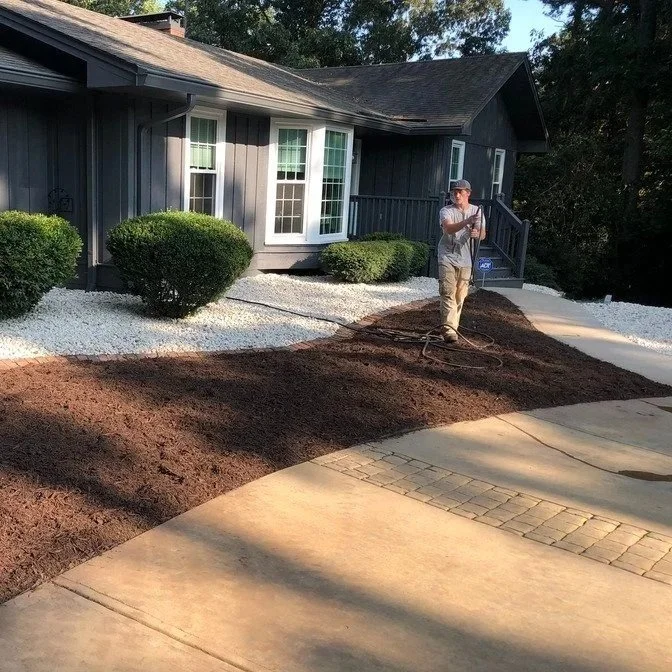
Preparing a Gainesville, GA yard for pavers, assessing soil, slopes, drainage, trees, and existing hardscape before installation.
Assessing Your Property’s Existing Conditions Before Any Work Begins
Preparing a yard for paver installation starts well before excavation equipment arrives. In Gainesville, Georgia, properties often feature a mix of red clay soil, uneven grading, mature trees, and existing hardscape remnants that influence how a project unfolds. Walking the property with a critical eye helps identify factors that affect both installation complexity and long-term performance. Slopes, low spots, and areas where water naturally collects all signal how the base and drainage plan must be shaped to support the finished surface.
Existing features deserve careful consideration rather than quick removal. Underground utilities, irrigation lines, and landscape lighting frequently run through areas homeowners plan to pave. Tree roots, especially from older hardwoods common in Gainesville neighborhoods, can limit excavation depth or require layout adjustments. Taking time to document these conditions avoids surprises that delay projects or compromise structural integrity later. Preparation at this stage sets realistic expectations and allows installation plans to align with the property’s natural characteristics rather than fighting against them.
Understanding Soil Composition And Why It Matters For Paver Performance
Soil type plays a defining role in how pavers perform over time, and Gainesville’s clay-heavy soil presents unique challenges. Clay expands when wet and contracts as it dries, creating movement beneath hardscape surfaces. Without proper preparation, that movement leads to settling, uneven joints, and surface shifting. Recognizing soil behavior helps explain why base preparation often accounts for a significant portion of installation labor.
Before excavation begins, installers evaluate soil stability and drainage capacity. In some areas, clay density supports load well once compacted. In others, moisture retention demands deeper base layers or additional drainage measures. Ignoring soil conditions leads to premature failures that surface months or years later. Preparing the yard with soil behavior in mind allows the paver system to perform as designed, even through Gainesville’s cycles of heavy rain and dry spells.
Clearing And Demolition Of Existing Surfaces
Removing existing materials marks the first visible step in yard preparation. Old concrete slabs, walkways, or failing patios must be removed completely rather than built over. Partial removal leaves unstable material beneath the new surface, increasing the risk of settling. In Gainesville properties, previous installations sometimes sit on thin bases that no longer meet current standards, making full demolition necessary.
Clearing vegetation also requires thoughtful execution. Grass, roots, and organic material must be removed to prevent decomposition beneath the pavers. Organic matter breaks down over time, creating voids that compromise stability. Proper clearing exposes the native soil and provides a clean foundation for base construction. This phase often reveals hidden conditions such as buried debris or inconsistent soil layers that influence subsequent preparation steps.
Establishing Proper Grading And Drainage Paths
Grading determines how water moves across and away from the finished paver surface. In Gainesville, where rainfall can arrive suddenly and heavily, improper grading leads to pooling, erosion, and water intrusion near foundations. Yard preparation includes reshaping the ground to direct water intentionally rather than allowing it to find its own path.
Installers evaluate slope requirements based on surface size, proximity to structures, and surrounding terrain. Even subtle adjustments influence long-term performance. Drainage considerations extend beyond the paved area itself. Adjacent lawns, beds, and downspout discharge points all affect how water interacts with the new surface. Preparing the yard with a comprehensive drainage plan protects both the pavers and the surrounding landscape.
Planning For Base Depth And Material Requirements
The base layer beneath pavers carries the weight of foot traffic, furniture, and vehicles while resisting movement from soil expansion. Yard preparation involves excavating to a depth that accommodates base materials, bedding layers, and the pavers themselves. In Gainesville’s soil conditions, base depth often exceeds what homeowners expect, especially for driveways or large patios.
Material selection matters as much as depth. Clean, angular aggregate compacts tightly and allows water to move through the base without trapping moisture. Preparing the yard includes staging materials and confirming access routes for delivery equipment. Insufficient excavation depth or improper base material selection creates performance issues that surface long after installation appears complete.
Managing Tree Roots And Vegetation Challenges
Trees contribute shade and character to Gainesville landscapes, but their root systems complicate paver installation. Yard preparation involves evaluating which roots can be safely trimmed and which require layout adjustments. Aggressive root removal threatens tree health, while ignoring roots risks surface displacement as roots continue to grow.
Professional preparation balances hardscape goals with long-term landscape health. In some cases, rerouting a walkway or patio edge preserves mature trees while still achieving functional outdoor space. Root barriers or reinforced base designs may also play a role. Thoughtful planning during yard preparation prevents future conflicts between pavers and living elements.
Access Planning And Jobsite Logistics
Preparing a yard extends beyond the installation footprint. Access planning determines how crews, equipment, and materials move across the property without damaging existing features. Narrow side yards, fences, and elevation changes common in Gainesville neighborhoods affect staging decisions.
Homeowners benefit from discussing access needs early. Temporary removal of gates or sections of fencing may be required. Protecting lawns and driveways from heavy equipment prevents collateral damage that distracts from the finished project. Clear communication about logistics streamlines installation and reduces disruption to daily routines.
Setting Expectations For Temporary Disruption
Yard preparation brings noise, dust, and temporary inconvenience. Understanding what to expect helps homeowners navigate the process with less frustration. Excavation alters the landscape visually before improvements take shape, which can feel unsettling without proper context.
Discussing timelines, work hours, and restoration plans clarifies how long each phase lasts. Preparation may take several days, depending on site complexity and weather conditions. Setting expectations early allows homeowners to focus on the long-term outcome rather than short-term disruption.
Coordinating Utilities And Irrigation Before Installation
Utility coordination often determines whether a paver project progresses smoothly or stalls midstream. In Gainesville yards, irrigation lines, low-voltage lighting, drainage pipes, and gas lines frequently cross areas targeted for new hardscape. Preparing the yard means locating and marking these systems before excavation begins, not reacting after a line is exposed or damaged. Even shallow irrigation lines can interfere with base depth requirements if left unaddressed.
Adjustments may involve rerouting irrigation zones, relocating valve boxes, or modifying lighting layouts so they remain accessible after installation. Ignoring these elements creates long-term headaches when repairs require cutting into finished pavers. Proper preparation treats utilities as part of the overall system rather than obstacles to work around. Taking time to coordinate utilities preserves functionality while protecting the investment in the new surface.
Establishing Edge Restraints And Containment Zones
Edge restraint planning begins before any base material is placed. Pavers rely on solid containment to prevent lateral movement under load. In Gainesville, where clay soil expands and contracts, edges experience consistent pressure over time. Yard preparation includes determining where rigid edging, concrete restraints, or integrated borders will sit relative to the finished grade.
Edge planning also affects transitions between pavers and surrounding landscape features. Lawn edges, planting beds, and adjacent hardscape all require clean, intentional boundaries. Without proper restraint placement, even a well-compacted base eventually shifts. Preparing the yard with clear containment zones supports surface stability and reduces long-term maintenance needs.
Accounting For Weather And Seasonal Timing
Weather influences every phase of yard preparation in Gainesville. Rainfall affects soil moisture, compaction quality, and excavation schedules. Preparing the yard includes monitoring weather patterns and adjusting timelines accordingly. Working saturated soil compromises compaction and leads to uneven settling later.
Seasonal considerations also matter. Summer heat accelerates drying but increases crew fatigue and dust control needs. Cooler months offer more stable working conditions but may bring extended wet periods. Preparation plans that account for seasonal realities help maintain quality rather than forcing progress under unfavorable conditions. Flexibility during preparation supports better outcomes without rushing critical steps.
Confirming Layout And Design Before Excavation
Finalizing layout details before excavation prevents costly revisions. Yard preparation includes confirming dimensions, elevations, patterns, and transitions, while changes remain easy to implement. Stake placement, string lines, and spray markings provide visual references that help homeowners and installers align expectations.
In Gainesville, properties with irregular shapes or elevation changes, small layout adjustments significantly impact usability. Confirming seating areas, walk paths, and access points avoids awkward spacing once pavers are set. Preparation serves as the final checkpoint to verify that design decisions translate effectively to the physical space.
Preparing Adjacent Structures And Surfaces
Paver installation often interfaces with existing structures such as foundations, steps, porches, and retaining walls. Yard preparation involves protecting these elements and planning how new surfaces meet them. Proper clearances prevent moisture issues and maintain structural integrity.
Expansion gaps, flashing considerations, and elevation alignment all factor into preparation. Without careful planning, pavers may sit too high against siding or trap water near foundations. Preparing the yard with attention to these transitions safeguards both the new hardscape and existing structures.
Managing Soil Compaction And Subgrade Stability
Compaction begins at the subgrade level, not after base materials are installed. Yard preparation includes compacting native soil to reduce future settlement. In Gainesville’s clay soils, moisture content affects compaction quality significantly. Soil that is too wet or too dry fails to achieve uniform density.
Proper preparation involves conditioning the soil and compacting in controlled passes. Subgrade stability supports the layers above and determines how evenly loads distribute across the surface. Skipping or rushing this step leads to performance issues that surface long after installation appears complete.
Planning For Long-Term Maintenance Access
Yard preparation should account for future access needs. Drain cleanouts, irrigation controls, and utility access points must remain reachable after pavers are installed. Preparing the yard with removable sections or designated access zones avoids destructive repairs later.
In Gainesville homes with mature landscapes, maintenance access often dictates layout adjustments. Planning for the long term reflects a practical approach that prioritizes functionality alongside appearance. Preparation that anticipates future needs protects the investment over the life of the hardscape.
Aligning Expectations Between Homeowner And Installer
Clear communication during yard preparation establishes a shared understanding of scope, sequence, and outcomes. Discussing what preparation includes and what it does not prevents misunderstandings. In Gainesville projects, preparation complexity varies widely based on property conditions, making transparency essential.
Homeowners benefit from understanding why preparation steps matter and how they influence durability. Installers benefit when expectations align with site realities. Preparation becomes a collaborative phase that sets the tone for the entire project rather than a rushed preliminary task.
FAQs
Preparation time varies based on site conditions, existing surfaces, and drainage needs. Many Gainesville projects require several days of preparation before pavers are installed.
Proper excavation allows space for base materials that support weight and manage soil movement. Insufficient depth leads to settling and uneven surfaces over time.
Not always. Some roots can be accommodated through design adjustments or barriers. Removing major roots may harm trees and should be evaluated carefully.
Irrigation lines often need to be relocated or adjusted rather than removed. Addressing irrigation during preparation prevents future access issues.
Yes. Proper preparation improves drainage by directing water away from foundations and preventing pooling near structures.
