
A Guide to Eco-Friendly and Permeable Paver Choices in Gainesville
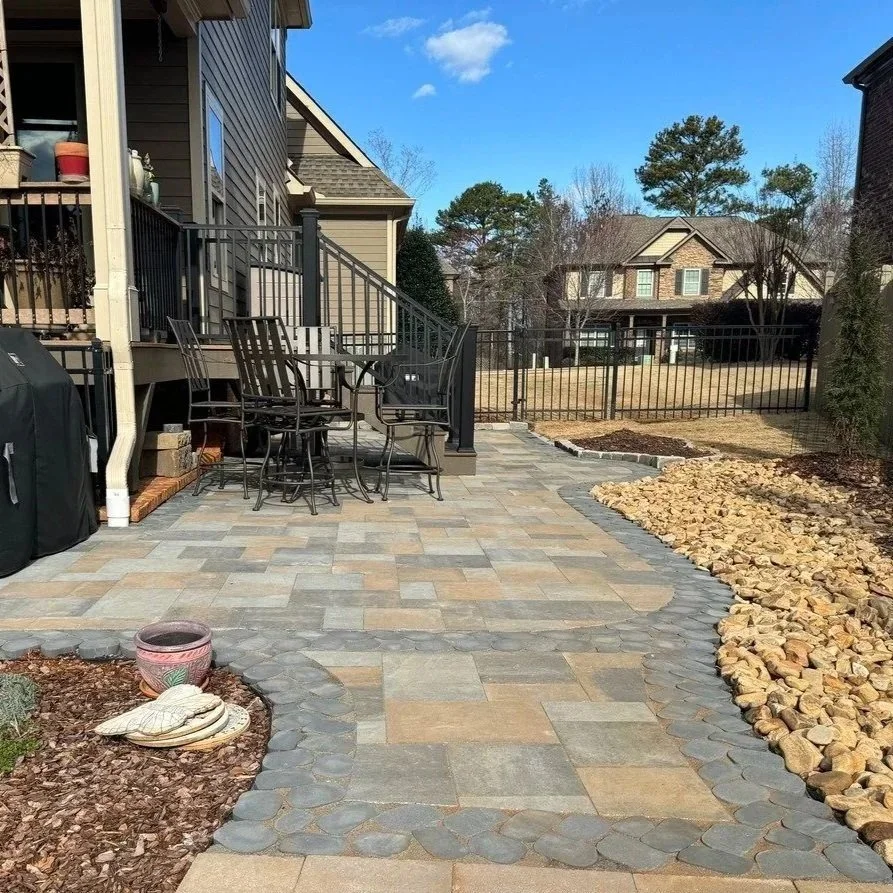
Permeable pavers in Gainesville help water soak into the ground, preventing erosion and improving sustainable landscape drainage.
Understanding Why Permeable Pavers Matter In Gainesville Landscapes
Permeable pavers address a challenge that many Gainesville homeowners experience without always recognizing it as a system problem. Heavy rain events, clay-heavy soils, and sloped properties combine to move water quickly across hard surfaces. Traditional patios and driveways push that water toward foundations, garden beds, and neighboring properties. Over time, runoff contributes to erosion, pooling, and drainage failures that feel disconnected from the surface materials themselves. Permeable paver systems change how water behaves at ground level by allowing it to move downward rather than outward.
In Gainesville, Georgia, rainfall patterns fluctuate between long dry spells and intense storms that overwhelm standard drainage paths. Permeable pavers slow water movement, reducing surface runoff and allowing soil below to absorb moisture gradually. That process eases pressure on storm drains and minimizes erosion around patios and walkways. Homeowners often notice fewer puddles, less muddy runoff, and improved landscape stability once water has a place to go. Understanding that permeable pavers function as part of a water management system helps explain why they perform differently from traditional hardscape materials.
How Permeable Paver Systems Actually Work
Permeable paver systems rely on more than the pavers themselves. The visible surface represents only one component of a layered structure designed to manage water. Beneath the pavers sits a bedding layer made of clean, angular aggregate. Below that lies a thicker base layer that stores water temporarily before releasing it into the surrounding soil. Each layer plays a role in controlling how quickly water moves and how evenly it disperses.
In Gainesville installations, soil conditions influence how these layers are designed. Clay soils require deeper aggregate bases to accommodate slower infiltration rates, while sandy soils allow for more rapid absorption. The pavers themselves feature wider joints filled with permeable aggregate rather than compacted sand. Water passes through those joints and filters downward instead of flowing across the surface. When installed correctly, the system handles heavy rainfall without surface flooding, even during storms that overwhelm nearby hardscape.
Eco-Friendly Benefits Beyond Drainage Control
Permeable pavers support environmental goals that extend beyond drainage. By allowing water to filter through soil, these systems help recharge groundwater rather than sending runoff into storm drains. Pollutants such as oil residue, fertilizer, and debris settle or break down within the soil layers instead of washing directly into streams. In Gainesville, where residential development continues to expand, reducing runoff pollution protects local waterways and downstream ecosystems.
Temperature regulation represents another often overlooked benefit. Traditional concrete and asphalt surfaces absorb and radiate heat, contributing to warmer outdoor spaces. Permeable pavers, particularly those made from lighter-colored or natural materials, reduce surface temperatures by allowing moisture movement and airflow below. Homeowners notice cooler patios and walkways during summer months, making outdoor areas more comfortable while supporting broader environmental goals.
Concrete Permeable Pavers And Their Performance
Concrete permeable pavers remain one of the most common eco-friendly choices for Gainesville homes. Manufacturers design these pavers with consistent shapes and engineered void spaces that support reliable infiltration rates. Concrete options offer versatility in color, texture, and pattern while delivering predictable performance. Their uniformity allows installers to create stable surfaces that resist shifting when installed over properly prepared bases.
Concrete permeable pavers perform well in high-traffic areas such as driveways and walkways. Their strength handles vehicle loads while maintaining water flow through joints. In Gainesville’s climate, freeze-thaw cycles occur less frequently than in colder regions, reducing stress on concrete materials. Homeowners appreciate the balance of durability, appearance, and environmental benefit that concrete permeable systems provide when installed and maintained correctly.
Natural Stone and Gravel-Based Permeable Options
Natural stone and gravel systems offer another approach to permeable design. Loose stone patios, decomposed granite pathways, and gravel driveways allow water to infiltrate naturally without rigid paver units. These systems blend easily into Gainesville landscapes and complement garden-focused designs. Stone materials vary in size and shape, creating surfaces that feel informal and organic.
Performance depends heavily on proper containment and base preparation. Without edging and layered support, gravel migrates and compacts unevenly over time. Well-designed systems use stabilization grids or edging to maintain surface integrity while preserving permeability. Natural stone permeable surfaces require periodic maintenance, including replenishing aggregate and managing vegetation growth. Homeowners who appreciate a natural aesthetic often accept these maintenance needs in exchange for flexibility and environmental benefits.
Porous Concrete And Permeable Materials
Porous concrete and pervious materials differ from traditional pavers by forming continuous surfaces with interconnected voids. Water passes directly through the material rather than through joints. These systems handle high volumes of runoff efficiently and work well for larger surfaces where jointed pavers may feel visually busy.
In Gainesville, porous concrete requires careful installation and curing to prevent clogging. Fine sediments, leaves, and debris can block pores if maintenance routines are neglected. When maintained properly, pervious materials deliver excellent infiltration rates and reduce runoff dramatically. Homeowners considering these systems should understand that performance relies on ongoing surface cleaning to preserve permeability.
Soil Conditions And Site Planning Considerations
Every permeable system depends on underlying soil conditions. Gainesville properties vary widely in slope, soil composition, and drainage behavior. Clay-rich soils absorb water slowly, which influences base depth and material selection. Sloped properties require additional planning to prevent water from moving laterally within the system.
Site evaluation determines whether permeable pavers function as standalone solutions or require supplemental drainage features. In some cases, underdrains direct excess water away from foundations or sensitive areas. Understanding that permeable pavers integrate with broader site planning helps homeowners set realistic expectations. These systems manage water effectively, but they perform best when tailored to the specific conditions of the property.
Maintenance Requirements For Long-Term Performance
Permeable pavers demand a different maintenance mindset than traditional hardscape. Rather than sealing surfaces to repel water, maintenance focuses on preserving infiltration pathways. Periodic sweeping or vacuuming removes debris that could clog joints or pores. In Gainesville, falling leaves and pollen make seasonal cleaning especially important.
Weed growth appears less frequently in properly installed permeable systems, but occasional vegetation may emerge in joints. Managing growth early prevents root intrusion that affects water flow. Maintenance schedules vary based on tree cover, usage, and weather patterns. Homeowners who understand these routines typically find permeable systems manageable and rewarding over time.
Cost Considerations And Long-Term Value
Eco-friendly permeable pavers often carry higher upfront costs than traditional materials. Additional excavation, specialized aggregate, and skilled installation contribute to pricing differences. However, long-term value offsets initial investment through reduced drainage repairs, erosion control, and landscape preservation.
In Gainesville, permeable systems may reduce the need for supplemental drainage structures, saving costs over time. Improved water management also protects foundations and planting areas. When viewed as infrastructure rather than decorative surfaces, permeable pavers represent a strategic investment in property resilience.
Balancing Aesthetics With Environmental Goals
Homeowners sometimes worry that eco-friendly pavers limit design options. Modern permeable systems offer a wide range of styles, colors, and layouts that rival traditional hardscape. Concrete pavers mimic natural stone, while gravel and stone systems create relaxed garden aesthetics.
Design success depends on aligning material choice with property style and usage. Eco-friendly does not mean sacrificing appearance. Thoughtful selection allows Gainesville homeowners to achieve both visual appeal and responsible water management within their landscapes.
Integrating Permeable Pavers With Existing Landscaping Features
Permeable pavers perform best when integrated intentionally with surrounding landscape elements rather than treated as isolated surfaces. In Gainesville properties, patios and walkways often intersect with lawn areas, garden beds, retaining walls, and drainage swales. How these elements interact influences water movement and long-term stability. When permeable pavers transition smoothly into turf or planting zones, runoff disperses naturally rather than concentrating at hard edges. That dispersion reduces erosion and supports healthier soil conditions across the property.
Landscape grading plays a major role in successful integration. Slopes should guide water toward permeable surfaces instead of away from them. Downspouts, roof runoff, and yard drains often benefit from being directed toward permeable paver areas where water can infiltrate safely. Coordinating hardscape and softscape features transforms permeable pavers into active components of the landscape’s water management strategy rather than decorative add-ons.
Permeable Pavers In High Traffic And Load-Bearing Areas
Homeowners sometimes hesitate to use permeable systems in driveways or frequently used walkways due to concerns about strength. Modern permeable paver systems address these concerns through engineered base layers and high-strength surface materials. In Gainesville residential settings, permeable concrete pavers routinely support vehicle traffic when installed with appropriate base depth and compaction.
Load distribution occurs across the aggregate layers beneath the pavers rather than relying solely on the surface material. That structure allows permeable systems to perform comparably to traditional pavements while managing water effectively. Proper installation remains critical, as insufficient base preparation leads to settling regardless of permeability. When designed for the intended load, permeable pavers handle daily use without sacrificing environmental performance.
Addressing Clogging And Sediment Management Over Time
One of the most common misconceptions about permeable pavers involves clogging. While sediment accumulation can reduce infiltration if ignored, proper design and routine care prevent most issues. In Gainesville, fine clay particles and organic debris represent the primary clogging risks. Preventive strategies begin during installation by using clean, angular aggregates that resist compaction and migration.
Ongoing care focuses on keeping surfaces free of soil, mulch, and leaf buildup. Avoiding the use of fine sand or loose soil near permeable areas limits sediment introduction. When infiltration slows, professional vacuuming restores performance without dismantling the system. Understanding that permeability maintenance differs from traditional sealing helps homeowners preserve function without excessive effort.
Regulatory And Community Benefits Of Permeable Systems
Permeable pavers support broader community goals related to stormwater management and environmental protection. In many Georgia municipalities, reducing runoff aligns with local planning initiatives aimed at protecting waterways and managing growth responsibly. While residential homeowners may not encounter formal requirements, permeable systems contribute positively to neighborhood drainage conditions.
In Gainesville developments, permeable pavers can reduce strain on shared drainage infrastructure during heavy rain events. Lower runoff volumes decrease the likelihood of localized flooding and erosion along streets and shared green spaces. These collective benefits reinforce the value of permeable systems beyond individual property lines, even when regulations do not mandate their use.
Choosing The Right Permeable Solution For Your Property
Selecting an eco-friendly permeable paver system involves balancing aesthetics, performance, maintenance preferences, and site conditions. Concrete permeable pavers suit homeowners seeking structure and consistency. Natural stone and gravel appeal to those who favor organic designs and flexibility. Porous concrete supports larger surfaces where seamless appearance matters.
In Gainesville, successful projects begin with realistic expectations and thoughtful planning. Consulting experienced professionals helps match system design to soil conditions, slope, and usage patterns. Viewing permeable pavers as infrastructure rather than surface finishes supports informed decisions that deliver long-term value and environmental benefit.
FAQs
Permeable pavers allow rainwater to filter into the ground instead of running off into storm drains. That process reduces erosion, helps recharge groundwater, and limits pollutants entering local waterways.
Yes, permeable systems can perform well in clay soils when designed with deeper aggregate bases that store water and release it gradually. Proper site evaluation and base design remain essential.
Maintenance typically involves periodic sweeping or vacuuming to remove debris that could clog joints or pores. Gainesville properties with heavy tree cover may require more frequent attention.
Permeable pavers support vehicle loads when installed with appropriate base depth and materials. Many residential driveways in North Georgia use permeable systems successfully.
Initial installation costs are often higher due to additional materials and labor. Long-term savings come from reduced drainage repairs and improved landscape durability.
