
Exploring Natural Stone Paver Options in Gainesville, GA
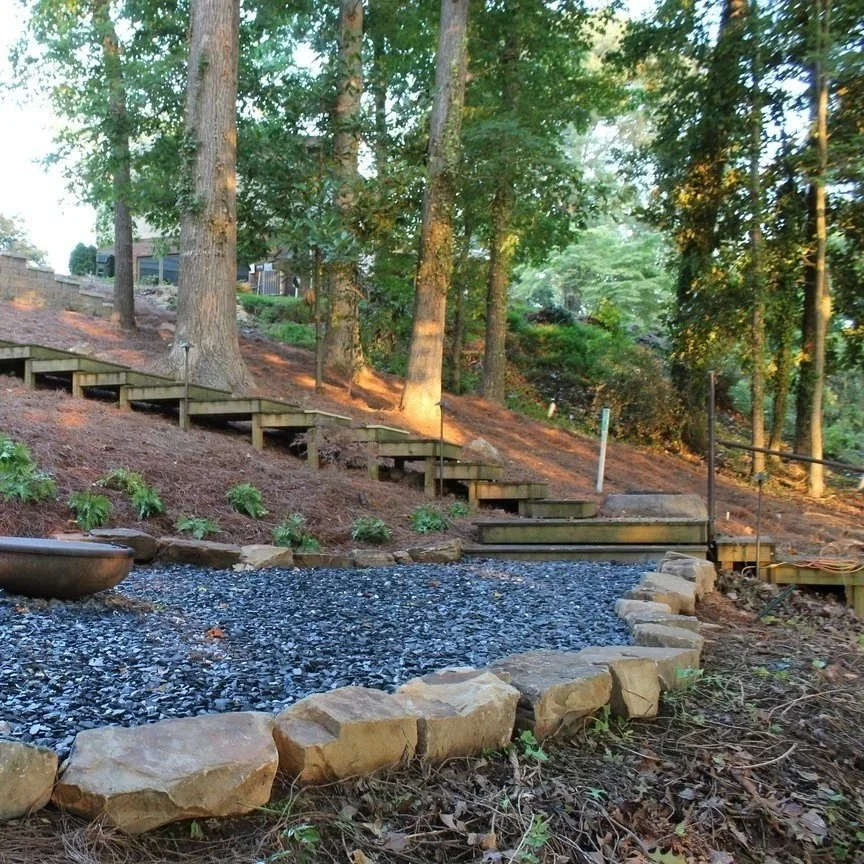
Elegant natural stone pavers blend seamlessly with Gainesville landscapes, offering durability, texture, and timeless outdoor charm.
Why Natural Stone Pavers Are Popular In Gainesville Landscapes
Natural stone pavers continue to attract Gainesville, GA, homeowners because they offer a balance of durability, character, and connection to the surrounding environment. Unlike manufactured materials, natural stone brings variation in color, texture, and shape that feels organic rather than uniform. In a region where landscapes often feature mature trees, rolling terrain, and established neighborhoods, stone blends naturally into outdoor spaces without looking overly engineered. Each installation carries subtle differences that give patios, walkways, and gathering areas a sense of permanence and individuality.
Gainesville’s climate plays a role in this popularity as well. Frequent rain, humidity, and seasonal temperature changes place demands on outdoor surfaces that natural stone can handle when selected carefully. Stone pavers have been used in outdoor applications for centuries, long before modern drainage systems and engineered bases existed. That history matters in a place like North Georgia, where moisture and soil movement challenge less forgiving materials. Homeowners drawn to natural stone often value both its visual appeal and its ability to age gracefully under real-world conditions rather than striving to look brand new year after year.
Understanding How Natural Stone Behaves In Georgia Weather
Natural stone reacts to weather differently depending on its density, composition, and finish. In Gainesville, rainfall and humidity influence how stone absorbs moisture, how quickly it dries, and how its surface texture evolves over time. Dense stones shed water more efficiently, while more porous varieties absorb moisture and darken temporarily during wet periods. Temperature fluctuations add another variable, as stone expands and contracts subtly with heating and cooling cycles.
Ignoring these behaviors leads to performance issues that homeowners often mistake for installation flaws. A stone that stays damp longer may develop surface growth in shaded areas. Irregular shapes require precise base preparation to avoid rocking or settling after heavy rain. Understanding stone behavior allows installations to work with the environment rather than fighting it. In Gainesville landscapes, natural stone performs best when its inherent properties align with how water moves through the site and how the patio or walkway will be used across seasons.
Flagstone Pavers And Their Organic Appeal
Flagstone remains one of the most recognizable natural stone options in Gainesville. Typically quarried in irregular shapes, flagstone creates patios and walkways with flowing, organic layouts that complement natural landscapes. Colors range from earthy browns and grays to subtle blues, allowing designs to blend into wooded or garden-focused settings. Homeowners often choose flagstone for spaces meant to feel relaxed and informal rather than tightly structured.
Performance in Gainesville depends on stone selection and installation method. Dense flagstone varieties handle moisture well and resist surface degradation during heavy rain. Thinner or softer flagstone may require additional support to prevent cracking or uneven settling. Joints between stones influence drainage and stability, especially during prolonged wet periods. When installed with attention to base depth and joint treatment, flagstone offers reliable performance and visual warmth that suits North Georgia outdoor spaces.
Slate Pavers And Refined Surface Texture
Slate pavers bring a more refined appearance compared to irregular flagstone while retaining natural variation. Characterized by flatter surfaces and layered texture, slate offers a balance between rustic and modern design. In Gainesville homes with transitional architecture, slate often bridges traditional and contemporary elements effectively. Its natural cleft surface provides traction during wet conditions, which benefits patios and walkways exposed to frequent rain.
Slate’s performance depends heavily on stone quality. Dense slate resists moisture intrusion and maintains surface integrity over time, while lower-quality slate may delaminate or flake when exposed to repeated wet-dry cycles. Installation precision matters, as slate’s flatter profile highlights uneven base preparation more readily. In Gainesville’s climate, selecting high-grade slate and pairing it with proper drainage supports long-term durability while preserving its refined appearance.
Limestone Pavers And Their Subtle Aesthetic
Limestone pavers offer a softer, more uniform look that appeals to homeowners seeking understated elegance. Light color tones reflect sunlight, helping patios feel brighter even in shaded areas. Limestone integrates well into Gainesville landscapes that emphasize open outdoor living spaces and garden views. Its smoother surface creates a cohesive appearance that works well for seating areas and gathering spaces.
Moisture interaction presents important considerations for limestone. As a more porous stone, limestone absorbs water readily, which affects drying time after rain. Proper sealing helps limit staining and surface discoloration caused by organic debris. Base preparation and drainage play critical roles in preventing long-term moisture issues. Limestone performs well in Gainesville when homeowners understand its maintenance needs and accept that its appearance will evolve subtly over time rather than remaining static.
Granite Pavers And Exceptional Durability
Granite pavers represent one of the most durable natural stone options available. Extremely dense and resistant to moisture absorption, granite handles Gainesville’s rainfall and humidity with minimal impact. Its strength supports heavy loads, making it suitable for driveways, walkways, and patios that experience frequent foot traffic. Granite’s resistance to surface wear allows it to maintain its appearance even under demanding conditions.
Visual variation in granite tends to be more subtle than in other stones, often featuring speckled patterns rather than dramatic color shifts. This makes granite a strong choice for homeowners prioritizing performance and longevity over pronounced texture. Installation requires careful leveling due to the stone’s hardness and weight. When installed properly, granite pavers offer long-term reliability in North Georgia environments where durability ranks as a primary concern.
Sandstone Pavers And Warm Color Variation
Sandstone pavers introduce warm tones that range from golds and reds to soft browns. These colors complement Gainesville’s natural surroundings, especially in landscapes with extensive greenery. Sandstone’s surface texture provides good traction, which benefits outdoor areas exposed to rain. Homeowners often choose sandstone for patios that aim to feel inviting and visually rich.
Performance considerations center on sandstone’s porosity. Softer varieties absorb moisture more readily, which can lead to surface wear or discoloration over time. Selecting dense sandstone and applying appropriate sealing reduces these risks. Installation methods that promote drainage beneath the stone help preserve structural stability. Sandstone rewards thoughtful selection and maintenance with a distinctive appearance that enhances outdoor spaces in North Georgia.
How Stone Thickness And Cut Affect Performance
Stone thickness and cut influence how natural stone pavers respond to Gainesville’s weather. Thicker stones distribute load more evenly and resist cracking caused by ground movement or moisture-related settling. Thin stone may suit decorative applications, but often requires reinforced bases to perform reliably under foot traffic. Irregular cuts create organic layouts but demand skilled installation to maintain surface consistency.
Uniformly cut stone offers cleaner lines and predictable joint spacing, which supports even drainage and easier maintenance. In Gainesville’s rain-prone environment, predictable water movement beneath the surface reduces long-term issues. Homeowners should consider how the thickness and cut align with the intended use and site conditions. These factors affect not only immediate appearance but also how the stone performs years after installation.
Base Preparation And Drainage For Natural Stone Installations
Base preparation represents one of the most critical elements in natural stone performance. Gainesville’s clay soils expand when wet, increasing pressure beneath patios and walkways. A properly compacted base distributes that pressure and allows moisture to drain away rather than pooling beneath the stone. Without adequate preparation, even the most durable stone will shift or settle unevenly.
Drainage planning includes slope, base materials, and joint treatment. Water should move away from structures and disperse gradually into the surrounding soil. In North Georgia, where heavy rain events occur regularly, drainage failures lead to long-term performance issues that are difficult to correct after installation. Successful natural stone installations treat the base as part of the system rather than an afterthought.
Jointing Options And How They Affect Longevity
Jointing plays a major role in how natural stone pavers perform in Gainesville landscapes. The spaces between stones control water movement, surface stability, and long-term maintenance demands. Loose fill joints using gravel or sand allow water to drain quickly, which helps during heavy rain events common in North Georgia. These joints also accommodate slight stone movement caused by soil expansion without forcing stones to crack or heave. Organic debris tends to collect in open joints, which introduces routine cleaning considerations that homeowners should expect rather than view as defects.
Mortared or polymer-modified joints create a more finished appearance and reduce weed growth, but they behave differently under moisture pressure. In Gainesville’s climate, rigid joints require precise drainage planning to avoid trapping water beneath the surface. When water cannot escape, pressure builds during saturation events and stresses both the joint material and the stone edges. Flexible jointing systems often strike a balance by limiting weed intrusion while still allowing minor movement. Selecting the right jointing approach depends on how the space will be used, how much maintenance feels reasonable, and how water flows across the property.
Surface Finish And Slip Resistance In Wet Conditions
Surface finish affects both appearance and safety, especially in a region where rain arrives frequently and unpredictably. Natural stone finishes range from smooth honed surfaces to rough cleft or thermal textures. Smooth finishes create a refined look but may become slick when wet, particularly around pools or shaded patios. Textured finishes improve traction and reduce slip risk, which matters for families and guests navigating outdoor spaces during damp conditions.
In Gainesville, algae and mildew growth can also affect surface grip over time. Stones with natural texture hide minor growth better and maintain traction longer between cleanings. Smooth stones show buildup more clearly and may require more frequent maintenance to keep surfaces safe. Matching surface finish to location and usage patterns supports both comfort and long-term usability without sacrificing visual appeal.
Maintenance Expectations For Natural Stone In North Georgia
Natural stone requires ongoing care, but maintenance demands vary widely by stone type and installation method. Dense stones like granite demand minimal attention beyond periodic cleaning. More porous stones, such as limestone and sandstone, benefit from sealing to limit staining and moisture absorption. Sealing schedules depend on exposure, shade, and foot traffic rather than a fixed timeline, which surprises homeowners expecting uniform routines.
Gainesville’s tree canopy contributes leaves, pollen, and organic debris that interact with stone surfaces. Regular sweeping and occasional rinsing prevent buildup that leads to staining or biological growth. Maintenance feels manageable when homeowners understand that natural stone develops character over time rather than remaining pristine. Accepting subtle changes in color and texture helps align expectations with real-world performance in North Georgia environments.
Long-Term Aging And Visual Evolution Of Stone Pavers
One of natural stone’s defining traits involves how it ages. Unlike manufactured pavers designed to retain a consistent appearance, stone evolves gradually under the sun, rain, and use. Colors soften, textures mellow, and minor surface changes create depth rather than damage. In Gainesville landscapes, this aging often enhances visual integration with surrounding gardens and hardscape features.
Problems arise when homeowners expect stone to look new indefinitely. Weathering represents a natural process rather than failure. Proper installation and maintenance guide how gracefully the stone ages, but time leaves its mark regardless. Viewing aging as part of the material’s appeal allows homeowners to appreciate long-term value rather than focusing on cosmetic changes that do not affect performance.
Matching Stone Selection To Lifestyle And Use Patterns
Choosing natural stone involves more than appearance. Lifestyle considerations shape which stone performs best in a given space. High-traffic areas benefit from dense stones that resist wear. Entertaining spaces may prioritize comfort underfoot and visual warmth. Families with children often favor textured surfaces that reduce slip risk during wet conditions.
In Gainesville homes, outdoor spaces frequently serve multiple functions across seasons. Stone selection should account for grilling, seating, foot traffic, and exposure to rain. Matching stone properties to daily use patterns supports satisfaction over time and reduces frustration caused by mismatched expectations. Thoughtful selection transforms natural stone from a decorative element into a functional extension of the home.
Installation Craftsmanship And Its Role In Performance
Stone quality matters, but installation craftsmanship determines whether that quality translates into long-term performance. Precise base preparation, accurate leveling, and thoughtful jointing separate installations that last decades from those that develop issues within a few seasons. In Gainesville’s climate, shortcuts reveal themselves quickly through uneven settling or drainage problems.
Experienced installers anticipate how stone interacts with soil, slope, and water flow. They adjust techniques based on stone type rather than applying one method universally. Homeowners benefit when installers treat each project as a system rather than a surface. Skilled craftsmanship allows natural stone to perform as intended while maintaining its visual appeal across years of use.
FAQs
Dense stones such as granite and high-quality slate perform well because they resist moisture absorption and handle frequent rain effectively. Limestone and sandstone also work when installed with proper drainage and maintenance expectations.
Sealing depends on stone type and exposure. Porous stones like limestone and sandstone benefit from sealing to reduce staining, while dense stones often perform well without regular sealing.
Rain highlights the importance of base preparation and drainage. Properly installed stone sheds water and remains stable, while poor drainage leads to settling or joint issues over time.
Slip resistance varies by surface finish. Textured finishes provide better traction during wet conditions compared to smooth honed surfaces.
With proper installation and care, natural stone pavers often last decades. Longevity depends on stone selection, base preparation, and how the space is used over time.
