
How To Ensure Proper Drainage When Installing Pavers in GA
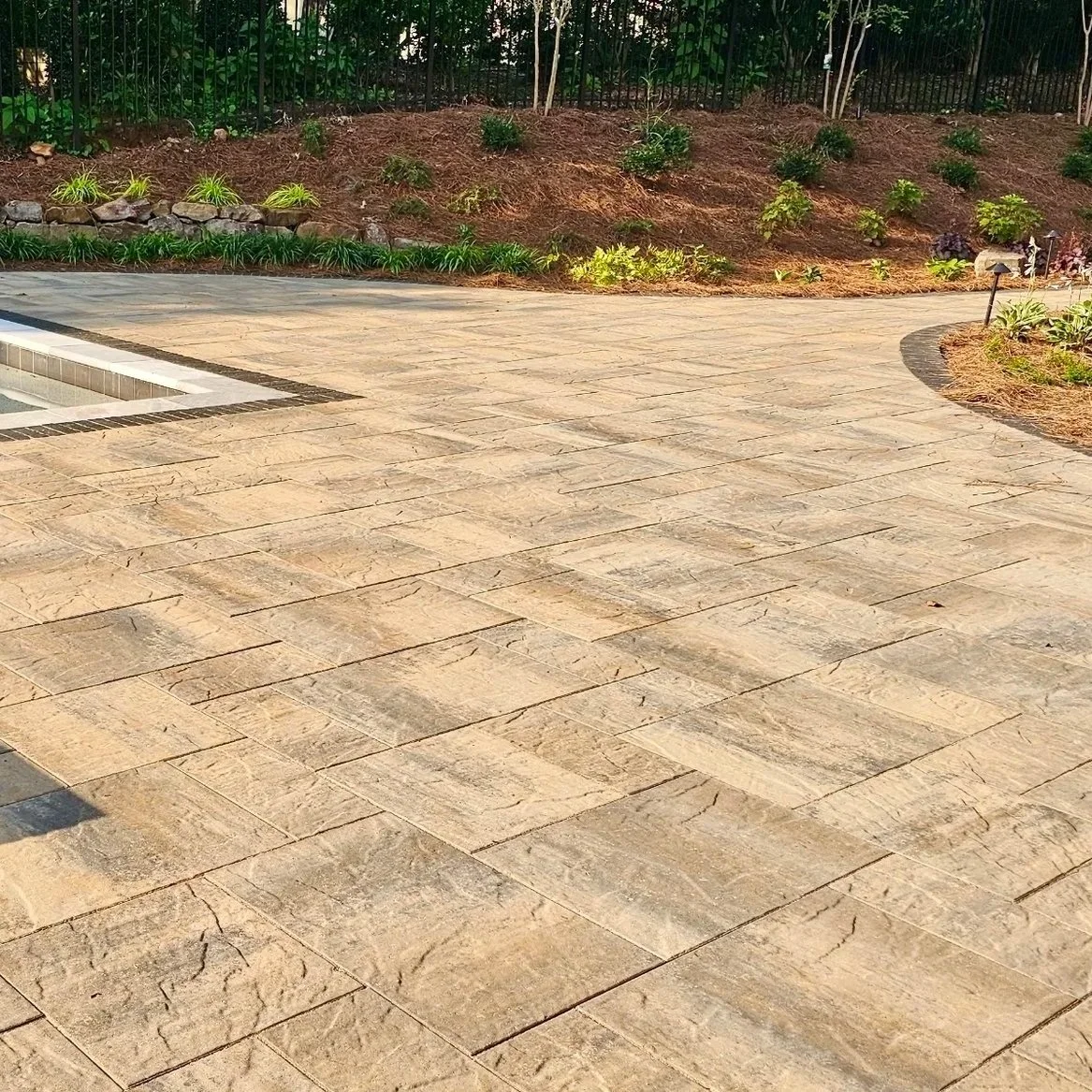
Ensuring proper drainage beneath pavers protects your Gainesville patio from water damage, sinking, and long-term instability.
Understanding Why Drainage Determines Whether Pavers Succeed Or Fail
Drainage stands at the center of every successful paver installation in Gainesville, Georgia, even though it often receives less attention than surface materials or layout patterns. North Georgia experiences periods of heavy rainfall followed by dry spells, and that cycle places constant stress on hardscape systems. When water has nowhere to go, it collects beneath or around pavers, weakening the base and triggering movement that shows up later as sinking, uneven surfaces, or joint separation. Many paver failures trace back not to poor materials, but to water mismanagement below the surface.
Drainage affects more than the pavers themselves. Poor water control can direct runoff toward foundations, create erosion along edges, and saturate nearby planting beds. In Gainesville, properties with clay-heavy soil, water tends to linger rather than soak in quickly, increasing the risk of long-term instability. Treating drainage as a structural requirement rather than a finishing detail changes how the entire installation is planned and executed, supporting durability instead of cosmetic success alone.
Evaluating Site Conditions And Natural Water Movement
Every property manages water differently, which means drainage planning begins with observation rather than assumptions. Before excavation starts, experienced installers study how water moves across the yard during rain events. Low spots, compacted areas, and existing erosion patterns reveal where water naturally collects or travels. In Gainesville neighborhoods, grading changes introduced over the years of landscaping projects often create unintended drainage paths that affect the new hardscape.
Understanding site conditions also includes identifying soil composition and slope direction. Clay soils common in the region resist infiltration, so water tends to move laterally unless redirected. Sloped yards may shed water quickly, while flatter areas trap moisture beneath the surface. Mapping these conditions before installation allows drainage strategies to work with the landscape rather than attempting to correct problems after the patio or walkway is finished.
Why Base Design Plays A Critical Role In Drainage
The base beneath pavers functions as both a structural support and a drainage system. Proper base design allows water to pass through the paver surface and move away from the installation area without becoming trapped. In Gainesville installations, the base typically consists of clean, angular aggregate that creates void spaces for water movement while maintaining strength under load.
Base thickness directly affects drainage capacity. Shallow bases fill with water quickly and hold moisture against the subgrade, increasing the likelihood of soil movement. Deeper bases store water temporarily and release it gradually into the surrounding soil or drainage pathways. Selecting an appropriate base depth based on soil conditions and expected rainfall transforms the base into a water management layer rather than a simple support bed.
Establishing Correct Slope Across The Paver Surface
Surface slope provides the first line of defense against standing water. Pavers should never sit completely flat in areas exposed to rainfall. Even subtle slope adjustments guide water away from structures and toward designated exit points. In Gainesville patios and walkways, slope often measures fractions of an inch per foot, yet those small differences determine whether water drains or pools.
Establishing slope begins at the subgrade level, not after pavers are installed. Shaping the soil and base layers ensures the finished surface follows the intended pitch consistently. Without careful slope planning, water may drain toward foundations or collect along edges, undermining both the paver system and adjacent features. Accurate slope control supports predictable drainage behavior under real weather conditions.
Managing Clay Soil And Moisture Retention Challenges
Clay soil presents unique drainage challenges because it absorbs water slowly and retains moisture for extended periods. In Gainesville, heavy rains saturate clay subgrades quickly, creating hydrostatic pressure beneath hardscape. Without mitigation, that pressure pushes upward on the base and pavers, causing heaving and long-term movement.
Addressing clay soil requires deeper bases, improved compaction practices, and sometimes additional drainage measures. Separating the base from the clay subgrade using geotextile fabric prevents fine particles from migrating upward and clogging drainage voids. Allowing water to move laterally through the base rather than accumulating directly beneath the pavers reduces stress on the system. Understanding clay behavior helps installers design drainage strategies that remain effective across seasonal moisture changes.
Using Permeable Systems To Improve Drainage Performance
Permeable paver systems offer an alternative approach to drainage by allowing water to pass directly through the surface and into the base below. Rather than shedding water off the top, permeable installations manage runoff internally. In Gainesville properties where surface drainage options feel limited, permeable systems provide flexibility and improved water control.
These systems rely on wider joints and specially designed base layers that store and release water gradually. Permeable installations still require careful planning, especially in clay soils, but they reduce surface runoff and pooling significantly. When designed correctly, permeable pavers integrate drainage into the structure itself rather than relying solely on slope and runoff redirection.
Planning Drainage Paths Beyond The Paver Area
Drainage planning does not stop at the edge of the pavers. Water exiting the base must have a destination that does not create new problems. In Gainesville yards, runoff often flows into lawns, planting beds, or drainage swales that must handle additional moisture without eroding or saturating.
Identifying exit paths early allows installers to shape grades and transitions intentionally. Sometimes, additional features such as gravel trenches or subsurface drains guide water away from sensitive areas. Without planning beyond the paver footprint, water simply relocates the problem rather than solving it. Effective drainage considers the entire landscape system rather than isolating the hardscape alone.
How To Ensure Proper Drainage When Installing Pavers in GA
Understanding Why Drainage Determines Whether Pavers Succeed Or Fail
Drainage stands at the center of every successful paver installation in Gainesville, Georgia, even though it often receives less attention than surface materials or layout patterns. North Georgia experiences periods of heavy rainfall followed by dry spells, and that cycle places constant stress on hardscape systems. When water has nowhere to go, it collects beneath or around pavers, weakening the base and triggering movement that shows up later as sinking, uneven surfaces, or joint separation. Many paver failures trace back not to poor materials, but to water mismanagement below the surface.
Drainage affects more than the pavers themselves. Poor water control can direct runoff toward foundations, create erosion along edges, and saturate nearby planting beds. In Gainesville, properties with clay-heavy soil, water tends to linger rather than soak in quickly, increasing the risk of long-term instability. Treating drainage as a structural requirement rather than a finishing detail changes how the entire installation is planned and executed, supporting durability instead of cosmetic success alone.
Evaluating Site Conditions And Natural Water Movement
Every property manages water differently, which means drainage planning begins with observation rather than assumptions. Before excavation starts, experienced installers study how water moves across the yard during rain events. Low spots, compacted areas, and existing erosion patterns reveal where water naturally collects or travels. In Gainesville neighborhoods, grading changes introduced over the years of landscaping projects often create unintended drainage paths that affect the new hardscape.
Understanding site conditions also includes identifying soil composition and slope direction. Clay soils common in the region resist infiltration, so water tends to move laterally unless redirected. Sloped yards may shed water quickly, while flatter areas trap moisture beneath the surface. Mapping these conditions before installation allows drainage strategies to work with the landscape rather than attempting to correct problems after the patio or walkway is finished.
Why Base Design Plays A Critical Role In Drainage
The base beneath pavers functions as both a structural support and a drainage system, and failures at this level tend to escalate slowly before becoming costly. Proper base design allows water to pass through the paver surface and move away from the installation area without becoming trapped. In Gainesville installations, the base typically consists of clean, angular aggregate that creates void spaces for water movement while maintaining strength under load. When this layer is undersized or improperly compacted, water accumulates within the base and remains in prolonged contact with the subgrade.
Over time, trapped moisture softens clay soils beneath the base, reducing their ability to support weight consistently. Initial symptoms may include subtle settling or minor joint separation that homeowners often dismiss as cosmetic. As moisture cycles continue, the base begins to deform unevenly, transferring stress upward into the pavers themselves. Repairs at this stage often involve lifting sections of the patio, replacing base material, and re-leveling surfaces, which costs significantly more than proper base construction during initial installation.
Base thickness directly affects drainage capacity and long-term ownership costs. Shallow bases fill with water quickly and hold moisture against the subgrade, increasing the likelihood of soil movement and repeated maintenance. Deeper bases store water temporarily and release it gradually into the surrounding soil or drainage pathways. Investing in proper base design up front reduces future repair expenses, minimizes disruption, and preserves the value of the hardscape over decades rather than years.
Establishing Correct Slope Across The Paver Surface
Surface slope provides the first line of defense against standing water. Pavers should never sit completely flat in areas exposed to rainfall. Even subtle slope adjustments guide water away from structures and toward designated exit points. In Gainesville patios and walkways, slope often measures fractions of an inch per foot, yet those small differences determine whether water drains or pools.
Establishing slope begins at the subgrade level, not after pavers are installed. Shaping the soil and base layers ensures the finished surface follows the intended pitch consistently. Without careful slope planning, water may drain toward foundations or collect along edges, undermining both the paver system and adjacent features. Accurate slope control supports predictable drainage behavior under real weather conditions.
Managing Clay Soil And Moisture Retention Challenges
Clay soil presents unique drainage challenges because it absorbs water slowly and retains moisture for extended periods. In Gainesville, heavy rains saturate clay subgrades quickly, creating hydrostatic pressure beneath hardscape. Without mitigation, that pressure pushes upward on the base and pavers, causing gradual heaving that worsens with each wet season. Early signs often appear as tight joints that begin to spread or isolated pavers that sit slightly higher than surrounding units.
As moisture retention persists, the cost of ownership increases. Repeated joint repairs, surface re-leveling, and edge adjustments become routine rather than occasional maintenance. Left unaddressed, prolonged saturation can compromise the entire installation, requiring partial or full reconstruction. These costs far exceed the expense of addressing clay behavior during initial installation.
Addressing clay soil requires deeper bases, improved compaction practices, and sometimes additional drainage measures. Separating the base from the clay subgrade using geotextile fabric prevents fine particles from migrating upward and clogging drainage voids. Allowing water to move laterally through the base rather than accumulating directly beneath the pavers reduces stress on the system. Designing specifically for clay behavior stabilizes performance and limits long-term repair cycles that erode the value of the investment.
Using Permeable Systems To Improve Drainage Performance
Permeable paver systems offer an alternative approach to drainage by allowing water to pass directly through the surface and into the base below. Rather than shedding water off the top, permeable installations manage runoff internally. In Gainesville properties where surface drainage options feel limited, permeable systems provide flexibility and improved water control. When properly designed, these systems reduce surface pooling and lessen pressure on surrounding drainage infrastructure.
Long-term performance depends on understanding how permeable systems age. Over time, sediment and organic debris migrate into joints and base layers if maintenance is neglected. Reduced infiltration may not be immediately noticeable, but gradual clogging increases water retention within the system. As infiltration slows, the base begins behaving like a traditional impervious surface without the structural design to support that function, leading to similar failure patterns and rising maintenance costs.
Permeable installations require ongoing attention to protect their drainage function. Periodic vacuuming, joint material management, and debris control preserve infiltration capacity. While these systems often cost more initially, they reduce expenses tied to runoff damage, erosion control, and water management elsewhere on the property. When maintained properly, permeable pavers distribute costs evenly over time instead of concentrating them into large corrective repairs later.
FAQs
Georgia’s rainfall patterns and clay soils increase the risk of water accumulation beneath pavers. Proper drainage prevents settling, erosion, and long-term surface movement.
Many installations manage drainage through slope and base design alone. Subsurface drainage is added when site conditions limit natural water movement.
Permeable pavers allow water to pass through joints into the base, reducing surface runoff and pooling while managing water within the system.
Prolonged moisture weakens the base and subgrade, leading to shifting, sinking, and joint failure over time.
Regular cleaning, managing debris, and monitoring edges and runoff paths help preserve drainage performance throughout the life of the paver system.
