
How To Budget for a Full Backyard Paver Makeover in Gainesville, GA
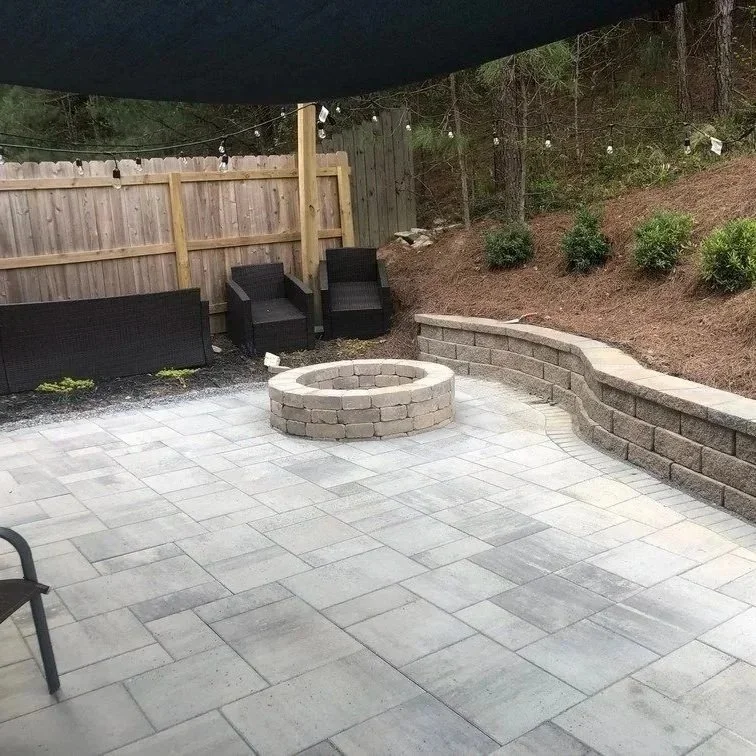
Transforming a Georgia red clay yard into a luxury outdoor living space with durable, high-quality pavers and custom masonry.
Understanding What a Full Backyard Paver Makeover Really Involves
Homeowners around Gainesville, Georgia, often start the budgeting conversation with a rough idea of square footage and a ballpark price per paver, but a full backyard paver makeover involves far more than surface materials. From a contractor’s perspective, the real scope includes demolition or removal of existing surfaces, grading and drainage correction, base preparation, edge restraint systems, joint stabilization, and long-term site performance considerations. Many properties in this area sit on clay-heavy soil that shifts with moisture changes, which means proper excavation depth and base layering matter more than they would in drier or sandier regions. Ignoring these subsurface realities might lower the initial price, but it almost always raises long-term repair costs when settling, heaving, or drainage failures show up later.
A full makeover also implies design integration rather than isolated installation. Walkways, patios, fire pit zones, seating areas, and transitions to lawns or garden beds need to function together instead of competing visually or structurally. Budgeting accurately means recognizing how these elements interact during construction. For example, a patio installed without considering adjacent grade slopes may require later rework when runoff channels water toward the house foundation. In Gainesville’s seasonal rain patterns, water management is not optional. Proper planning accounts for slope correction, permeable solutions where appropriate, and subtle elevation changes that move water away from structures while maintaining a clean finished look.
Evaluating Site Conditions Before Setting a Budget
Before any realistic budget takes shape, the backyard itself needs an honest assessment. Slopes, soil composition, existing vegetation, tree root systems, and access limitations all influence labor intensity and material requirements. A backyard that looks flat at a glance may still require extensive regrading to support pavers correctly. Tree roots, common in established Gainesville neighborhoods, can complicate excavation and limit layout options, especially near mature oaks or pines. Removing or working around roots requires careful planning to avoid damaging trees while still creating a stable base.
Access to the work area also affects cost in ways homeowners rarely anticipate. Narrow side yards, fences, or elevation changes between the driveway and backyard can limit equipment access, increasing manual labor time. Hauling out excavated soil by hand instead of machinery adds hours quickly, and those hours show up in the final price. Budget planning improves dramatically when homeowners understand that site constraints drive labor far more than surface square footage alone. Factoring these realities early prevents sticker shock once work begins and allows design adjustments that stay aligned with financial goals.
Breaking Down Material Choices and Their Budget Impact
Paver selection plays a visible role in cost, but the real budget story lies in how materials perform over time in Gainesville’s climate. Concrete pavers remain popular due to their durability and range of styles, while natural stone offers aesthetic appeal at a higher price point with additional installation considerations. Thickness, compressive strength, surface texture, and color retention all influence long-term performance. Lower-cost pavers may look acceptable at installation but fade or chip under sun exposure and foot traffic, especially in outdoor entertainment areas that see frequent use.
Beyond the pavers themselves, base materials, joint sand, and edge restraints carry equal importance. A high-quality crushed stone base with proper compaction costs more upfront than shortcut alternatives, but it directly impacts how well the surface resists shifting over years of rainfall and temperature swings. Joint stabilization products, particularly polymeric sand, help prevent weed growth and insect intrusion, which are common homeowner complaints when corners are cut. Budgeting that accounts for these supporting materials protects the overall investment rather than focusing narrowly on visible components.
Design Complexity and How It Drives Cost
Straightforward rectangular patios typically cost less than designs that incorporate curves, multiple elevations, or integrated features. Curves require additional cutting, layout time, and material waste, while elevation changes introduce steps, retaining walls, or seating walls that demand structural planning. In Gainesville, retaining walls often require additional drainage solutions due to soil moisture retention, which adds material and labor costs. Each design decision compounds across the project rather than existing in isolation.
Feature integration also influences budget depth. Fire pits, outdoor kitchens, lighting conduits, and seating walls need coordination during base preparation rather than being added later. Installing lighting sleeves or gas line pathways during initial excavation costs less than retrofitting after pavers are set. A realistic budget reflects how future use plans affect current construction decisions. Homeowners who think long-term and incorporate infrastructure early often spend less overall than those who approach upgrades in disconnected phases.
Labor Costs and Why Experience Matters
Labor often represents the largest portion of a paver makeover budget, especially in projects that prioritize longevity over speed. Skilled installers understand soil behavior, compaction techniques, and layout precision that prevent future failures. Inexperienced crews may offer lower bids, but those savings disappear quickly when surfaces settle unevenly or drainage problems emerge. Gainesville’s combination of rainfall patterns and soil conditions demands attention to detail that only comes from hands-on experience.
Scheduling also affects labor pricing. Projects planned during peak seasons may carry higher costs due to demand, while off-season scheduling sometimes allows for more flexibility. However, rushing installation to meet calendar constraints often compromises quality. A budget built around realistic timelines rather than aggressive deadlines supports better outcomes. Investing in experienced labor means fewer repairs, lower maintenance costs, and better overall value across the lifespan of the installation.
Hidden Costs Homeowners Often Overlook
Permitting requirements, while not always necessary for basic patios, can apply when structures like retaining walls exceed certain heights. Ignoring permit considerations may lead to fines or required modifications later. Disposal fees for excavated soil and removed materials also add up, particularly when older concrete or compacted gravel must be hauled away. These costs rarely appear in early online estimates but show up quickly in real projects.
Maintenance planning belongs in the budgeting conversation as well. While pavers require less upkeep than poured concrete, occasional joint sand replenishment, cleaning, and sealing contribute to long-term ownership costs. Factoring these expenses early helps homeowners evaluate affordability realistically rather than focusing only on installation day pricing. A complete budget looks beyond construction toward years of use, weather exposure, and evolving backyard needs.
Balancing Budget Expectations With Long-Term Value
A well-planned backyard paver makeover in Gainesville, Georgia, balances upfront cost with durability, usability, and aesthetic longevity. Homeowners who prioritize short-term savings often face higher costs later through repairs or premature replacement. Those who approach budgeting as a long-term investment typically enjoy more consistent performance and fewer surprises. Adjusting design scope, material selection, or phasing strategies allows flexibility without sacrificing quality.
Smart budgeting also leaves room for contingencies. Unexpected subsurface conditions, weather delays, or minor design adjustments can arise even in well-planned projects. Setting aside a modest contingency helps maintain momentum without compromising craftsmanship. Viewing the budget as a living plan rather than a fixed number creates space for better decisions as the project unfolds.
Planning for Drainage and Water Management From the Start
Water management often determines whether a backyard paver makeover performs well for decades or begins showing problems within a few seasons. In Gainesville, Georgia, rainfall patterns combined with clay-heavy soils create conditions where standing water and slow absorption become real concerns. Budgeting without allocating funds for proper drainage almost guarantees future issues like sinking pavers, washed-out joint material, and moisture migration toward foundations. Effective drainage planning includes grading adjustments, base layering strategies, and sometimes the integration of channel drains or permeable paver systems, depending on yard layout and runoff behavior.
Drainage solutions rarely announce themselves visually once the project is complete, which makes them easy to undervalue during budgeting. Subsurface slope corrections, drain pipes routed away from hardscape, and gravel infiltration zones all add cost but protect every visible surface above them. When water moves predictably and efficiently, pavers stay locked in place and surrounding landscaping remains healthier. Homeowners who invest in these systems upfront often avoid repeated service calls and patchwork fixes later, particularly after heavy storms that test the integrity of outdoor installations in ways everyday use never reveals.
Phasing a Backyard Paver Makeover Without Compromising Quality
Not every homeowner wants or needs to complete an entire backyard transformation at once, but phasing requires careful planning to avoid higher cumulative costs. A phased approach works best when infrastructure elements like base preparation, grading, and drainage are designed to support future additions. Installing a patio now with the expectation of adding walkways or seating walls later demands coordination during the initial phase. Budgeting for future tie-ins during early excavation costs less than reopening finished surfaces down the line.
Phasing also affects material continuity. Paver lines change over time, colors vary by production batch, and discontinued styles can complicate later expansions. Budget-conscious homeowners often reserve extra materials from the original installation to maintain consistency later. Storage costs factor into the budget, but they protect design integrity and avoid mismatched repairs. A phased budget that accounts for these realities supports flexibility while preserving the long-term visual and structural cohesion of the backyard.
Accounting for Landscaping Integration Around Paver Surfaces
Pavers rarely exist in isolation. Lawns, planting beds, retaining walls, and trees all interact with hardscape installations. Budgeting that treats landscaping as an afterthought often leads to rework or compromised aesthetics. In Gainesville, where plant growth accelerates during warmer months, root behavior and irrigation patterns deserve special attention. Installing pavers without adjusting irrigation heads or considering mature plant sizes creates maintenance challenges that surface quickly.
Landscape integration also influences grading and soil retention. Edges where pavers meet planting beds require stabilization to prevent soil washout onto hard surfaces. Mulch migration, erosion, and weed intrusion all trace back to incomplete integration planning. Allocating budget toward proper edging, soil separation fabrics, and coordinated irrigation adjustments protects both the hardscape and the surrounding landscape investments. When these systems work together, maintenance demands drop, and visual appeal remains consistent over time.
Understanding Warranty Coverage and Its Budget Implications
Warranty considerations shape budgeting decisions more than many homeowners realize. Material warranties vary widely based on paver type, manufacturer, and installation standards. Some warranties remain valid only when specific base materials and joint products are used. Cutting costs by substituting materials may void long-term coverage, shifting future repair costs entirely onto the homeowner. Labor warranties also differ, with experienced contractors often offering coverage that reflects confidence in their installation practices.
Budgeting that values warranty protection often favors higher upfront costs paired with lower risk exposure later. In regions like Gainesville, where weather fluctuations test outdoor surfaces, warranty-backed installations provide peace of mind that carries real financial value. Reviewing warranty terms during the budgeting phase helps homeowners weigh short-term savings against long-term protection. A budget that incorporates warranty considerations supports informed decision-making rather than reactive problem-solving.
Preparing for Long-Term Maintenance and Ownership Costs
While paver systems require less maintenance than many alternatives, long-term ownership still carries responsibilities that belong in the budgeting conversation. Joint material may need refreshing, especially in high-traffic areas or after severe weather events. Occasional cleaning preserves appearance and prevents buildup that accelerates surface wear. Sealing, while optional, can enhance color retention and stain resistance, adding periodic costs over the life of the installation.
Budgeting for maintenance does not signal fragility but realism. Homeowners who plan for routine care often spend less overall than those who postpone upkeep until visible problems emerge. In Gainesville’s climate, proactive maintenance helps surfaces withstand humidity, pollen accumulation, and seasonal moisture cycles. Viewing maintenance as part of ownership rather than an unexpected expense aligns expectations with reality and protects the initial investment across years of use.
FAQs
Costs vary widely based on size, design complexity, site conditions, and material selection, but most full backyard paver makeovers in Gainesville fall into a broad range that reflects labor intensity and preparation requirements more than surface materials alone. Projects that include drainage correction, grading, and integrated features tend to land at the higher end of that range due to the added structural work involved.
Unexpected budget increases usually stem from hidden site conditions like poor soil stability, drainage issues, or access limitations that require additional labor. Design changes after installation begins, material upgrades, and permit-related adjustments also contribute when not accounted for early in the planning process.
Lower-cost pavers may reduce initial material expenses, but they often come with trade-offs in durability, color retention, and warranty coverage. In Gainesville’s climate, these trade-offs can lead to higher long-term maintenance and replacement costs that outweigh early savings.
Phased installations can work well when planned correctly, especially if base preparation and drainage are designed to support future expansions. Problems arise when early phases ignore long-term layout and material continuity, which can increase costs and complicate later additions.
When installed with proper base preparation, drainage planning, and quality materials, paver systems in North Georgia often perform reliably for decades. Longevity depends heavily on installation practices and ongoing maintenance rather than paver choice alone.
