
Factors That Affect the Price of Paver Projects in North Georgia
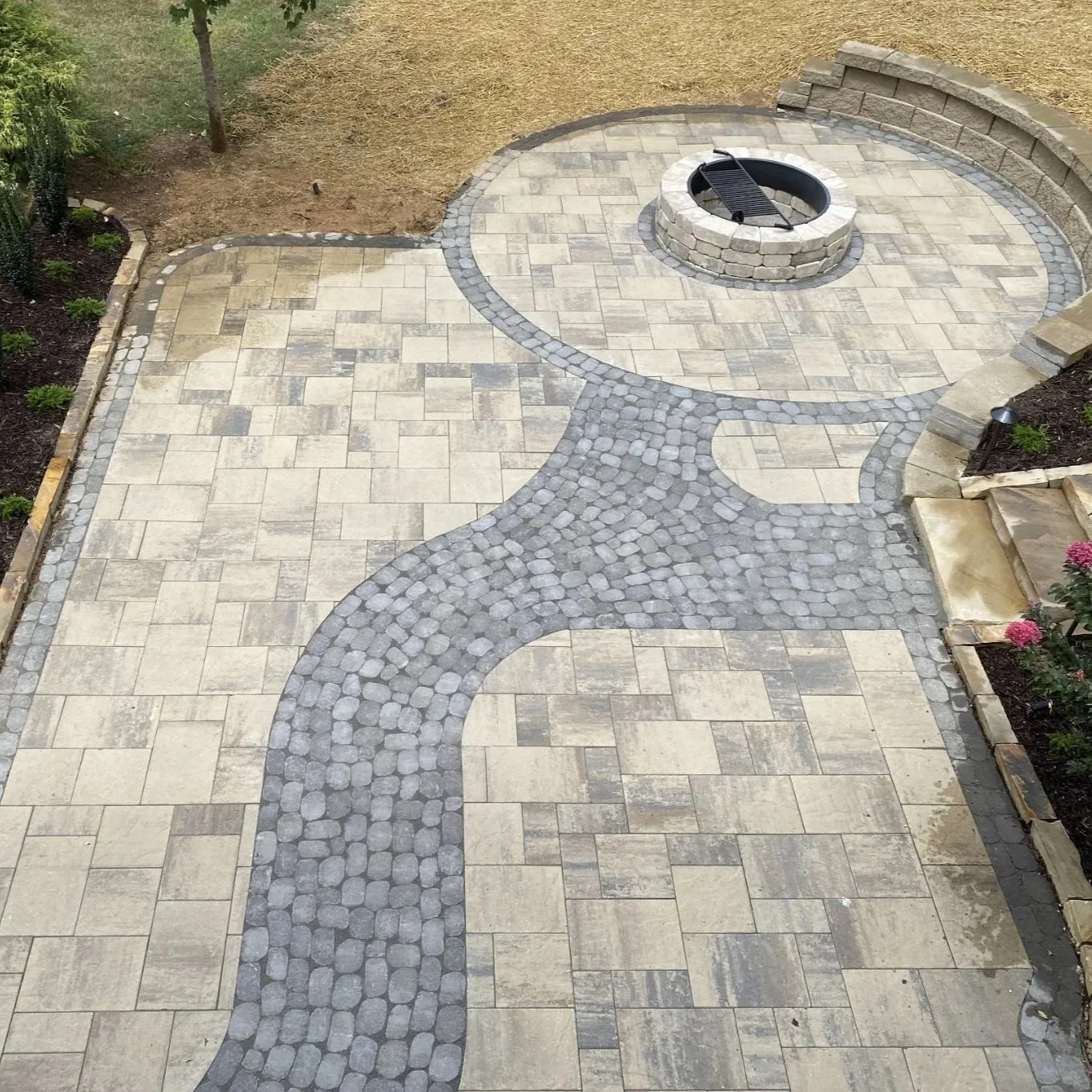
Key pricing factors in North Georgia include soil composition, site slope, material choice, and the complexity of the paver layout.
Site Conditions And Soil Behavior In Gainesville, GA
Pricing for paver projects in Gainesville, GA, often starts with conditions that homeowners cannot easily see from the surface. North Georgia soil, especially the red clay common throughout Hall County, plays a major role in labor requirements and material use. Clay-heavy soil retains moisture, shifts during seasonal rain cycles, and requires more extensive excavation and compaction than sandy or mixed soils. Contractors frequently spend additional time removing unstable material, conditioning the subgrade, and adjusting moisture levels before any base work begins. These steps add labor hours and equipment use that directly influence overall project cost, even though they do not immediately change the visible appearance of the finished surface.
Topography further complicates site preparation across Gainesville neighborhoods. Sloped yards, uneven grades, and runoff patterns from adjacent properties demand careful planning and corrective grading. Projects on flat lots typically progress faster, while installations on hillsides or terraced landscapes require additional earthwork and stabilization measures. Drainage considerations also factor into pricing, as improper water management leads to long-term failure. Addressing these conditions upfront increases initial cost but prevents repairs later. Homeowners often compare paver estimates without realizing that differences in site conditions account for significant price variation rather than inconsistencies in contractor pricing practices.
Project Size, Layout Complexity, And Design Choices
The overall size of a paver project influences cost, but layout complexity frequently carries equal weight. Straightforward patios or walkways with simple shapes require less cutting, fitting, and layout time than designs featuring curves, borders, steps, or multiple elevation changes. In Gainesville, GA, many homeowners incorporate pavers into existing landscapes that include retaining walls, trees, or grade transitions. Each design element introduces additional planning and precision work that extends installation time and material usage.
Pattern selection also affects pricing in ways that homeowners may overlook. Certain paver patterns demand more cuts and tighter tolerances, increasing labor hours and waste. Borders, inlays, and color transitions elevate visual appeal but add complexity to installation sequencing. Contractors must carefully align joints and maintain consistent spacing across varied patterns, which slows production compared to basic running bond layouts. While decorative elements enhance curb appeal and long-term value, they increase upfront cost due to the additional craftsmanship involved. Pricing reflects not only square footage but the level of detail required to execute the design accurately.
Paver Material Type And Manufacturing Differences
Material selection remains one of the most visible cost drivers in paver projects, yet the reasons behind price differences extend beyond appearance alone. In North Georgia, concrete pavers dominate residential installations due to their durability and range of styles. Variations in manufacturing quality, thickness, and surface treatment influence pricing significantly. Higher-density pavers with consistent coloration and precise dimensions cost more but perform better under load and resist fading over time.
Natural stone pavers introduce another pricing tier entirely. Materials such as flagstone, granite, or travertine require specialized handling, cutting, and installation techniques. Weight variations and irregular shapes increase labor time compared to uniform concrete units. Shipping costs also rise when materials originate from distant quarries rather than regional suppliers. Homeowners in Gainesville often select premium materials for aesthetic reasons without realizing how those choices affect installation speed and long-term maintenance considerations. Pricing reflects not only material cost but the expertise required to install each type properly.
Base Construction Depth And Structural Requirements
Base construction accounts for a substantial portion of paver project pricing, particularly in areas with challenging soil conditions like Gainesville, GA. The depth and composition of the base depend on how the finished surface will be used. Driveways require deeper, more robust bases than patios or walkways due to vehicle load. Each additional inch of base material increases excavation, aggregate cost, and compaction time.
Contractors also adjust base specifications based on drainage needs and soil stability. In clay-heavy regions, thicker bases improve load distribution and reduce movement caused by moisture changes. Skimping on base depth may lower upfront cost, but leads to premature failure that requires costly repairs. Pricing reflects a balance between structural integrity and project longevity. Homeowners comparing estimates should understand that variations often stem from differing base designs rather than inconsistent pricing philosophies. A properly built base protects the investment and supports long-term performance under North Georgia environmental conditions.
Drainage Solutions And Water Management Planning
Water management plays a critical role in determining the price of paver projects across Gainesville, Georgia. Surface drainage must guide water away from structures while subsurface drainage protects the base from saturation. Projects that require additional grading, trenching, or drainage features naturally incur higher costs. Properties with poor natural drainage often demand more extensive solutions to prevent pooling and erosion beneath pavers.
Drainage considerations extend beyond the immediate installation area. Roof runoff, neighboring properties, and existing hardscape all influence water flow patterns. Contractors may recommend gravel trenches, subsurface drainage layers, or adjustments to surrounding grades to manage runoff effectively. These measures increase material and labor costs but reduce the risk of long-term damage. Pricing reflects the complexity of integrating drainage solutions into the overall landscape without disrupting aesthetics or functionality. Addressing water management upfront reduces maintenance needs and extends the lifespan of the paver system.
Edge Restraints, Borders, And Perimeter Reinforcement
Edge restraints and perimeter systems represent another factor that affects pricing in North Georgia paver projects. Proper containment prevents lateral movement caused by soil expansion, traffic, and gravity in Gainesville, GA, where clay soil shifts seasonally; edge reinforcement carries added importance. Basic installations may use standard plastic restraints, while higher-end projects incorporate aluminum systems or concrete curbing.
Borders and decorative edges also influence cost through additional material and labor requirements. Installing soldier courses, contrasting borders, or raised edges demands precision cutting and alignment. These elements enhance visual definition but require careful sequencing during installation. Contractors must secure restraints at proper depths and anchor them effectively into the base to maintain long-term stability. Pricing reflects the time and materials needed to build a perimeter that supports both aesthetics and structural integrity under local environmental conditions.
Labor Availability And Installation Expertise In Gainesville
Labor costs vary based on installer experience and regional demand, both of which affect paver project pricing in Gainesville, GA. Skilled crews with extensive experience command higher rates, but their efficiency and attention to detail often reduce errors and rework. Complex installations require experienced hands who understand soil behavior, drainage planning, and precision layout techniques.
Seasonal demand also influences labor pricing. Spring and summer months bring higher demand for outdoor projects, which may affect scheduling and labor availability. Contractors adjust pricing to reflect workload and resource allocation during peak seasons. While lower bids may appear attractive, they sometimes reflect less experienced labor or reduced scope rather than true cost savings. Pricing tied to skilled labor supports consistent quality and reduces the likelihood of future repairs related to installation errors.
Equipment Access, Site Logistics, And Property Constraints
Equipment access and site logistics often influence paver project pricing more than homeowners expect, especially in established Gainesville, GA, neighborhoods. Properties with narrow side yards, fenced backyards, or limited driveway access restrict the type of machinery crews can use. When large compactors, skid steers, or material trucks cannot reach the work area, contractors rely on smaller equipment and manual labor. Hand-carrying base material, pavers, and equipment significantly increases labor time and physical effort, which directly impacts cost even though the finished surface looks identical to projects with easier access.
Logistical challenges also include protecting existing landscaping, structures, and utilities during construction. Tight workspaces require additional planning to avoid damaging lawns, irrigation systems, or nearby hardscapes. Staging materials may involve multiple delivery points or temporary storage solutions, increasing coordination time. Projects that appear modest in size can become labor-intensive when access limitations slow production. Pricing reflects the real-world conditions crews face on site rather than square footage alone. Clear access routes and open staging areas often reduce labor hours and help control overall project cost.
Removal Of Existing Surfaces And Disposal Requirements
Many paver projects in North Georgia involve replacing existing surfaces rather than building on bare ground. Removing concrete slabs, asphalt driveways, or old patios adds demolition and disposal costs that vary widely depending on material type and thickness. In Gainesville, GA, older properties often feature reinforced concrete that requires heavy equipment and extended labor to break apart and remove. Disposal fees also fluctuate based on landfill regulations and haul distances, contributing to pricing differences between projects.
Surface removal may reveal underlying issues that affect cost further. Poor drainage, unstable soil, or buried debris discovered during demolition require corrective work before installation can proceed. Contractors may need to excavate deeper, import additional base material, or adjust grading plans. These unforeseen conditions influence pricing because they extend project scope beyond initial expectations. Estimates typically account for standard removal scenarios, but complex demolition conditions increase both time and expense. Transparent pricing reflects the realities of preparing an existing site for a long-lasting paver system.
Customization, Finishing Details, And Craftsmanship Level
Customization choices significantly affect paver project pricing through increased labor and material demands. Features such as integrated steps, seat walls, fire pit surrounds, or decorative banding require advanced layout skills and careful coordination between trades. In Gainesville, Georgia, homeowners often blend paver installations with outdoor living features, which adds layers of complexity beyond a flat surface. Each custom element introduces additional cuts, measurements, and sequencing considerations that slow installation and increase labor hours.
Finishing details also contribute to pricing differences. Tight joint alignment, consistent elevations, and clean transitions between materials require patience and experience. Crews focused on speed may sacrifice precision, while detail-oriented installers invest additional time to achieve a refined finish. That craftsmanship influences how the project ages over time, affecting stability and appearance. Pricing reflects the level of attention given to these details rather than simply the materials used. Homeowners selecting higher-end finishes often value long-term performance and visual cohesion over initial cost savings.
Permitting, Codes, And Local Compliance Factors
Permitting requirements and local codes occasionally influence paver project pricing in Gainesville, Georgia, depending on project scope and location. While many residential patios and walkways do not require permits, larger driveways, retaining structures, or installations near property lines may trigger review processes. Contractors spend time coordinating with local authorities, preparing documentation, and scheduling inspections when required. These administrative tasks add indirect costs that appear in overall pricing.
Code compliance also affects construction methods and material selection. Load-bearing requirements, drainage standards, and setback rules shape design decisions and installation techniques. Contractors familiar with local regulations navigate these requirements efficiently, reducing delays and revisions. Projects that overlook compliance risk result in stop-work orders or costly modifications later. Pricing accounts for the knowledge and coordination needed to complete the project within regulatory guidelines while maintaining structural integrity and long-term performance.
Maintenance Expectations And Long-Term Cost Considerations
Long-term maintenance expectations influence pricing decisions during the planning phase of paver projects. Homeowners in Gainesville, GA, often weigh upfront cost against future upkeep when selecting materials and installation methods. Higher-quality pavers, deeper bases, and proper drainage solutions increase initial investment but reduce maintenance frequency and repair needs. Lower-cost installations may require frequent joint sand replacement, leveling, or weed management over time.
Contractors factor these considerations into pricing by recommending options that align with homeowner expectations. Projects designed for minimal maintenance often involve additional upfront labor and materials that extend service life. Understanding how installation choices affect long-term costs helps homeowners make informed decisions rather than focusing solely on initial price. Pricing reflects a balance between immediate budget constraints and the desire for durable, low-maintenance outdoor spaces suited to North Georgia conditions.
FAQs
Price differences usually result from site conditions, soil type, drainage needs, material selection, and installation complexity. Two projects with similar square footage may require very different preparation and labor depending on these variables.
Clay soil often increases cost because it requires deeper excavation, additional base material, and careful compaction to prevent movement caused by moisture changes common in the region.
Decorative patterns typically increase labor time due to additional cutting and layout precision. The added craftsmanship and material waste contribute to higher overall pricing compared to simple layouts.
Demolition may reveal drainage problems, unstable soil, or buried debris that require corrective work. Addressing those conditions adds labor and materials that affect final pricing.
Pricing may vary slightly based on seasonal demand, with peak outdoor project months sometimes carrying higher labor costs. Scheduling flexibility can help manage overall project expenses.
