
How To Properly Maintain Your Gainesville Pavers Year-Round
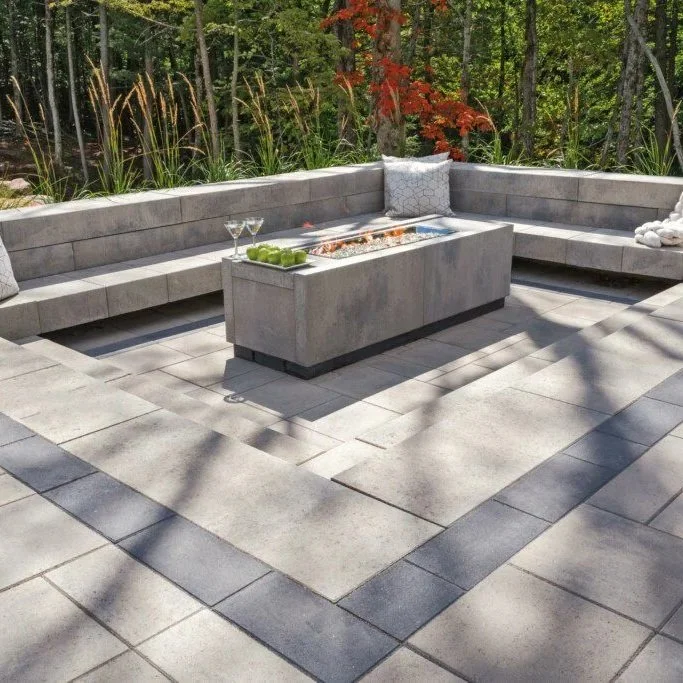
Year-round care preserves pavers in Gainesville’s humid, rainy climate, preventing stains, shifting, and algae growth.
Understanding How Gainesville’s Climate Affects Paver Surfaces
Paver maintenance in Gainesville, GA, starts with understanding how the local climate interacts with hardscape materials throughout the year. The combination of humid summers, frequent rainfall, mild winters, and clay-heavy soil creates a very specific set of stresses on paver systems. Moisture does not simply sit on the surface and evaporate evenly. It moves through joints, collects along edges, and interacts with the base layers beneath the pavers. Over time, repeated wet and dry cycles cause subtle shifts that can loosen joint material or expose weak points in the installation. Homeowners often assume pavers fail because of poor materials, but in many cases, the surrounding environment plays an equally important role.
Seasonal pollen, falling leaves, and organic debris also affect surface performance in ways that are easy to overlook. In Gainesville neighborhoods with mature trees, organic buildup can trap moisture against pavers for extended periods, encouraging staining and biological growth. Algae and mildew thrive in shaded or damp areas, especially where water runoff does not move efficiently. Year-round maintenance means adapting care routines to these conditions rather than treating pavers like a static surface. A system that looks perfect after installation still relies on ongoing attention to stay stable and attractive as weather patterns repeat year after year.
Why Joint Material Matters More Than Most Homeowners Realize
Joint material plays a central role in paver performance, yet it often receives less attention than surface cleaning or sealing. The sand or polymeric joint material between pavers locks individual units together, distributes weight, and limits movement caused by traffic and environmental forces. In Gainesville, heavy rains can wash out traditional joint sand if it was not installed or compacted properly. Once joints begin to empty, pavers lose lateral support and start shifting under foot traffic or furniture loads.
Maintenance focused on joints involves inspection as much as replacement. Small gaps or low spots often signal early material loss rather than major structural failure. Addressing these signs early prevents larger problems from developing beneath the surface. Polymeric joint materials resist washout better than standard sand, but they still degrade over time due to ultraviolet exposure and moisture cycles. Homeowners who understand joint behavior treat maintenance as reinforcement rather than repair. Keeping joints filled and stable protects the entire system and reduces the need for more disruptive interventions later.
Managing Organic Growth and Surface Contaminants
Organic growth on pavers often appears gradually, making it easy to ignore until discoloration becomes widespread. Algae, moss, mildew, and lichen flourish in Gainesville’s humidity, especially in shaded areas or locations with poor airflow. These growths do more than affect appearance. They trap moisture against the paver surface and joints, accelerating wear and increasing the risk of slick conditions during wet weather. Regular maintenance addresses growth before it establishes a foothold that becomes harder to remove.
Surface contaminants such as grease from outdoor cooking, tannins from leaves, and soil tracked from surrounding landscaping also contribute to long-term deterioration. These substances penetrate porous paver materials and create uneven coloration that cleaning alone may not fully reverse. Gentle, consistent cleaning methods preserve surface integrity better than aggressive pressure washing used infrequently. Homeowners who adopt a steady maintenance rhythm often find that pavers remain cleaner with less effort over time because contaminants never have the opportunity to settle deeply.
The Role of Proper Cleaning Techniques Throughout the Year
Cleaning pavers seems straightforward, but technique matters more than frequency alone. High-pressure washing can remove surface grime quickly, yet excessive pressure erodes joint material and roughens paver faces. In Gainesville, where moisture already challenges joint stability, improper pressure washing often causes more harm than good. Effective cleaning balances water pressure, cleaning solutions, and timing to protect both the surface and underlying structure.
Seasonal timing also influences results. Cleaning during cooler, drier periods allows surfaces to dry evenly and reduces the chance of immediate regrowth. Spring cleaning often focuses on removing winter debris and pollen buildup, while fall maintenance addresses leaf stains and organic residue before winter moisture sets in. Each season introduces different contaminants, and adjusting techniques accordingly preserves paver appearance and performance without unnecessary wear.
How Edge Restraints and Borders Affect Long-Term Stability
Edge restraints rarely attract attention once installation is complete, but they quietly play a major role in maintaining paver alignment. These restraints hold the perimeter in place, preventing outward movement caused by traffic, thermal expansion, or soil pressure. In Gainesville’s clay soils, seasonal expansion and contraction place additional stress on edges, especially where pavers meet lawns or planting beds. When edge restraints loosen or fail, pavers begin to spread, creating gaps and uneven surfaces that invite further deterioration.
Maintaining edge restraints involves monitoring adjacent soil levels, landscaping changes, and water flow patterns. Mulch buildup against edges, erosion from runoff, or root growth can compromise restraint integrity over time. Addressing these issues early preserves alignment and reduces the likelihood of widespread surface shifting. Homeowners often focus maintenance efforts on visible pavers while overlooking edges, yet perimeter stability supports everything within it.
Preparing Pavers for Heavy Rainfall and Storm Events
Storm preparation represents an important but often neglected aspect of paver maintenance in Gainesville. Heavy rainfall tests drainage performance, joint stability, and base compaction all at once. Water that pools on or around pavers signals grading or drainage concerns that should not be ignored. Over time, repeated saturation weakens base materials and increases the risk of settling or heaving. Maintenance routines that include monitoring water behavior after storms provide valuable insight into system health.
Clearing debris from drainage paths, maintaining slopes, and addressing low spots reduces stress during severe weather. Homeowners who observe how water moves across their hardscape during storms gain early warning signs that guide targeted maintenance. Responding to these observations protects the paver system from gradual damage that might otherwise go unnoticed until repairs become unavoidable.
Monitoring and Maintaining Base Support Over Time
While the base layer beneath pavers remains out of sight, its condition directly affects surface performance. Properly compacted bases distribute loads and resist movement, but even well-built systems change subtly over the years of use. Soil moisture fluctuations, root growth, and repeated loading can alter base behavior, especially in areas with heavy furniture or frequent foot traffic. Maintenance awareness includes recognizing surface symptoms that indicate base changes rather than isolated paver issues.
Minor settling or unevenness often reflects localized base compression rather than widespread failure. Addressing these areas early prevents stress from spreading to surrounding sections. Gainesville homeowners who understand base dynamics treat surface irregularities as diagnostic clues rather than cosmetic annoyances. Maintaining base support through timely intervention extends the life of the entire installation and reduces long-term disruption.
Adjusting Maintenance Practices for Seasonal Use Patterns
Backyard pavers experience different demands depending on how outdoor spaces are used throughout the year. Summer gatherings, grilling, and pool traffic concentrate wear in specific zones, while cooler months may see less use but more moisture exposure. Maintenance practices that adapt to these patterns protect high-use areas without over-treating low-impact zones. Furniture placement, shade coverage, and foot traffic routes all influence where maintenance attention belongs.
Recognizing these patterns allows homeowners to allocate effort efficiently. Rotating furniture, using protective pads, and cleaning high-traffic paths more frequently reduce uneven wear. Maintenance tailored to real use habits supports consistent performance rather than reactive fixes after visible damage appears.
Protecting Pavers From Furniture, Grills, and Everyday Use
Daily use places stress on paver surfaces that weather alone never creates. Patio furniture, grills, planters, and recreational equipment concentrate weight in small areas, which gradually affects both the surface and the base below. In Gainesville, where outdoor living stays active for much of the year, these concentrated loads matter more than homeowners expect. Metal furniture legs without protective pads can grind against paver faces, wearing down surface texture and creating small chips that invite staining and moisture intrusion. Heavy grills and ceramic planters compress joints and base materials unevenly, especially when left in the same position season after season.
Ongoing maintenance involves more than cleaning around these items. Thoughtful placement and occasional repositioning reduce repetitive stress in the same spots. Using protective feet, rolling trays, or load-distributing pads spreads weight across multiple pavers instead of focusing it on a single joint line. These small adjustments preserve surface integrity and reduce the likelihood of localized settling. Over time, habits that limit concentrated stress make maintenance easier because the surface wears evenly rather than developing problem zones that demand targeted repair.
Managing Weed Growth Without Damaging the Paver System
Weeds appearing between pavers often signal joint material breakdown rather than simple neglect. In Gainesville’s warm climate, airborne seeds find their way into even well-installed joints, especially when sand levels drop. Pulling weeds without addressing the underlying joint condition treats the symptom rather than the cause. Roots disturb joint stability, allowing more water penetration and accelerating material loss beneath the surface.
Effective weed management focuses on restoring joint material density and discouraging regrowth through consistent maintenance rather than harsh chemicals. Overuse of chemical weed killers can degrade joint sand and affect surrounding landscaping. Heat-based removal methods, combined with joint replenishment, often work better for long-term control. Homeowners who understand weed growth as a maintenance indicator rather than a cosmetic nuisance respond in ways that strengthen the system instead of weakening it through repeated surface disruption.
Understanding When Sealing Makes Sense and When It Does Not
Sealing pavers remains one of the most misunderstood aspects of maintenance. Sealers can enhance color, reduce staining, and slow moisture absorption, but they also change surface behavior. In Gainesville, high humidity affects how sealers cure and perform over time. Applying sealant without proper surface preparation traps moisture beneath the coating, leading to hazing, uneven sheen, or premature failure. Maintenance planning includes understanding that sealing works best as part of a broader care routine rather than a standalone solution.
Not every paver system benefits equally from sealing. High-traffic areas, outdoor kitchens, and spaces exposed to frequent spills often see the most value. Low-use walkways or shaded garden paths may perform well without sealant when joints and drainage remain healthy. Ongoing maintenance includes monitoring sealed surfaces for wear patterns and addressing them before reapplication becomes necessary. Viewing sealant as a protective layer rather than a permanent fix leads to better long-term results.
Recognizing Early Warning Signs Before Repairs Escalate
Most paver failures develop gradually, offering multiple warning signs before serious damage occurs. Slight joint gaps, subtle unevenness, or recurring organic growth often indicate deeper issues developing beneath the surface. Gainesville homeowners who view these signs as opportunities for maintenance rather than annoyances respond earlier, when corrective work remains limited and cost-effective.
Ignoring early indicators allows stress to spread through adjacent areas, increasing repair scope and complexity. Maintenance routines that include observation, documentation, and timely response keep small issues contained. Over time, this proactive approach reduces overall maintenance effort because the system remains stable rather than cycling through repeated degradation and repair.
Building a Year-Round Maintenance Rhythm That Fits Real Life
Successful paver maintenance depends less on perfection and more on consistency. Gainesville homeowners benefit from establishing a rhythm that aligns with seasonal changes and lifestyle patterns rather than rigid schedules. Light, frequent attention often outperforms intensive interventions applied sporadically. Adjusting maintenance intensity based on weather, use, and visible conditions keeps effort proportional to actual needs.
This rhythm evolves as homeowners become familiar with their paver system’s behavior. Over time, patterns emerge that guide efficient care, allowing maintenance to blend naturally into routine yard upkeep. A system maintained with awareness and adaptability continues performing well year after year without demanding constant attention or major overhauls.
FAQs
Cleaning frequency depends on exposure to shade, organic debris, and use, but most Gainesville paver surfaces benefit from light cleaning several times a year rather than infrequent deep cleaning. Regular removal of pollen, leaves, and surface buildup reduces staining and organic growth without disturbing joint material.
Pressure washing can be safe when done carefully at appropriate pressure levels, but excessive force damages joints and surface texture. Using moderate pressure with proper technique preserves paver integrity while still removing contaminants effectively.
Sealing schedules vary based on traffic, exposure, and product type. Many paver systems in Gainesville perform well with resealing every few years rather than annually, provided joints remain stable, and surfaces are cleaned properly before application.
Recurring weeds usually indicate joint material loss or moisture retention rather than poor maintenance alone. Restoring joint density and addressing drainage or shade issues reduces regrowth more effectively than repeated weed removal.
Unevenness often results from base compression, joint loss, or soil movement rather than paver failure. Early detection and localized correction prevent these conditions from spreading and requiring larger repairs.
