
Hidden Costs of DIY Retaining Wall Projects in Gainesville, GA
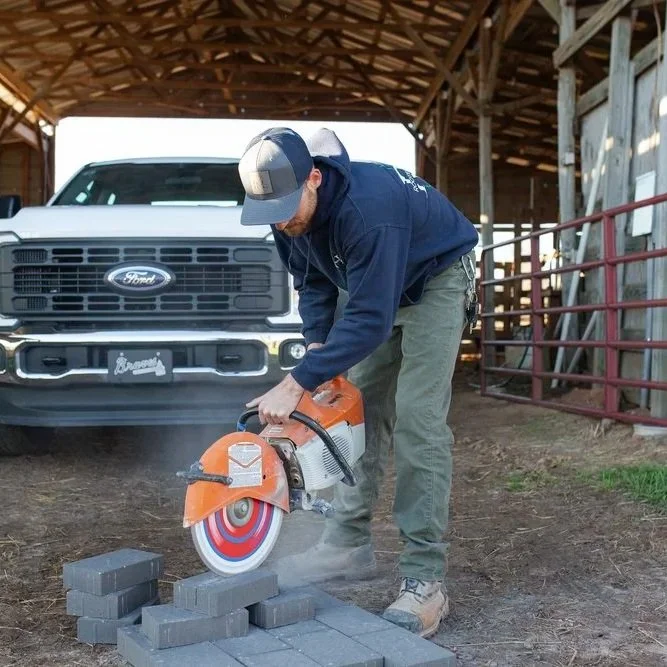
Proper drainage and soil reinforcement are essential hidden costs when building retaining walls in Gainesville’s heavy, moisture-retaining red clay.
Why DIY Retaining Walls in Gainesville Can Cost More Than You Think
DIY retaining wall projects have become increasingly popular in Gainesville, GA. Homeowners want to save money, improve curb appeal, and address visible landscape issues such as sloped yards, erosion, or raised planting areas. With online tutorials, social media videos, and big-box store displays promising simple “weekend builds,” it’s easy to believe a retaining wall is just another home improvement project.
The reality is very different. A retaining wall is a structural system designed to hold back large volumes of soil and manage water movement. In a hilly, rain-heavy area like Gainesville, mistakes don’t just affect appearance. They can lead to wall failure, drainage problems, yard damage, and even legal or insurance issues. The biggest surprise for many homeowners is not the upfront material cost, but the hidden costs that appear during construction or months later.
When we talk about hidden costs, we’re not just talking about extra trips to the store. We’re talking about overlooked drainage components, engineering needs, tool rentals, time investment, landscape damage, repairs, and shortened lifespan. These costs rarely show up in the initial estimate, yet they often erase any savings DIY builders hoped to achieve.
Gainesville’s rolling terrain, red clay soils, and frequent heavy rain make retaining wall construction more demanding than in flatter, drier regions. What might work as a simple DIY project elsewhere can quickly become risky here. This article breaks down those hidden costs so homeowners can make informed decisions before committing to a DIY retaining wall.
Gainesville Site Conditions That Drive Up Hidden Costs
North Georgia’s red clay soil is both an asset and a challenge. When compacted properly, it can be strong. The problem is drainage. Clay holds water, expands when wet, and increases lateral pressure on retaining walls after storms. DIYers often underestimate the extra drainage and base preparation needed in clay soils. Skipping proper excavation or compaction can lead to movement, cracking, or complete failure, all of which carry expensive repair costs.
Gainesville’s hills and elevation changes add another layer of complexity. Steeper slopes increase the force acting on a wall, making excavation harder and more dangerous. Materials have to be moved uphill, trenches are less stable, and walls often need to be stepped or terraced. These factors add labor, time, and safety risks that DIY budgets rarely account for.
Water is the biggest wild card. Heavy downpours common in North Georgia quickly saturate the soil. Without proper drainage, hydrostatic pressure builds behind the wall, pushing it outward.
Many DIY walls fail not because of the blocks themselves, but because water has nowhere to go. Fixing drainage after a wall is built often requires partial demolition, making it one of the most expensive hidden costs.
Professional site evaluation, including soil assessment and drainage planning, is often skipped by DIY builders. That upfront cost seems optional until unexpected settling, sinkage, or erosion forces a rebuild. Compared to reconstruction, proper evaluation is inexpensive insurance.
Permits, Codes, and Legal Costs That Catch DIYers Off Guard
Retaining walls over certain heights in Gainesville and Hall County typically require permits and, in many cases, engineered plans. Height thresholds, proximity to structures, and location near property lines all factor into whether approvals are required. DIYers frequently assume their project is too small to need a permit, only to discover otherwise after construction begins.
Hidden costs here include permit fees, plan revisions, engineering stamps, and delays. If a wall is built without approval, homeowners may face stop-work orders, fines, or even orders to tear the wall down. Correcting code issues after construction is far more expensive than addressing them upfront.
Property lines and easements are another source of surprise costs. Building even a few inches over a boundary can lead to disputes, surveys, legal consultations, and forced relocation of the wall. Drainage changes that affect neighboring properties can also create liability issues. Professionals routinely account for these constraints. DIYers often discover them the hard way.
Material Selection Mistakes and Their Long-Term Price
Choosing the wrong materials is one of the most common hidden cost triggers. Decorative blocks, garden edging stones, and inexpensive timbers are often mistaken for structural retaining wall materials. These products are not designed to handle soil pressure in wet clay conditions. When they lean or fail, replacement costs effectively double the project expense.
Reinforcement is another area where DIYers try to save money. Geogrid, which ties the wall into the soil mass, is essential for many walls beyond minimal heights. Skipping it reduces wall strength and lifespan dramatically. Retrofitting reinforcement later is nearly impossible without tearing the wall apart.
Gravel, drainage stone, and filter fabric are also frequently underestimated. These materials are not optional extras. They manage water flow, prevent soil migration, and stabilize the base. Under-ordering leads to extra delivery fees and delays. Using the wrong type of aggregate leads to drainage failure and wall movement.
Delivery costs add up quickly. Blocks, stone, and gravel are heavy. Many homeowners assume they can haul materials themselves, only to discover weight limits, multiple trips, fuel costs, and wasted time. Over-ordering creates leftover material that was paid for but never used.
Tools, Equipment, and Safety Expenses
A structurally sound retaining wall requires more than basic hand tools. Plate compactors, masonry saws, proper levels, and safety equipment are often missing from DIY budgets. Renting these tools costs money and time. Buying them rarely makes sense for one project, especially when storage and maintenance are considered.
Larger walls often require heavy equipment, such as mini-excavators or skid steers. Rental fees, insurance, fuel, and damage risk add up fast, especially for inexperienced operators. Misjudging rental duration is a common way budgets spiral out of control.
Safety gear is another overlooked cost. Gloves, eye protection, steel-toe boots, hearing protection, and dust masks are not optional when cutting concrete or moving heavy materials. Injuries lead to medical bills, lost work time, and unfinished projects that still need to be completed.
Time, Labor, and Lifestyle Costs
DIY timelines are almost always optimistic. A realistic retaining wall project involves planning, permitting, layout, excavation, base prep, block setting, drainage, backfilling, and finishing. Weather delays, unexpected soil conditions, and learning curves stretch projects from weekends into months.
The physical demands are significant. Repetitive lifting, awkward postures, and long days in heat and humidity increase injury risk. Chiropractic visits, physical therapy, and time off work are real hidden costs.
There’s also the opportunity cost. Weeks of disrupted yard use, lost weekends, and family stress are rarely factored into DIY decisions. When personal time is valued realistically, professional installation often makes more sense.
Drainage and Structural Errors With the Highest Price Tag
Hydrostatic pressure is the silent killer of retaining walls. In Gainesville’s climate, water buildup behind a wall can overload it quickly. Failing to provide proper drainage leads to bulging, cracking, and sudden collapse, often requiring emergency repairs and landscape restoration.
Using native soil instead of gravel backfill saves money upfront, but traps water. The result is chronic pressure and movement that dramatically shorten wall life. Drain pipes installed incorrectly, without slope or outlets, are another costly mistake that is difficult to fix once buried.
Structural errors compound the problem. Inadequate base preparation, poor compaction, incorrect batter, and insufficient reinforcement all reduce stability. Small mistakes early on often require full reconstruction later, consuming far more money than professional installation would have cost initially.
Landscape, Utility, and Cleanup Costs
Excavation damages lawns, plants, and hardscaping. Ruts, compacted soil, and destroyed shrubs require re-sodding, reseeding, and replanting. These restoration costs are often forgotten until the wall is finished and the yard looks worse than before.
Irrigation lines and shallow utilities are frequently damaged during digging. Emergency repairs, specialist calls, and fines add to the bill. Spoil soil removal is another surprise. Dump fees, truck rentals, and multiple trips quickly add up.
Final grading and erosion control are essential but often skipped. Without them, slopes erode, sediment washes onto driveways, and the finished project looks incomplete. Fixing these issues later costs more than addressing them upfront.
Long-Term Maintenance and Resale Impacts
DIY walls with marginal design require more frequent inspection and maintenance. Early warning signs like tilting, cracks, and pooling water often lead to professional repair costs. These repairs are especially frustrating for homeowners who already invested heavily in DIY.
Professionally built walls typically last much longer in Gainesville’s conditions. A shorter lifespan is a hidden cost that shows up years later, when a DIY wall needs replacement long before expected.
Retaining walls also affect resale value. Inspectors scrutinize walls near structures and property lines. Visible defects or questionable construction can lead to price reductions, repair demands, or delayed sales. A well-documented professional wall is an asset. A failing DIY wall is a liability.
DIY vs Professional: The Real Cost Comparison
When homeowners list every DIY expense—design, permits, engineering, materials, rentals, tools, safety gear, disposal, restoration, and contingency—the total often rivals or exceeds professional quotes. Contractors include many of these items in one price, along with experience, warranties, and insurance.
Professionals also carry liability coverage. If a wall fails and causes damage, the homeowner is protected. DIY projects shift all risk to the property owner, and insurance may not cover improper construction.
DIY can make sense for very small, non-structural walls on flat ground. It becomes risky in taller walls, on slopes, and in load-bearing applications common in Gainesville.
How Local Contractors Reduce Hidden Costs
Local Gainesville contractors understand clay soils, drainage patterns, and common failure points. They avoid trial-and-error by applying proven designs and materials. Their access to equipment, trained crews, and supplier pricing reduces delays and mistakes.
They also manage engineering, permits, inspections, and aftercare. Warranties provide peace of mind and financial protection in the event of issues. While the upfront cost is higher, the long-term value is often better.
Making an Informed Decision
DIY retaining walls in Gainesville often carry hidden costs tied to soil, water, codes, time, and long-term performance. These costs can quietly add up to thousands of dollars and cause significant stress.
Homeowners should evaluate wall height, slope, drainage, proximity to structures, and their own capacity honestly. Building a detailed DIY budget and comparing it to professional quotes is the best way to see the full picture.
For many projects, hiring an experienced local contractor is not only safer but also more economical over the life of the wall.
FAQs
DIY walls are generally limited to lower heights on flat ground, often under local permit thresholds. Soil conditions, slope, and what the wall supports matter just as much as height. Checking with building officials or professionals is strongly recommended.
Permits and engineering are commonly required for taller walls, walls near structures, or walls supporting driveways. Skipping these steps can lead to fines, forced removal, and liability issues.
DIY materials may appear cheaper, but hidden costs often reduce or eliminate savings. Professional quotes typically include drainage, labor, equipment, and compliance, making them more predictable in the long term.
Poor drainage, weak base preparation, wrong materials, missing reinforcement, and ignoring permits or property lines are the most common and costly errors.
