
Blending Hardscapes and Softscapes for Cohesive Outdoor Design
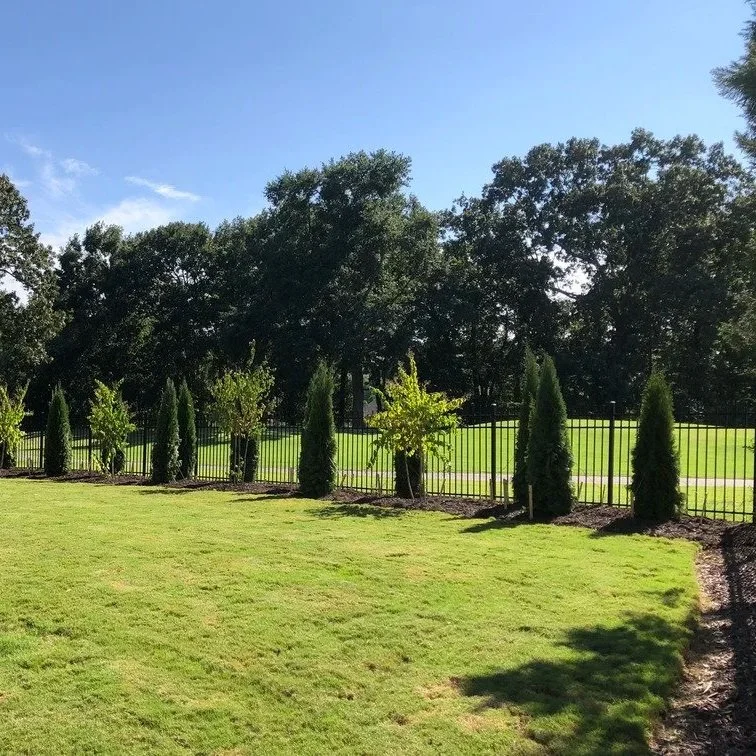
Hardscaping refers to the non-living elements, such as patios, walkways, retaining walls, and outdoor kitchens, while softscaping involves the living components—plants, trees, flowers, and lawns.
A beautiful outdoor space strikes a harmonious balance between hard and soft landscaping. Hardscaping refers to the non-living elements, such as patios, walkways, retaining walls, and outdoor kitchens, while softscaping involves the living components—plants, trees, flowers, and lawns. When both elements work together, they can create a stunning, cohesive landscape that blends functionality with beauty. Achieving this balance requires a thoughtful design approach that seamlessly integrates the two components, making a space that is both visually pleasing and easy to maintain.
The Role of Hardscapes in Outdoor Design
Hardscapes serve as the backbone of any landscape design. These are the solid, durable structures that define the space, creating pathways, focal points, and functional zones. The appeal of hardscaping lies in its versatility. Whether it's a stylish stone patio, a modern fire pit, or a winding brick walkway, hardscapes can be individualized to fit any aesthetic or purpose. They bring structure to the design, offering both form and function.
When selecting hardscape materials, the possibilities are endless. Natural stone, brick, concrete, and pavers offer distinct textures and colors that can be carefully selected to complement the surrounding environment. For example, a rustic stone patio can complement the natural surroundings of a garden, while sleek, modern pavers might enhance a contemporary design. Hardscaping provides the perfect platform for activities like entertaining guests, dining al fresco, or simply relaxing outdoors.
While hardscapes provide structure and durability, they also help define the landscape's layout, separating different areas or creating specific zones. For instance, a stone pathway might lead from the driveway to the backyard, guiding visitors through the space while adding visual interest. Retaining walls, on the other hand, can be used to level a sloped yard, making the area more usable and visually appealing.
The Importance of Softscapes in Outdoor Design
Softscaping, on the other hand, is the soul of the landscape. It's the living, breathing part of your outdoor space that changes with the seasons, adding color, texture, and movement. Plants, trees, and flowers are the elements that soften the edges of hardscapes, bringing life to the design and creating a sense of flow and continuity.
Softscaping offers a range of benefits beyond aesthetics. Well-placed plants can provide shade, reduce wind, and even improve air quality. Flowering plants add vibrant colors and fragrances, while trees offer privacy and help cool the space. By choosing the right plants for your climate and soil type, you can create a landscape that thrives year-round with minimal maintenance.
An important aspect of softscaping is its ability to soften the sometimes-harsh lines of hardscaping. For example, while a stone retaining wall may look sturdy and strong, surrounding it with plants like creeping ivy, ornamental grasses, or low-growing shrubs can make it blend more naturally into the environment. Similarly, a patio or driveway lined with colorful flowers and lush greenery can make the space feel more inviting and less rigid.
Creating Cohesion Between Hardscapes and Softscapes
Achieving a cohesive design requires careful planning to verify that both hardscapes and softscapes work in harmony. It's about creating balance—making sure that neither the hard nor soft elements overwhelm the other. Here are a few tips for blending both elements seamlessly:
Complementary Materials and Colors: The materials you use for hardscaping should complement the colors and textures of the plants in your softscape. For example, a modern concrete patio can be paired with minimalist grasses and succulents, while a natural stone walkway might work beautifully with native plants that blend into the environment. Choosing materials that match or contrast pleasingly helps tie everything together visually.
Layering and Balance: Layering is crucial for achieving a seamless transition between hardscapes and softscapes. Hardscaping should never feel like an afterthought; instead, it should blend seamlessly into the landscape in a way that feels organic. Use plants to fill in gaps, soften edges, and create visual interest. For instance, tall plants, such as trees or shrubs, can anchor the corners of a patio, while shorter groundcovers can fill in the spaces between paving stones. By balancing prominent hardscape features with smaller, more intricate plantings, you create a harmonious design that feels cohesive and well-planned.
Functional Integration: Hardscapes and softscapes should not only complement each other visually but also function seamlessly together. For example, a raised garden bed surrounded by a stone border not only adds beauty to the space but also serves a practical purpose by keeping soil contained. Similarly, a well-positioned fire pit area, surrounded by comfortable seating and softscape elements such as potted plants or hanging greenery, creates a comfortable and functional space for gathering. When hardscapes and softscapes are designed with functionality in mind, they complement each other, creating a space that is both beautiful and practical.
Seasonal Transitions: A well-designed landscape should provide interest throughout the year. Hardscaping elements, such as stone walls or patios, remain static, but softscaping elements change with the seasons. By adding a variety of plants that bloom at different times or trees that offer fall color or winter interest, you guarantee that your landscape always has something to offer. This dynamic blend of permanent structures and seasonal changes creates a rich, engaging outdoor space.
Flow and Movement: One of the most critical aspects of blending hardscapes and softscapes is the flow of the design. Paths and walkways should feel like natural extensions of the landscape, guiding the eye from one area to another, creating a seamless transition. Consider the movement of people and water when designing your space. Curved pathways, for instance, are more inviting than straight lines, and they naturally encourage exploration. Softscaping elements, such as tall grasses or flowering vines, can also be used to create movement and draw the eye toward key features, like water fountains, fire pits, or garden sculptures.
Why Combined Services Work
When combining hardscapes and softscapes in your outdoor design, it is essential to work with a team that offers both landscaping and hardscaping services. A landscape-focused team understands the intricate details of designing and installing plants, trees, and flowers, while a hardscape-focused team has the expertise to build durable, lasting outdoor structures. By working with a company that can manage both aspects of the design process, you streamline the planning and execution stages, so both hardscapes and softscapes are thoughtfully integrated.
A combined approach allows for better coordination, fewer headaches, and a more cohesive overall design. Whether you're installing a stone walkway surrounded by vibrant flowers or creating an outdoor living space with built-in seating and lush plantings, a team that understands both hardscaping and softscaping can bring a vision to life in a way that truly elevates your outdoor environment.
Conclusion
Blending hardscapes and softscapes in outdoor design is an art that combines structure, beauty, and functionality, creating a harmonious blend of elements. The key to a winning design lies in finding the perfect balance between these two elements—creating a cohesive, harmonious space that is both visually stunning and practical. By thoughtfully combining materials, colors, textures, and plantings, you can create a landscape that feels natural, inviting, and timeless. Whether you're looking to upgrade your backyard or redesign your entire property, the right mix of hardscaping and softscaping can transform any outdoor space into a breathtaking oasis.
