
Building Retaining Walls That Last Through the Seasons
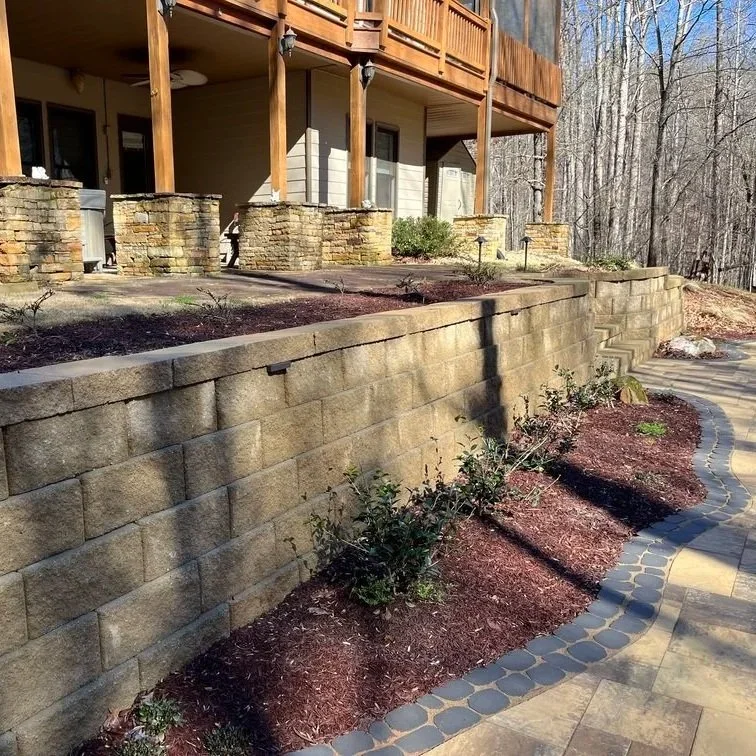
When built right, they blend strength and design to weather every season without crumbling under pressure.
Retaining walls do more than hold back soil—they help shape landscapes, support structures, and add curb appeal that doesn't wash away with the rain. When built right, they blend strength and design to weather every season without crumbling under pressure. From the sizzling days of summer to the deep freeze of winter, a well-constructed retaining wall handles it all while looking sharp along the way.
Success starts below the surface. What can't be seen often makes the biggest difference in durability, drainage, and long-term performance.
Foundation First, Always
Every lasting retaining wall starts with a proper base. It's not the glamorous part, but it's where the heavy lifting happens. A strong foundation gives the wall stability and prevents unwanted movement. Without it, even the prettiest wall starts leaning into trouble the first time the ground shifts.
Builders dig below the frost line to protect against seasonal heaving and settle the wall on a bed of compacted gravel. It's not guesswork—it's about setting the stage for decades of performance. When the base is built with precision, the rest of the wall has a fighting chance against time, gravity, and weather.
Drainage Makes or Breaks the Wall
Retaining walls don't play well with trapped water. Water pressure builds quickly and puts stress on the wall that no amount of mortar can withstand. That's where drainage design takes the spotlight. Without it, walls fail—even beautiful ones.
Behind the wall, a layer of gravel acts as a pressure-release valve. Perforated pipes help redirect water, keeping the load light and the structure upright. Sometimes it's all hidden, sometimes it's subtly integrated into the visible design. Either way, proper drainage keeps a retaining wall strong through spring downpours, autumn drizzles, and surprise summer cloudbursts.
Materials That Work With the Climate
Mother Nature doesn't take it easy on hardscape. Freezing and thawing, rain and heat, shifting soil—every element tests the materials day in and day out. That's why the best retaining walls use stone, block, or concrete blends that match the local environment.
Natural stone offers rustic charm and withstands harsh climates. Concrete block brings consistency and strength for tighter engineering needs. Some blends are formulated to resist cracking and fading, while others allow moss and patina to add character over time. Choosing the right material isn't just about color and texture—it's about staying power.
Design That Moves With the Ground
Good retaining walls never fight the land. Instead, they work with it. Tiered designs help manage steep slopes. Curves follow the natural contour and distribute pressure more evenly. Dead-straight walls have their place, but when built without flexibility or expansion joints, they're asking for cracks.
Professional hardscape builders know how to plan for soil type, slope, and seasonal changes. They consider how the land shifts through the year and design the wall to accommodate that motion gracefully. It's not just about stopping erosion—it's about working with the forces that shaped the yard in the first place.
Retaining Walls With a Purpose
Some walls do more than hold dirt. They act as planters, seating, or visual boundaries between outdoor spaces. Multi-purpose retaining walls add function to form, especially in residential designs where every square foot counts.
Short walls around patios can double as bench seating. Raised beds built into slopes provide garden space and prevent runoff. Terraced walls bring dimension and structure to yards that might otherwise feel too steep or uninviting. When every block has a purpose, the finished product adds value and versatility to the landscape.
Winterproofing From the Ground Up
Snow and ice challenge every outdoor structure, but retaining walls built for all seasons handle winter without complaint. Frost heave—the lifting and shifting of soil during freeze-thaw cycles—can tear apart poorly built walls. Smart design prevents that.
Using the right base depth and material helps avoid lifting. Backfill that drains well avoids frozen bulges. And walls with slight backward lean (a little engineering magic called "batter") resist shifting even when the ground beneath them decides to throw a cold-weather tantrum.
Low-Maintenance With Long-Term Payoff
The best part about a properly installed retaining wall is how little attention it demands afterward. A seasonal sweep, maybe a little power washing, and a quick inspection for any shifting stones—that's usually all it needs. Compare that to regrading a slope every year or battling erosion after every storm, and the wall pays for itself over time.
Investing in a quality wall built by professionals saves future headaches. No buckling bricks. No surprise landslides. Just a solid, stylish structure that performs through every season like it was born for it.
The Backbone of a Beautiful Landscape
Retaining walls might not get the same spotlight as lush gardens or dramatic patios, but they're often the quiet MVPs of a landscape. When designed with care and built with the right mix of materials, technique, and foresight, they turn tricky slopes into usable, attractive spaces. They protect driveways, preserve foundations, and frame outdoor living areas with strength and charm.
A good retaining wall doesn't just stand tall—it endures, adapts, and supports everything around it. Through the heat, the cold, and every storm in between, it holds its ground with a little grit and a lot of grace.
