
Top Questions to Ask Before Hiring a Fire Pit Contractor
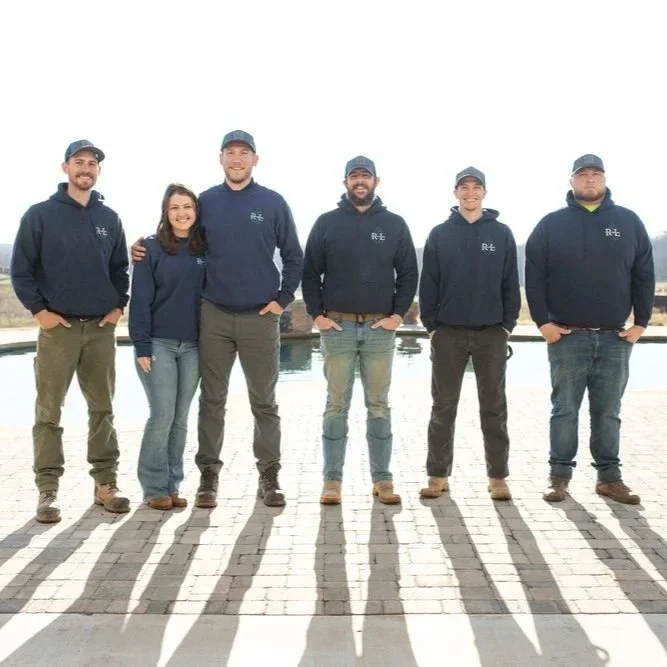
Hiring a skilled contractor ensures your backyard fire pit is safe, durable, and perfectly tailored to your space.
A backyard fire pit can completely transform your outdoor space, turning it into a cozy retreat or a lively social hub. But creating a fire pit that’s safe, functional, and visually appealing isn’t as simple as picking a stylish bowl or stone circle.Hiring a professional contractor ensures your fire feature is designed to meet local codes, built to last, and tailored to your lifestyle. The success of your fire pit project begins with asking the right questions before you commit to any contractor. From planning and budgeting to safety and long-term maintenance, knowing what to ask helps you make confident, informed decisions.
Whether you want a sleek gas pit, a rustic wood-burning feature, or a hybrid design, this guide will cover everything homeowners should consider before hiring a fire pit contractor. Understanding design options, materials, fuel systems, permits, costs, and warranties protects your investment and ensures years of safe, enjoyable use. Think of these questions as a checklist that guides you through initial consultations, allowing you to compare contractors and make the right choice for your backyard oasis.
Planning Your Fire Pit: Goals, Budget, and Layout
Before contacting a contractor, it’s essential to define your goals. What purpose will the fire pit serve? Are you planning cozy evenings with family, entertaining larger groups, cooking marshmallows, or creating a visual centerpiece? The intended use will influence every aspect of the project, from size and shape to seating layout and heat output. When you can clearly articulate your needs, contractors can recommend designs that meet your lifestyle without unnecessary extras.
Consider practical questions: How many people typically gather in your backyard? Do you want an intimate, low-key space or a fire pit large enough for parties? How frequently will you use it, and during which seasons? Your answers will guide fuel type selection—wood, gas, or a combination—and impact ignition systems, burner sizes, and materials. Planning ahead helps avoid costly mistakes, like overbuilding a pit that won’t fit your actual usage.
Budgeting is equally critical. Having a clear financial plan allows contractors to propose realistic designs and materials while saving time exploring impractical options. A comprehensive budget should account for the fire pit itself, seating, surrounding hardscaping, permits, gas line installation, lighting, and ongoing maintenance. Identify your priorities upfront. Is your focus on safety, durability, aesthetics, or convenience, like automatic ignition? Sharing these preferences ensures your money is invested where it matters most, such as high-quality burners and safety features, rather than decorative extras you may rarely use.
Location and backyard layout are also key considerations. Fire pits must meet safety clearances from structures, fences, and plants while accommodating wind direction and natural traffic flow. Think about how the pit will connect with patios, walkways, pools, or outdoor kitchens. Sketching layouts or collecting inspiration photos can help contractors understand your vision quickly, assess feasibility, and ensure compliance with local codes. The more preparation you do, the smoother your consultation and installation process will be.
Choosing the Right Type, Style, and Materials
Once you know your goals, consider the type of fire pit that fits your lifestyle. Do you prefer a built-in, permanent installation or a portable unit? Built-in pits are highly customizable, integrate seamlessly with landscaping, and can add property value. They are ideal for homeowners seeking a long-term investment. Portable fire bowls or tables, on the other hand, offer flexibility and lower costs but are generally less durable and may not require professional installation.
Style and materials are equally important. Do you envision a modern, minimalist design, a rustic stone look, or a Mediterranean-inspired centerpiece? Materials such as brick, concrete, stone, pavers, or metal all offer different aesthetics and levels of maintenance. Bring inspiration images from magazines, online galleries, or neighborhood projects to help contractors understand your expectations. Deciding on shapes, finishes, and colors in advance allows for more accurate timelines, cost estimates, and realistic design proposals.
Durability and weather performance are other vital considerations. Outdoor fire features must withstand freeze-thaw cycles, rain, wind, and sun exposure. Contractors may recommend reinforcement, sealants, or specialized construction techniques depending on local conditions. Ask about expected lifespan, aging, and how different surfaces transition from the fire pit to the surrounding patio or landscape. A contractor who addresses these technical details demonstrates knowledge and attention to long-term satisfaction, not just aesthetics.
Verifying Credentials and Experience
Hiring a qualified contractor isn’t optional—it’s essential for safety, quality, and legal compliance. Start by confirming licensing and insurance. Contractors should hold the appropriate licenses for fire pit installation and any gas work. You can verify licenses online, which ensures the contractor understands codes, safety standards, and industry best practices. Unlicensed work can create serious safety hazards and complicate future property transactions.
Insurance is equally important. Contractors should carry general liability insurance and workers’ compensation coverage, protecting both you and their team in case of accidents. Always request proof of coverage and ensure any subcontractors are similarly insured.
Experience matters as much as credentials. Ask for references from recent fire pit installations, ideally similar to your planned project. Contact past clients to discuss timeliness, budget adherence, communication, and durability of the installation. Certifications or specialized training in fire pit construction signal professionalism and familiarity with best practices. Ask how many fire pits the contractor installs annually, and request examples of completed projects.
Contractors who can demonstrate both technical skill and a track record of satisfied clients are generally more reliable.
Evaluating Design, Functionality, and Fuel Systems
A great fire pit contractor should be able to translate your vision into a practical, safe, and aesthetically pleasing design. Ask about size, shape, seating layout, and how the fire pit will fit with existing patios, decks, landscaping, or outdoor kitchens. Consider additional features like storage, lighting, or provisions for future expansions, such as sound systems or electrical outlets. Thoughtful design upfront can save money later and enhance usability.
Fuel type is a critical decision. Ask if the contractor specializes in wood-burning, gas, or hybrid setups and whether they can explain the advantages and limitations of each. For gas pits, ask about burner sizing, flame appearance, and ignition systems. Will the contractor handle gas line installation, and how will safety be ensured? Discuss fire media options—lava rock, fire glass, or ceramic logs—and their impact on heat, aesthetics, and maintenance. Correct fuel selection improves safety, efficiency, and enjoyment.
Ensuring Safety, Codes, and Permits
Safety should always be a priority when installing a fire pit. Contractors should handle all necessary permits, inspections, and compliance with local building and fire codes. Skipping permits can result in fines, forced removal, or difficulties if you ever sell your property. Ask specifically how they ensure proper clearances from structures, fences, plants, and overhead features, and how they address ventilation and drainage for both wood-burning and gas pits.
Safety accessories are also critical. Spark screens, covers, and proper fire media protect your home and the surrounding landscape. Request detailed operating instructions, manuals, and emergency shutoff information. A walk-through of the completed pit demonstrating safe operation shows the contractor’s professionalism and dedication to long-term safety. Contractors who provide thorough safety guidance demonstrate commitment beyond simply finishing the installation.
Managing Costs, Timeline, and Aftercare
A detailed, itemized estimate is non-negotiable. Your estimate should break down labor, materials, equipment, permits, and subcontractor costs, while clearly identifying what is not included. Ask about factors that could affect the final price, such as changes in materials, custom features, or unforeseen site conditions. Clarify deposit requirements, payment schedules, and financing options. Understanding these details upfront prevents stress and disputes during the project.
Timeline and project management are also important. Ask about start-to-finish schedules, daily supervision, handling of change orders, and clean-up procedures. Good communication and clear documentation for decisions, updates, or unexpected issues reflect a contractor’s professionalism. Don’t forget aftercare: warranties, maintenance instructions, seasonal shut-down/start-up services, and guidance on upgrades demonstrate that the contractor values your long-term satisfaction. Contractors who plan for ongoing care ensure your fire pit remains safe, functional, and beautiful for years.
Conclusion
Hiring a fire pit contractor is about more than adding a decorative element to your yard—it’s about ensuring safety, compliance, design quality, and longevity. Asking the right questions helps you identify licensed, insured, and experienced professionals who can deliver on your vision. Focus on design, materials, fuel systems, permits, costs, and post-installation service while considering communication and interpersonal fit. Taking notes during consultations, verifying references, and reviewing permits ensures your project runs smoothly. With careful planning and a qualified contractor, your fire pit will provide safe, enjoyable evenings and enhance both lifestyle and property value for years to come.
FAQs
Ask about licensing, insurance, experience with fire pits, permit handling, and for a detailed written estimate. Make sure they prioritize safety, code compliance, and provide a clear cost breakdown.
You should gather two to three detailed quotes. Compare scope of work, warranties, communication, and past performance—not just pricing. Be cautious of extremely low bids that skip permits or important safety features.
Simple wood-burning pits cost around $1,500–$3,500, basic gas pits range from $3,000–$6,000, and premium custom builds can exceed $10,000. Pricing depends on materials, seating, gas lines, and design options.
Verify licensing, insurance, fire-pit experience, references, and request a detailed written proposal. A reliable contractor provides documentation, communicates clearly, and demonstrates strong knowledge of safety codes and installation standards.
