
How to Troubleshoot Common Fire Pit Problems (Won’t Light, Poor Flame, Etc.)
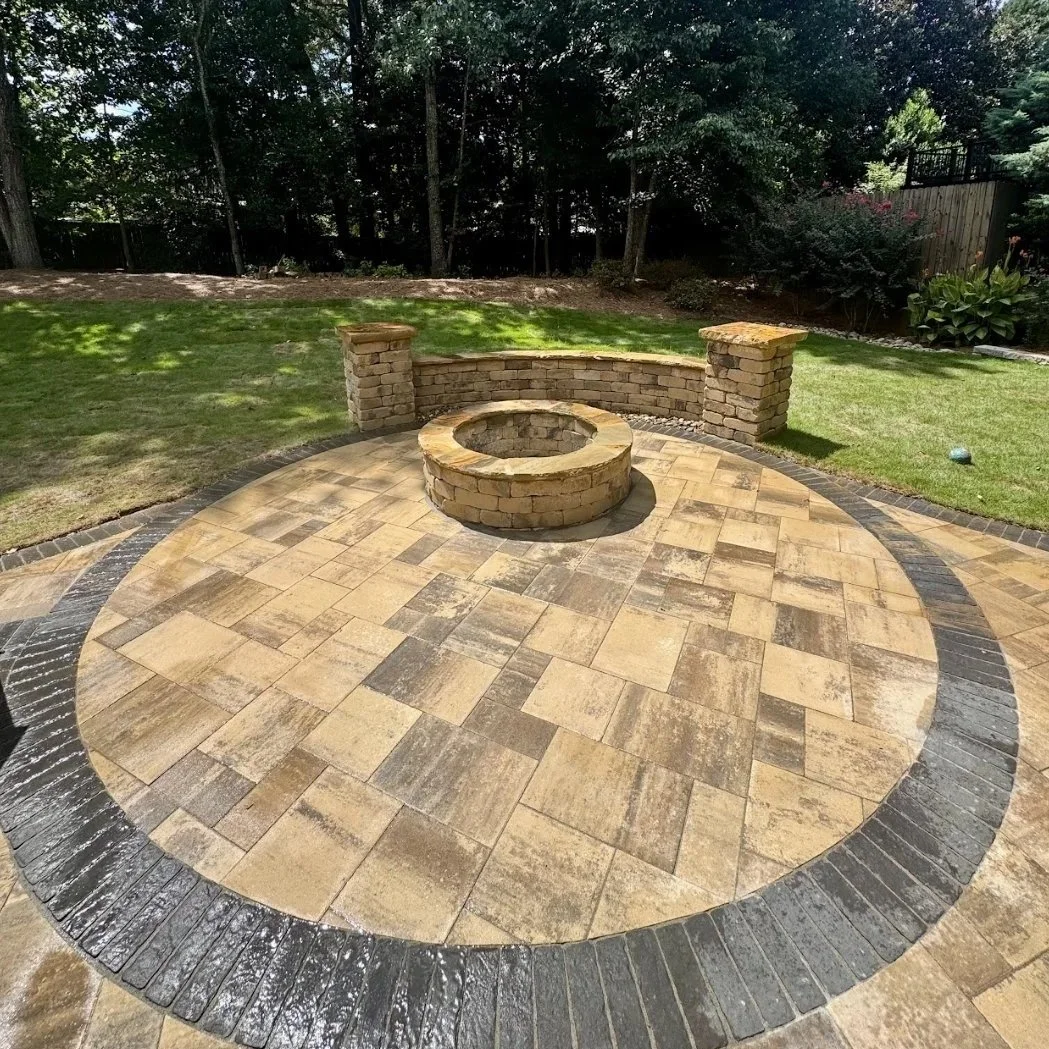
Learn how to fix common fire pit problems like poor flames, ignition failure, or smoke for safe backyard enjoyment.
Fire pits are a fantastic addition to any backyard, creating ambiance, warmth, and a gathering spot for friends and family. But when your fire pit won’t light, produces weak flames, smokes excessively, or makes unusual noises, it can quickly become frustrating. Understanding how to troubleshoot common problems—whether you have a gas or wood-burning fire pit—is the key to keeping it running safely and efficiently.
Understanding Your Fire Pit Type and Basic Components
Before attempting any troubleshooting, it’s crucial to identify your fire pit type. Gas fire pits use propane or natural gas and rely on fuel lines, burners, ignition systems, and proper gas pressure. Wood-burning pits, in contrast, depend on dry fuel, proper airflow, and fire-starting techniques.
Typical symptoms—won’t light, weak flames, smoke, or odors—can have very different causes depending on the pit type. For instance, a weak flame in a gas unit might indicate a regulator or gas flow problem, while in a wood pit, it could be damp wood or blocked airflow. Confirm your pit type and fuel source first, and always consult manufacturer guidelines before attempting major repairs.
Key Parts of a Gas Fire Pit
Gas fire pits have several core components: the burner, gas line, gas valve, ignition system (electronic or piezo), thermocouple or flame sensor, air mixer, lava rocks or fire glass, and regulator (for propane). Each plays a role in safe operation: burners distribute gas, ignition systems spark the flame, thermocouples ensure gas only flows when lit, and air mixers maintain proper combustion.
Knowing these parts helps you visually inspect for obvious issues, such as kinked hoses, clogged burner ports, or misaligned igniters. Basic inspections—looking for debris, corrosion, or damage—can resolve simple problems. However, anything involving internal gas lines or suspected leaks should always be handled by a professional.
Key Parts of a Wood-Burning Fire Pit
Wood fire pits consist of the fire bowl or ring, grate, air vents, spark screen, ash pan, and the surrounding structure. Grates and vents are vital for airflow, which keeps the fire burning efficiently and safely.
Problems such as excessive smoke or difficulty maintaining a fire often trace back to blocked vents, warped grates, or built-up ash. During inspection, look for rusted sections, accumulated ash layers, or damaged screens, which can pose both operational and safety hazards.
Safety First: Essential Precautions
Safety is paramount before any troubleshooting. Always turn off the gas, allow the unit to cool completely, wear heat-resistant gloves and eye protection, and keep children and pets at a safe distance. Work in a well-ventilated area, and never attempt repairs on a hot or actively burning fire pit.
Call a professional immediately if you notice a persistent gas smell, visible gas line damage, suspected regulator failure, or fire damage to structural components. Manufacturer instructions and local codes should always take priority over generic advice.
Gathering Tools and Information
Having the right tools and information can streamline troubleshooting. Useful items include a soft brush, compressed air, pipe cleaners, mild detergent, screwdrivers, adjustable wrenches, soapy water (for gas leak tests), a firewood moisture meter, and a flashlight.
Document your fire pit’s model number, fuel type, and manual. Observe patterns in the problem, such as flame issues only in wind or with certain wood, and take photos before and after cleaning or adjustments. These details can make diagnosing problems much easier.
Gas Fire Pit Problems and Solutions
Fire Pit Won’t Light
Check Gas Supply: Ensure propane tanks are full, valves are open, and control knobs are properly set. Slowly reopen valves to prevent tripping safety features. Kinked hoses or stuck regulators can also block gas flow.
Inspect Ignition: Debris or corrosion can prevent sparks. Check igniter tips for soot or damage and test for a visible spark. Replace or repair as needed.
Blocked Burner Ports: Dust, webs, or rust can clog ports. Clean with a soft brush or compressed air, ensuring the gas is off and the burner is cool.
Thermocouple Issues: A dirty or misaligned thermocouple may shut off the flame immediately. Adjust or clean gently; replacement may require a professional.
Flame Keeps Going Out
Wind, drafts, or improper thermocouple placement can cause flame-outs. Consider wind guards, repositioning the pit, or adjusting the thermocouple. Low gas pressure or obstructed lines can also weaken flames. Lava rock or fire glass can smother flames if piled too high—redistribute media according to the manual.
Weak or Uneven Flame
Check and reset the propane regulator if the flame sputters. Clean burner ports and ensure proper air-to-gas mixture. Inspect hose condition, line length, and tank level. If corrosion or warping is visible on the burner, replacement may be necessary.
Ignition Button or Knob Problems
Dead batteries, corroded connections, or stuck knobs can prevent ignition. Replace batteries, clean and lubricate knobs, and test manually if allowed. Identify whether the problem is ignition or gas flow to avoid unnecessary replacements.
Gas Leaks or Smells
Persistent sulfur-like odors or hissing sounds indicate leaks. Turn off the gas, evacuate the area, and contact a licensed technician. Use soapy water on accessible connections to check for small leaks, but never test with an open flame. Prevention includes inspecting hoses and regulators regularly.
Whistling or Humming Noises
Minor gas flow noises can result from line resonance or orifice flow. Ensure hoses are straight and clean, and trim panels are secure. If noise is accompanied by flame irregularities, call a professional.
Wood Fire Pit Problems and Solutions
Excessive Smoke
Wet or green wood, poorly stacked logs, or blocked vents can cause smoke. Use dry, seasoned hardwood, build fires with small kindling and gradually larger logs, and keep vents clear. Regularly remove ash and inspect airflow pathways.
Fire Won’t Stay Lit
Choose dry, properly sized firewood, use plenty of kindling, and build a fire with techniques like the top-down or log cabin method. Ensure adequate oxygen supply by using grates and keeping vents clear. Avoid overloading the pit or using damp materials.
Popping, Cracking, or Exploding Sounds
Moisture in wood or fire media causes steam expansion, leading to pops or cracks. Only use dry, fire-rated rocks and seasoned wood. Loud, structural pops may indicate cracks in masonry or metal; inspect carefully and involve a professional if needed.
Structural Damage
Check for rust, corrosion, hairline cracks, or warped metal. Minor issues may allow limited use with smaller fires, but large cracks, holes, or wobbling structures require immediate professional attention. Use covers, store portable units indoors, and apply protective coatings to extend lifespan.
Unpleasant Odors or Soot
Black soot or acrid smells indicate incomplete combustion. In wood pits, switch to dry, seasoned wood. In gas pits, check air-to-gas ratio, burner cleanliness, and media placement. Avoid burning treated, painted, or trash materials for safety and environmental reasons.
Damage to Patio, Decking, or Grass
Excess heat can scorch surfaces. Use heat shields, mats, and non-combustible bases. Maintain recommended clearances from combustibles, and relocate the fire pit if necessary. Consider upgrades or reconfiguration if ongoing damage occurs.
Regular Maintenance
Routine maintenance prevents the most common fire pit issues. Inspect for cracks, rust, loose connections, clogged vents, and soot at the start and end of each season. Clean gas components with mild soap and water, and ash from wood pits safely. Protect pits with breathable covers and, when possible, store portable units indoors. Keeping manuals and contact information handy makes future troubleshooting easier.
Conclusion
Most fire pit problems stem from fuel quality, airflow, cleanliness, or minor mechanical issues. Understanding whether you have a gas or wood-burning pit, recognizing its key components, and following step-by-step troubleshooting often solves the problem without major repairs. Safety should always come first—persistent gas smells, leaks, structural damage, or faulty safety components require professional attention. With routine maintenance, protective storage, and mindful use, your fire pit can provide years of safe, reliable enjoyment and cozy gatherings.
FAQs
A yellow flame in a gas fire pit usually indicates incomplete combustion. This often happens when the burner is dirty, the gas ports are blocked, or the air-to-gas mixture isn’t properly balanced. Over time, dust, debris, or spider webs can accumulate inside the burner, restricting airflow and affecting the flame’s color. A properly functioning gas flame should be mostly blue with small yellow tips. To correct this, turn off the gas and allow the burner to cool completely, then clean the burner and inspect the ports for blockages. Adjusting the air shutter can help ensure the correct air-to-gas ratio, which promotes a steady, blue flame. Regular maintenance can prevent yellow flames and improve efficiency.
Fire pits require consistent care to remain safe and efficient. It’s recommended to perform inspections and basic cleaning at the start and end of each season. Remove leftover ash or debris, clean burners or fire media, and check for cracks or damage. Examine vents, hoses, and connections to ensure there are no leaks or obstructions. Regular maintenance not only prolongs the life of your fire pit but also ensures consistent flame quality and reduces the risk of hazards.
Yes, roasting marshmallows over a gas fire pit is safe if the fire pit is in good condition and flames are stable. Always use long skewers and keep your hands, clothing, and flammable objects away from the burner. Avoid chemical accelerants, and never leave the fire pit unattended while in use.
Conversion is possible, but should be done professionally. You’ll need the proper gas supply, burners, regulators, and clearances to meet local codes. Ensure the fire pit’s design is compatible with gas installation for safe and efficient operation.
