
Seasonal Fire Pit Maintenance Checklist for Gainesville Homeowners
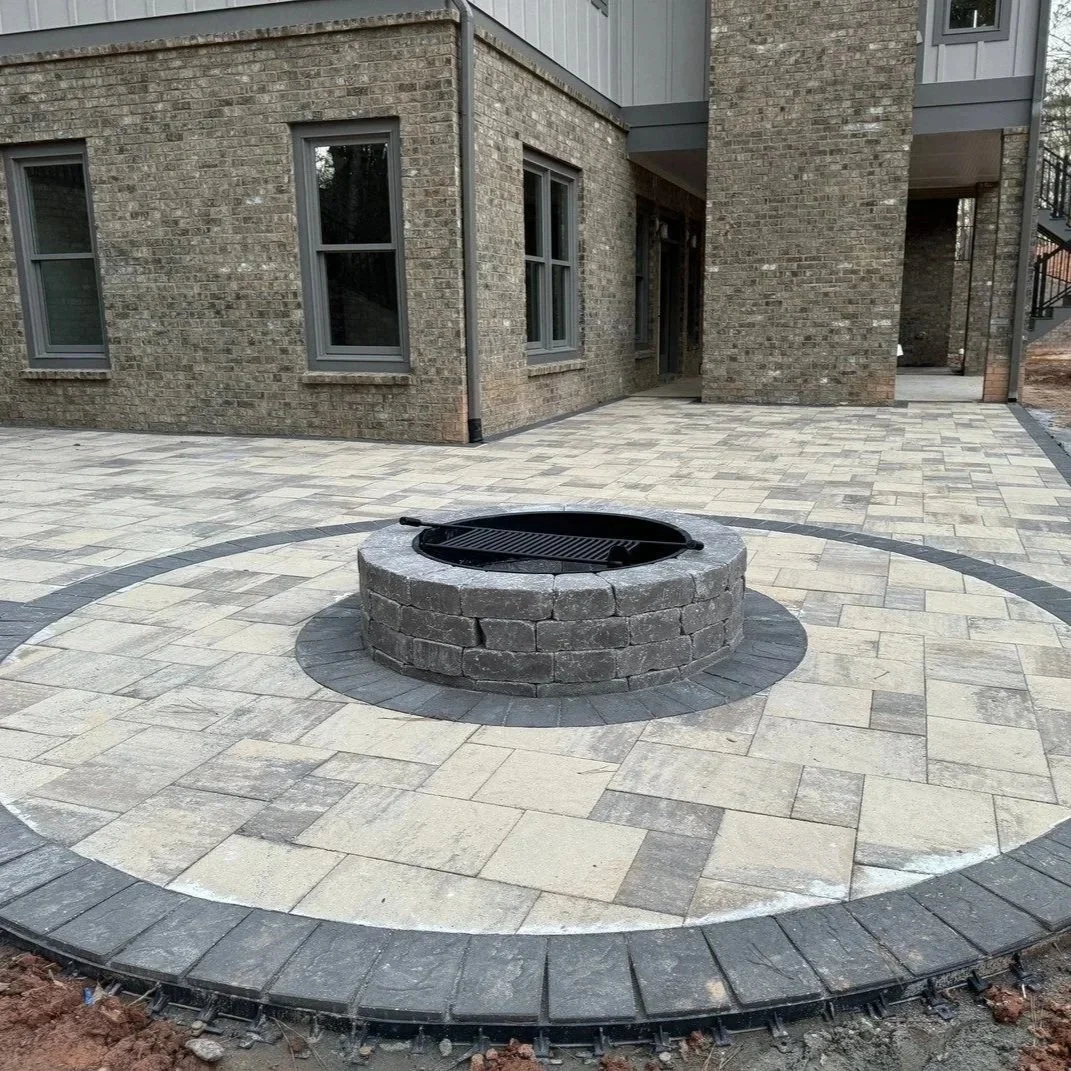
Gainesville fire pit on patio with autumn leaves, showing seasonal maintenance needs due to humidity, storms, and outdoor use.
Understanding Gainesville’s Climate and Seasonal Use
Gainesville’s humid subtropical climate—with high humidity, frequent summer storms, and mild winters—has a direct impact on fire pit materials. Metal pits are prone to rust, while stone, brick, and concrete can develop cracks or efflorescence. UV exposure, moisture, and temperature swings gradually degrade finishes and sealants. Standing water, leaf litter, and pollen further accelerate deterioration. Understanding these vulnerabilities allows homeowners to create a Gainesville-specific maintenance routine, tailored to their fire pit type and location—whether on patios, near pools, or under tree cover.
Fire pit use in Gainesville peaks during fall, winter, and early spring when evenings are cooler, football season is active, and outdoor entertaining increases. Summer use is lighter due to heat, humidity, and insects. Seasonal use patterns shape maintenance routines, as holidays and game-day gatherings generate more ash, wear, and cleaning needs. Treating care as part of your outdoor lifestyle, rather than a one-off chore, ensures the fire pit is always ready.
Why a Seasonal Maintenance Checklist Matters
A structured seasonal checklist reduces fire hazards, prevents costly repairs, and extends the lifespan of your fire pit. Small issues like rust, hairline cracks, or clogged burners can escalate into major safety problems in Gainesville’s leafy, densely vegetated yards. Insurance, local codes, and personal liability all intersect with fire pit safety, making documentation of maintenance a wise step. Ultimately, a clear plan gives homeowners peace of mind, keeping the fire pit ready for impromptu gatherings without worrying about hidden dangers.
Four-Season Maintenance Approach
Pre-Fall: Inspection, Cleaning, and Prep
Before peak fall use, conduct a thorough structural inspection. Check stone, concrete, and brick for cracks or gaps, and inspect metal fire pits for rust, warping, or weak welds. Remove all old ash, debris, leaves, and insect nests—Gainesville’s humidity can turn ash caustic and accelerate corrosion. Clean surfaces according to material: mild soap for metal, gentle scrubbing for masonry, and rinsing patios or decks to remove soot or mildew. Inspect fire rings, grates, and accessories, replacing anything bent, rusted, or unsafe. Refresh protective coatings: high-heat paint for metal, breathable masonry sealers for stone or concrete.
Stock seasoned hardwoods like oak or hickory in ventilated, dry storage to prevent dampness and smoke issues. Test ignition methods, ensure backup lighting is available, and review household fire safety rules. A well-prepped pit guarantees safe, enjoyable fall evenings and peak-season performance.
Fall and Winter: Active Use and Safety Checks
During fall, clear vegetation, rake leaves, and trim overhanging branches to create a defensible zone around the pit. Check seating placement, furniture safety, and pathways to maintain proper distances from flames. Winter use, even in mild Gainesville conditions, requires monitoring for new cracks, heat damage, or shifts in stones and metal. Ash buildup should be removed regularly to maintain airflow and efficient burning.
Monitor wind conditions to prevent stray embers, maintain safe seating for cooler evenings, and reinforce proper extinguishing habits. Even with moderate winter fires, following these steps protects your yard and guests.
Spring: Post-Season Cleanup and Damage Assessment
Spring is the ideal time to remove soot and discoloration from masonry and metal surfaces and to assess winter wear. Identify cracks, loose stones, or rusted components and plan necessary repairs—DIY fixes for minor issues, professional help for structural or gas-related problems. Check for mold, mildew, or algae, especially in shaded or damp areas, and improve drainage or airflow around the pit to reduce recurrence.
Refresh gravel, rock, or ground cover for a stable, safe area and evaluate whether to upgrade seating, fire pit size, or protective features. Spring planning ensures readiness for summer storms and the next busy fall season.
Summer: Protection, Storage, and Light Use
Gainesville summers bring intense sun, humidity, and frequent storms. Protect fire pits with breathable, UV-resistant covers and consider partial shade. Secure portable pits ahead of tropical storms, and inspect metal surfaces for rust. Store loose accessories in a dry, ventilated area.
For occasional summer fires, keep flames small, monitor sparks, and avoid burn days during dry spells. Summer provides an opportunity to focus on protective care rather than heavy use, ensuring the pit is ready when cooler months arrive.
Monthly Maintenance for Gainesville Fire Pits
Monthly upkeep keeps the fire pit in top condition without overwhelming homeowners. Perform quick visual inspections for cracks, rust, or displaced stones, and sweep or vacuum interiors. Check nearby landscaping for encroaching vegetation, scorch marks, or hazards. Test emergency equipment like fire extinguishers, hoses, and lighting. Track fuel consumption to anticipate needs and spot unusual patterns. Address small repairs promptly—tighten bolts, patch mortar, or treat minor rust. Regular attention prevents minor problems from becoming expensive or dangerous.
Fuel-Specific Care: Wood and Gas Pits
Wood-burning fire pits: Use seasoned hardwood for hotter, cleaner burns. Position seating to minimize smoke, avoid wet or treated wood, and clean soot or creosote deposits regularly. Use safe fire starters—never gasoline or accelerants—and dispose of ash in metal containers once cooled, following local guidelines.
Gas and propane fire pits: Inspect hoses, connections, and burners for leaks or blockages. Clean ignition components, maintain dry control panels, and store propane tanks upright in shaded, ventilated areas. Observe flame color and pattern to catch issues early. Proper care ensures both efficiency and safety for gas systems.
Safety Essentials and Working with Professionals
Maintain proper clearances from buildings, fences, and trees. Keep extinguishing tools—extinguisher, hose, bucket, shovel—within reach. Set clear household rules for kids and guests, and understand local burning regulations and HOA requirements. Prepare for emergencies with a simple plan for extinguishing fires and contacting authorities.
Call a professional for structural cracks, persistent gas issues, or complex repairs. Seek contractors experienced in Gainesville’s climate and codes. Annual or biannual inspections of gas or permanent masonry fire pits can prevent major failures, and professionals can help upgrade designs for safety, drainage, and low-maintenance materials.
Creating Your Personalized Gainesville Fire Pit Plan
Map tasks to the local seasonal calendar, factoring in usage, fire pit type, size, and materials. Assign household responsibilities for cleaning, inspections, and fuel management. Use checklists, apps, or reminders to maintain consistency. Balance maintenance effort with enjoyment—well-kept fire pits are safer, last longer, and enhance outdoor living experiences.
Conclusion: Safe, Beautiful, and Ready Year-Round
Gainesville’s unique climate demands a thoughtful, seasonal maintenance approach. Regular inspection, cleaning, protective measures, and fuel management prevent rust, cracks, and safety hazards. Whether wood-burning or gas, portable or built-in, following a structured plan tailored to your yard and usage ensures your fire pit is always ready for gatherings. A well-maintained fire pit offers beauty, longevity, and peace of mind, making it a centerpiece of outdoor enjoyment year-round.
FAQs
In Gainesville’s humid environment, fire pits benefit from more consistent upkeep. Light cleaning after every few uses helps prevent ash buildup, trapped moisture, and surface stains. A quick visual inspection once a month is useful for spotting early rust, cracks, or loose parts. Seasonal deep cleaning is recommended, including clearing vents, scrubbing surfaces, and checking overall stability. Regular attention improves safety and extends the fire pit’s lifespan.
Moisture is the main enemy of metal fire pits. Use a snug, weather-resistant cover when the pit isn’t in use, apply high-heat paint and rust inhibitors, and wipe down surfaces after storms or heavy dew. Sanding and treating early rust spots prevents spread and preserves the fire pit’s structure.
Fire pit use may be subject to city or county burn regulations, especially during dry or high-risk fire seasons. Restrictions can include open flames, approved fuel types, and required clearances. Homeowners' associations may also have guidelines. Always check official city or county websites or contact local fire authorities before lighting a fire pit.
Professional service is recommended for safety or structural concerns, such as suspected gas leaks, uneven bases, visible cracks, or burners that don’t function properly. Persistent performance issues or annual inspections for built-in gas or masonry fire pits also warrant expert attention to ensure safe operation.
