
How to Maintain Your Outdoor Fire Pit in Georgia’s Climate
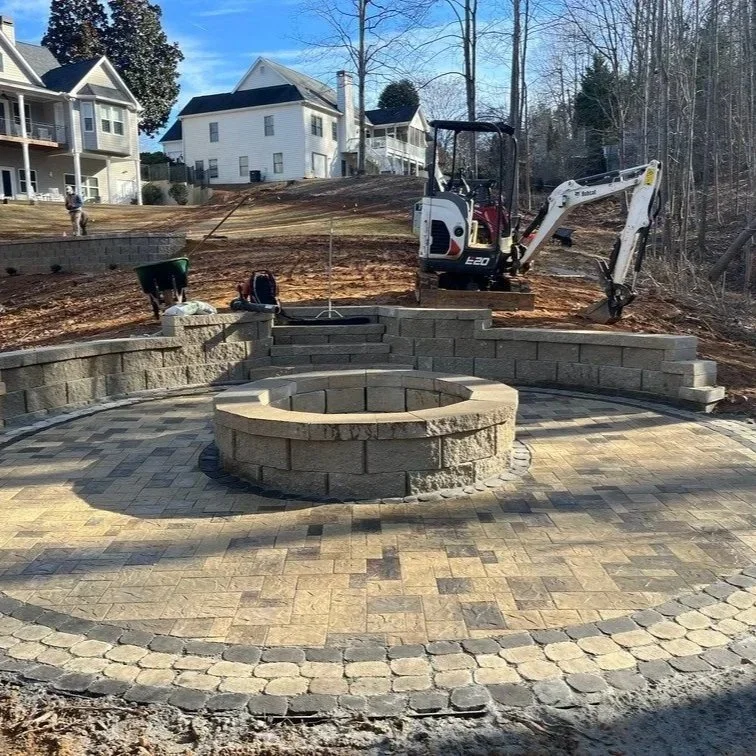
Outdoor fire pit in Georgia surrounded by greenery, showing protective cover, maintenance tools, and seasonal weather considerations.
Georgia’s climate—hot, humid, and often unpredictable—presents unique challenges for maintaining outdoor fire pits. From intense summer thunderstorms to pollen-laden springs, homeowners need a proactive, season-aware approach to protect their fire features and keep them functioning safely. Understanding how weather affects materials, fuel types, and surrounding areas is the first step toward extending the life of your fire pit and enjoying it year-round.
Understanding Georgia’s Climate and Its Impact
Georgia’s weather is defined by high humidity, frequent summer storms, heavy rainfall, strong sun, and mild winters that can still be wet. Each of these factors interacts differently with fire pit materials. Metal bowls may rust faster, stone or concrete can develop cracks, and moisture can lead to ash clumping or mold on covers and nearby seating. Even pollen in spring can settle on surfaces, creating sticky debris that accelerates wear. Ignoring these climate-specific effects can shorten your fire pit’s lifespan and reduce safety, so a tailored maintenance strategy is essential.
Seasonal changes further influence care routines. Spring brings pollen and rain that demand more frequent cleaning and protective measures. Summer thunderstorms call for vigilant water management and pest prevention. Fall is peak usage season, with leaf debris and cooler evenings requiring timely inspections. Winter, while mild, still poses moisture-related risks and benefits from winterizing steps to protect your investment.
Identifying Your Fire Pit Type and Materials
Fire pits generally fall into three categories: wood-burning, natural gas, and propane. Wood-burning pits include fire bowls, chimineas, and masonry installations, and they require regular ash removal and soot management. Gas and propane pits rely on burners, ignition systems, and gas lines, which are vulnerable to moisture, corrosion, and insect intrusion in Georgia’s humid air.
Materials vary widely: carbon steel, stainless steel, cast iron, copper, aluminum, natural or manufactured stone, concrete, and brick all respond differently to heat, humidity, UV exposure, and rain. Steel rusts quickly without protection, while stone can crack or fade. Recognizing your fire pit type and material composition helps determine the correct cleaning techniques, coatings, and storage strategies. Conducting a simple inspection for cracks, rust, and blockages—especially in burners or ports—provides a baseline for an effective maintenance plan.
Daily and Pre-Use Maintenance
A few quick checks before each use can prevent larger problems. Make sure the fire pit is dry, free of leaves, pine straw, or standing water, and that vents and burner ports are unobstructed. Gas and propane systems should be tested for smooth ignition and the absence of gas odor or leaks. Proper ventilation ensures efficient burning and minimizes smoke accumulation, which is especially noticeable in Georgia’s humid air. Always consider wind direction, nearby vegetation, and approaching storms before lighting a fire, and avoid accelerants. These small steps protect your fire pit and surrounding areas from premature wear or fire hazards.
Managing moisture is particularly critical. Water pooling in bowls or basins can damage surfaces and create smoke issues. Remove water with a sponge, hand pump, or by carefully tilting portable pits, but avoid drilling unauthorized drainage holes. Clearing debris, fallen leaves, or insects reduces fire hazards and prevents blockages in gas ports or chimineas. Maintaining loose stacking of wood and adequate airflow improves combustion and reduces soot buildup that can accelerate corrosion and staining.
Weekly and Regular Cleaning
Weekly routines keep your fire pit functional and looking good. Remove ash from wood-burning pits once it has fully cooled, storing it in metal containers with lids. For gas or propane pits, gently clean burners, burner pans, and surfaces to remove dust, pollen, and webs, using soft brushes or compressed air. Wiping down stone, concrete, and metal components with mild soap and water prevents staining and mineral deposits from rain. Address soot and discoloration early to avoid deep-set stains, and clean surrounding seating and hardscape to reduce debris accumulation and protect your outdoor space.
Rust Prevention and Metal Care
Rust is a major concern in Georgia’s humid climate, as moisture and acidic pollen accelerate corrosion. Inspect metal surfaces monthly or after rainy periods for small spots, bubbling paint, or rough patches. Treat minor rust immediately using light sanding, wire brushes, and touch-up coatings. High-heat, rust-inhibiting paints protect fire bowls, grates, and accessories, while removable parts should be stored indoors or kept dry when not in use. Recognize when damage is too extensive for repair—deep pitting, holes, or extensive flaking often warrant replacement to maintain safety.
Managing Moisture, Mold, and Mildew
Humidity and frequent rain create ideal conditions for mold and mildew growth on covers, cushions, and porous surfaces like stone or mortar. Keeping the area well-drained, using breathable covers, and allowing air circulation reduces the risk of moisture accumulation. Clean affected surfaces with mild detergents, outdoor cleaners, or diluted bleach solutions, always rinsing thoroughly and drying completely. Store cushions indoors or in ventilated boxes when not in use and rotate or air them periodically to prevent mildew. Address persistent dampness around built-in pits by improving drainage and trimming vegetation to enhance sun exposure and airflow.
Protecting Against Sun and Heat
Georgia’s strong sun can fade finishes, weaken plastics, and dry out materials. High-quality, UV-resistant covers shield your fire pit from the sun and rain while maintaining airflow to prevent condensation. Shade structures like pergolas or umbrellas can further reduce UV exposure, but fire pits should never operate directly under combustible covers. Heat expansion and contraction can cause cracks or warping, making it essential to monitor surfaces for structural changes. Regularly reapply sealants on stone and concrete and touch up painted metal surfaces to maintain protection against UV damage.
Seasonal Maintenance Tips
Spring: Conduct a post-winter deep clean, remove pollen frequently, reapply sealants and coatings, trim encroaching vegetation, and plan for summer usage.
Summer: Use covers consistently during thunderstorms, monitor for pests and mildew, and inspect materials for heat-related wear. Keep fires manageable and adhere to burn safety during dry spells.
Fall: Clean thoroughly before peak usage, remove leaves and debris regularly, adjust inspections as temperatures drop, and refresh protective coatings for winter.
Winter: Assess expected usage, winterize fire pits with deep cleaning, protective coatings, and covers. Dry all surfaces, secure gas lines for propane or natural gas systems, and perform a post-winter checkup to prepare for spring.
Fuel-Specific Care
Gas and Propane Pits: Protect lines, fittings, and ignition systems from moisture, inspect burners for blockages, check for leaks with a soapy water test, and store propane tanks upright in shaded, ventilated areas.
Wood-Burning Pits: Store seasoned wood off the ground with airflow, burn dry wood to reduce smoke, manage embers with screens, and remove ash after cooling. Respect local burn bans and maintain neighbor-friendly fire practices to reduce risk.
Landscaping, Drainage, and Surrounding Areas
Proper drainage is essential to prevent erosion, standing water, and mold. Grade areas away from the fire pit, use gravel or permeable surfaces, and consider drainage channels if needed. Maintain decks, patios, and other nearby surfaces to reduce fire and heat damage, and choose fire pit-friendly plants. Inspect soil and pathways for erosion, moss, or algae to keep access safe, clean, and enjoyable.
Tools, Products, and Supplies
Essential tools include ash shovels, metal buckets, soft brushes, microfiber cloths, sponges, and safety gear. Recommended cleaners, sealants, and coatings should be suitable for the specific fire pit materials and outdoor use. Invest in durable, UV-resistant covers, storage options for removable parts, and accessories like spark screens or fire-resistant mats. Organize a simple maintenance kit and seasonal schedule to encourage consistent upkeep.
Working with Professionals
Hire licensed gas professionals for suspected leaks or recurring ignition problems. Masons or landscapers can repair masonry, improve drainage, or redesign fire pit areas. Regular professional safety inspections help maintain structural integrity and compliance with codes. Upgrading to climate-resistant designs can improve longevity, reduce maintenance, and enhance safety in Georgia’s challenging weather.
Conclusion
Maintaining an outdoor fire pit in Georgia requires a climate-smart, proactive approach. By understanding weather impacts, tailoring care to fire pit type and materials, and following daily, weekly, and seasonal routines, homeowners can protect against rust, moisture, mold, UV damage, and debris. Simple, consistent actions—combined with occasional professional help—ensure that fire pits remain safe, functional, and beautiful year-round, becoming a reliable centerpiece for gatherings in every season.
FAQs
Daily or pre-use checks should include clearing debris and checking for moisture. Weekly or biweekly surface cleanings are recommended, with deeper seasonal cleaning during spring and fall. Heavy pollen, frequent storms, or regular use may require more frequent attention. Regular light cleaning prevents buildup and reduces long-term labor.
Keep the pit dry, use well-fitting covers, inspect for rust monthly, and treat small spots promptly. Apply high-heat, rust-inhibiting paint or protective coatings, and store removable parts indoors when possible. Avoid leaving wet ash in the bowl, as moisture accelerates corrosion.
Exposure to sun, rain, pollen, and debris increases wear, even with frequent use. Use a breathable, well-fitted cover whenever the pit is unused for more than a short period, and remove it on dry days to allow moisture to escape. Balanced use of covers extends the pit’s lifespan.
Signs include severe rust-through, major cracks or instability, repeated gas system failures, or ongoing structural problems despite regular maintenance. Safety should guide replacement decisions. Investing in a new, climate-appropriate pit is often better than constant repairs.
