
Making the Most of Your Fire Pit in Georgia’s Seasonal Weather
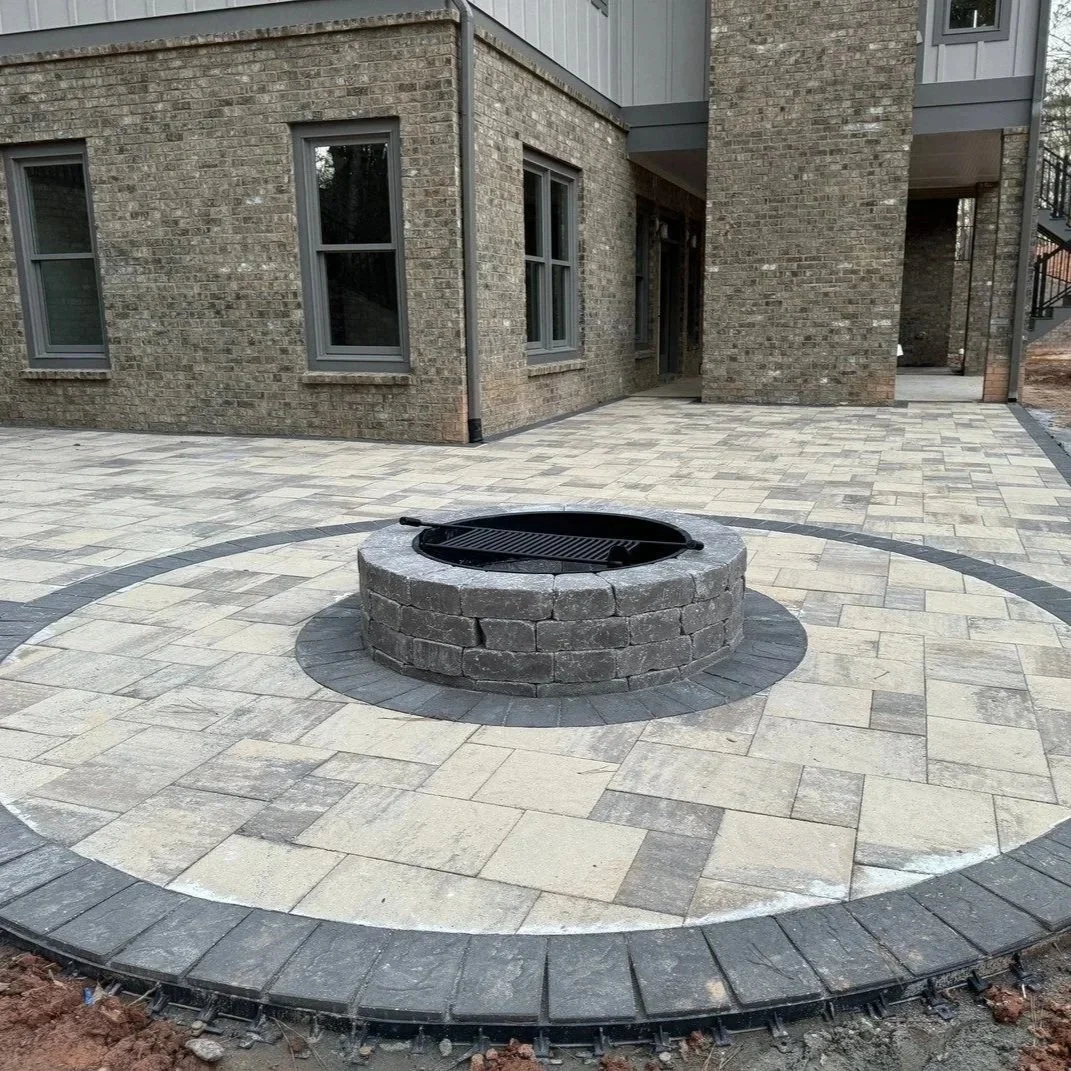
Georgia fire pit specialist highlighting seasonal weather impacts on outdoor fires, safety, and material longevity.
Georgia’s climate offers a mix of humid summers, mild winters, and transitional spring and fall seasons, making it a state where fire pits can be enjoyed almost year-round—if used thoughtfully. Understanding the nuances of Georgia’s weather, regional differences, and seasonal patterns is key to maximizing comfort, safety, and longevity of your fire pit. From humidity and thunderstorms to pollen and coastal winds, knowing how each factor affects your fire pit ensures that your backyard remains a welcoming space through every season.
Understanding Georgia’s Seasonal Climate
Georgia is defined by its humid subtropical climate. Summers are hot and sticky, winters are mild, and spring and fall offer transitional weather that can swing from warm to cool within hours. Northern Georgia, with its mountains and higher elevations, experiences cooler temperatures and more pronounced fall and winter seasons, whereas coastal areas face heat, humidity, and salty sea air, which can affect materials over time. Metro Atlanta sits somewhere in between, experiencing both urban heat and occasional sudden storms. Evening temperature drops in spring and fall make fire pit gatherings especially appealing, even during warmer months. Typical patterns include pollen-heavy springs, stormy summers, crisp fall evenings, and occasional winter cold snaps, guiding the ideal timing for fire pit use.
Humidity plays a significant role in perceived comfort. High humidity during summer can make warm evenings feel hotter, meaning a roaring fire might be uncomfortable. In cooler, drier air, however, a fire pit feels cozy and inviting. Wind chill during winter nights can make mild temperatures feel colder, highlighting the need for a heat source. Adjusting flame size, seating distance, and burn duration can help maintain comfort, while moisture affects fuel performance, including wood ignition and smoke levels. Understanding these factors helps set expectations and prepares homeowners to adapt fire pit use seasonally.
Choosing the Right Fire Pit for Georgia
Wood-Burning vs. Gas vs. Propane
Wood-burning fire pits provide the classic crackle, aroma, and strong heat, but Georgia’s humidity and rain can make fuel storage challenging. Damp wood may be difficult to ignite and create more smoke, which can irritate guests during pollen season. Gas and propane alternatives offer convenience, low smoke, and quick ignition, making them ideal for areas prone to rain or frequent thunderstorms. Rural homeowners with easy wood access may still enjoy wood pits with proper storage, while urban or coastal users might favor gas for consistency and low maintenance.
Portable vs. Built-In Features
Portable fire pits offer flexibility, allowing movement based on sun, wind, or shade. They’re ideal for temporary gatherings or adjustments during sudden summer showers. Built-in fire pits integrate with patios or outdoor living spaces for aesthetic and long-term durability, but require careful planning for drainage and wind exposure. Georgia homeowners must consider property size, budget, and long-term use when weighing mobility versus permanence.
Materials, Size, and Multi-Season Features
Materials like stainless steel, cast iron, copper, stone, and concrete withstand humidity and rain better than untreated metals. Larger fire pits provide more heat for winter use but may be overwhelming in summer, while smaller or adjustable units allow versatility. Round, square, or linear designs influence seating layouts and airflow, critical for seasonal comfort. Fire pit inserts, lids, or removable grates can transform a fire pit into a cooking station or table during warmer months, maximizing year-round functionality.
Seasonal Fire Pit Use
Spring: Pollen, Cleanup, and Evening Fires
Spring in Georgia brings mild temperatures but heavy pollen. Fire pits, cushions, and patio furniture accumulate pollen, requiring regular cleaning. Protective covers and gentle wipe-downs before gatherings help maintain a clean area.Evenings in March through May provide perfect fire pit weather—cool, calm, and inviting. Early-spring nights may be chilly, so layering blankets or clothing and checking temperature forecasts ensures comfort. Safety inspections are essential after winter dormancy: inspect for rust, cracks, and debris, and verify proper ventilation and clearances. Scattered showers mean having backup plans or covered areas for guests and a quick extinguishing plan for unexpected rain. Landscaping enhancements, like seasonal blooms or container gardens, can further elevate the springtime atmosphere around the fire pit.
Summer: Heat, Humidity, and Pest Management
Mid-summer in Georgia can make fire pit use challenging due to high temperatures and humidity. Late evenings, post-storm breezes, or higher elevation areas offer the best opportunities. Smaller flames, low-BTU decorative fire features, and shade solutions like umbrellas or pergolas enhance comfort. Summer fire pits can double as cooking stations with grill grates, skewers, or cast-iron pans. Mosquitoes and pests are prevalent, so citronella candles, fans, and strategic landscape management can help reduce annoyance. Protecting fire pit materials from UV damage and storms is essential; covers, storage, and regular inspections extend the lifespan of both portable and built-in features.
Fall: Crisp Evenings and Frequent Use
Fall is arguably the prime season for fire pit enjoyment in Georgia. Cooler evenings, lower humidity, and vibrant foliage create an inviting environment for gatherings. Wood-burning fire pits become ideal, with seasoned hardwoods like oak and hickory providing efficient heat and low smoke. Proper wood storage in raised, covered racks prevents moisture issues. Fall ambiance can be enhanced with blankets, lanterns, string lights, and seasonal decorations, while attention to dry leaves, wind, and debris ensures fire safety. Hosting game-day events or holiday get-togethers is ideal, with seating, lighting, and menu planning creating a cozy, functional space.
Winter: Mild Temperatures and Extended Use
Georgia winters are mild compared to northern states, making fire pits usable for extended periods. Cooler regions may require more heat output, while coastal areas can enjoy outdoor fires without extreme layering. Maximizing warmth involves dense hardwoods, efficient gas burners, wind-conscious seating layouts, and accessories like thermal blankets, outdoor rugs, and patio heaters. Winter maintenance includes moisture prevention, checking for freeze-related cracks, rust inspection, and drying after rain or frost. Holiday gatherings can be enhanced with hot beverages, seasonal snacks, and safe decorative touches, while fire pit use can boost mood and provide outdoor social interaction during shorter winter days.
Designing a Year-Round Fire Pit Area
Strategic placement is essential: consider sun, shade, and wind patterns across seasons. Orient seating to keep smoke away from guests and nearby structures, and use flexible seating arrangements to adapt to seasonal comfort. Layered outdoor lighting, from string lights to path fixtures, ensures safety and ambiance during both long summer evenings and early winter nights. Surface choices, including patios, gravel, or level grass, influence safety, drainage, and comfort, while shade structures like pergolas can extend usability if placed safely. Incorporating safe clearances from combustible materials and overhead structures is crucial for ongoing fire safety.
Safety Best Practices in Georgia
Regardless of season, fire pit safety is non-negotiable. Never leave a fire unattended, supervise children and pets, and maintain a clear radius free of flammable materials. Monitor wind, drought, and storm conditions, and postpone fires when risks are high. Proper fuel storage—off-ground firewood, ventilated covers, shaded propane tanks—protects performance and safety. Always have extinguishing tools, like water, sand, or fire extinguishers, close at hand, and establish emergency procedures. Clearances from structures, trees, and property lines reduce risk, while staying informed about local codes, HOA rules, burn bans, and air quality advisories ensures compliance and community responsibility.
Maintenance and Longevity
Routine cleaning after each use keeps both wood and gas pits in peak condition. Remove ashes, wipe surfaces, and inspect burners or grates. Seasonal deep cleaning should include structural inspections, burner checks, and surrounding area assessments for erosion or instability. Georgia’s humidity and rain accelerate rust and corrosion, so drying, sealing, and using breathable, durable covers are key. Off-season storage—whether in sheds, garages, or covered patios—protects accessories and portable pits. Recognizing signs of repair or replacement early prevents costly damage and ensures long-term enjoyment.
Enhancing the Experience with Accessories
Comfort accessories like outdoor-rated cushions, blankets, and rugs increase usability across seasons. Functional tools, including spark screens, pokers, and ash shovels, improve safety and efficiency. Cooking accessories, such as grill grates, skewers, and cast-iron pans, expand the fire pit’s versatility. Weather-resistant storage, deck boxes, and labeled bins keep items organized, dry, and ready. Tech add-ons, like smart lighting or Bluetooth speakers, can enhance the atmosphere but should remain weatherproof and safely positioned. These accessories, combined with thoughtful planning, make fire pit time both enjoyable and practical year-round.
Budgeting and Planning
Initial costs vary widely, from portable fire bowls to built-in gas pits requiring masonry, gas lines, and permits. DIY setups save money upfront but may not account for long-term weather challenges, while professional installations offer durability and safety. Ongoing expenses include fuel, maintenance, and accessories, which can be managed with bulk purchases, efficient burners, and careful prioritization. Planning for multi-season use from the start ensures maximum value: consider seasonal comfort, cleaning routines, drainage, and material resilience before installation. Working with landscape and hardscape professionals can enhance functionality, safety, and aesthetics while avoiding costly mistakes.
Conclusion
Georgia’s seasonal diversity—from pollen-laden springs and sweltering summers to crisp falls and mild winters—shapes how fire pits are used, maintained, and enjoyed. Understanding local climate patterns, regional differences, and weather challenges helps homeowners select the right fire pit, materials, and placement. Thoughtful planning, safety practices, routine maintenance, and adaptable accessories maximize comfort and longevity. With proper care, a fire pit becomes more than a fall novelty; it can be a year-round centerpiece for socializing, cooking, and relaxation, offering countless memorable evenings outdoors with family and friends.
FAQs
Fire pits can be comfortably used in most regions of Georgia throughout fall, winter, and spring. Summer use is more limited due to heat and humidity, but late evenings and shaded outdoor areas can still make fire pit use enjoyable. Flame size, seating distance, and your local environment all influence how long the season lasts.
Gas and propane fire pits work best in humid or rainy climates because they avoid issues with damp wood and inconsistent burning. Wood-burning pits remain an option but should be paired with proper covers, storage for dry wood, and rust-resistant materials like stainless steel or stone. A high-quality cover is essential for long-term durability.
Always use a weather-resistant cover once the fire pit has fully cooled. Portable fire pits can be moved under a sheltered area during long periods of rain. For built-in pits, proper drainage, sealing, and routine cleaning of ash, pollen, and moisture help prevent rust and extend lifespan.
Safety regulations vary by city and county. Burn bans may be issued during droughts, high winds, or poor air quality days, especially for wood-burning fire pits. Always check local advisories, maintain required clearances, supervise the fire, and keep extinguishing tools within reach to stay compliant and safe.
