
How to Prepare Your Fire Pit for the Off-Season in Gainesville
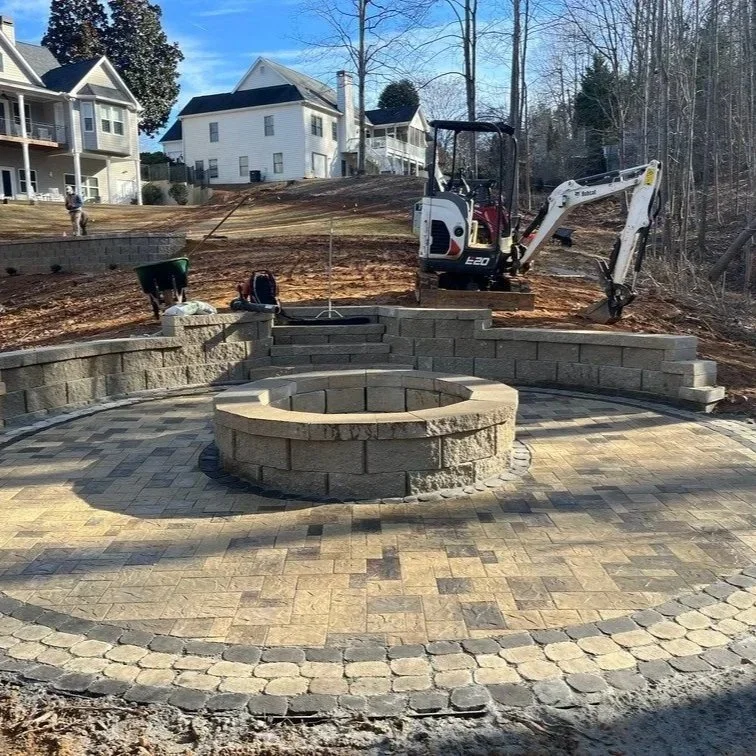
Preparing your Gainesville fire pit for the off-season safeguards it from moisture, rust, and weather damage for years of enjoyment.
Why Off-Season Fire Pit Care Matters in Gainesville
For homeowners in Gainesville, maintaining a fire pit isn’t just about aesthetics or convenience—it’s about safety and longevity. The humid subtropical climate, with its high moisture, frequent rainfall, and temperature swings, can take a serious toll on outdoor fire pits. Metal components are prone to rust and corrosion, while stone, brick, and concrete may develop cracks or flake under constant exposure to wet and hot cycles. Add pollen, falling leaves, and UV exposure, and you have a recipe for discoloration, staining, and material degradation. Thoughtful preparation before the off-season not only preserves your fire pit’s look but also prevents costly repairs and ensures it’s safe to use when cooler evenings return.
Proper off-season care offers three major benefits. First, safety: extinguished, cleaned, and covered fire pits reduce risks like accidental fires, gas leaks, or critter nests. Second, longevity: well-maintained metal and masonry resist cracking, rust, and decay. Finally, aesthetics: a clean, protected pit retains its finish, keeping your backyard inviting and ready for social gatherings. Taking a few proactive steps now saves hours of maintenance and unexpected expenses later.
Understanding Gainesville’s Climate and Timing Preparation
Gainesville’s fire pit season peaks in the cooler months and tapers off by late spring. Off-season prep is most effective if started between late March and May, before the summer rains arrive. Early signs it’s time to prep include consistently warm evenings, dwindling use, and the start of daily afternoon thunderstorms. Some homeowners may still enjoy occasional fires in the shoulder seasons. For these cases, partial prep—cleaning the pit and protecting key components—allows sporadic use while minimizing damage.
Because of the region’s heat, humidity, and storm activity, waiting too long can accelerate wear. A timely approach ensures that the pit is fully prepared for months of inactivity without compromising safety or material integrity.
Common Fire Pit Types in Gainesville Backyards
Gainesville homeowners typically choose from several fire pit types:
Wood-burning fire pits: Traditional bowls or masonry rings using logs.
Portable metal fire bowls: Steel, cast iron, or copper units that can be moved.
Propane or natural gas fire pits: Gas-powered with burners, valves, and decorative media.
Outdoor fireplace-style units: Larger built-in masonry or stone features.
Each type responds differently to rain, humidity, and UV exposure. Metal pits require rust protection, while stone and brick benefit from sealing. Gas units need careful attention to burners, lines, and valves. Knowing your pit type ensures you follow the most effective cleaning, disassembly, and storage practices.
Gathering Your Off-Season Preparation Supplies
Before starting, gather these essentials: a fire poker, a metal bucket with a lid, a stiff-bristle brush, mild detergent, a non-abrasive sponge, an ash or shop vacuum, a rust-resistant spray or sealant, a masonry cleaner, a weatherproof cover, and storage containers. Optional extras include sand or gravel for fire bowls, metal screens, heat-resistant paint, and protective gloves and eyewear. Always check manufacturer guidelines for recommended or prohibited cleaners. Sourcing products locally at Gainesville home improvement stores or online ensures materials are suitable for outdoor use and resistant to UV and humidity.
Step 1: Confirm Fuel Type and Shut Everything Down Safely
Identify your fuel: Look for a gas line, propane tank, ignition switch, or simple fire bowl for wood. Correct identification ensures proper shutdown and maintenance.
Extinguish fires safely: For wood pits, spread coals, allow them to cool completely, then use water or sand. Gainesville breezes can reignite embers, so a full cool-down—often overnight—is essential. Wear gloves and keep pets and children away.
Turn off gas or propane: Close tank valves and control knobs. Inspect hoses, fittings, and burners for wear or corrosion. Conduct a simple leak check using soap and water, but call a licensed professional for significant concerns.
Document your setup: Photos and notes of the pit’s current condition, hoses, decorative media, and any damage simplify reassembly next season and help track wear over time.
Step 2: Remove Ash, Debris, and Leftover Fuel
Why removal matters: Ash and debris absorb moisture, accelerating rust and staining masonry. Organic debris invites mold, insects, and rodents.
Ash removal: Once fully cooled, scoop ash into a metal bucket with a tight lid. Lightly mist to reduce dust, or use an ash vacuum. Wear gloves and a dust mask.
Disposal: Bag ash for trash or use small amounts in gardens if untreated. Follow Gainesville and Alachua County rules and keep ash away from drains.
Gas pit materials: Remove lava rocks, fire glass, or ceramic logs, clean, and inspect for cracks. Label ceramic logs for proper burner placement next season.
Leftover fuel: Remove partially burned logs or charcoal. Even dormant embers can cause problems if left in the pit.
Step 3: Deep Clean the Fire Pit Interior and Exterior
Use cleaners appropriate to your fire pit material: mild soap and water for metal and pre-finished surfaces, masonry cleaners for stone or brick. Always test on a small area first. Scrub bowls, liners, and surrounds with stiff brushes to remove soot, creosote, and dirt. Clean grates, screens, and spark guards separately, checking for warping or corrosion.
Tackle stubborn rust or soot gently: wire brushes, sandpaper, or specialty cleaners may be necessary. After cleaning, rinse thoroughly and allow the pit to dry completely. Gainesville’s humidity makes this step critical—covering a damp pit can trap moisture, accelerating damage.
Step 4: Inspect for Damage, Wear, and Safety Issues
Check for cracks, warping, or thinning metal. Examine bricks, pavers, and mortar for damage. Inspect metal components for rust, especially at welds and joints, and assess burners, valves, and igniters on gas units. Take notes on minor cosmetic issues, necessary repairs, or replacement parts. Off-season is the ideal time to plan upgrades or enhancements, such as improved covers, seating, or fuel conversions, without interfering with active use.
Step 5: Protect Metal Surfaces Against Rust
Gainesville’s humidity accelerates rust on steel and iron fire pits. Prepping metal involves removing loose rust, sanding rough spots, and cleaning the surface. Apply high-heat paints, rust inhibitors, or sealants in thin, even coats. Stainless steel and copper need regular cleaning and occasional polishing, while cast iron may benefit from a light seasoning layer if recommended by the manufacturer. Spot-check coverage before storing to ensure long-term protection.
Step 6: Seal and Protect Stone, Brick, and Concrete
Masonry absorbs water, which expands and contracts under Florida’s climate, causing cracks and flaking. Test surfaces with a small water sprinkle: if absorbed quickly, resealing is necessary. Choose high-heat, outdoor-rated sealers—penetrating or film-forming—and apply thin, even coats under dry, mild weather. Proper sealing maintains structural integrity and appearance, and periodic light cleaning preserves the fire pit’s natural or enhanced finish for years.
Step 7: Protect Burners, Valves, and Gas Components
Clean burner ports, remove webs or debris, and ensure all openings are clear. Shield valves, igniters, and control panels from moisture with manufacturer-approved covers or enclosures. Disconnect portable propane tanks safely: turn off valves, relieve pressure, and store upright outdoors in a ventilated area. Schedule professional inspections for built-in systems to verify gas safety, check for leaks, and perform maintenance. Keep a maintenance log for warranties, safety, and troubleshooting purposes.
Step 8: Choose and Use the Right Fire Pit Cover
A durable, well-fitted cover is essential in Gainesville. Look for heavy-duty, UV-resistant, breathable fabrics with reinforced seams, air vents, and adjustable straps. Install over a completely dry pit, secure tightly, and check periodically after storms. Avoid moisture traps by lifting or venting occasionally, and maintain the cover by cleaning dirt, pollen, and mildew as needed. Investing in quality covering pays off with a longer lifespan and reduced maintenance.
Step 9: Decide Whether to Store or Leave the Fire Pit Outdoors
Portable pits can be stored in dry, ventilated sheds or carports. Always remove fuel and ash before indoor storage, and protect floors with a tarp if needed. Built-in pits must stay outdoors, so focus on optimal placement—avoiding water pooling, overhanging branches, and debris accumulation. Elevate portable pits slightly to improve drainage, and limit off-season use to preserve the prep work.
Step 10: Keep Pests, Mold, and Debris at Bay
Gainesville’s fire pits attract insects, rodents, and sometimes reptiles. Prevent nesting by keeping the pit clean and covered. Avoid mold and mildew by ensuring surfaces are dry and using breathable covers. Clear leaves, pine needles, and debris regularly. Screens or inserts can block entry points while allowing airflow. Monthly mid-season checkups prevent small issues from becoming larger problems and keep your fire pit ready for use.
Step 11: Plan Ahead for Next Season’s Upgrades and Maintenance
Use the off-season to create a maintenance calendar aligned with Gainesville’s climate. Budget for repairs, replacements, or enhancements like seating walls or decorative elements. Reflect on fuel type or design changes and consult licensed contractors for major upgrades. Keep manuals, receipts, warranties, and service records organized. Strategic planning ensures a smooth transition into next season, reducing surprises and maximizing enjoyment.
Step 12: Off-Season Safety Reminders for Gainesville Homeowners
Check local codes, HOA rules, and fuel restrictions. Keep matches, lighters, and fuel out of reach of children. Post simple safety guidelines near outdoor areas, and supervise children and pets around covered fire pits. Prepare for storms by securing or relocating portable units and clearing debris. Incorporate fire pits into emergency planning, including gas shutoffs and accessible extinguishers. Thoughtful preparation protects your household while maintaining outdoor living enjoyment.
Conclusion: Keeping Your Gainesville Fire Pit Ready for the Next Cool Season
Off-season preparation tailored to Gainesville’s humid, storm-prone environment protects your fire pit from rust, cracking, pests, and general wear. Shutting down fuel safely, removing debris, deep cleaning, inspecting for damage, and applying protective coatings all work together to extend lifespan and maintain safety. A quality cover, smart storage, pest prevention, and mid-season checkups ensure a pit that’s ready to enjoy as soon as cool weather returns. A well-maintained fire pit is safer, cleaner, and more inviting—making your off-season effort more than worthwhile.
FAQs
Late March through May is ideal for preparing your fire pit for off-season storage. Completing maintenance before heavy summer rains and humidity helps prevent rust, moisture damage, and premature wear.
Yes. Even durable materials like stone or brick benefit from a protective cover. A cover prevents moisture intrusion, reduces staining, keeps debris out, and helps maintain the fire pit’s long-term integrity and appearance.
Yes — as long as it's properly cleaned, fully dried, inspected, and securely covered. Elevating it slightly off the ground also helps prevent standing water and reduces the risk of rust and corrosion.
Gas fire pits require attention to burners, valves, ignition components, and safe storage of propane tanks. Wood-burning fire pits need ash removal, moisture prevention, and rust control for metal components.
