
How to Select the Best Material for Your Gainesville Retaining Wall
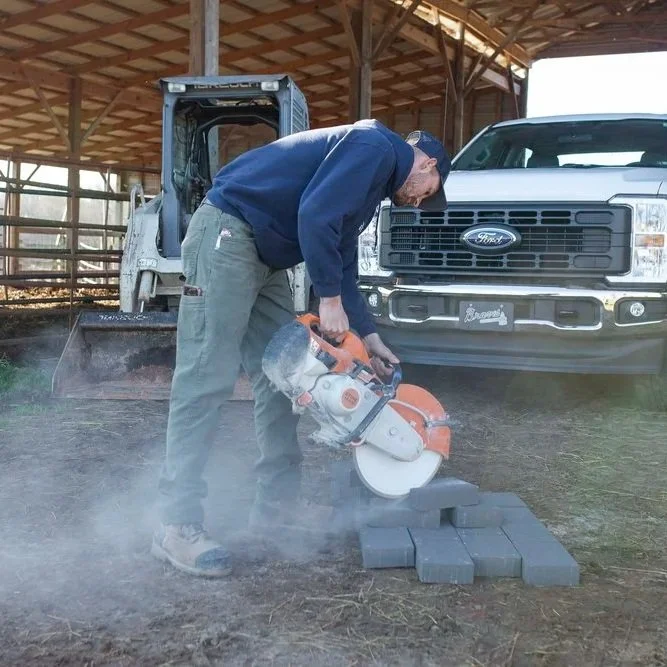
Choosing moisture-resistant materials for Gainesville retaining walls ensures long-term stability against North Central Florida’s intense heat and seasonal downpours.
Selecting the right retaining wall material in Gainesville is less about following national trends and more about responding to local realities. North Central Florida’s humid subtropical climate, frequent heavy rain, and varied soil conditions place real demands on retaining walls. A wall that performs well in a drier or colder region may struggle here if it is not designed with moisture, soil movement, and long-term durability in mind. The goal is not simply to build a wall that looks good on day one, but one that remains stable, functional, and attractive through years of storms, heat, and seasonal changes.
Gainesville experiences hot, rainy summers, mild winters, and intense downpours that can quickly saturate soil. High humidity encourages algae and mildew growth, while repeated wet-dry cycles stress materials over time. Even though hard freezes are rare, occasional cold snaps combined with moisture can still contribute to surface cracking or joint deterioration. Any retaining wall material chosen for this area must tolerate prolonged dampness, UV exposure, and ongoing pressure from wet soil. This is why material selection here often looks different from what generic “best material” lists suggest.
Climate and Soil Considerations in Gainesville
Soil conditions are just as important as climate. Gainesville properties commonly sit on sandy soils mixed with pockets of clay. Sandy soils drain quickly but can erode and shift if not reinforced. Clay soils retain moisture, expand when wet, and exert greater lateral pressure on retaining walls. Both conditions influence which materials perform best and the amount of reinforcement and drainage required. This is why understanding your soil, whether through professional testing or at least a basic assessment, is critical. Even the strongest wall material can fail if it is mismatched to the soil beneath and behind it.
Topography also plays a significant role. Many Gainesville yards have gentle slopes, while others involve steeper elevation changes, sloped driveways, or raised patios. The steeper the slope and the taller the wall, the more critical structural strength becomes. A low garden wall allows more flexibility in materials, while a wall holding back a hillside or supporting a driveway requires systems that can handle significant earth pressure. In these cases, materials with proven structural performance and the ability to incorporate reinforcement become far more appropriate.
Codes, Permits, and Future Planning
Local codes and permitting requirements further shape material choice. Gainesville and Alachua County regulate retaining walls above certain heights or those supporting structures, driveways, or roadways. Some designs require engineering approval and inspections. Choosing materials that are well understood by inspectors, such as poured concrete, reinforced block, or engineered segmental systems, can simplify compliance. Ignoring these requirements can lead to delays, fines, or even forced removal of non-compliant walls, which quickly erases any upfront savings.
It is also smart to think beyond current needs. Homeowners often underestimate how future plans affect today’s retaining wall decisions. A wall that only holds back a small slope now may later support a patio, pool, or driveway expansion. Choosing materials that can be extended, reinforced, or modified, such as modular block systems or reinforced concrete, can prevent costly demolition later. More rigid or purely decorative systems may look great initially, but offer little flexibility as the property evolves.
Function, Drainage, and Longevity
Before settling on a material, clarify the wall’s primary function. Decorative walls and small garden borders place minimal structural demands on materials, while walls supporting soil near buildings, vehicles, or walkways must resist substantial lateral pressure. Height is a major factor. Many materials work well at low heights but require engineering or reinforcement as walls get taller. Misjudging these structural needs is one of the most common reasons retaining walls fail prematurely.
Drainage is equally critical in Gainesville. Heavy rain can quickly create hydrostatic pressure behind a wall if water has nowhere to go. Gravel backfill, perforated drain pipes, weep holes, and proper grading are not optional details here. Some materials, such as segmental retaining wall blocks and dry-stacked stone, naturally allow water to move through controlled paths. Solid walls, such as poured concrete or mortared masonry, rely entirely on intentional drainage systems. In Gainesville’s climate, drainage design often matters more than the facing material itself.
Durability and maintenance should also be considered in the decision. Concrete, stone, and well-installed modular block walls often last decades with relatively modest upkeep. Timber walls, while attractive and affordable upfront, generally have a shorter lifespan in humid environments and require more frequent inspection and replacement. Some materials allow easy spot repairs, such as replacing individual blocks, while others require more invasive fixes if problems develop. Looking at the cost over 10 to 20 years rather than just the initial expense leads to better decisions.
Aesthetics still matter. Retaining walls are prominent landscape features that influence curb appeal and property value. Brick creates a traditional look, stone feels timeless and natural, smooth concrete suits modern designs, and timber blends into rustic settings. Segmental blocks offer a wide range of colors and textures that fit many styles. It is worth considering how the wall will look from the street, from patios, and even from inside the home, and how plantings and lighting can soften or highlight the structure.
Comparing Common Retaining Wall Materials
Among common materials, poured concrete stands out for its strength and reliability. It excels for tall walls, tight spaces, and areas supporting heavy loads. When properly reinforced and drained, it performs extremely well in Gainesville’s climate. The trade-offs are higher cost, installation complexity, and more difficult repairs if cracking occurs. It is best viewed as a long-term, professional-grade solution rather than a casual project.
Concrete masonry unit walls, often called CMU or block walls, provide a middle ground between poured concrete and lighter systems. Reinforced CMU walls can withstand moderate to significant loads and accept a variety of finishes, including stucco, paint, and stone veneer. Moisture control is critical, as block cores and mortar joints can allow water intrusion if not detailed properly. With good drainage and waterproofing, CMU walls perform well locally.
Segmental retaining wall block systems are among the most popular choices for Gainesville homes. These modular, interlocking blocks are designed specifically for retaining applications and integrate well with drainage and geogrid reinforcement. They tolerate minor soil movement without cracking and offer excellent design flexibility for terraces, curves, and steps. For walls beyond modest heights, professional design and reinforcement are essential, but when installed correctly, these systems provide strong performance and good long-term value.
Natural stone and boulder walls appeal to homeowners seeking a rustic or high-end look. Stone is highly durable and largely unaffected by moisture, making it well-suited to Florida conditions. Dry-stacked stone offers excellent drainage, while mortared stone creates a more formal appearance but demands careful water management. Stone walls require skilled labor and higher budgets, but their longevity and visual impact can justify the investment, especially in prominent areas.
Timber retaining walls remain an option for small, low-risk applications. Pressure-treated wood offers a warm, natural appearance and lower upfront cost, but Gainesville’s humidity accelerates decay even in treated lumber. These walls are best reserved for low garden borders, raised beds, or temporary solutions. Regular inspection is essential, and homeowners should plan for eventual replacement rather than expecting decades of service.
Decorative masonry, such as brick or stone veneer over structural walls, combines aesthetics with strength. Brick is especially appealing for homes with matching facades, but it must be paired with proper drainage and waterproofing to prevent moisture issues. These walls are typically higher-cost projects due to the materials and craftsmanship required, but they can significantly enhance curb appeal when done correctly.
Alternative systems such as gabions, steel walls, and engineered panel systems are less common in residential Gainesville settings but can solve specific problems. Gabions handle drainage exceptionally well and suit erosion-prone or naturalized areas, while steel and precast systems work for modern designs or extreme site constraints. These options generally require professional design and careful consideration of neighborhood fit and long-term corrosion resistance.
Ultimately, Gainesville’s heavy rainfall, humidity, and soil variability mean that drainage, base preparation, and reinforcement often matter as much as the visible wall material. Walls that ignore these factors tend to fail early, regardless of how attractive they look at installation. A well-chosen material paired with proper engineering and construction protects both the landscape and the home itself.
Conclusion
Selecting the best retaining wall material for a Gainesville property is about balancing structural needs, climate challenges, soil conditions, aesthetics, and budget. There is no universal solution. Poured concrete, reinforced block, segmental systems, stone, timber, brick, and alternative systems all have situations where they perform well and others where they fall short. Homeowners who define the wall’s purpose, understand their site, plan for long-term performance, and involve experienced local professionals are far more likely to end up with a retaining wall that performs reliably and enhances their property for years to come.
FAQs
Poured concrete, engineered segmental block systems, and well-built stone walls generally offer the best durability when properly designed with effective drainage.
Height limits vary by location and conditions, but many walls over three to four feet, or those supporting loads, require permits and often engineering approval.
They are not ideal for long-term or structural applications due to rot and insect risks, but they can work for low, non-critical walls if properly drained and maintained.
Drainage is critical. In Gainesville’s heavy rain and clay-influenced soils, poor drainage is a leading cause of wall failure regardless of material choice.
