
How to Maintain Stone and Brick Retaining Walls in Gainesville
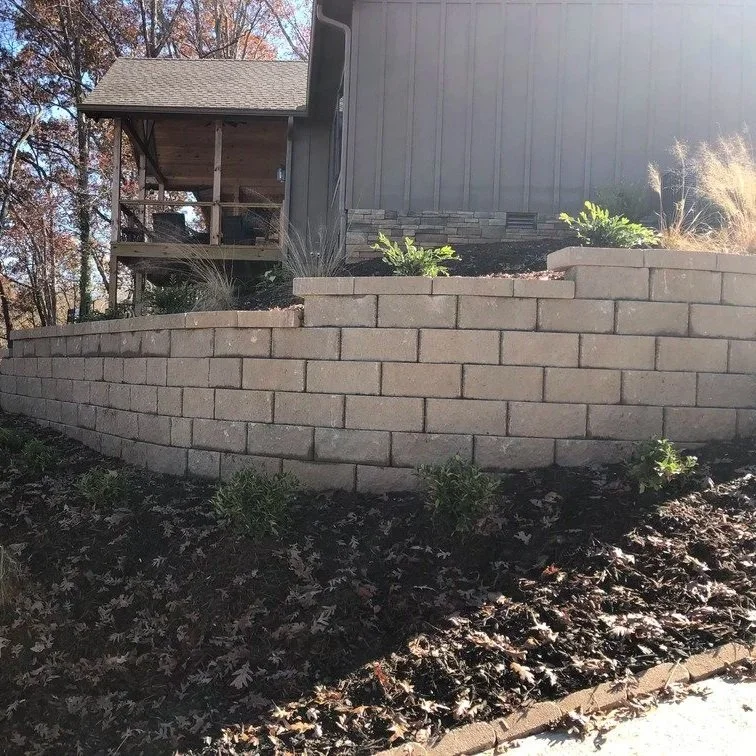
Stone retaining wall in a humid Florida landscape showing well-maintained masonry joints and integrated drainage features for heavy rainfall.
Stone and brick retaining walls can last for decades in Gainesville, but only if they are maintained with the local climate in mind. North Central Florida’s humid subtropical weather creates a very different environment from dry or cold regions. High humidity, frequent afternoon thunderstorms, long hot summers, and periodic heavy rain events all place ongoing stress on masonry walls. Moisture moves through soil and masonry more often here, temperature changes drive subtle expansion and contraction, and intense sun accelerates surface wear. Understanding these conditions is the first step toward maintaining a retaining wall that stays strong and attractive.
Gainesville’s frequent wet–dry cycles gradually affect both the wall and the soil behind it. During heavy rain, soils become saturated and push harder against the structure. As things dry out, fine soil particles can shift or wash away, leaving voids that weaken support. Over time, this cycle contributes to mortar erosion, surface staining, and slow movement. The maintenance practices outlined below are designed to address these regional challenges before they become costly structural problems.
Common Climate-Related Issues in Gainesville
Stone and brick walls tend to exhibit similar climate-related issues, though they don’t respond the same way. Homeowners commonly notice white powdery efflorescence, algae or mildew growth on shaded surfaces, flaking or spalling masonry, and deteriorating mortar joints. Constant moisture can soften mortar, while shaded areas stay damp longer, encouraging biological growth. Heavy rain can also wash soil out from behind the wall, creating settlement or uneven pressure, and storms often clog drain outlets with leaves and debris. Catching these issues early makes them much easier to manage.
Proactive maintenance matters more in Gainesville than in many other regions. Small cracks, missing mortar, or minor leaning can worsen quickly in a moisture-heavy environment. Planned inspections and routine care help protect not just the wall, but also nearby landscaping, patios, and foundations. Clearing a drain outlet or repointing a small section of mortar is far less expensive than rebuilding a failed wall. The goal is prevention, not reaction.
Stone and brick also respond differently to local conditions. Natural stone itself is usually dense and less absorbent, but it relies heavily on sound mortar joints and drainage to perform well. Brick, especially more porous varieties, tends to absorb more water and may show more staining or efflorescence if neglected. Brick walls often need closer attention to sealing and mortar condition, while irregular stone walls may require more frequent checks for joint gaps or vegetation growth between stones. Both materials can perform very well here, as long as their specific needs are addressed.
Before starting any maintenance, safety comes first. Avoid climbing on walls that show signs of movement or instability, and never attempt structural changes on tall or load-bearing walls without professional guidance. In Gainesville and Alachua County, some repairs or modifications may also be subject to local codes, drainage rules, or HOA guidelines, especially near property lines. The focus here is on routine care, minor repairs, and early detection, not major reconstruction.
How to Inspect Your Retaining Wall
A professional-style inspection starts with a slow, systematic visual check. Walk the length of the wall and look closely at the surface for cracks, gaps in mortar, flaking brick or stone, discoloration, bulging, or leaning. Take photos or notes to compare conditions over time. Hairline mortar cracks are often cosmetic, but wide cracks, stair-step patterns, or cracks running through multiple units can signal movement. Staining and algae growth also reveal where moisture is lingering, which often points to drainage or shading issues.
Next, check alignment. Use a long level, a plumb line, or a straight board to check whether the wall face is leaning or bulging. Look along the top for unevenness or shifted caps, which can indicate settlement or pressure from behind. A slight lean that has been stable for years may need monitoring, but new or worsening movement warrants professional evaluation.
Mortar joints and caps deserve close attention. Look for crumbling, missing, or recessed mortar, and gently probe suspect areas to check for softness. Solid mortar is critical in Gainesville’s climate because it limits water intrusion. Loose or cracked coping stones along the top allow water to enter directly, accelerating deterioration. These are often among the easiest and most cost-effective issues to fix early.
The area around the wall matters just as much as the wall itself. Check the soil above and below for erosion, bare spots, or pooling water. Note nearby structures, fences, decks, downspouts, and irrigation systems that may redirect water toward the wall. Large trees and shrubs can also affect stability and drainage through their roots. A retaining wall should always be evaluated as part of the larger landscape and drainage system.
Keeping simple records helps prioritize maintenance. Separate cosmetic concerns from routine upkeep, early warning signs, and urgent structural issues. Regular documentation makes it easier to track changes, plan repairs, and communicate clearly with contractors if needed.
Cleaning and Surface Care
Cleaning is a key part of maintenance in Gainesville, where high humidity encourages the growth of algae and mildew. Most stone and brick walls benefit from cleaning once or twice a year, with extra attention after major storms. Regular, light cleaning is far better than aggressive, infrequent scrubbing, which can damage masonry.
For most residential walls, manual cleaning works well. Pre-wet the surface, apply a mild detergent or masonry-safe cleaner, scrub gently with a soft- or medium-bristle brush, and rinse thoroughly from top to bottom. Avoid metal wire brushes on finished faces. Efflorescence can usually be brushed off when dry, while mildew and algae respond to diluted bleach solutions or masonry-approved biocides. Always test cleaners in a small, hidden area first.
Pressure washing should be used cautiously. Too much pressure or the wrong angle can erode mortar and drive water deep into joints. If pressure washing is necessary, use low pressure, a wide fan tip, and keep a safe distance. Older or already weakened walls are often better cleaned by hand or by a professional familiar with masonry.
Drainage and Vegetation Management
Drainage management is central to wall health. Hydrostatic pressure from water-saturated soil is a leading cause of retaining wall failure in Gainesville. Inspect weep holes and drain outlets regularly and clear debris so water can escape freely. Observe how water behaves during heavy rain. Surface grading above and below the wall should direct runoff away from the structure, not toward it.
Downspouts, irrigation lines, and leaking hoses are common hidden contributors to wall problems. Redirect roof runoff, adjust sprinklers, and fix leaks so the soil behind the wall isn’t constantly wet. When drainage problems persist despite basic maintenance, it’s time to call a professional who understands local soils and rainfall patterns.
Vegetation management is another long-term concern. Shallow groundcovers can help control erosion, but large shrubs and trees near the wall can cause serious problems as roots grow and shift soil. Regular pruning, weeding, and careful plant selection go a long way. Avoid aggressive root systems near the wall face or footing, and be cautious when removing established plants to avoid destabilizing the soil.
Mortar, Repairs, and Sealing
Mortar maintenance is especially important for brick and stone walls. Cracked or crumbling joints allow water in, accelerating damage. Small areas can often be repointed by hand: remove loose mortar, clean the joint, dampen it, and pack in new, compatible mortar. Matching the original mortar’s strength is more important than matching color. Mortar that is too hard can damage bricks or stone over time.
Repairs should be timed carefully. Gainesville’s sudden rainstorms can wash out fresh mortar, while extreme heat can cause it to dry too quickly. Work during mild weather when possible, protect new joints from rain, and allow proper curing.
Minor cracks and chips can be filled with masonry patching compounds to prevent water entry, but spreading cracks, bulging, or displaced masonry usually point to deeper issues. Loose or cracked coping stones should be reset promptly, as they play a significant role in shedding water away from the wall.
Sealing masonry surfaces can help in some cases, especially for porous brick or older stone exposed to heavy runoff. Breathable, penetrating sealers are usually best in Gainesville, as they reduce water absorption without trapping moisture. Sealing should only be done after cleaning and repairs, and products should always be tested first. Sealers wear over time and need periodic reapplication.
Seasonal Maintenance Planning
Seasonal maintenance keeps everything manageable. Spring is ideal for inspection and repairs before summer rains. Summer calls for monitoring drainage, erosion, and rapid plant growth. Fall is a good time for cleaning, pruning, and reassessing grading. After major storms, quick checks for movement, clogged drains, or debris damage can prevent further problems.
Conclusion
Stone and brick retaining walls can perform exceptionally well in Gainesville when maintained with local conditions in mind. Regular inspections, gentle cleaning, sound drainage, vegetation control, and timely mortar repairs all work together to reduce stress on the wall and prevent small issues from escalating. Homeowners who combine routine DIY care with professional help when needed protect both their property and their investment. With a simple seasonal plan and attention to how water, soil, and materials interact, retaining walls can remain strong, functional, and attractive for many years in Gainesville’s challenging climate.
FAQs
Most walls benefit from inspection and cleaning once or twice a year, with extra checks after major storms. Shaded or damp areas may need more frequent attention.
Sealing can be helpful for porous or heavily exposed masonry, but it isn’t always required. Breathable sealers are preferred, and the wall’s condition should be evaluated before applying any product.
Significant leaning, bulging, long or widening cracks, recurring drainage issues, or large areas of loose masonry indicate problems beyond routine maintenance.
Yes. Roots can shift soil, block drainage, and penetrate mortar joints over time. Large plants should be kept at a safe distance, and existing trees near walls may need professional assessment.
