
How to Maintain Your Retaining Wall for Longevity in Gainesville, GA
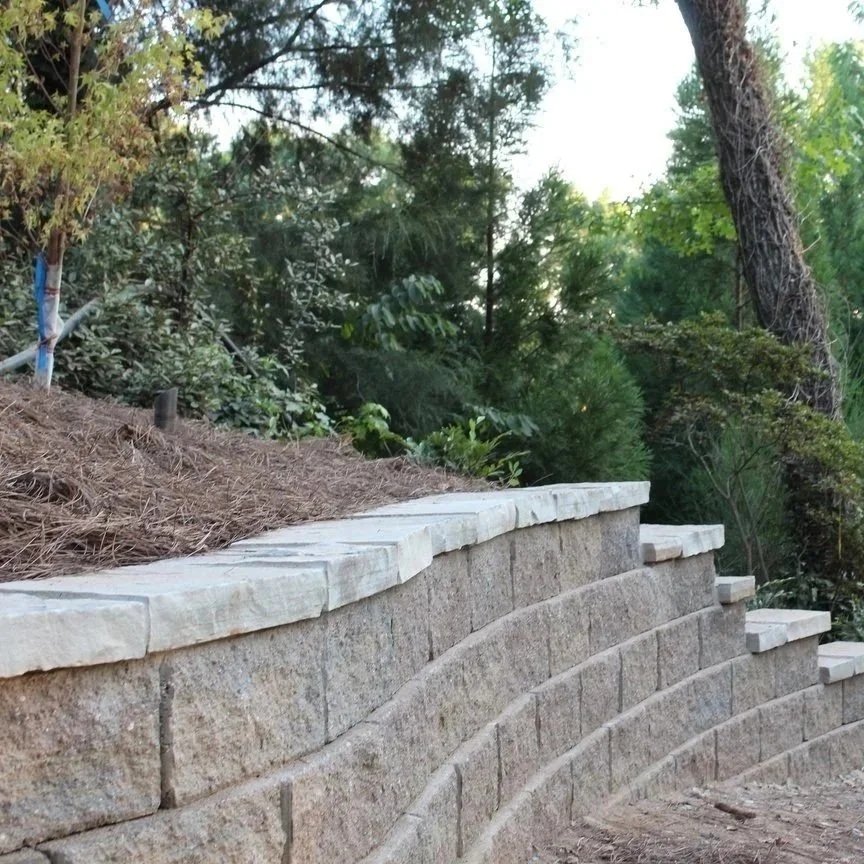
Regular inspections and clear drainage outlets ensure your Gainesville retaining wall stands strong against Georgia’s heavy red clay and rain.
Retaining walls are a critical feature for many properties in Gainesville, Georgia, where rolling terrain, red clay soils, and heavy rainfall make grade control essential. While retaining walls are built to last, they are not maintenance-free. Long-term performance depends on routine inspections, drainage management, vegetation control, and timely repairs. With consistent care, homeowners can significantly extend the lifespan of their retaining walls and avoid costly failures.
Understanding Retaining Walls in Gainesville, GA
Types of Retaining Walls Common in Gainesville
Homes and properties in Gainesville use several types of retaining walls, each with different maintenance needs. Poured concrete walls are strong and common in commercial and structural applications, but can crack if water pressure is not controlled. Concrete block and CMU walls rely on mortar and reinforcement, while segmental block systems use interlocking units and gravity to resist soil pressure. Timber walls, often found on older properties, are vulnerable to moisture and decay. Natural stone and boulder walls are popular on larger or sloped lots for their appearance, but they depend heavily on proper base preparation and drainage.
In North Georgia neighborhoods, HOA guidelines often favor concrete or segmental block systems for uniform appearance, while stone and boulder walls are more common on custom homes and lakefront properties. Because red clay soils hold moisture and exert strong lateral pressure, the wall type directly affects how maintenance should be handled. Identifying your wall material is the first step before performing any upkeep.
How Gainesville’s Climate Affects Retaining Walls
Gainesville’s humid subtropical climate features hot summers, frequent thunderstorms, and prolonged periods of rainfall. These conditions increase hydrostatic pressure behind retaining walls, especially in clay-heavy soils. Occasional freeze-thaw cycles during winter can widen cracks and accelerate surface damage when moisture is present.
Localized issues such as roof runoff, driveway drainage, and sloped yards can concentrate water behind walls. Understanding these stressors helps homeowners prioritize inspections, drainage checks, and erosion-control measures, which are especially important in this region.
Key Functions and Limits of a Retaining Wall
Retaining walls are engineered systems designed to hold back soil and manage elevation changes safely. They are built to support specific loads, and exceeding those limits by adding soil, structures, or vehicles can cause movement or collapse. Maintenance helps preserve the wall’s original design but cannot correct poor engineering or overloading.
A common misconception is treating retaining walls as decorative features that can support patios, fences, or parking areas without verification. Respecting design limits and recognizing early signs of distress are essential for long-term safety and performance.
Why Preventive Maintenance Matters for Longevity
Routine maintenance prevents small issues from turning into major structural failures. Clearing weep holes, managing vegetation, and addressing minor cracks early can save homeowners from expensive repairs or replacement. In Gainesville, where intense storms can exploit weaknesses quickly, neglected walls pose both safety and financial risks.
Preventive care is far less costly than rebuilding collapsed sections or repairing damage to nearby driveways and walkways. Consistent attention is one of the most effective ways to protect your investment.
Inspecting Your Retaining Wall Properly
Setting Up a Regular Inspection Schedule
Retaining walls in Gainesville should be inspected at least twice a year, ideally in early spring and late fall, and after major storm events. Inspections do not need to be lengthy. Consistent, short walk-throughs with photos help track gradual changes such as leaning or recurring water buildup.
Good lighting and inspections shortly after rainfall make it easier to identify drainage problems. Homeowners should inspect the wall face, the top of the wall, and the surrounding soil whenever it is safe to do so.
What to Look for in the Wall Face
Cracks, spalling, efflorescence, bulging, displaced blocks, and separating joints are common warning signs. Hairline cracks may be cosmetic, but wider or growing cracks often indicate stress. Sighting along the wall helps identify bowing or misalignment.
Pay close attention to areas near stairs, fences, or transitions where movement often becomes visible first. Documenting changes over time is key to determining whether issues are stable or worsening.
Checking the Top and Backfill Area
Loose caps, misaligned coping, or soil washing out from behind the wall allow excess water into the system. The backfill should not exceed the original design height, and heavy loads should be kept away from the edge.
Depressions or soft spots behind the wall may signal settling or voids. Minor probing can help identify issues, but significant subsidence requires professional evaluation.
Assessing Drainage and Weep Holes
Weep holes and drain outlets must remain clear to relieve water pressure. Blockages from soil, mulch, or roots are a leading cause of wall failure. Persistent damp areas, staining, or algae growth often indicate chronic moisture problems.
Walking the site during or after rainfall provides valuable insight into how water flows and where it collects. Drainage issues should always be taken seriously.
When to Call a Professional
Significant leaning, bulging, large cracks, rapid soil movement, or distress in walls over four feet tall should prompt a call to a professional. Local experts familiar with Gainesville soils and rainfall can provide accurate assessments and repair recommendations.
Cleaning Your Retaining Wall Safely
Removing Dirt, Mildew, and Algae
Humidity in Gainesville promotes the growth of algae and mildew, which trap moisture against wall surfaces. Gentle cleaning with a stiff brush and mild, material-appropriate cleaners helps preserve appearance and reduce moisture retention.
Always test cleaners in a small area first and rinse thoroughly. Environmentally friendly products are especially important near gardens and drainage areas.
Using a Pressure Washer the Right Way
Pressure washing can be effective, but it must be done carefully. Excessive pressure can damage mortar, pit concrete, or dislodge stones. Lower pressure, wide fan tips, and maintaining distance from the surface reduce risk.
Walls with structural issues should never be pressure washed. When in doubt, consult a professional about appropriate cleaning methods.
Cleaning Efflorescence and Stains
Efflorescence appears as white powdery residue caused by water moving through masonry. While usually cosmetic, it indicates the presence of moisture. Dry brushing often removes it, with specialized cleaners used sparingly if needed.
Rust stains, irrigation marks, and organic stains should be treated with material-specific products. Never mix chemicals, and always protect the surrounding landscaping.
Managing Water and Drainage
Understanding Hydrostatic Pressure
Hydrostatic pressure builds when water accumulates behind a wall, exerting outward force. Clay soils common in Gainesville intensify this pressure after prolonged rain. Managing water is often more critical than reinforcing the visible wall face.
Directing Water Away from the Wall
Downspouts should extend away from retaining walls, and soil should slope gently away from the structure. Sprinkler heads should not spray directly behind walls, and landscape beds should not trap water.
When Drainage Upgrades Are Needed
Persistent dampness, efflorescence, or erosion near the wall may indicate the need for drainage improvements such as French drains. These upgrades often require excavation and should be handled by professionals.
Vegetation and Soil Management
Controlling Weeds and Roots
Weeds and vines can grow into joints and retain moisture. Regular trimming and removal keep the wall visible and reduce deterioration. Large tree roots near walls can displace soil and should be carefully managed.
Managing Mulch and Soil Buildup
Mulch piled against walls traps moisture and blocks drainage. Maintain mulch levels below weep holes and periodically redistribute material, especially on sloped properties.
Handling Cracks, Leaning, and Structural Issues
Small surface cracks may be sealed or monitored, but leaning or bulging walls require professional attention. Settlement, erosion, or repeated cracking often signal deeper problems that DIY repairs cannot solve safely.
Minor Repairs Homeowners Can Handle
Localized repointing of mortar, replacing individual damaged blocks, sealing small stable cracks, and replenishing joint sand are manageable for many homeowners. Any discovery of voids, movement, or widespread damage is a signal to stop and call a professional.
Seasonal Maintenance in Gainesville
Spring inspections address winter damage and prepare for heavy rains. Summer requires monitoring after storms and managing irrigation. Fall focuses on clearing debris and preparing for moisture and freezes. Winter monitoring helps catch freeze-thaw damage early.
Conclusion: Protecting Your Investment in Gainesville, GA
Maintaining a retaining wall in Gainesville, GA requires consistent attention to inspections, drainage, vegetation, and minor repairs. Local soil conditions, steep slopes, and heavy rainfall make proactive care especially important. By addressing small issues early and knowing when to involve professionals, homeowners can protect safety, preserve property value, and extend the life of their retaining walls for many years.
FAQs
At least twice a year and after major storm events.
Poor drainage, hydrostatic pressure from clay soils, erosion, overloading, and lack of maintenance.
Leaning walls require professional evaluation and should not be repaired with DIY methods.
Clear weep holes, visible water release after rain, and no persistent dampness or pooling indicate functioning drainage.
Properly designed and drained concrete block, segmental block, and natural stone walls typically offer the longest lifespan in local conditions.
