
How to Hire the Right Contractor for Retaining Wall Installation in Gainesville
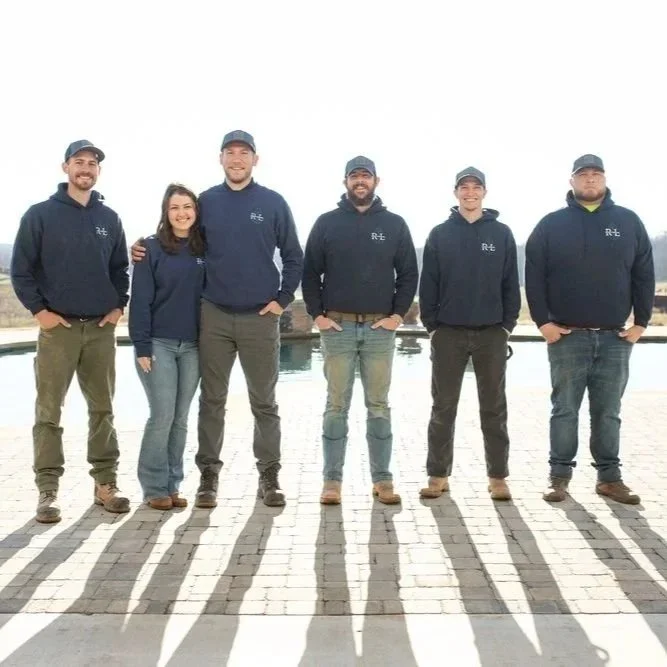
Choose licensed Gainesville experts to ensure your retaining wall combines structural integrity with lasting aesthetic appeal for your local landscape.
Retaining walls play a bigger role in Gainesville properties than many homeowners initially realize. At the most basic level, a retaining wall is a structure designed to hold back soil. In Gainesville, that often means preventing erosion on sloped lots, leveling uneven yards, creating usable outdoor living areas, improving curb appeal, and protecting foundations, driveways, and landscaping from shifting ground. While a finished wall may look simple, every properly built retaining wall is an engineered system meant to manage soil pressure and water movement, not just stack materials in place.
Why Retaining Walls Matter in Gainesville
Beyond looks and convenience, retaining walls are closely tied to safety and long-term property value. A well-designed wall reduces erosion, minimizes the risk of slope failures, and helps preserve the investment homeowners make in their landscaping and outdoor spaces. When done correctly, a retaining wall becomes a durable asset that supports both function and aesthetics. This guide is meant to help Gainesville homeowners understand how to hire a contractor who respects both the structural demands of retaining walls and the visual goals that make them an enhancement rather than just a necessity.
Gainesville’s humid subtropical climate adds another layer of complexity. Heavy seasonal rains, sudden storm events, and prolonged periods of moisture constantly put pressure on retaining walls. Local soils often include sandy layers mixed with clay pockets, which behave very differently when wet. These conditions influence everything from footing depth and base preparation to drainage design and wall height limitations.
That is why local experience matters. Contractors unfamiliar with Gainesville conditions may underestimate hydrostatic pressure or fail to account for soil movement, leading to bowing, cracking, or outright wall failure. Hiring the right contractor is not just about finding a competitive price. It is about choosing someone who understands how Gainesville’s climate, slopes, and soils interact over time.
Understanding Wall Types and Project Scope
Homeowners in the area commonly consider several types of retaining walls. Segmental concrete block walls are popular because they are durable, flexible, and visually adaptable. Poured concrete offers strength and a clean look but requires careful drainage design. Natural stone provides a timeless appearance but demands skilled craftsmanship. Timber walls can work for smaller applications, but typically have a shorter lifespan in a moist climate. Boulder or gabion walls may suit certain properties, but require thoughtful placement and engineering.
Each wall type demands a different level of skill and attention. Segmental block walls must be properly keyed and backfilled, timber walls require treatment and drainage to resist rot, and stone walls rely heavily on the installer’s experience. This makes it essential to hire a contractor who has proven experience with the specific wall style you want.
Some small projects, such as low garden borders, may be reasonable for a skilled homeowner. However, walls over modest heights, those on steep slopes, near property lines, or supporting driveways or structures should always be handled by professionals. These projects involve safety concerns, drainage design, and code compliance that go far beyond basic landscaping.
DIY mistakes can be costly. Improperly built walls may fail, create drainage problems, or lead to disputes with neighbors. Repairing or replacing a failed wall often costs far more than hiring the right contractor from the start, especially in Gainesville’s demanding environment.
Preparing Before You Contact Contractors
Before contacting contractors, homeowners should clearly define their needs. Some walls exist primarily to stop erosion, others to create level space, support structures, or enhance aesthetics. Separating must-have functions from design preferences helps guide discussions and set realistic expectations. A structural wall may require engineering and permits, while a decorative wall still needs sound construction but may offer more flexibility in materials and appearance.
A basic site assessment also helps. Homeowners can observe slope severity, drainage patterns, signs of erosion, nearby trees, and existing structures. Taking photos from several angles prepares you for more informed conversations and quickly reveals which contractors actually evaluate your site versus those who offer generic estimates.
Style and materials matter as well. Researching designs that complement your home and gathering inspiration photos makes it easier to find contractors experienced with that look. In Gainesville, materials that handle moisture well are especially important, and experienced contractors should be able to discuss maintenance and longevity honestly.
Budget planning should balance ambition with reality. Larger walls, difficult access, premium materials, and added features all increase costs. Researching typical Gainesville price ranges provides context, but budget should guide conversations, not drive you toward the lowest bid regardless of quality.
Permits, Codes, and Property Considerations
Regulations are another key consideration. Retaining walls over certain heights, near property lines, or supporting loads often require permits or engineering approval in Gainesville or Alachua County. Rules change, so verification is essential. Reputable contractors should understand these requirements and explain when permits are needed and whether permit handling is included.
Building codes exist to prevent failures that could damage property or injure people. Homeowners do not need to master the codes, but they should expect contractors to discuss compliance proactively. HOA rules may also affect wall height, materials, or appearance, and experienced local contractors are usually comfortable navigating approval processes.
Property lines and easements must be respected. Walls built too close to boundaries or within utility easements can cause legal issues. Good contractors consider the impacts of drainage on neighboring properties and aim to prevent disputes before they arise.
Finding and Evaluating Qualified Contractors
Finding qualified Gainesville contractors starts with local searches, referrals, and suppliers. Focus on companies that clearly advertise retaining wall or hardscape expertise. Reviews should be read for patterns, not isolated comments, with special attention to projects similar to yours.
A strong portfolio shows before-and-after photos, project descriptions, and walls built on slopes with visible drainage solutions. Local examples are especially valuable. Shortlist three to five contractors who demonstrate experience, professionalism, and a clear local presence.
Verification matters. Florida licensing, liability insurance, and workers’ compensation protect homeowners from legal and financial risks. Professional affiliations and manufacturer certifications can signal commitment to best practices. References, particularly from older projects, offer insight into long-term performance in Gainesville’s rainy climate.
Soil knowledge and drainage expertise are critical. Contractors should be able to explain how Gainesville soils affect footing design, compaction, and backfill. Drainage solutions should be specific and detailed, not vague reassurances.
Some projects require engineering or geotechnical input. Contractors who recommend professional collaboration demonstrate responsibility, not hesitation. This is especially important for tall or load-bearing walls.
Comparing Bids and Finalizing Details
Material and design discussions should balance durability, appearance, and maintenance. A good contractor explains why a material suits your site rather than defaulting to personal preference. Additional features like steps, seating, or lighting should be planned from the start to ensure structural integrity.
Always request detailed written estimates. Itemized bids reveal differences in materials, drainage, and preparation. Clarifying exclusions helps avoid surprise costs later. Value matters more than the lowest price.
Interviews are just as important as bids. Prepared questions about experience, process, timelines, and communication reveal professionalism. How a contractor listens and explains often predicts how the project will go.
Before construction, review sketches or plans carefully. Even simple drawings help align expectations. Structural and drainage details should be clearly explained, especially given Gainesville’s rainfall.
Contracts should clearly define scope, materials, schedules, payment terms, and warranties. Payments tied to milestones protect both parties. Warranties should be documented, with clear conditions.
Preparing your property includes clearing access, protecting landscaping, coordinating with neighbors or HOAs, and planning around the weather. Safety for pets and children should be discussed.
During installation, stay involved without micromanaging. Address concerns early, document changes, and participate in the final walkthrough. The final payment should be made upon completion of all agreed-upon items.
Long-Term Performance and Maintenance
Long-term care includes inspecting walls after heavy rain, keeping drainage paths clear, managing vegetation, and knowing when to call a professional. Early action can prevent serious problems.
Hiring the right retaining wall contractor in Gainesville comes down to preparation, research, and communication. When homeowners understand their goals, respect local conditions, and choose experienced professionals, they are far more likely to end up with a wall that is safe, attractive, and built to last.
FAQs
Costs vary widely based on wall size, materials, site conditions, and drainage needs. Typical residential projects can range from a few thousand dollars to significantly more for tall or engineered walls. Permits and engineering also affect pricing. Getting multiple detailed quotes helps homeowners understand realistic costs for their specific property and avoid poor-quality work driven solely by low bids.
Permit requirements depend on current local regulations. Lower decorative walls may not require permits, while taller or load-bearing walls often do. Homeowners should verify rules with the City of Gainesville or Alachua County and expect reputable contractors to handle permits when required.
Well-built concrete blocks or stone walls can last decades, while timber walls generally have shorter lifespans in moist conditions. Proper design, drainage, and maintenance are just as important as material choice. Regular inspections and upkeep help ensure long-term performance.
Small decorative walls may fall within a landscaper’s scope, but structural or tall walls require specialized retaining wall expertise. For most Gainesville projects involving slopes, drainage, or height, hiring a contractor with specific retaining wall experience is the safer choice.
