
How to Install an Outdoor Fire Pit: Step-by-Step Guide for Gainesville Residents
Backyard fire pit in Gainesville, surrounded by chairs, glowing warmly at dusk, ideal for gatherings and outdoor relaxation.
Enjoying an Outdoor Fire Pit in Gainesville
Outdoor fire pits have become a favorite backyard upgrade in Gainesville, and it’s easy to see why. With mild winters and plenty of cool evenings in spring and fall, a fire pit lets you enjoy your patio or yard long after the sun goes down. It naturally becomes a gathering spot for family and friends—perfect for roasting marshmallows, unwinding after a long day, or hosting relaxed game-day get-togethers.
Beyond comfort and fun, a well-designed fire pit adds ambiance and visual appeal. In a college town known for tailgating, backyard parties, and a strong social culture, a fire pit fits right in. It can even boost curb appeal and property value when done well. That said, fire pits involve open flames, so planning, safety, and local code compliance are non-negotiable. This guide walks you through everything step by step, with Gainesville-specific tips along the way.
Overview of the Installation Process
Installing a permanent outdoor fire pit is a manageable project when broken into clear phases. It starts with planning—choosing the right type, size, and style of fire pit for your yard and lifestyle. Next comes checking Gainesville and Alachua County regulations, selecting a safe location, and gathering tools and materials.
From there, you prepare the ground, build a stable base, construct the fire pit walls, add liners or burners, and finish with surrounding features like pavers or seating. While this guide focuses mainly on built-in fire pits, portable options are briefly covered, too. By the end, you’ll know whether this is a DIY job you can handle or one where bringing in a professional makes more sense.
Important Safety and Legal Considerations Up Front
Fire pits are open flames and should always be treated with respect. Risks include brush fires, property damage, and burns, which is why safety and local legal compliance matter just as much as good design. Gainesville and Alachua County may have rules about open burning, setback distances, and burn bans that directly affect what you can build and when you can use it.
Throughout this guide, you’ll see best practices for clearances, ventilation, and proper fuel use. As a homeowner or renter, you’re responsible for making sure your fire pit is both safe and legal. If anything is unclear, verify details with local authorities or the fire department before building.
Is a DIY Fire Pit Right for You?
A basic masonry fire pit requires comfort with tools, light landscaping, leveling, and stacking blocks or bricks. Pre-engineered kits make things easier, while custom designs demand more planning and precision. Be honest about your skill level, available time, and physical ability.
Budget and safety also play a role. If you’re short on time or experience, or if your project involves gas lines, a professional is the safer choice. Even if you hire out the complex parts, understanding the process helps you plan smarter and avoid costly mistakes.
Understanding Gainesville Regulations and Fire Codes
Start by checking Gainesville and Alachua County open-burning rules. Recreational fires often have size limits, required distances from property lines, and restrictions during dry spells. Rules may differ for permanent vs. portable pits and for wood vs. gas models.
Permits may be needed for gas lines or large structures. HOAs and rental agreements can add another layer of approval. Keep documentation of any permits or permissions. Most fire departments recommend placing fire pits at least 10–25 feet from structures and combustible materials, with attention to both horizontal and vertical clearances. Seasonal burn bans and air-quality alerts can also affect how often you can use your pit.
Choosing the Right Type of Fire Pit for Gainesville Homes
Wood-burning fire pits offer classic ambiance and strong heat but produce smoke and ash, and face more restrictions. Gas fire pits burn cleaner and are easier to control, but cost more and usually require professional installation.
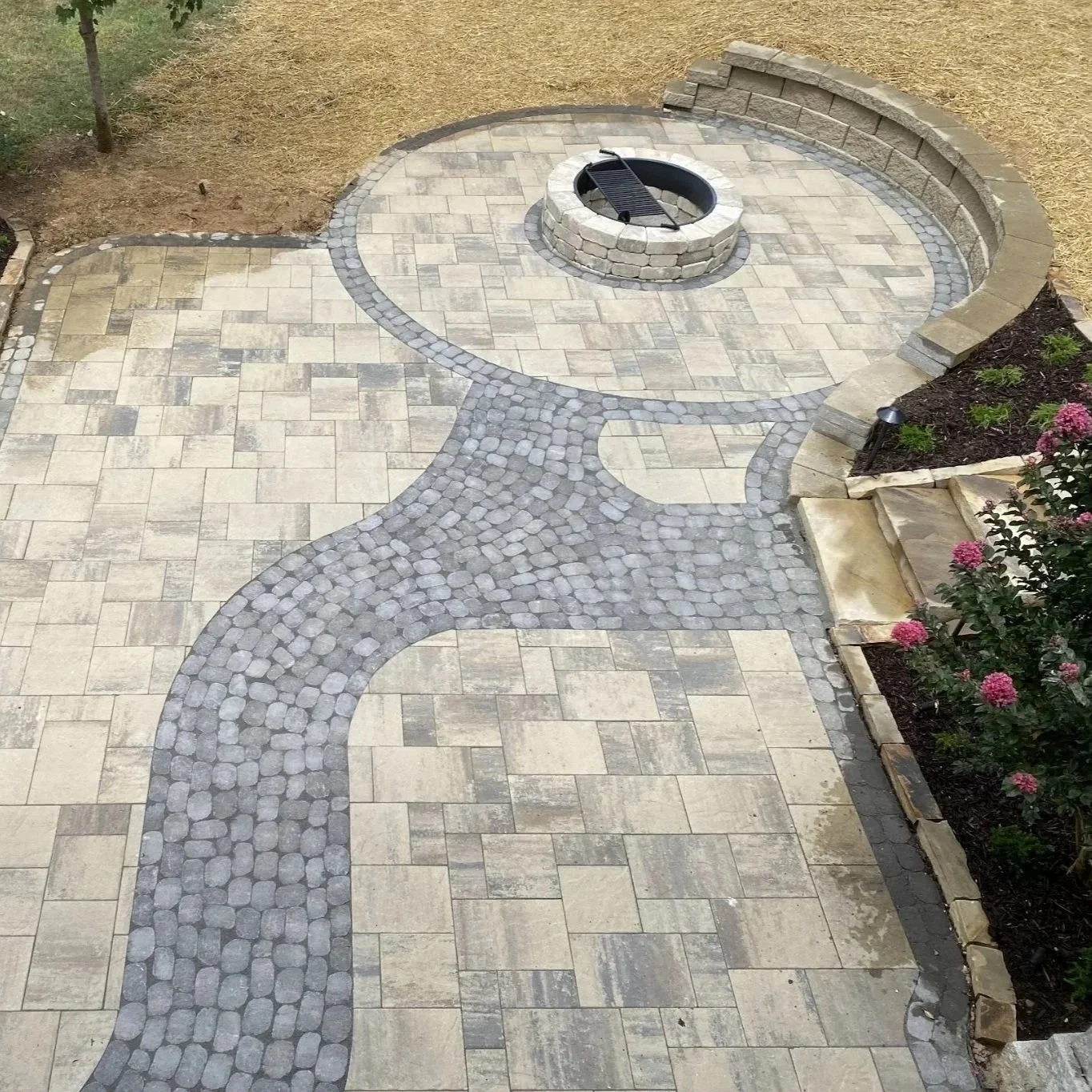
Permanent built-in pits integrate beautifully into patios and landscaping and can add value. Portable pits offer flexibility and easier storage during hurricane season. Typical sizes range from about 30 to 48 inches in diameter, with round, square, and rectangular shapes each offering a different look and social feel.
For Gainesville’s humid climate, durable materials like concrete pavers and natural stone work well. Avoid non-fire-rated bricks or stones inside the pit, as they can crack or explode under heat. Budget realistically, accounting for materials, tools, optional features, and ongoing fuel and maintenance costs.
Selecting the Safest Location in Your Yard
Observe wind patterns so that the smoke drifts away from your home and neighbors. Avoid placing pits in wind tunnels or enclosed corners. Maintain clearances from structures, fences, decks, trees, and overhead branches.
Think about neighbors, especially in dense areas or near student housing. Direct smoke and sound away from nearby windows and follow quiet-hour guidelines. Choose a flat, well-drained area—important in Gainesville’s sandy soils. Integrate the pit into existing landscaping so it feels intentional, not random.
Planning Your Fire Pit Design and Layout
Sketch your design and measure carefully. Mark the pit outline on the ground with spray paint or a rope and walk around it to check spacing and comfort.
Plan seating and traffic flow so guests don’t have to pass too close to flames. Typical wall heights range from 12 to 20 inches. Surround the pit with pavers, gravel, or a concrete pad for safety and drainage. For gas pits, plan utilities early and coordinate with a licensed professional.
Tools and Materials You’ll Need
Basic tools include shovels, a level, a tape measure, a hand tamper, a rubber mallet, and a wheelbarrow. Structural materials usually include retaining wall blocks or stone, fire-rated bricks or a metal ring liner, gravel, sand, and optional concrete.
Accessories like spark screens, covers, and cooking grates add safety and function. Always keep a fire extinguisher, sand bucket, or hose nearby, along with heat-resistant gloves and long-handled tools.
Building a Wood-Burning Fire Pit (Step-by-Step)
Mark and excavate the area, removing grass and topsoil to about 4–8 inches deep. Call 811 before digging. Level the base, add and compact gravel, then add a thin sand layer and level again.
Dry-fit the first course of blocks, checking the level carefully. Stack additional courses, staggering joints, and bonding with adhesive or mortar. Line the interior with fire bricks or a metal ring insert. Add gravel to the bottom for drainage. Optional seating walls can be built a safe distance away.
Installing a Gas Fire Pit (Overview)
Gas installations usually require licensed professionals. Components include burners, gas lines, ignition systems, and decorative media. The enclosure must be ventilated and built to the manufacturer's specs.
Professionals should pressure-test lines and handle inspections. Always turn off the gas after use and inspect components regularly, especially in humid conditions.
Safety Best Practices for Using Your Fire Pit
Burn only seasoned hardwoods in wood pits and approved media in gas pits. Never burn treated wood, trash, or yard waste. Supervise fires at all times and set clear safety rules for children and pets.
Manage smoke with dry wood and proper airflow. Extinguish fires completely and keep an emergency plan. Avoid use during high winds, storms, or burn bans.
Finishing Touches and Enhancing Your Fire Pit Area
Use heat-tolerant plants and non-flammable mulch near the pit. Add pathway and accent lighting for safety and ambiance. Choose durable outdoor furniture and weather-resistant fabrics.
Decorative stones, fire glass, and subtle artwork can personalize the space, as long as safety zones stay clear.
Maintaining Your Fire Pit in Gainesville’s Climate
Clean out ash and debris regularly. Protect metal parts from rust and cover the pit when not in use. Inspect for cracks, shifting, or corrosion.
Prepare for hurricane season by securing or storing loose items and propane tanks. Even without harsh winters, seasonal care extends your pet’s life.
When to Call a Professional
Complex designs, structural concerns, gas work, permits, and major repairs are all good reasons to bring in a pro. Licensed contractors understand local codes and can document compliance, which helps with insurance and resale.
Conclusion
A well-planned, code-compliant fire pit can become a long-lasting centerpiece of outdoor living in Gainesville. From understanding regulations and choosing the right design to preparing a solid base and practicing safe use, every step matters.
With thoughtful design, quality materials, and ongoing maintenance, your fire pit can provide years of warmth, ambiance, and memorable evenings under Gainesville’s night sky.
FAQs
It depends on the type and size of the fire pit and whether gas lines or structural changes are involved. Small recreational wood-burning pits may not need permits, but are still subject to open-burning rules. Gas pits and larger projects are more likely to require permits and inspections. Always confirm with Gainesville’s building department and local fire authorities.
Recommendations typically range from 10 to 25 feet from buildings, fences, and overhangs, but actual requirements depend on local codes and manufacturer instructions. Measure both horizontal and vertical clearances, and allow extra space when in doubt.
Most wood-burning fire pits are not suitable for decks or screened porches due to fire risk. Some gas models are rated for deck use but still require specific clearances and non-combustible surfaces. Always follow manufacturer instructions and local codes.
Use seasoned hardwoods like oak or hickory. Store wood off the ground on a rack with good airflow and partial cover. In Gainesville’s humid climate, a breathable cover helps keep wood dry and reduces mold and pests.
