
How to Ensure Your Retaining Wall Is Up to Code in Gainesville
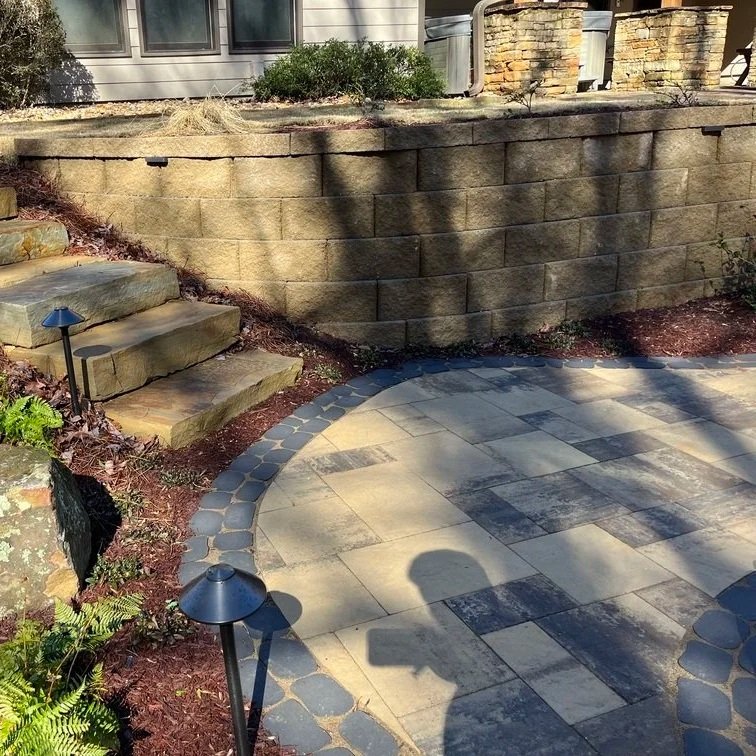
A professionally engineered retaining wall in Gainesville, designed with proper reinforcement and drainage to meet local safety codes and structural standards.
Why Retaining Wall Codes Matter in Gainesville
Retaining wall codes exist for one core reason: safety. A retaining wall is not just a decorative feature. It is a structural system designed to resist lateral earth pressure, water pressure, and additional loads such as driveways, fences, or buildings. When walls are poorly designed or built without regard to these forces, they can bulge, tilt, crack, or fail outright. In Gainesville, failures often occur after heavy rain, when saturated soils increase pressure behind the wall and expose weaknesses in the footing, drainage, or reinforcement.
Beyond physical safety, code compliance directly affects liability. A non-compliant retaining wall that damages a neighboring property or collapses into a shared space can lead to code violations, fines, insurance complications, and even lawsuits. Following code is not about red tape. It protects your investment, reduces conflict with neighbors, and lowers the risk of costly repairs or forced reconstruction later.
How Local Climate and Soil Shape Code Requirements
Gainesville’s climate places unique demands on retaining walls. Seasonal heavy rainfall, high humidity, and intense storm events make water management a central concern for local code enforcement. Walls must be designed for wet conditions, not just average weather. Drainage failures are one of the most common reasons walls fall out of compliance.
Soil conditions add another layer. Gainesville sites often include sandy soils mixed with clay pockets and sloped terrain. Clay retains water and expands, increasing pressure on walls, while sand drains quickly but can erode. Local codes and inspections reflect these realities, which is why details such as footing depth, backfill material, and drain placement are scrutinized.
Common Code Mistakes Homeowners Make
Many code issues start with good intentions. Homeowners often build taller walls without permits, underestimate the need for drainage, or rely on generic online instructions that do not account for Gainesville conditions. Others focus on the wall's visible face and overlook what matters most: the base, backfill, reinforcement, and water control behind it.
These mistakes are preventable. Early consultation with professionals, confirmation of permit requirements, and adherence to engineered or manufacturer-approved designs eliminate most problems. Understanding where others go wrong helps homeowners ask smarter questions and avoid expensive rework.
The Code-Compliance Process at a Glance
Ensuring a wall is up to code follows a sequence. It starts with site assessment and understanding local regulations, then determining permit and engineering needs, preparing plans, obtaining approvals, building according to those plans, and passing inspections. Code compliance is not a final checkbox. It is built into every phase of the project, from early design decisions such as wall height, placement, and materials.
Which Codes Govern Retaining Walls in Gainesville
Retaining wall rules are enforced by the local building authority, typically the city or county building department, with zoning offices involved for setbacks and height limits. Jurisdiction depends on whether the property lies within city limits, an unincorporated area, or a regulated subdivision.
These local rules are based on broader building codes, such as the Florida Building Code, derived from national model codes, with local amendments. Homeowners do not need to read the full code, but they should understand that retaining walls fall under layered regulations addressing structure, zoning, and drainage.
Zoning rules affect where walls can be built, how tall they can be in different yard areas, and how close they can be to property lines, driveways, and streets. HOA rules or deed restrictions may add additional requirements regarding appearance, materials, or placement.
Knowing When a Permit Is Required
Permits are commonly required when a retaining wall exceeds a certain height, supports a surcharge, or sits near property lines or public areas. Height is not always measured from the finished grade. Many codes measure from the bottom of the footing to the top of the wall, and closely spaced terraced walls may be treated as one system.
Walls supporting driveways, parking areas, buildings, decks, or steep slopes almost always require permits and engineered plans, even if they appear relatively short. Replacing or substantially repairing an existing wall can also trigger permitting, particularly if the wall is being rebuilt or modified for safety reasons.
The most reliable way to confirm requirements is to contact the building department with basic project details: height, length, location, materials, and nearby structures.
Planning a Code-Compliant Wall From the Ground Up
A proper site assessment is essential. Evaluate slopes, identify where water flows during heavy rain, and note low areas where water collects. Codes require walls to work with natural drainage patterns, not redirect water onto neighboring properties.
Soil conditions should also be assessed. Soft, expansive, or unstable soils may require deeper footings, additional reinforcement, or engineered drainage solutions. For taller or critical walls, a geotechnical evaluation can provide valuable guidance and reduce uncertainty.
Before digging, utilities must be located and marked. Property lines and easements should be confirmed through surveys or plats. Building within an easement or across a boundary is a common and serious code violation.
Choosing the Right Wall Type
Different wall systems carry different code implications. Segmental retaining walls with interlocking concrete blocks are common for residential projects and can be code-compliant when built strictly to manufacturer specifications. Poured concrete and masonry walls are often used for taller or heavily loaded walls and require detailed engineering and inspections.
Timber and boulder walls may be acceptable for lower, non-critical applications, but still require proper drainage and base preparation. Reclaimed materials, such as old railroad ties, can raise compliance and durability concerns.
Working With Engineers, Contractors, and Inspectors
Licensed engineers are often required for walls above certain heights, walls supporting surcharges, or walls on challenging sites. They design footings, reinforcement, and drainage systems and provide stamped plans for permit review.
Contractor selection matters just as much. A compliant design can fail if it is not built correctly. Contractors should be familiar with local codes, inspection processes, and the specific wall system being used.
Inspections typically occur at multiple stages, such as footing preparation and drainage installation, not just at completion. Missing inspections or deviations from approved plans can result in failed inspections and required corrections.
Structural and Drainage Requirements That Matter Most
Code-compliant walls are designed to resist overturning, sliding, and bearing failure. Wall height, footing width, reinforcement, and setbacks all work together to maintain stability.
Drainage is critical in Gainesville. Free-draining gravel backfill, filter fabric, perforated drain pipes, and properly placed outlets are often required. Without them, hydrostatic pressure can overwhelm even a well-built wall.
Surface water management matters too. Grading, swales, and downspout control prevent water from saturating soil above the wall. In some cases, waterproofing membranes are used to protect nearby structures.
Safety Features and Access Considerations
Codes may require guardrails or fences when there is a significant drop adjacent to walking areas. These guards must meet height and spacing rules, which may affect how wall height is calculated.
Steps, paths, and landings integrated with retaining walls have their own safety requirements. Good lighting, clear edges, and thoughtful layout reduce fall risk, even when not explicitly required by code.
Documenting Compliance
Approved plans, permits, inspection reports, and photos should be kept on file. These records are valuable for future repairs, property sales, and resolving disputes. Documenting buried elements such as drainage and reinforcement is especially important.
Evaluating Existing Retaining Walls
Homeowners can look for warning signs such as bulging, leaning, cracking, soil loss, or persistent water seepage. Drainage failures and erosion are common red flags.
Older walls may not meet current standards, but may still be serviceable. An engineer can assess whether targeted upgrades can improve safety or whether replacement is necessary.
Cost, Timing, and Long-Term Care
Building to code often costs more upfront due to engineering, permits, and quality materials, but it saves money over time by reducing failures and liability. Design and permitting can take weeks, and construction schedules should account for inspections and weather delays.
Routine maintenance, such as clearing drains and monitoring movement, helps keep walls in compliance with code. Future site changes should always be evaluated for their impact on existing walls.
Conclusion
Ensuring a retaining wall is up to code in Gainesville requires more than good materials. It demands an understanding of local climate, soils, codes, and structural principles. From planning and permitting to construction and maintenance, each step contributes to long-term safety and performance. By working with qualified professionals, prioritizing drainage, and documenting compliance, homeowners can build retaining walls that protect their property, their neighbors, and their investment for years to come.
FAQs
Permits depend on wall height, placement, and whether the wall supports additional loads. Some small walls still require permits if they are near property lines, slopes, or structures.
Many local codes use a height limit around four feet, but conditions such as soil type, drainage, and surcharge loads can require engineering for shorter walls.
Typical drainage requirements include gravel backfill, perforated drain pipes, proper outlets, and grading that directs water safely away from the wall structure.
In some cases, drainage upgrades, reinforcement, or structural adjustments can bring a wall into compliance, but severely failing walls often require full replacement.
