
How Much Does Retaining Wall Installation Cost in Gainesville, GA?
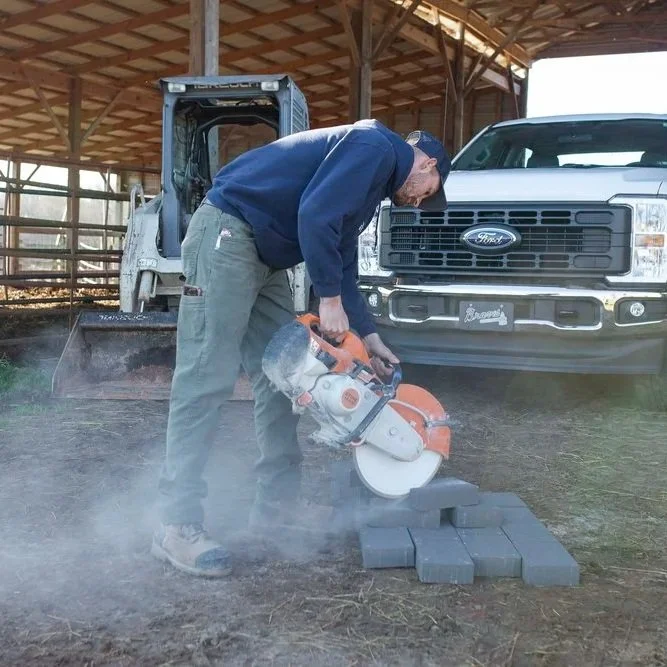
Retaining wall costs in Gainesville typically range from $25 to $100 per linear foot, depending on materials and site complexity.
Retaining wall installation costs in Gainesville, GA, vary widely because no two properties, slopes, or wall designs are the same. Homeowners often see total project costs ranging from a few thousand dollars for a small decorative wall to well over five figures for tall, engineered structural walls. On a per-linear-foot basis, most residential retaining walls in the Gainesville area fall roughly between $25 and $100 per linear foot, with higher-end or engineered systems exceeding that range. Gainesville pricing generally aligns with North Georgia averages and often comes in slightly below major metro areas, but local conditions can push costs above national online estimates.
A basic project might involve a simple 2-foot garden wall made of segmental blocks along a flower bed, while a mid-range project could be a 4- to 5-foot wall stabilizing a backyard slope. High-end projects typically involve 6- to 8-foot structural walls supporting driveways, homes, or lakefront properties, often requiring engineering and permits. Understanding why these costs differ helps homeowners plan realistically and avoid surprises.
Why Gainesville Costs Differ from National Averages
Local labor rates, contractor availability, and material sourcing all influence retaining wall costs in Gainesville. While labor costs are generally more affordable than in large metropolitan markets, they are still shaped by demand, seasonal workloads, and the availability of skilled retaining wall contractors. Material pricing is also affected by proximity to quarries, concrete suppliers, and block manufacturers serving North Georgia.
Geography matters as well. Gainesville’s hilly terrain, red clay soils, and proximity to Lake Lanier often require additional excavation, drainage planning, and engineering than in flatter regions. These site-specific conditions are a major reason homeowners should rely on local estimates rather than national cost calculators that assume ideal soil and flat ground.
How the Purpose of the Wall Affects Cost
The purpose of the retaining wall has a significant impact on the budget. Decorative landscape walls or low garden borders are usually the least expensive because they carry minimal structural load. Functional retaining walls that hold back soil, manage erosion, or level a usable yard require stronger materials, better drainage, and more labor. Structural walls supporting slopes, driveways, or buildings are the most expensive because they often require engineering, permits, deeper footings, and reinforcement.
Costs also increase when the wall includes additional features. Integrated seating, planters, lighting, fencing, or safety rails add materials and labor. A wall that doubles as a safety barrier or outdoor living feature will cost more than a purely utilitarian structure.
Cost Per Linear Foot vs. Total Project Cost
Contractors often estimate retaining walls using cost per linear foot, which usually includes standard materials, labor, and basic equipment. However, this number does not always reflect the full project cost. Drainage systems, permits, engineering, demolition of existing walls, grading, and post-construction landscaping can add significantly to the total.
Homeowners should focus on the complete project price rather than comparing per-foot numbers alone. A wall with a reasonable per-foot rate can still be expensive if access is difficult or extensive site work is required.
Key Cost Drivers to Understand Early
Before requesting estimates, homeowners should understand the biggest cost drivers: wall height and length, material choice, site access, soil conditions, drainage needs, and whether engineering or permits are required. Having rough measurements, site photos, and a clear idea of goals helps contractors provide more accurate and comparable bids.
Major Factors That Influence Retaining Wall Costs
Wall height and length directly affect cost. Length increases cost in a mostly linear way, but height increases cost much faster due to added structural requirements. A 3-foot wall may be relatively simple, while a 7-foot wall often triggers engineering, thicker bases, reinforcement, and more inspections.
Site accessibility also plays a large role. Tight backyards, steep slopes, trees, and nearby structures slow work and limit equipment access. Gainesville’s hilly neighborhoods and lakeside properties often require smaller equipment or more manual labor, increasing labor costs.
Soil conditions matter as well. Dense red clay can impede drainage, while rocky soil can slow excavation. Poor soil bearing capacity may require deeper footings, geogrid reinforcement, or soil replacement, all of which increase costs.
Drainage is a critical expense that should never be skipped. Gravel backfill, perforated drain pipes, filter fabric, and outlets all add cost but are essential for preventing wall failure in Gainesville’s rainy climate. Skipping drainage may save money initially, but it often leads to expensive repairs later.
Permits and engineering add to the budget for taller or load-bearing walls. Engineering fees typically cover design calculations, drawings, and sometimes site visits, while permit fees and inspections ensure the wall meets safety and zoning requirements.
Material Choices and Their Cost Impact
Concrete masonry unit (CMU) walls are durable and strong but labor-intensive, requiring reinforced footings, mortar, and rebar. They typically fall in the mid- to high-price range per linear foot, especially when finished with stucco or stone veneer.
Segmental retaining wall blocks are popular for residential projects because they install faster and often do not require poured footings. While the blocks themselves can be costly, labor savings often make them cost-competitive, especially for walls under moderate height.
Natural stone walls offer premium aesthetics and long-term durability, especially in scenic areas around Gainesville. They are usually among the most expensive options due to material cost and skilled labor requirements.
Timber and railroad tie walls have lower upfront costs but shorter lifespans. Rot, insect damage, and eventual replacement make them more expensive over time despite lower initial pricing.
Cast-in-place concrete walls offer high structural capacity and modern aesthetics but are typically among the most expensive options due to forming, reinforcement, and specialized labor.
Labor Costs in Gainesville
Local labor rates vary depending on experience and project complexity. Labor typically includes excavation, base preparation, wall construction, and cleanup. Extra charges may apply for demolition, large soil removal, or difficult access.
Experienced contractors often charge more but deliver better results, fewer mistakes, and longer-lasting walls. In Gainesville’s varied terrain, local expertise can significantly reduce risk and long-term cost.
DIY installation can save money for tiny, non-structural walls, but the risks increase quickly with wall height. Improper drainage or construction often leads to failure, making professional installation the safer long-term choice for most projects.
Excavation, Base, and Site Preparation Costs
Excavation and grading are foundational costs. Cutting into slopes, removing soil, and creating a level base often requires machinery. Rocky soil, roots, and limited access increase equipment time and labor.
Base preparation is critical. Compacted gravel bases or reinforced concrete footings must meet design specifications. Cutting corners here is a common cause of wall failure and costly repairs.
Hauling excess soil and debris off-site can also add cost, especially if disposal fees are high. In some cases, soil can be reused on-site to reduce hauling expenses.
Drainage, Backfill, and Erosion Control
Drainage systems behind retaining walls typically include gravel backfill, drain pipes, and sometimes weep holes. These components add cost but protect the wall from hydrostatic pressure.
Backfill material choice matters. Free-draining gravel costs more than native clay but dramatically improves wall performance and lifespan.
Erosion control measures such as blankets, riprap, or groundcover planting are often needed on Gainesville’s slopes. These costs help protect both the wall and the surrounding landscape.
Design, Aesthetics, and Custom Features
Straight walls are generally less expensive than curved or terraced designs. Curves and tiers add labor and layout time but can improve appearance and erosion control.
Caps, coping stones, and decorative finishes raise costs but significantly improve curb appeal. Integrated steps, seating, planters, and lighting add usability but also increase material and labor expenses.
Permits, Engineering, and Inspections
Permits may be required for taller walls, walls near property lines, or walls supporting structures. Permit fees and inspections add modest cost but protect homeowners from fines and future issues.
Engineering is often required for structural walls and adds design costs, but it greatly reduces failure risk. Inspections confirm that the wall meets approved plans and safety standards.
Seasonal and Market Factors
Spring and early summer are peak seasons for retaining wall work in Gainesville, often leading to higher demand and longer wait times. Fall and winter may offer better availability and sometimes more competitive pricing, weather permitting.
Material and fuel prices fluctuate, affecting estimates. Homeowners should ask how long quotes are valid and whether pricing can be locked in.
Budgeting and Cost Control
Accurate quotes come from providing clear information upfront. Multiple detailed bids help homeowners compare scope, materials, and quality, not just price.
Smart cost savings include simplifying wall layout, choosing durable but economical materials, and handling minor landscaping yourself. Cutting structural corners is never a good savings strategy.
Long-Term Value and ROI
Retaining walls add value by increasing usable space, improving drainage, and protecting structures. While not every dollar returns at resale, well-built walls improve property function and marketability.
Maintenance costs vary by material. Concrete and block walls need minimal upkeep, while timber walls require more frequent attention. Planning for future landscape changes helps avoid costly upgrades later.
Realistic Gainesville Cost Examples
A small 2- to 3-foot decorative block wall may cost a few thousand dollars, depending on length and finish. A medium 3- to 5-foot backyard wall often falls in the mid-five-figure range when excavation, drainage, and labor are included. Large engineered walls supporting driveways or lakefront slopes can reach the high five figures or more due to engineering, permits, and materials.
Unexpected conditions such as rock, poor soil, or hidden utilities can lead to change orders. Including a contingency in the budget and clear communication in the contract helps manage these situations.
Conclusion
Retaining wall installation costs in Gainesville, GA, depend on wall size, site conditions, materials, drainage, labor, and regulatory requirements. Understanding each component helps homeowners set realistic budgets and avoid surprises. With careful planning, detailed estimates, and experienced local contractors, homeowners can build retaining walls that protect their property, enhance their landscape, and deliver long-term value.
FAQs
Most residential projects range from a few thousand dollars for small decorative walls to tens of thousands for tall, engineered walls. Height, materials, drainage, and site conditions are the biggest factors.
Permits and engineering are often required for taller walls, walls supporting structures, or walls near property lines. Local building departments can confirm requirements.
Segmental block walls often offer the best balance of cost, durability, and appearance. Timber is cheaper upfront but costs more over time, while stone and concrete provide premium durability at a higher cost.
DIY may work for very low, non-structural walls. For taller or load-bearing walls, professional installation is safer and typically more cost-effective over time.
