
How Different Types of Pavers Perform in Gainesville's Weather
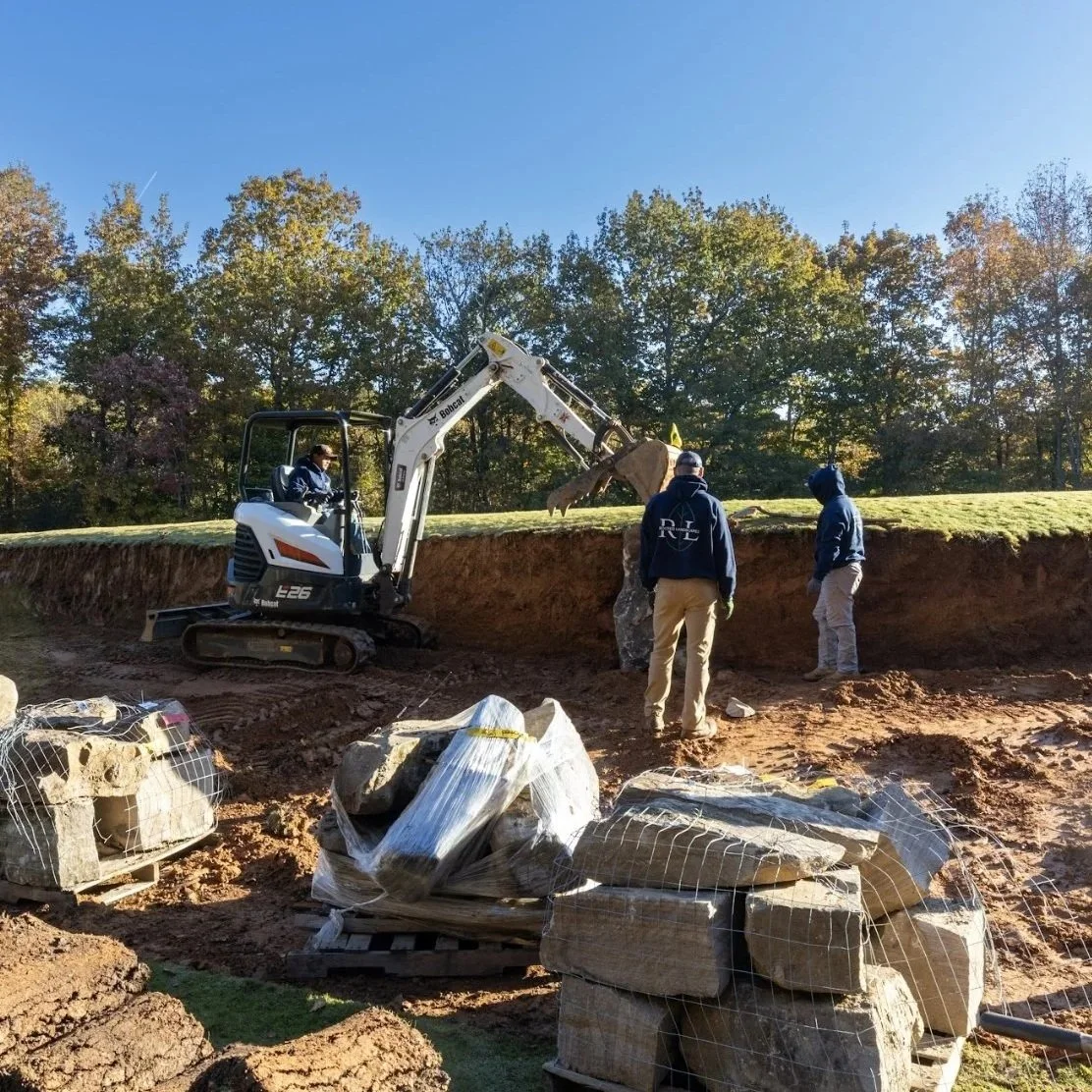
Choosing the right pavers ensures long-lasting performance despite Gainesville’s humid summers and fluctuating seasonal temperatures.
Understanding Gainesville's Climate And Why It Matters For Pavers
Gainesville, Georgia, presents a unique combination of weather factors that directly influence how outdoor hardscapes perform over time. The region experiences frequent rainfall, extended periods of humidity, clay-heavy soils, and noticeable seasonal temperature swings. Summers bring heat and moisture that test drainage and surface stability, while winters introduce cooler temperatures that affect expansion and contraction. Pavers installed without considering these conditions often show signs of movement, staining, or surface wear sooner than expected.
Weather exposure in Gainesville affects more than surface appearance. Moisture works its way beneath pavers, interacting with the base and soil below. When drainage falls short, water remains trapped, weakening support layers and encouraging shifting. Humidity slows drying, which allows algae, mildew, and staining to develop on certain materials. Understanding how different paver types respond to these environmental pressures helps homeowners select materials that hold up structurally and visually throughout the year rather than just looking good at installation.
Concrete Pavers And Their Response To Moisture And Heat
Concrete pavers remain a popular choice in Gainesville due to their availability and design flexibility. From a performance standpoint, concrete handles moisture relatively well when manufactured to higher-density standards. Quality concrete pavers resist surface erosion during heavy rain and maintain structural integrity when supported by a properly compacted base. Their modular nature allows slight movement without cracking, which helps them adapt to the soil expansion common during wet periods.
Heat and humidity influence concrete pavers differently depending on finish and color. Darker pavers absorb more heat, which accelerates surface drying but also increases thermal expansion. Over time, repeated expansion and contraction cycles can loosen joint material if installation lacks proper edge restraint. Lower-grade concrete products may show fading or surface wear faster in Gainesville's sun and rain combination. Performance depends heavily on product quality and installation practices, making concrete a reliable option when selected and installed with local weather in mind.
Brick Pavers In Humid And Rain-Prone Conditions
Brick pavers bring a traditional look that suits many Gainesville neighborhoods, but their performance depends on understanding how fired clay reacts to moisture. Brick absorbs water more readily than concrete, which influences how it behaves during extended wet periods. In Gainesville's humid climate, brick pavers retain moisture longer, which can darken their appearance temporarily and encourage surface growth if airflow remains limited.
From a structural standpoint, brick performs well when supported by adequate base depth and drainage. Moisture absorption does not typically weaken the paver itself, but it can affect joint stability and base conditions if water is not directed away efficiently. Brick pavers offer good traction when wet, which benefits walkways and patios during rainy weather. Over time, bricks develop a weathered appearance that many homeowners find appealing. Their long-term performance relies on thoughtful installation that accommodates moisture rather than fighting it.
Natural Stone Pavers And Weather Variability
Natural stone pavers respond to Gainesville's weather in highly material-specific ways. Dense stones, such as granite, handle moisture exposure with minimal impact, while softer stones, like limestone or sandstone, show wear more quickly under constant rain and humidity. Stone's natural variation creates unique surfaces, but those same variations affect porosity and durability in wet conditions.
Temperature changes influence stone expansion, particularly in larger-format pieces. Moisture trapped beneath irregularly shaped stones creates uneven support that leads to settling if base preparation lacks precision. In Gainesville, where rainfall can be frequent and heavy, stone pavers require careful selection and installation to manage water flow effectively. When matched correctly to the environment, natural stone delivers a distinctive appearance and solid performance. When mismatched, it becomes prone to staining, shifting, or accelerated surface breakdown.
Permeable Pavers And Rainfall Management Performance
Permeable pavers perform a specific function that aligns well with Gainesville's frequent rainfall. Designed to allow water to pass through joints or openings, these systems reduce surface runoff and pooling. Water moves into a prepared base where it disperses slowly into the soil. This design relieves pressure on surrounding landscapes and helps stabilize soil moisture levels.
Performance depends on proper design rather than the pavers alone. Base materials must support both load-bearing requirements and water infiltration. In clay-rich soils common around Gainesville, permeable systems often require deeper bases or additional drainage layers to function effectively. When installed correctly, permeable pavers reduce erosion and minimize puddling after storms. Maintenance plays a role as well, since joints must remain clear to allow water flow. Their weather performance excels when homeowners commit to both proper installation and periodic upkeep.
Travertine Pavers And Moisture Exposure
Travertine pavers attract homeowners seeking comfort and natural aesthetics, but their performance in Gainesville's weather requires understanding their porous nature. Travertine remains cooler underfoot during hot weather, which makes it appealing for patios. However, its porosity allows moisture to enter the stone, influencing how it responds to prolonged humidity and rainfall.
In wet conditions, unsealed travertine may darken temporarily and develop surface staining if organic material settles. Proper sealing limits moisture penetration and reduces maintenance demands. Drainage beneath travertine installations becomes especially important, as trapped water accelerates wear and affects stability. When installed with attention to base preparation and moisture management, travertine performs reliably in Gainesville's climate. Homeowners benefit most when they balance aesthetic appeal with realistic maintenance expectations.
Porcelain Pavers And Weather Resistance
Porcelain pavers demonstrate strong performance in Gainesville's weather due to their extremely low water absorption rate. Manufactured at high temperatures, porcelain resists moisture penetration, staining, and surface wear. Rainfall has little effect on the material itself, making it well-suited for patios and walkways exposed to frequent storms.
Temperature changes influence porcelain less than many other materials, reducing expansion-related movement. Thin profiles require precise installation, as base irregularities transfer directly to the surface. Porcelain performs best when installed on reinforced bases or pedestal systems that promote drainage. In humid environments, its resistance to algae and mildew growth becomes a practical advantage. Porcelain pavers perform consistently across seasons, provided installation meets the material's structural requirements.
Clay Pavers And Seasonal Moisture Behavior
Clay pavers share some characteristics with brick but differ in density and manufacturing methods. Fired at high temperatures, clay pavers retain color well and resist fading under sun exposure. In Gainesville's mixed weather conditions, their color stability remains a strong benefit. Moisture absorption still occurs, influencing surface appearance during rainy periods.
Performance depends on how well water drains away from the installation. Clay pavers handle wet conditions without structural damage when properly supported, but joint erosion may occur if rainfall repeatedly washes out fill material. Traction remains good during rain, supporting safe walkways. Over time, clay pavers develop a consistent patina that reflects exposure to the elements. Their performance suits homeowners seeking durability paired with traditional aesthetics when installation addresses local drainage needs.
Cobblestone Pavers And Long-Term Weather Endurance
Cobblestone pavers have a long history of surviving harsh outdoor conditions, which translates well to Gainesville's variable weather. Typically made from dense stone such as granite, cobblestone resists moisture penetration and surface erosion even during prolonged rainy periods. The thickness and weight of each unit help anchor the surface, reducing movement caused by saturated soils. In environments where rainfall arrives in heavy bursts, cobblestone's mass provides stability that thinner pavers may struggle to maintain.
Weather performance also ties closely to surface texture. Cobblestone's uneven profile allows water to shed naturally rather than pool, while also providing excellent traction during wet conditions. That same texture influences comfort, making cobblestone better suited for driveways and accent walkways than for barefoot patio areas. Installation remains critical, as irregular shapes require skilled base preparation to prevent uneven settling. When installed with proper drainage, cobblestone performs exceptionally well under Gainesville's rain-heavy and humidity-prone conditions.
Interlocking Pavers And Soil Movement Adaptability
Interlocking pavers are engineered to work as a unified surface, distributing load and resisting lateral movement. This design benefits installations in Gainesville, where clay soils expand when saturated and contract as they dry. Interlocking edges help the surface flex slightly without losing alignment, allowing the paver system to adjust to ground movement rather than crack under stress.
Rainfall performance depends on joint stability and edge restraint. During heavy storms, water moves across and between pavers, testing the integrity of the joint material. High-quality joint sand resists washout and supports consistent spacing. When installed correctly, interlocking pavers maintain surface uniformity despite repeated wet-dry cycles. Their adaptability makes them well-suited for driveways, patios, and walkways that experience both moisture exposure and regular traffic throughout the year.
Large-Format Pavers And Rainfall Challenges
Large-format pavers create clean visual lines but respond differently to Gainesville's weather than smaller units. Their size reduces joint frequency, which limits water entry points at the surface. However, fewer joints also mean less flexibility when soil movement occurs. Heavy rain that saturates the base can expose even small inconsistencies in preparation, leading to visible lippage or pooling along edges.
Performance improves when large-format pavers are paired with advanced base systems that promote drainage and uniform support. In Gainesville, installations often benefit from reinforced bases or pedestal systems that separate the pavers from saturated soils. Surface finishes influence slip resistance during rain, making texture selection important for safety. Large-format pavers perform well in local weather when installation precision matches the material's demands.
Gravel-Set Pavers And Weather Flexibility
Gravel-set pavers offer a flexible response to Gainesville's changing weather conditions. Unlike rigid systems, gravel-set installations accommodate minor ground movement without cracking. This flexibility helps manage soil expansion during wet periods and contraction during dry spells. Water drains freely through the system, reducing pooling and pressure buildup beneath the surface.
Performance depends on proper compaction and edge restraint. Heavy rainfall tests base integrity, especially in areas with sloped terrain. Poorly compacted gravel bases may shift or erode under repeated storms. When constructed carefully, gravel-set pavers recover easily from weather events, allowing for straightforward adjustment if settling occurs. Their adaptability makes them a practical option for patios and walkways in rain-prone environments like Gainesville.
Comparing Algae And Surface Growth Across Materials
Humidity and rainfall create ideal conditions for algae and mildew growth on outdoor surfaces. Paver materials respond differently to these conditions. Porous materials such as travertine, some natural stones, and brick tend to retain moisture longer, which encourages surface growth in shaded areas. Smoother, denser materials like porcelain resist moisture retention, limiting biological buildup.
Surface finish influences maintenance frequency. Textured pavers trap organic debris that feeds algae growth, while smoother surfaces shed debris more easily. In Gainesville landscapes with tree cover and limited airflow, material selection affects how often cleaning becomes necessary. Understanding how different pavers interact with moisture and shade helps homeowners choose materials that align with their maintenance preferences.
Thermal Expansion And Seasonal Temperature Shifts
Seasonal temperature changes in Gainesville may not reach extreme lows, but repeated warming and cooling cycles still affect paver performance. Materials expand and contract at different rates, influencing joint stability and surface alignment. Concrete and large-format pavers experience more noticeable thermal movement, while smaller units distribute expansion across more joints.
Moisture amplifies thermal effects by softening base materials. During rainy seasons, saturated bases allow more movement under thermal stress. Proper edge restraint and base preparation mitigate these effects across all paver types. Long-term performance depends on how well installation accounts for both moisture and temperature variability rather than addressing one factor alone.
Matching Paver Performance To Specific Outdoor Areas
Different outdoor spaces place unique demands on paver performance. Driveways experience load stress combined with moisture exposure, favoring interlocking or cobblestone systems. Patios prioritize comfort and slip resistance, making material texture and temperature behavior important. Walkways benefit from traction and consistent surface alignment during rain.
In Gainesville, matching paver type to function improves durability and safety. Combining materials across a property allows each area to respond appropriately to the weather conditions it encounters most. Thoughtful selection supports outdoor spaces that remain usable and visually appealing throughout the year despite frequent rain and humidity.
FAQs
Frequent rainfall can impact drainage and the stability of the paver base. When installed with proper base preparation and efficient drainage systems, pavers resist moisture damage and maintain their longevity even in wet conditions.
Porcelain pavers offer outstanding performance in humidity due to their low water absorption. Dense concrete and granite-based pavers also handle moisture well and resist warping or surface deterioration in humid climates.
Yes. Clay soils expand when saturated, which can lead to paver movement. However, installing a deeper base, using proper compaction, and applying strong edge restraints will significantly reduce shifting.
Permeable pavers manage stormwater effectively, especially in areas with consistent rainfall. In clay-heavy regions, they may require deeper or enhanced base layers to achieve optimal infiltration and prevent clogging.
Choosing less porous materials, improving drainage, increasing sunlight exposure, and scheduling routine cleanings help limit algae growth. Sealers designed for humid climates can also reduce moisture retention on the surface.
