
Explaining the Most Popular Types of Pavers for Gainesville, GA, Homes
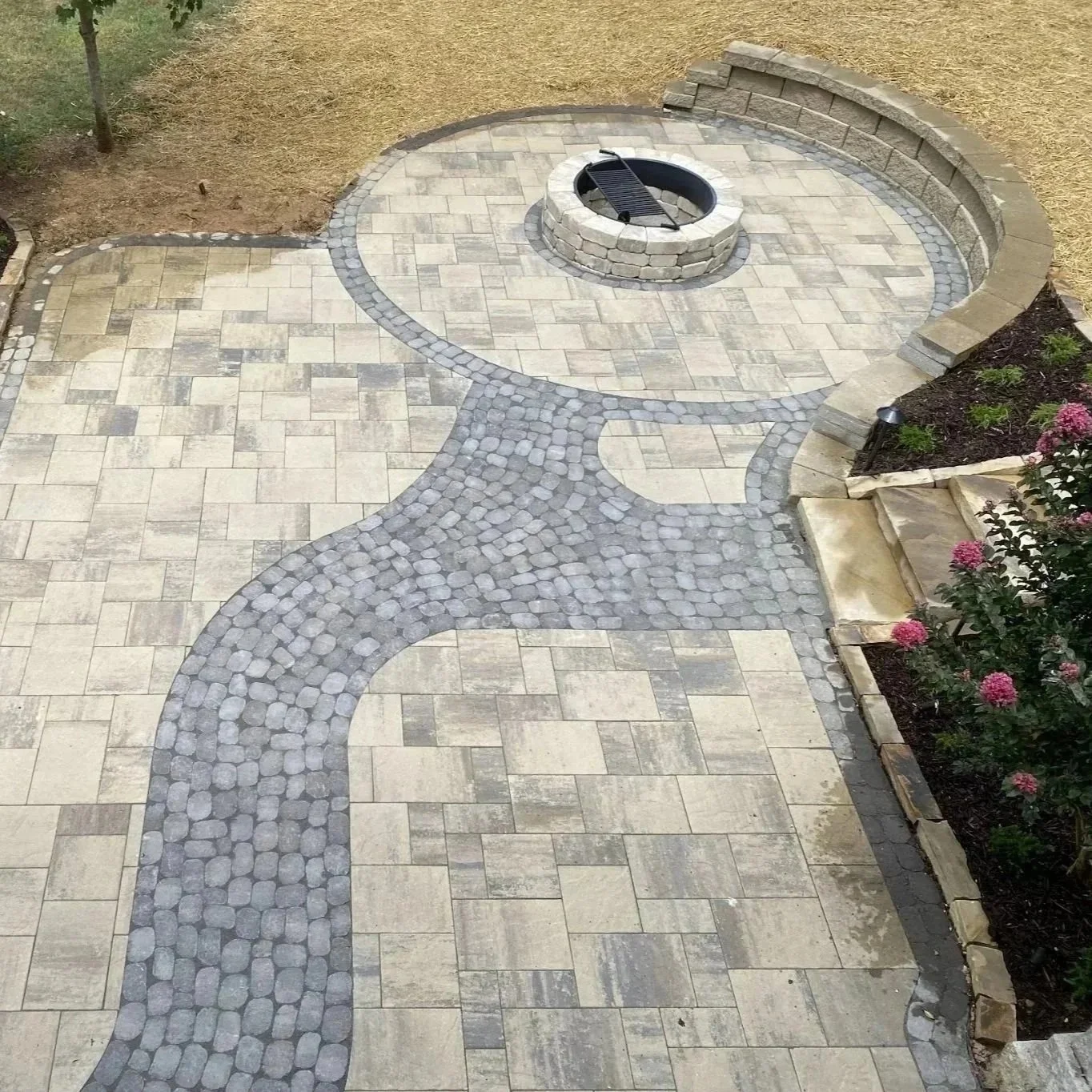
Colorful outdoor pavers in Gainesville, GA home patio, showing durability, texture, and variety suited for humid, rainy climates.
Why Paver Selection Matters In Gainesville Landscapes
Choosing the right type of paver in Gainesville, GA, goes far beyond appearance. Local climate conditions, soil composition, rainfall patterns, and daily use all influence how different paver materials perform over time. North Georgia experiences frequent rain, periods of high humidity, and seasonal temperature shifts that place stress on outdoor surfaces. Pavers that work well in dry or arid regions may struggle here, leading to settling, surface wear, or drainage problems if they are not matched to local conditions.
Paver selection also affects long-term maintenance and how outdoor spaces age visually. Some materials develop character as they weather, while others show staining or surface breakdown more quickly in damp environments. Homeowners often focus on color or shape without considering how materials interact with moisture, clay-heavy soils, and shade from mature trees. Understanding the strengths and limitations of popular paver types helps homeowners make informed decisions that support durability, safety, and consistent appearance in Gainesville landscapes.
Concrete Pavers And Their Versatility In Residential Settings
Concrete pavers remain one of the most popular choices for Gainesville homes due to their versatility and accessibility. Manufactured in a wide range of colors, shapes, and textures, concrete pavers adapt easily to patios, walkways, driveways, and pool surrounds. Their modular design allows for flexible layouts that accommodate curves, grade changes, and custom patterns. In residential landscapes where design preferences vary widely, concrete pavers offer reliable options that balance function and style.
Performance in Gainesville’s climate depends heavily on installation quality and product selection. High-quality concrete pavers resist surface wear and color fading better than lower-grade options, especially in areas exposed to heavy rainfall and direct sun. Proper base preparation supports load distribution and minimizes shifting during wet seasons. While concrete pavers handle moisture well, they require attention to drainage and joint stabilization to prevent erosion beneath the surface. When installed correctly, they provide long-lasting performance across a variety of outdoor applications.
Brick Pavers And Their Traditional Appeal
Brick pavers bring a classic aesthetic that appeals to homeowners seeking timeless design. Made from fired clay, brick pavers develop rich color tones that complement traditional architecture and established landscapes. In Gainesville neighborhoods with mature trees and historic design influences, brick pavers often feel visually cohesive with their surroundings. Their smaller size allows for detailed patterns that add character to walkways and patios.
From a performance standpoint, brick pavers behave differently from concrete alternatives. Clay brick absorbs moisture at a higher rate, which affects how it responds to freeze-thaw cycles and prolonged damp conditions. In Gainesville, where winters remain relatively mild but moisture persists, brick pavers perform well when installed with proper base depth and drainage. Surface texture provides good traction during wet weather, making brick a practical option for walkways. Long-term care includes monitoring joint material and addressing settling promptly to preserve alignment and surface integrity.
Natural Stone Pavers And Their Unique Characteristics
Natural stone pavers offer a distinct visual appeal due to their organic textures and color variations. Materials such as flagstone, slate, and limestone introduce natural patterns that cannot be replicated by manufactured products. In Gainesville landscapes that emphasize outdoor living spaces, stone pavers create a connection between built elements and surrounding natural features. Each piece carries unique characteristics that contribute to a one-of-a-kind installation.
Stone pavers require careful selection based on local conditions. Some stone types handle moisture better than others. Dense stones resist water absorption and surface degradation, while softer varieties may show wear more quickly in wet environments. Installation plays a critical role in performance, as uneven thickness and irregular shapes demand skilled placement and base preparation. Natural stone pavers reward thoughtful design and installation with a distinctive appearance, but they require a commitment to proper material choice and ongoing care to perform well in Georgia’s climate.
Permeable Pavers And Drainage Benefits
Permeable pavers address drainage challenges that many Gainesville homeowners face. Frequent rain events and clay-rich soils increase the risk of surface runoff and pooling. Permeable systems allow water to pass through joints or openings, directing it into a prepared base where it disperses gradually into the soil. This approach reduces surface water accumulation and supports healthier landscapes.
These systems work best when designed as part of an integrated drainage plan. Base materials, soil conditions, and site grading all influence effectiveness. Permeable pavers require precise installation to maintain structural stability while allowing water movement. In residential settings, they work well for driveways, walkways, and patios where drainage concerns exist. Homeowners considering permeable options should understand that maintenance includes periodic cleaning of joints to preserve water flow. When properly installed, permeable pavers offer functional benefits that extend beyond aesthetics, especially in rain-prone areas like Gainesville.
Travertine Pavers And Comfort Considerations
Travertine pavers have gained popularity for patios and pool areas due to their natural appearance and surface comfort. This type of limestone remains cooler underfoot compared to many other materials, making it appealing for outdoor living spaces during warm Georgia summers. Neutral color palettes blend well with a range of architectural styles and landscaping themes common in Gainesville homes.
Travertine’s porous nature requires thoughtful installation and sealing strategies. While porosity contributes to slip resistance, it also allows moisture penetration. In humid environments, proper sealing helps limit staining and surface degradation. Base preparation and drainage play significant roles in long-term performance. Travertine pavers suit homeowners seeking a refined outdoor aesthetic with functional comfort, provided they understand maintenance expectations and material behavior in wet conditions.
Porcelain Pavers And Modern Outdoor Design
Porcelain pavers represent a newer category in residential landscaping. Manufactured at high temperatures, porcelain offers exceptional density and resistance to moisture absorption. This makes it well-suited for Gainesville’s rainy climate, where water exposure challenges many materials. Porcelain pavers resist staining, fading, and surface wear, supporting a clean appearance over time.
Design options range from contemporary styles to products that mimic natural stone or wood textures. Thin profiles reduce overall installation height, which benefits renovation projects where elevation changes matter. Installation methods differ from traditional pavers, requiring precise base preparation and specialized techniques. Porcelain pavers appeal to homeowners prioritizing low maintenance and modern aesthetics. Their performance in moisture-rich environments makes them an increasingly popular choice for patios and walkways in North Georgia.
Cobblestone Pavers And Old-World Durability
Cobblestone pavers carry an old-world character that appeals to homeowners looking for durability paired with visual texture. Traditionally made from granite or basalt, cobblestone pavers handle heavy loads and repeated exposure to moisture with minimal surface degradation. In Gainesville, Georgia, where rainfall and soil movement challenge flat surfaces, cobblestone’s inherent strength and thickness provide stability when installed correctly. Their irregular shapes and surface contours create natural traction, which proves valuable during wet conditions common in the region.
Installation considerations play a significant role in long-term performance. Cobblestones require a well-prepared base to prevent uneven settling, especially in clay-rich soils. Joint spacing and fill material influence drainage and weed control, making attention to detail essential. Over time, cobblestone surfaces develop a weathered patina that many homeowners find appealing. While the surface may feel uneven underfoot compared to modern alternatives, cobblestone pavers excel in driveways, walkways, and accent areas where durability and traditional style take priority.
Gravel-Set Pavers And Flexible Design Options
Gravel-set pavers provide a flexible installation approach that adapts well to Gainesville’s variable soil conditions. Unlike mortared systems, gravel-set installations allow for slight movement without cracking, accommodating soil expansion and contraction caused by moisture changes. This flexibility makes them suitable for patios, walkways, and transitional outdoor spaces where ground stability varies seasonally.
Gravel-set systems rely on proper base layering and edge restraint to maintain alignment. In Gainesville landscapes, where heavy rain can wash out poorly compacted materials, base preparation becomes especially important. Joint materials must resist erosion while allowing drainage. Homeowners appreciate the repairability of gravel-set pavers, as individual units can be removed and reset if settling occurs. This adaptability supports long-term maintenance and makes gravel-set pavers a practical choice for homeowners who value resilience and ease of adjustment.
Interlocking Pavers And Structural Performance
Interlocking pavers feature engineered shapes designed to lock together under load, distributing weight across the surface. This structural advantage benefits driveways and high-traffic areas common in Gainesville homes. The interlocking mechanism reduces lateral movement, helping surfaces maintain alignment during heavy rainfall and seasonal soil shifts.
Performance depends on proper installation techniques, including base compaction, edge restraint, and joint stabilization. Interlocking pavers work as a system rather than individual pieces, making attention to detail critical. When installed correctly, they resist rutting and surface deformation better than non-interlocking designs. Homeowners often choose interlocking pavers for functional spaces that require durability without sacrificing design flexibility. Their ability to handle moisture and load makes them a reliable option in North Georgia landscapes.
Large-Format Pavers And Contemporary Layouts
Large-format pavers create clean, modern lines that appeal to homeowners seeking minimalist outdoor designs. These oversized units reduce the number of joints, creating a sleek appearance that complements contemporary architecture. In Gainesville homes with open yard layouts or modern hardscape features, large-format pavers provide visual impact and simplicity.
Installation precision becomes especially important with larger units. Even minor base inconsistencies become visible across wide surfaces. Proper drainage design prevents water pooling along edges or joints. Large-format pavers often pair well with pedestal or reinforced base systems to maintain level surfaces in moisture-prone environments. While maintenance requirements remain manageable, repairs may involve handling heavier units. Large-format pavers suit homeowners willing to invest in careful installation to achieve refined outdoor spaces that perform well in local conditions.
Clay Pavers And Color Longevity
Clay pavers offer long-lasting color that resists fading over time. Manufactured from natural clay fired at high temperatures, these pavers retain rich hues even under constant sun exposure. In Gainesville landscapes, where outdoor surfaces face a mix of sun, rain, and shade, color stability becomes an important consideration. Clay pavers complement both traditional and transitional home styles.
Moisture interaction influences clay paver performance. While durable, clay absorbs water more readily than some alternatives. Proper base preparation and drainage limit moisture-related movement and surface issues. Clay pavers provide good traction when wet, supporting safe walkways and patios. Long-term maintenance focuses on joint stability and addressing minor settling promptly. Homeowners drawn to lasting color and classic appeal often find clay pavers a strong fit for Georgia homes.
Comparing Maintenance Expectations Across Paver Types
Maintenance requirements vary significantly among paver materials. Some pavers demand regular sealing to limit moisture penetration, while others rely on inherent density for protection. In Gainesville’s rainy climate, understanding maintenance expectations helps homeowners avoid surprises. Natural stone and travertine often benefit from periodic sealing, while porcelain and dense concrete pavers require less frequent attention.
Joint maintenance remains a common factor across all paver systems. Joint materials influence drainage, weed growth, and surface stability. Rainfall accelerates joint erosion if materials are not selected carefully. Homeowners should consider how much routine care they are willing to perform when selecting pavers. Aligning maintenance expectations with lifestyle supports long-term satisfaction and preserves outdoor spaces effectively.
Matching Paver Choices To Specific Outdoor Uses
Different outdoor areas place different demands on paver materials. Driveways require load-bearing strength, while patios prioritize comfort and appearance. Walkways benefit from traction and a consistent surface texture. In Gainesville homes, matching paver type to intended use supports performance and safety over time.
Understanding how each material behaves under foot traffic, vehicle load, and moisture exposure allows homeowners to make informed choices. Combining paver types across a property creates functional zoning that addresses specific needs. Thoughtful selection enhances usability and visual cohesion, supporting outdoor spaces that adapt well to Georgia’s environmental conditions.
FAQs
Concrete, interlocking, and cobblestone pavers offer excellent durability when installed properly. A strong base and proper drainage are just as important as the material itself for long-term performance.
Yes. Pavers allow for movement and drainage between units, lowering the risk of cracking caused by North Georgia’s heavy rain, expanding soil, and freeze–thaw cycles.
Permeable pavers help manage stormwater runoff and reduce puddling in rain-prone areas. They work best with the right base materials and a maintenance plan to keep drainage clear.
Porcelain pavers and high-quality concrete pavers typically need the least maintenance because they resist stains, fading, and water absorption better than more porous materials.
Yes. Mixing paver types can enhance design appeal and define functional areas. It works well when materials complement each other in texture, color, and purpose.
