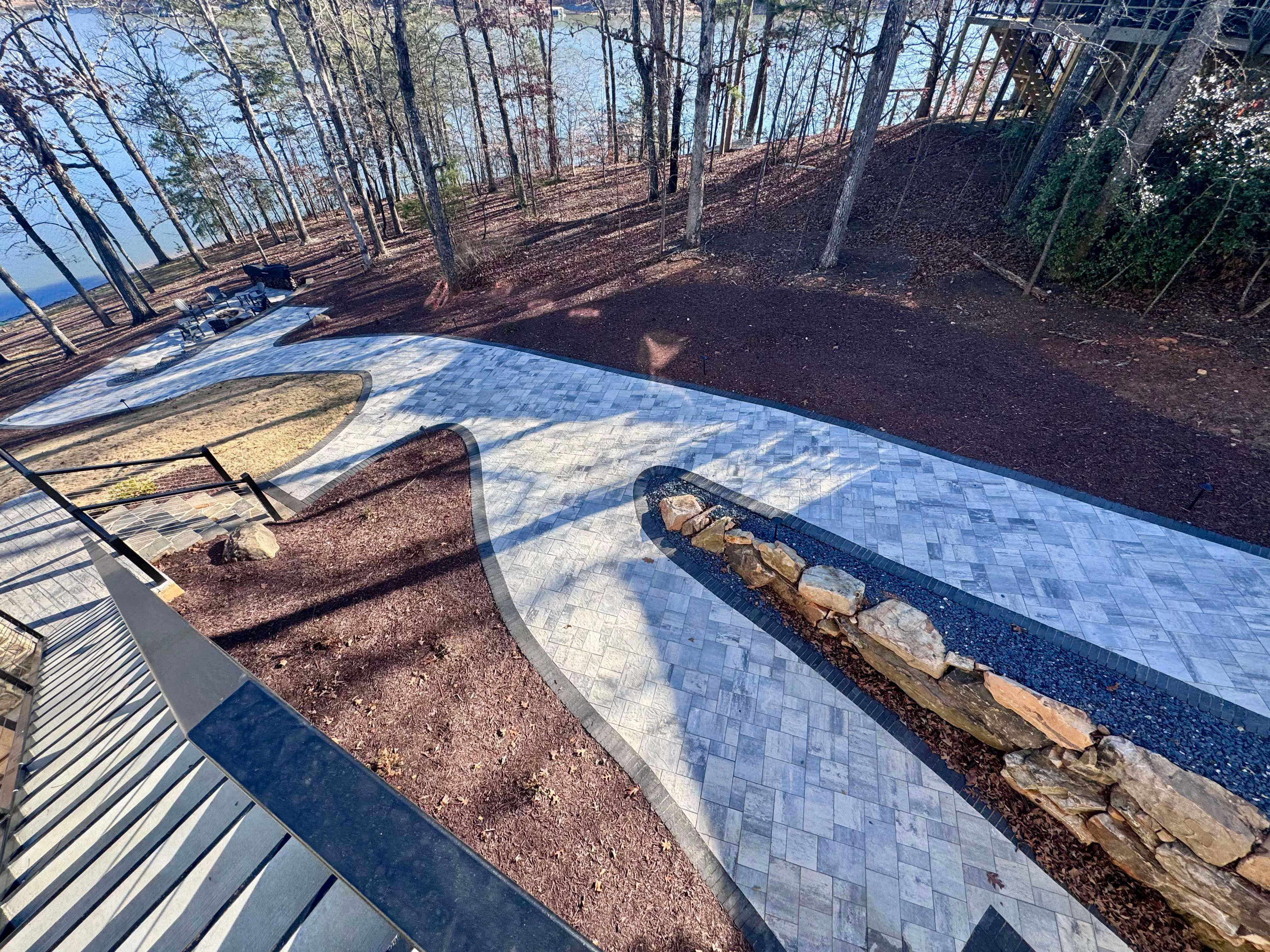
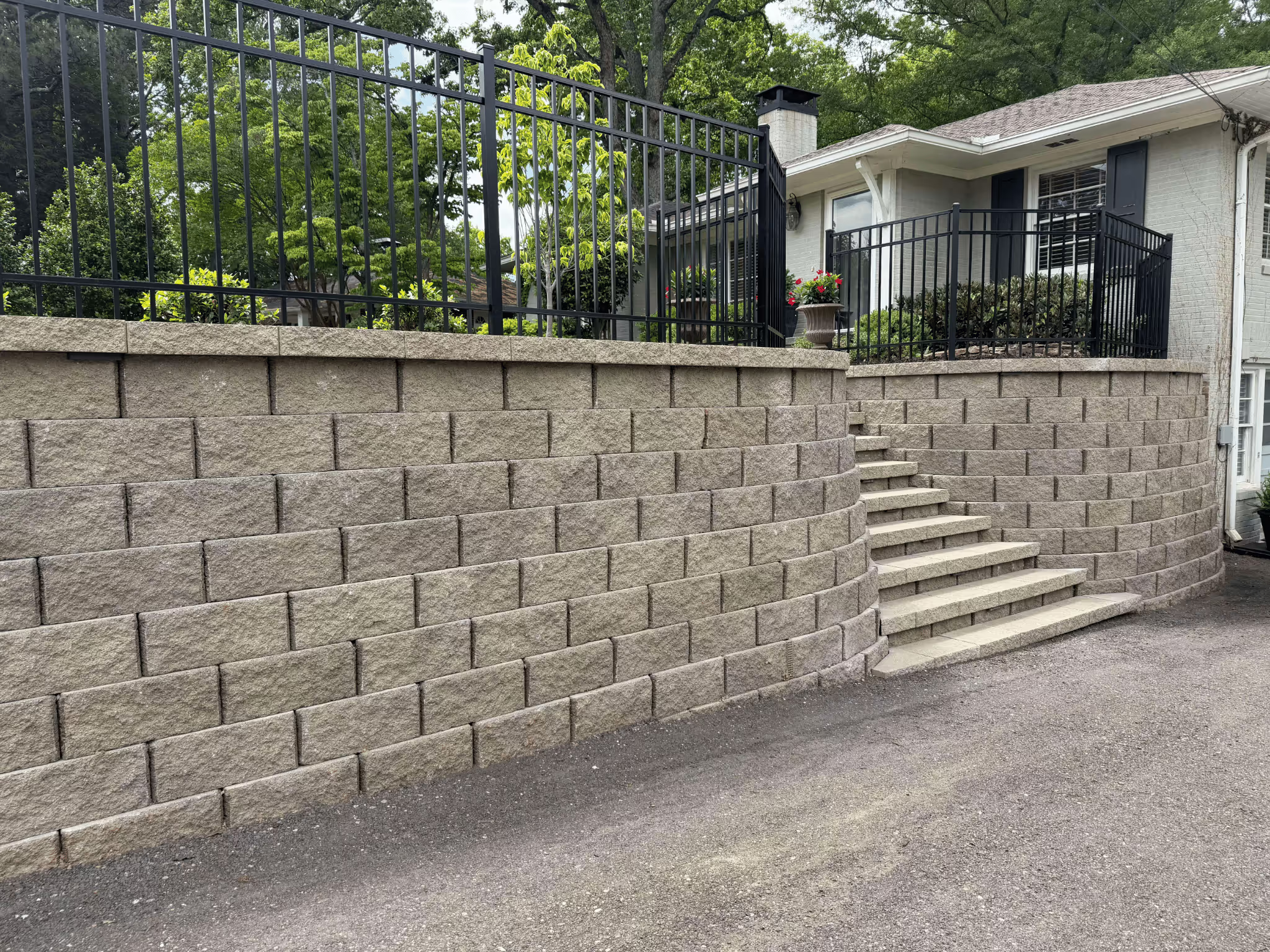
Grading and Drainage That Keep Landscapes in Check

Landscaping goes far beyond adding flowers, shrubs, and trees to your yard. Grading and drainage are foundational elements that play a significant role in maintaining the health and integrity of your landscape. Without proper grading and drainage systems, even the most beautiful gardens can quickly become a soggy, eroded mess. When designed correctly, however, these systems keep water flowing where it should, protect plant roots, and prevent erosion, confirming your landscape stays lush and vibrant season after season.
The Importance of Proper Grading
Grading is the process of shaping the land to control water flow. Proper grading guarantees that water drains away from your home's foundation and other vital structures, preventing unwanted water damage. For landscapes, grading creates the ideal slope for water to flow through the yard, promoting healthy soil and plant life.
Without proper grading, water can pool in low spots or flow toward areas where it shouldn't, such as around your house. These water issues can cause structural damage, promote the formation of standing water that attracts pests, and contribute to soil erosion. On a smaller scale, poor grading can also lead to muddy patches, killing off your grass or garden plants.
Grading your landscape to the right slope helps manage water runoff, nourishing your garden while preventing damage. A slight slope of about two percent is ideal for water flow, meaning the ground should slope downward at roughly a quarter-inch for every foot of horizontal distance. The right grading helps direct water away from your home, foundation, walkways, and other structures while keeping it flowing into areas where plants benefit from the moisture.
Preventing Erosion with Effective Drainage
Effective drainage is equally important for the longevity of the landscape. Without proper drainage, excess water can create erosion, washing away valuable soil and damaging plant roots. Excess moisture also invites mold, fungi, and other unwelcome guests into your outdoor spaces. When designed with care, drainage systems remove excess water efficiently, keeping your landscape safe from these potential threats.
One of the most common drainage methods is installing French drains. These are trenches filled with gravel and a perforated pipe that directs water away from vulnerable areas. This system allows water to travel through the gravel, filtering it down into the pipe before being carried away to a safer location. French drains work well in areas with heavy rainfall or poor soil permeability, as they redirect water that would otherwise pool in low-lying areas.
Another valuable drainage tool is the dry well, which captures and slowly releases excess water back into the ground. These are particularly useful for redirecting runoff from impervious surfaces like driveways or patios, allowing water to be absorbed naturally without creating pooling issues.
Along with these drainage systems, simple techniques such as adding mulch to garden beds or installing permeable pavers can help slow water runoff and retain moisture in the soil. The goal is to create a landscape that gradually absorbs water, benefiting plants while avoiding flooding or erosion.
Soil Health and Root Protection
Proper grading and drainage do more than manage water flow—they also contribute to soil health and protect your plant roots. In areas with poor drainage, waterlogged soil can suffocate plant roots, making it difficult for them to absorb oxygen and nutrients. Grading the landscape to divert water away from plant beds helps avoid this issue, giving roots the room they need to thrive.
In well-drained areas, plants can establish deep roots that help them access water during dry spells. For plants that require extra moisture, grading and drainage can be adjusted to create areas that retain more water without becoming too soggy. This creates an environment where each plant has access to the right moisture levels, supporting growth and keeping your landscape looking healthy and vibrant.
Additionally, grading helps prevent soil erosion that would otherwise strip away valuable topsoil, the nutrient-rich layer that supports plant life. When water runs off improperly, it can carry soil away, leaving plants exposed to harsh conditions. Effective grading prevents this erosion by guiding water through appropriate pathways, giving soil time to settle and remain in place.
Protecting Your Home's Foundation
Water flowing toward your home's foundation is one of the most concerning issues a property owner can face. Water pooling around the base of your home can weaken the foundation, cause cracks, and even lead to basement flooding. While grading and drainage systems protect your plants, they also serve an essential function for the structure of your home.
A well-graded landscape slopes away from the house, directing water toward areas where it won't cause damage. You can even add features such as swales or berms to reinforce the slope, ensuring water travels safely away from your foundation. Berms—mounded areas of soil—can act as barriers, directing water away from areas where it could be problematic, while swales—shallow ditches—catch water and guide it toward drains or low areas that can absorb it.
By combining proper grading with effective drainage techniques, you reduce the risk of costly water damage to your foundation. These measures make a protective barrier around your home that helps prevent long-term structural issues.
Creating a Balanced Landscape
While grading and drainage systems are critical for protecting your property, they also contribute to creating a balanced and aesthetically pleasing landscape. When properly graded, your landscape will have smooth, natural contours that guide the eye across the space, providing visual interest without creating uneven or muddy patches.
Water is an essential element for plant growth, and with the right grading and drainage, you create an environment where your plants thrive. By carefully controlling water flow, you can tailor your landscape to the needs of different plant species, promoting lush lawns, vibrant flower beds, and healthy trees. Proper drainage keeps your soil loose and healthy, encouraging deep root growth that strengthens plants and keeps them vibrant.
Over time, a properly graded and drained landscape will be more resilient to heavy rains, droughts, and seasonal changes. Your plants will thrive, your home will stay protected, and your outdoor space will look its best all year long. Investing in these foundational elements means investing in the longevity and beauty of your landscape.
Final Thoughts on Grading and Drainage
Grading and drainage are essential aspects of landscape design that serve both functional and aesthetic purposes. When done correctly, they help protect your property from water damage, support plant health, and create a landscape that's visually appealing and sustainable. By taking the time to grade your land properly and implement an effective drainage system, you can address water issues before they become a problem, keeping your outdoor space healthy and your home safe. Whether you're facing a sloped yard, excessive rainfall, or drainage concerns, a thoughtful approach to grading and drainage will help keep your landscape in check and looking its best for years to come.
Create an inviting and functional outdoor space in Gainesville, Georgia, with Rooted Landscape Management. Ours is a family-owned and operated company offering plant installation, irrigation systems, grading, and drainage solutions. We take pride in our work quality and have a strong reputation in the community for our honesty and transparency. Call us and get free estimates within two business days.