
Why Segmental Retaining Walls Are Popular in Gainesville, GA
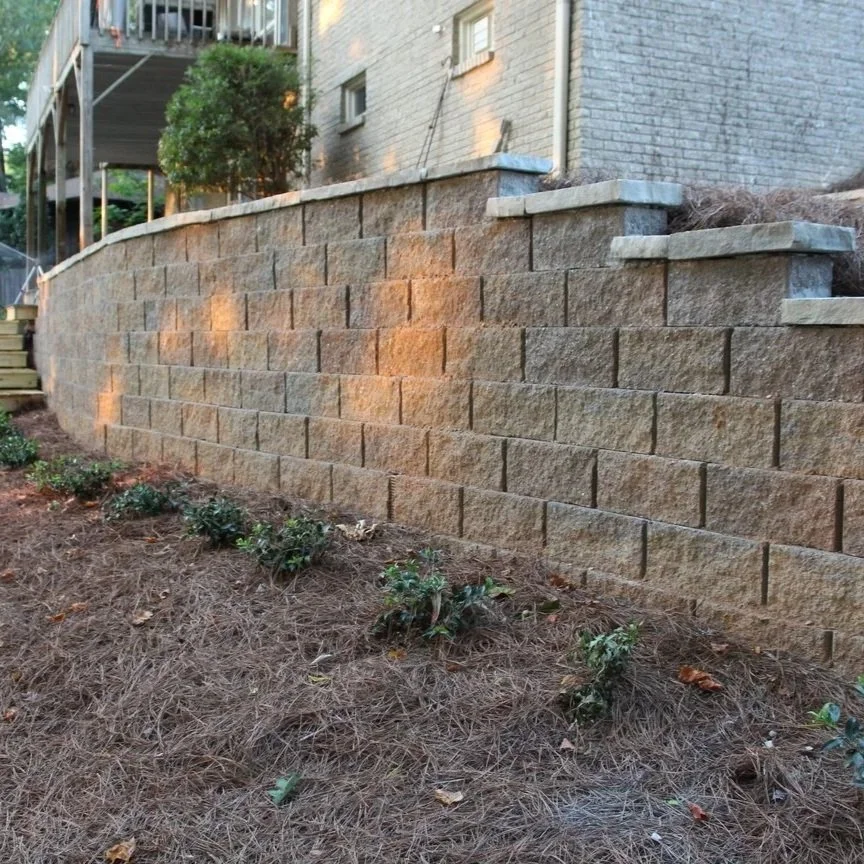
Segmental retaining walls offer a durable and aesthetically pleasing solution for managing the rolling, sloped terrain common in Gainesville, GA.
Gainesville, GA, sits at the edge of the North Georgia foothills, where rolling terrain, wooded slopes, and proximity to Lake Lanier shape both the beauty and the challenges of local landscapes. Many properties feature sloped yards, elevation changes between neighbors, or drop-offs toward the lake and surrounding waterways. These conditions create great opportunities for scenic views and layered outdoor spaces, but they also introduce erosion risks and make it harder to create flat, usable areas. As Gainesville continues to grow with new neighborhoods, renovations, and outdoor living upgrades, retaining walls have become a common and necessary feature across the area.
Segmental retaining walls have emerged as one of the most popular solutions for these conditions. They strike a balance between structural performance and visual appeal, offering a modern alternative to older timber or plain poured concrete walls. For homeowners, builders, and commercial developers in Gainesville, these systems provide flexibility, durability, and design freedom that fit well with North Georgia’s terrain and climate.
What Are Segmental Retaining Walls?
Segmental retaining walls are built from interlocking modular blocks, typically made of high-strength concrete designed specifically for retaining applications. Unlike traditional masonry walls that rely on mortar, segmental walls are dry-stacked. Each block locks into the one below it using a built-in lip, pin system, or connector, creating a stable structure through mass, friction, and geometry. This construction method allows the wall to manage soil pressure effectively while tolerating minor movement without cracking.
These systems are highly versatile. Small segmental walls can be used to terrace gardens or define planting beds, while larger walls can be engineered with reinforcement to support driveways, patios, and even building pads. This range of applications makes them well-suited to Gainesville’s mix of residential, commercial, and lakefront properties. Understanding how these walls work helps property owners make better decisions about safety, cost, and long-term performance.
At a basic level, segmental walls consist of modular blocks, cap units, and specialty pieces for corners, curves, and steps. The blocks are manufactured to withstand outdoor exposure and are often textured to resemble natural stone or to create a clean, architectural look. Color blends are common, helping the wall fit naturally into wooded lots, suburban neighborhoods, or lakefront settings. Because the blocks are uniform and engineered, the finished wall looks consistent and intentional, even on complex layouts.
How They Achieve Structural Stability
Structural stability comes from the interlocking system and proper installation. Each course of block steps back slightly, creating a subtle backward lean that improves resistance to soil pressure. The dry-stacked design means the wall can flex slightly with soil movement, an important advantage in areas with clay-heavy soils and changing moisture levels. In Gainesville, where red clay and mixed soils are common, this tolerance for minor movement helps prevent the cracking often seen in rigid walls.
Drainage is another reason segmental retaining walls perform well locally. Water pressure is one of the leading causes of retaining wall failure, especially in regions with frequent rain. Segmental walls are designed to work with gravel backfill, perforated drain pipes, and filter fabric to move water away from the wall face. Small gaps between blocks also allow moisture to escape, reducing hydrostatic pressure. In Gainesville’s storm-prone climate, these drainage features are not optional; they are essential for long-term stability.
For taller walls or those supporting heavier loads, segmental systems can be reinforced with geogrid. Geogrid is a mesh-like material installed in layers behind the wall and extended into the soil. It creates a reinforced mass of soil that works together with the block face to resist earth pressure. Many of the larger walls seen in Gainesville’s hilly neighborhoods or along sloped driveways rely on geogrid and engineered designs to meet safety and code requirements.
Why They Work So Well in Gainesville
Local topography plays a major role in why these walls are so common. Gainesville’s uneven terrain often leaves homeowners with sloped backyards, challenging driveway grades, or limited flat space for patios and lawns. Segmental retaining walls allow these slopes to be terraced into usable levels, transforming hard-to-maintain hillsides into functional outdoor areas. This is especially valuable near Lake Lanier, where properties frequently slope toward the water and require stabilization to prevent erosion.
Soil conditions further reinforce the appeal of segmental systems. Red clay soils retain water and exert significant pressure on walls if drainage is poor. Segmental walls, when properly built, manage this pressure more effectively than timber walls, which can shift, rot, or fail over time in wet soil. The modular nature of segmental walls also makes them adaptable to rocky subsoils, which are common in parts of North Georgia.
Climate is another factor. Gainesville experiences steady annual rainfall, seasonal storms, and occasional heavy downpours that generate significant runoff. Segmental walls are well-suited to these conditions because their drainage design helps relieve water pressure and redirect runoff in a controlled way. They also handle freeze-thaw cycles better than some rigid systems. While winters are mild, temperature swings still occur, and concrete segmental blocks are designed to resist cracking and surface damage from these cycles.
Design Flexibility and Curb Appeal
Aesthetics also play a large role in their popularity. Segmental retaining walls are available in a wide range of colors and textures that complement North Georgia’s natural surroundings. Earth tones, grays, and blended hues work well with wooded lots, stone accents, and traditional Southern architecture. The modular design allows for curves, terraces, and multi-level layouts that follow the land’s contours instead of forcing straight lines onto rolling terrain.
These design possibilities make segmental walls especially attractive for outdoor living spaces. Homeowners in Gainesville often use them to frame patios, create built-in seating, integrate steps, or define garden areas. A retaining wall might also serve as a backdrop for landscaping or a transition between different yard levels. Around pools and lakefront areas, segmental walls help manage grade changes while maintaining a cohesive, polished look.
Installation, Cost, and Long-Term Value
Structurally, segmental retaining walls offer significant advantages. They can be engineered to support a wide range of heights and loads, from small garden walls to large commercial installations. Their flexibility allows them to accommodate minor settlement without visible damage, which is valuable in Gainesville’s variable soils. Manufacturer-supported engineering data also helps designers and contractors create walls that meet safety standards and local codes.
Installation and repair are more straightforward compared to many traditional systems. Because they are dry-stacked, there are no mortar joints to crack, and construction can proceed efficiently. The modular units allow installers to make on-site adjustments for curves, trees, or unexpected conditions. If damage occurs, individual blocks can often be replaced without dismantling large sections of the wall, reducing repair costs and disruption.
Cost is another reason for their popularity. While segmental retaining walls are not always the cheapest upfront option, they often fall in the middle range compared to timber or poured concrete. Their durability and low maintenance needs make them cost-effective over time. In Gainesville, where humidity and rainfall shorten the lifespan of timber walls, many homeowners see segmental systems as a better long-term investment.
These walls also add value. By creating usable outdoor space, improving curb appeal, and stabilizing slopes, segmental retaining walls can make properties more attractive to buyers. Real estate listings often highlight terraced yards, patios, and landscaped slopes as selling points, especially on lots with challenging terrain.
Environmental and Community Benefits
Environmental benefits further support their use. Segmental walls help control erosion, reduce sediment runoff into streams and Lake Lanier, and support stormwater management when combined with proper grading and vegetation. Many systems can incorporate plantable terraces or adjacent landscaping, creating green spaces that stabilize soil and enhance biodiversity. Unlike pressure-treated timber, concrete blocks do not rely on chemical preservatives, reducing potential environmental concerns.
Across Gainesville, segmental retaining walls are used in a wide range of residential and commercial applications. Homeowners terrace steep backyards, create level patio areas, and stabilize driveways. Builders and developers use them for subdivision entrances, parking lot embankments, and commercial landscapes. Municipal projects rely on them for parks, trails, and public spaces where durability and safety are essential.
Local regulations and best practices also support their adoption. Many segmental wall systems come with standardized engineering data that streamlines permitting and inspection processes. Local engineers, contractors, and inspectors are familiar with these systems, which helps projects move forward smoothly. For property owners, this familiarity reduces uncertainty and improves confidence in the final result.
Making the Right Choice
Choosing the right segmental retaining wall system starts with understanding the site. Slope, soil, drainage, and intended use all influence wall height, reinforcement needs, and design. Clear goals, realistic budgeting, and coordination with other landscape elements help ensure a cohesive result. Maintenance is relatively simple, but regular inspections, vegetation management, and keeping drainage outlets clear are important, especially after major storms.
Segmental retaining walls make sense for Gainesville, GA, because they are engineered to handle the area’s terrain, soils, and weather while offering design flexibility and long-term value. They provide a durable, attractive way to manage slopes, control erosion, and create usable outdoor spaces that fit the region’s character. When designed and installed correctly, they become both a structural asset and a defining feature of the landscape.
FAQs
With proper installation, drainage, and maintenance, segmental retaining walls can last for decades. High-quality concrete blocks are well-suited to North Georgia’s humidity and rainfall, making them a long-term solution.
Permits and engineering are often required for taller walls, walls near property lines, or walls supporting driveways or structures. Property owners should check with the City of Gainesville or Hall County and consult professionals when needed.
Segmental walls usually fall in a mid-range cost category. They may cost more upfront than timber but often less than poured concrete, while offering better durability and lower maintenance over time.
Small, non-load-bearing garden walls may be suitable for experienced DIYers who follow manufacturer guidelines. Taller or load-bearing walls should always involve professionals to ensure safety, drainage, and code compliance.
