
Why Drainage And Hardscape Work Go Hand In Hand
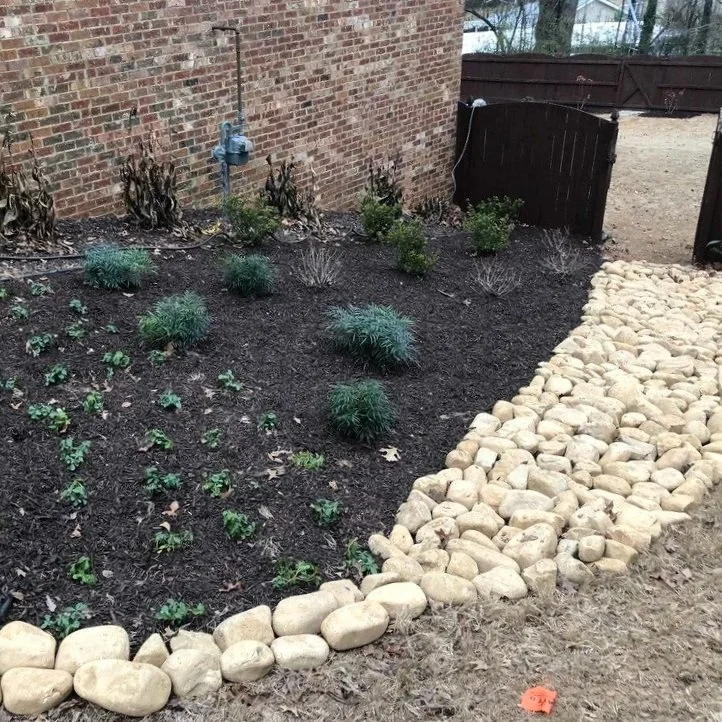
Puddles, pooling, erosion, and shifting surfaces are all signs that something important was overlooked beneath the surface.
Hardscape features may steal the show with their sleek lines and sturdy presence, but without proper drainage, their performance can go downhill fast—sometimes literally. Water has a funny way of reminding people what happens when it’s not invited to leave politely. Puddles, pooling, erosion, and shifting surfaces are all signs that something important was overlooked beneath the surface.
Hardscaping without drainage planning is like building a beautiful house without a roof. It might look amazing—until the rain comes. That’s why drainage and hardscape work best as a package deal, not a game of follow-the-leader. When designed and installed together, they create outdoor spaces that are both attractive and built to last.
Hidden Work That Holds Everything Together
Water rarely takes the straight path. It finds the weak spots and quietly claims them over time. Without proper grading, runoff can undermine patios, warp paver joints, and turn walkways into surprise slip zones. The solution is rarely as simple as sloping things and calling it a day.
Integrated drainage features—like French drains, dry wells, and channel systems—act as behind-the-scenes problem-solvers. These elements move water away from hardscape surfaces and into areas where it won’t wreak havoc. Done right, they stay out of sight but make all the difference in performance.
It’s not just about avoiding damage. Thoughtful drainage planning supports the integrity of the entire yard. Lawns stay healthier, plants thrive without drowning, and water doesn’t sneak into basements or crawlspaces looking for trouble. The ground holds steady, even through heavy rain, and patios stay level year after year.
The Dance Between Slope And Surface
There’s an art to designing a hardscape that sheds water while still looking polished. Too much slope and furniture starts to lean. Too little, and puddles stick around like unwanted guests after a party. Precision is key, especially with large paver patios and stone features that need to drain without drawing attention to it.
The angle of the surface, the spacing between stones, and the materials underneath all play a role. Permeable pavers add another layer of flexibility, letting water pass through instead of washing over. These smart systems reduce runoff while still delivering a clean, modern look.
Jointing compounds also deserve a little spotlight. High-quality options lock pavers in place while allowing just enough porosity to keep water moving. No one sees the grains of sand between stones, but they quietly protect the hardscape from shifting and sagging.
Stormwater, Soil, And The Big Picture
Every yard has a personality. Some soak up water like a sponge, while others shed it like a waxed car. Soil type, slope, existing vegetation, and even nearby structures shape how stormwater behaves. That’s why cookie-cutter solutions rarely work long-term. A backyard on clay soil with a walkout basement needs a completely different drainage plan than a flat lawn on sandy ground.
Hardscape elements can either work with the land or fight it. When they work together, the result feels natural and grounded. Paths follow the land’s contours instead of battling gravity. Patios stay dry without gutters or gimmicks. Walls redirect water rather than block it in frustration.
Adding in plantings as buffers takes things up a notch. Rain gardens, mulch beds, and native shrubs help absorb excess water while adding texture and color. When planned alongside the hardscape, they become part of the drainage strategy, not an afterthought.
Combined Services Create Smarter Landscapes
One of the biggest advantages of working with a team offering combined services is coordination. Drainage experts and hardscape designers speak the same language and collaborate from the start. That means no awkward pauses on-site when someone realizes the new patio directs water straight into the flower beds—or worse, the basement.
The process flows more smoothly when everyone shares the same plan. Instead of one crew laying pavers and another trying to work around them later, everything is integrated. Trench drains are embedded during construction. Gravel layers are placed with both support and filtration in mind. Every layer is part of a system rather than a series of guesses.
Clients benefit from fewer surprises and a shorter project timeline. More importantly, the results last longer. When drainage and hardscape solutions are installed by one cohesive team, the finished space is more than just attractive—it works quietly in the background, rain or shine.
Less Drama, More Durability
Water has no respect for aesthetics. It doesn’t care how beautiful a patio is—it’ll find the weak point and start causing trouble. Proper drainage keeps hardscape features from developing costly issues like heaving, settling, or surface staining.
Freeze-thaw cycles become less of a concern when water isn’t trapped beneath pavers. Slippery moss and mildew can’t take hold if water flows freely. Even during downpours, outdoor spaces remain usable and clean. Instead of worrying about maintenance or repairs, homeowners can actually enjoy their investment.
Subtle Features With Big Impact
Not every drainage solution looks like a drainage solution. When designed well, they blend in beautifully. Channel drains can be tucked between patio slabs. Decorative gravel swales double as dry streambeds. Catch basins can hide beneath potted plants or seating walls. Everything works together without shouting for attention.
Even grading can be invisible to the untrained eye. A patio that appears perfectly flat might have just enough pitch to send water where it belongs. That quiet precision makes a world of difference. Visitors won’t notice the slope—but they will notice a space that stays clean and functional.
Long-Term Thinking From The Start
Designing with drainage in mind doesn’t mean compromising on style. It means laying a solid foundation that supports the design vision for years to come. No one wants to rebuild a patio because the ground shifted or water kept pooling after every rain. Planning ahead creates a space that looks just as good after five years as it did on day one.
Smart drainage also protects surrounding features. Fences, decks, and lawns benefit from reduced water exposure. Trees and shrubs thrive in stable soil. Even driveways and walkways nearby show fewer signs of wear when water is properly managed.
The best outdoor spaces look great and work hard. Every stone, slab, and slope has a job to do. With the right planning and execution, hardscape features become more than just visual focal points—they become durable, functional parts of a well-balanced landscape.
The Quiet Power Of Thoughtful Design
When hardscape and drainage work together, there’s a sense of ease to the space. Everything feels purposeful. Water moves where it should. Surfaces stay level. The yard invites use, no matter the weather.
For homeowners dreaming of a beautiful, low-maintenance backyard, choosing a contractor that offers combined services makes all the difference. One crew, one vision, one plan—less risk, more reward. And in the world of landscaping, that’s about as close to harmony as it gets.
Hardscape Drainage FAQs for Long-Lasting Outdoor Design
Why is drainage important for hardscape installations?
Drainage prevents water from collecting around patios, walkways, and retaining walls. Without proper water management, moisture can cause pavers to shift, joints to weaken, and surfaces to settle unevenly over time. A well-designed drainage system moves water away from hardscape features, protecting both the structure and the surrounding landscape. It also helps reduce long-term maintenance and costly repairs.
What types of drainage systems are commonly used with hardscape?
Several drainage solutions are often integrated into hardscape projects, including French drains, channel drains, dry wells, and catch basins. These systems work together to collect, redirect, and disperse water safely away from hard surfaces. The right combination depends on factors like slope, soil type, and the layout of the outdoor space.
Can hardscape surfaces be designed to help with drainage?
Yes, surface design plays a major role in water management. Hardscape areas are usually built with subtle slopes that guide water away from structures. Permeable pavers can also be used to allow water to filter through the surface rather than running across it. Proper base layers and jointing materials further support effective drainage.
How does soil type affect drainage planning in landscaping projects?
Soil composition influences how quickly water absorbs into the ground. Clay-heavy soil tends to hold water, which can lead to pooling and runoff, while sandy soil drains faster. Because of these differences, drainage systems and grading plans are often customized to match the specific conditions of the property.
Is it better to plan drainage and hardscape work at the same time?
Planning both together creates a more reliable and long-lasting outdoor space. When drainage systems are installed during hardscape construction, features like drains, gravel bases, and grading can be built directly into the design. This integrated approach improves performance, reduces installation complications, and helps the entire landscape function as one coordinated system.
Rooted Landscape Management is a high-quality landscape management company in Gainesville, Georgia. Our comprehensive landscape skills include landscape design and construction, landscape maintenance, sod installation, and landscape lighting. We also offer hardscape design and installation services. Call us today!
