
Upgrade Your Fire Pit with a Built-In Grill
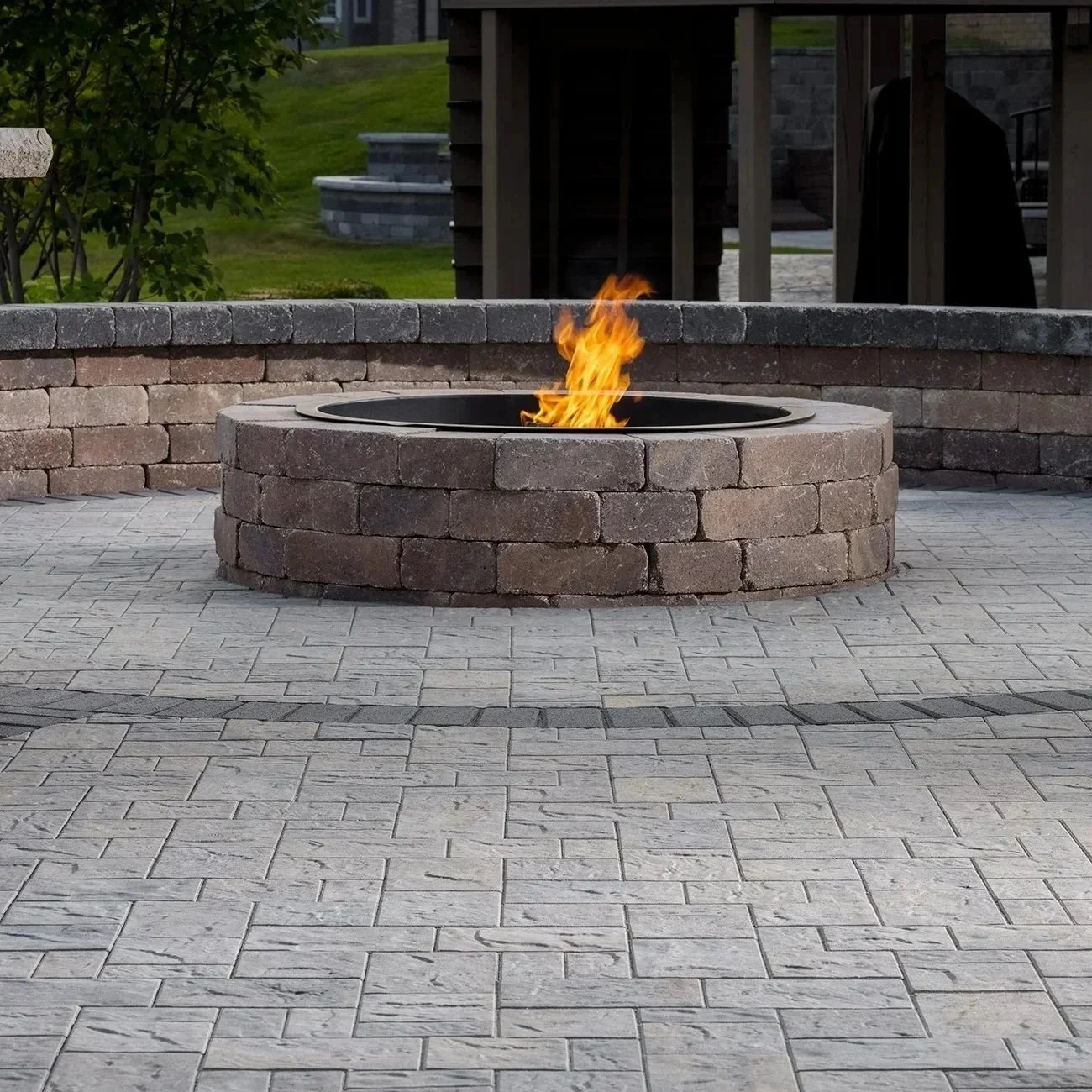
Upgrade your backyard with a fire pit that doubles as a grill for cooking, entertaining, and cozy evenings outdoors.
Why Upgrade Your Fire Pit
A fire pit with a built-in grill transforms a simple backyard feature into a multifunctional hub for cooking, entertaining, and relaxing. The flicker of flames naturally draws people together, creating an inviting space for conversation and connection. Adding a grill takes this a step further, allowing you to cook meals right where the ambiance is strongest. You can sear steaks, roast vegetables, or smoke meats without leaving the comfort of your backyard. This combination not only enhances your evenings but also extends the usability of your outdoor space into cooler months, making weeknight dinners, weekend gatherings, and seasonal celebrations more enjoyable.
Beyond simple functionality, a built-in grill elevates your outdoor design. Unlike standalone fire pits or freestanding grills, a well-integrated setup saves space and creates a cohesive, visually appealing backyard layout. It allows for seamless integration of seating, prep areas, and storage, all in one central location. High-quality installations offer consistent cooking temperatures, easier cleanup, and potential upgrades such as rotisseries, adjustable grates, or modular cooking surfaces. These features enhance both convenience and home value, making the investment not only practical but also aesthetic and long-lasting.
Assessing Your Fire Pit and Planning Your Upgrade
Before adding a grill, carefully evaluate your existing fire pit. Check the structure, wall height, base stability, and diameter to ensure it can safely support a grill insert. Location is critical: maintain safe distances from your house, trees, overhead structures, and walkways. Consider wind patterns, smoke travel, and neighbors’ sightlines to prevent unwanted disturbances. Safety comes first, so inspect for crumbling masonry, rusted components, or inadequate fireproof lining. Additionally, verify local building codes, HOA rules, and fire regulations. For older pits or gas-equipped systems, a professional inspection is highly recommended.
Next, decide whether to retrofit or rebuild. Retrofitting is faster and often more budget-friendly, but it can limit design flexibility. It typically involves adding a removable grill insert to your existing pit without major structural changes. Rebuilding, on the other hand, allows for optimal layout, custom features like prep counters, storage compartments, or built-in seating, and better integration with your backyard design. Plan for necessary utilities such as Gas, electricity, or water access, and consider features for cleaning and maintenance, like removable grates or side clean-out panels. Thoughtful planning ensures both long-term safety and a more enjoyable cooking experience, avoiding costly mistakes down the line.
Choosing the Right Grill and Fuel
Built-in grills come in a wide variety of styles, from simple drop-in grates to fully embedded grill heads in masonry structures. Removable inserts provide flexibility and make cleaning easier, while permanent systems offer durability and high heat retention. Specialized options like Argentine-style grates, planchas, or modular systems allow for grilling, smoking, and open-fire cooking all in one structure.
Fuel choice impacts flavor, convenience, and safety. Gas provides quick ignition, precise heat control, and low-maintenance operation. Wood offers authentic smoky flavors and high heat for searing, but requires more attention to ash and sparks. Charcoal delivers versatile cooking and rich flavor but demands careful ventilation and monitoring. Hybrid setups, such as gas-assisted charcoal ignition, combine the convenience of Gas with the classic flavor of charcoal. Regardless of fuel type, always follow ventilation, clearance, and local code requirements to ensure safety.
When selecting your grill, prioritize durable materials like stainless steel or cast iron, adjustable grates, rotisserie capability, and grease management systems. Ensure the grill fits your pit’s dimensions and consider future upgrades to maximize cooking versatility. Accessories such as skewers, smoker boxes, griddle plates, and Dutch ovens expand your culinary possibilities while maintaining durability and performance. Investing in high-quality components ensures your fire pit grill performs reliably for years, while offering a diverse cooking experience.
Materials, Design, and Layout
Material selection is key for durability, safety, and style. Brick, concrete block, or natural stone provide heat resistance and structural stability, while fire bricks and metal liners protect the firebox, reflect heat efficiently, and reduce wear on outer masonry. For metal components, stainless steel, cast iron, or enameled steel provides longevity, rust resistance, and excellent heat retention. Countertops or caps made from granite, tile, concrete, or cast stone not only add prep space but also offer seating while handling heat and grease exposure.
Design is about both function and ambiance. Position the grill at a comfortable height above the fire, ensuring adequate horizontal clearance and, if possible, adjustable grates. Include seating at safe distances, side prep areas, and storage for fuel, utensils, and safety equipment. Consider lighting, shade, weather protection, and wind management to make your space usable in all seasons. Whether your style is rustic stone, modern concrete, or family-friendly layouts, integrating the grill with your outdoor environment ensures a cohesive, visually appealing space. Thoughtful design balances aesthetics with practicality, allowing your fire pit to be both a centerpiece and a fully functional cooking station.
Installation, Safety, and Maintenance
Decide whether to tackle the project yourself or hire professionals. DIY installation is possible for assembling kits, installing simple grates, or performing minor masonry adjustments. However, professional help is recommended for gas line installation, structural modifications, or larger custom builds. Proper ventilation, fire-safe clearances, and compliance with local codes are essential for safe operation.
Safety is paramount. Always follow lighting and extinguishing procedures, control flames, and maintain a “no-go” zone for children and pets. Keep essential safety gear on hand—fire extinguishers, gloves, fire blankets, and first-aid kits—and adjust your precautions for seasonal risks like high winds, dry conditions, or icy surfaces. Routine maintenance preserves performance and longevity: brush grates, safely dispose of ash, oil metal components, inspect masonry, and check gas lines for leaks. Periodic deep cleaning and seasonal inspections prevent rust, structural wear, and potential fire hazards, ensuring your fire pit grill remains both safe and enjoyable.
Cooking Techniques and Lifestyle Benefits
A built-in grill allows you to master both direct and indirect heat zones for versatile cooking. Direct heat is perfect for quick-cooking items like steaks, burgers, fish, or vegetables, while indirect heat works for roasts, whole poultry, or slow-cooked stews. Add wood chips or chunks to introduce smoky flavors and experiment with cast iron skillets or Dutch ovens for one-pot meals like stews, frittatas, or paella. The fire pit grill also supports entertaining: taco bars, kebab platters, and mixed grill spreads create interactive, social dining experiences.
Beyond cooking, a built-in grill enhances outdoor living and lifestyle. It provides warmth, ambiance, and a central gathering spot for friends and family. Thoughtful layouts allow your backyard to be used across seasons, from intimate family dinners to lively entertaining events. By combining quality materials, practical design, and versatile cooking options, your fire pit grill creates a hub of comfort, flavor, and social connection. It encourages spending time outdoors and adds value to both your home and your personal lifestyle.
Maintenance Tips for Longevity
To keep your fire pit grill in top condition, routine maintenance is essential. Clean grates after each use with a stiff wire brush to prevent buildup, and oil metal surfaces to prevent rust. Remove ash and debris after every fire, and inspect masonry for cracks or deterioration. If you have a gas system, check connections and hoses for leaks and ensure burners are clean and unobstructed. Cover the grill when not in use to protect it from rain, snow, and UV damage.
Seasonal maintenance is equally important. Inspect for wear or damage in spring and fall, checking fire bricks, metal liners, and gas components. Re-seal stone or concrete surfaces as needed, and clean prep areas thoroughly. Keeping accessories, tools, and fuel dry and organized not only preserves your equipment but also simplifies cooking and cleanup. Proper maintenance maximizes safety, performance, and the lifespan of your fire pit grill, ensuring years of enjoyable outdoor meals.
Enhancing Outdoor Ambiance
A built-in fire pit grill is more than a cooking tool—it’s a lifestyle upgrade. Lighting options, such as LED strips along seating areas or subtle pathway lighting, create a welcoming environment for evening gatherings. Integrated seating, weather protection like pergolas or retractable canopies, and side tables for drinks and utensils enhance usability and comfort. Windbreaks or screens help control smoke while maintaining views, and decorative stone or tile work can complement your home’s exterior.
Music, firewood selection, and ambient decor can further elevate the experience. For example, scented wood or embers, comfortable cushions, and strategically placed lighting can transform your backyard into a cozy retreat. Thoughtful additions make your fire pit grill an outdoor centerpiece for every occasion—from casual weeknight meals to festive parties. Combining culinary versatility with inviting ambiance maximizes both enjoyment and home value.
Conclusion
Upgrading a fire pit with a built-in grill creates a versatile, functional, and visually appealing outdoor centerpiece. Assess your existing pit, select the right grill and fuel, choose durable materials, and plan a thoughtful layout to ensure safety, performance, and long-term enjoyment. Regular maintenance, seasonal inspections, and proper cooking techniques enhance both flavor and longevity. Whether you retrofit an existing fire pit or integrate a full outdoor kitchen, this upgrade elevates your backyard lifestyle and adds home value, offering memorable gatherings and cozy nights around the fire for years to come.
FAQs
Many existing fire pits can be retrofitted with a grill insert if structurally sound and appropriately sized. Rebuilding is recommended for unstable pits or those requiring new features such as counters or integrated seating.
Gas offers the easiest control and lowest spark risk. Charcoal and wood provide rich flavor but require close supervision, proper ventilation, and careful ash management.
Permits may be required, particularly for gas lines or permanent masonry construction. Always check local building codes, fire regulations, and HOA rules before installation.
Use weather-resistant covers, seal masonry surfaces, maintain proper drainage, and store accessories in protected areas. Regular inspections prevent long-term damage and rust.
