
Top 10 Outdoor Fire Pit Styles for Gainesville Homes
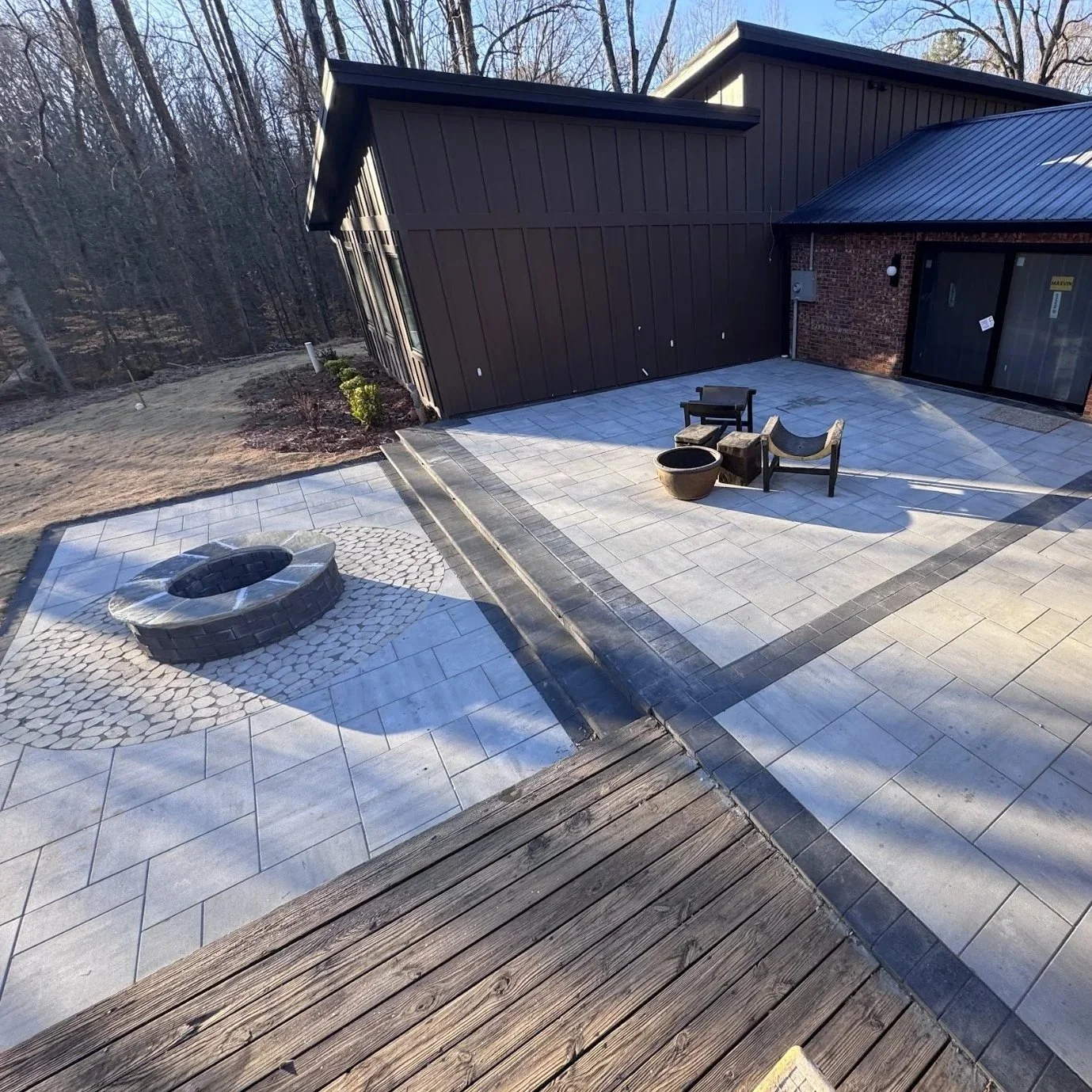
Outdoor fire pit in a Gainesville backyard, surrounded by seating, creating cozy ambiance for evening gatherings and social enjoyment.
Why Fire Pits Are Perfect for Gainesville Backyards
Gainesville homeowners know the appeal of spending evenings outside. With its warm, humid climate and mild winters, the city allows for nearly year-round outdoor living. A fire pit transforms your backyard into a cozy retreat for fall evenings, spring nights, tailgate gatherings, or casual weekend hangouts. Fire features extend your outdoor enjoyment into shoulder seasons when the air is crisp and the stars are bright.
From urban townhomes to suburban yards and semi-rural properties, fire pits bring ambiance, light, and a natural focal point for social gatherings. Gainesville lifestyles—whether family-friendly, student-centered, or outdoor-entertainment focused—benefit from a fire pit’s warmth and versatility. This guide will explore ten popular styles, helping you find the perfect fit for your home, yard, and budget.
Benefits of Adding a Fire Pit to Your Property
A well-designed fire pit does more than provide warmth. It encourages homeowners to spend time outdoors, creating a natural gathering spot for friends and family. Whether roasting marshmallows, enjoying a quiet evening, or hosting casual get-togethers, fire pits enhance both comfort and lifestyle. They also increase the visual appeal of patios and decks, adding a “destination” within your yard.
Practical advantages include improved lighting, a sense of security on dark evenings, and a clear anchor point for furniture arrangements. From compact city lots to expansive suburban backyards, fire pits provide flexibility in design while boosting your property’s perceived value. When chosen thoughtfully, they transform outdoor spaces into inviting hubs of relaxation and entertainment.
Key Factors Gainesville Homeowners Should Consider
Before choosing a fire pit, consider several local factors. Fuel type—wood, gas, or propane—affects convenience, cost, and maintenance. Size and scale must fit your yard while ensuring safe distances from structures and vegetation. Material selection is critical in Gainesville’s humid, occasionally stormy climate; rust-resistant metals, properly sealed stone, and drainage-friendly designs help extend longevity.
Homeowners should also evaluate HOA rules, city regulations, and neighborhood density. Some areas have limits on open flames, smoke, or gas lines. Later sections highlight each style’s ideal yard type, maintenance needs, and design flexibility, helping you identify the most suitable option.
Overview of the Top 10 Fire Pit Styles
This guide covers ten popular and practical styles for Gainesville homes:
Classic wood-burning bowl pits
Rustic stone fire rings
Modern gas fire tables
Smokeless fire pits
Built-in masonry pits
Portable metal and folding fire pits
Fire bowls and urn-style features
Chimineas
Sunken conversation pits
Multifunctional fire pit tables/combos
Each style includes insights on aesthetics, installation, ideal settings, and pros and cons, so you can compare options efficiently.
Classic Wood-Burning Bowl Fire Pits
The classic wood-burning bowl pit features a circular metal or stone bowl, often on a stand, with airflow openings or grates for a steady flame. Spark screens and removable grates are common. These affordable, easy-to-find pits deliver the traditional campfire experience, perfect for Gainesville patios or backyard corners.
Steel, cast iron, copper, and stone are ideal materials. Powder-coated or stainless steel resists rust, while cast iron retains heat longer. Placement should be on level, non-flammable surfaces, away from structures and low-hanging branches. Adirondack chairs or low benches complete the space. Routine ash removal, covering when not in use, and seasonal inspections prolong life and maintain safety.
Rustic Stone Fire Rings
Stone fire rings use natural stone, pavers, or manufactured blocks, often with metal liners. Permanent and heavier than portable options, they create a dedicated outdoor gathering zone that complements Gainesville’s leafy yards. DIY kits or custom masonry builds offer flexibility in design and budget.
Durable stone choices include limestone, flagstone, or fieldstone, blending with garden beds or patios. Proper placement avoids pooling water and ensures safety from overhanging trees. Seating options range from built-in benches to movable chairs. Maintenance includes clearing ash, inspecting liners and mortar, and protecting against moisture, which is especially important in Gainesville’s humid climate.
Modern Gas Fire Tables
Gas fire tables combine a clean-burning flame with functional tabletop surfaces. Propane or natural gas fuels offer instant ignition, adjustable flame height, and no smoke, ideal for patios, screened porches, or compact yards. Popular in modern homes, these tables double as dining or lounge furniture.
Materials like aluminum, steel, concrete, and tile suit various aesthetics. Decorative media—lava rocks, glass, or ceramic logs—enhances visual appeal. Safety requires proper clearances, ventilation, and stability, particularly during Gainesville storms. Maintenance includes wiping surfaces, covering when not in use, and occasional burner cleaning. Annual inspections ensure optimal function and safety.
Smokeless Fire Pits and Inserts
Smokeless fire pits use double-wall airflow to reburn smoke, offering a cleaner wood-burning experience. Standalone units are portable, while inserts upgrade existing fire rings. Hardwood fuels such as oak, hickory, or maple maximize performance.
Advantages include less smoke, reduced odor, and efficient burning, ideal for tight Gainesville yards. Downsides are higher cost and limited diameter. Cleaning involves ash removal, brushing vents, and storing under cover during storms. Proper setup delivers a near-smokeless fire, enhancing comfort without sacrificing the ambiance of a traditional flame.
Built-In Masonry Fire Pits
Masonry fire pits integrate into patios or hardscapes with brick, stone, or concrete. They can be wood-burning or gas-powered, with custom dimensions and optional seat walls. Built-in pits function as architectural focal points and elevate backyard aesthetics.
Design should complement existing patios and landscapes. Contractors assist with structural integrity, gas line installation, and permits. Wood-burning options provide classic charm, while gas allows instant control. Regular inspections for cracks, mortar integrity, and drainage management maintain durability and safety in Gainesville’s climate.
Portable Metal Fire Pits
Portable fire pits include lightweight bowls, folding grills, and collapsible platforms. Ideal for renters, students, or those with smaller yards, they offer flexibility in location and storage. Some models double as cooking pits, perfect for tailgating or casual outdoor meals.
Prioritize sturdy legs, heat-resistant finishes, spark screens, and ease of assembly. Always place portable units on non-flammable surfaces and maintain adequate clearance. Clean ash regularly, protect it from moisture, and use covers to prevent rust. Proper care extends life while maintaining safety and convenience.
Fire Bowls and Decorative Urn Fire Features
Fire bowls and urn-style features are sculptural, often gas-powered elements used as focal points. Bowls are shallow, while urns are taller, vase-like flames. Styles range from contemporary concrete to tropical or coastal pottery-inspired designs.
Placement around pools, patios, or entryways maximizes visual impact. Safety and clearances are crucial, especially near structures or water features. Maintenance includes cleaning media, wiping surfaces, and inspecting burners. Proper care preserves both beauty and functionality.
Chimineas
Chimineas are freestanding, front-loading fireplaces with bulbous bodies and chimneys. Traditionally, clay, modern options include cast iron or steel for durability. They radiate heat forward and contain sparks, suitable for smaller Gainesville patios.
Clay models require protection from rain and moisture, while metal offers longevity. Placement should allow airflow, stable surfaces, and safe clearances. Routine ash removal, occasional painting, and gradual curing extend lifespan and performance. Chimineas excel at ambiance and localized warmth rather than heating large yards.
Sunken Fire Pits and Conversation Pits
Sunken fire pits feature lowered fire areas or seating for an intimate, enclosed feel. Often permanent, they integrate benches, steps, and drainage systems to prevent water accumulation. Gainesville’s heavy rains make careful planning essential.
Materials include concrete, masonry, brick, or timber (used safely). Seating may be built-in or movable, with cushions for comfort. Lighting and handrails improve safety. Storm preparation involves covering pits, removing cushions, and inspecting for erosion. Sunken designs create visual drama but require ongoing attention.
Multifunctional Fire Pit Tables and Combos
Multifunctional fire pit tables combine fire with dining, coffee, or grill functions. Ideal for small patios or townhomes, these designs save space while offering versatility. Propane is common for convenience and cleanliness.
Options include grill combos for cooking, dining-height tables for entertaining, or coffee tables for lounging. Consider storage for covers and accessories. Safety involves allowing cool-down time before covering and proper supervision during use. Routine cleaning preserves surfaces and ensures reliable operation across multiple functions.
Choosing the Right Fire Pit Style for Your Gainesville Home
Start by assessing yard size, traffic patterns, and patio layout. Map potential locations, considering neighbor sightlines, indoor views, and natural features. Match the fire pit style to home architecture—modern, rustic, coastal, or minimalist—and tie outdoor furniture, textiles, and lighting into a cohesive design.
Budget for installation, fuel, and ongoing maintenance. Wood is often cheaper upfront but requires more care, while gas offers convenience. Factor in Gainesville’s humid climate, storm potential, and HOA or city regulations. Planning for future upgrades—like outdoor kitchens or gas conversions—helps maximize long-term enjoyment.
Fire Pit Safety, Maintenance, and Local Best Practices
Prioritize safety: never leave fires unattended, keep children and pets away, and maintain clear zones. Use kindling instead of accelerants, and fully extinguish fires before leaving. Monitor weather for storms, wind, and burn bans.
Routine cleaning, seasonal inspections, and checking gas systems or masonry integrity are essential. Protect surrounding surfaces, plants, and furniture from heat or sparks using pads, screens, and strategic placement. Proper care ensures a safe, enjoyable, and long-lasting outdoor fire feature.
Conclusion
Outdoor fire pits elevate Gainesville homes by extending usable living space, creating cozy gathering spots, and enhancing backyard aesthetics. From classic wood-burning bowls to multifunctional fire tables, these ten styles offer options for every yard, budget, and design preference.
The right choice depends on space, lifestyle, climate considerations, maintenance commitment, and safety needs. Thoughtful planning, careful installation, and regular care ensure years of enjoyment, relaxation, and memorable evenings around the fire with family, friends, and neighbors.
FAQs
Stainless steel, powder-coated metal, or sealed stone options handle humidity well. Ensure drainage and covers for extended durability.
Some neighborhoods and Alachua County areas require permits or HOA approval, especially for gas lines or permanent structures. Always check local regulations.
Wood-burning pits are cheaper upfront but require ongoing fuel and maintenance. Gas pits cost more initially but offer convenience, cleaner burning, and lower long-term upkeep.
Maintain at least 10–15 feet from structures, overhangs, and trees. Check local codes, and consider wind direction to prevent smoke or ember hazards.
