
The Benefits of Native Plant Landscaping for Retaining Walls in Gainesville
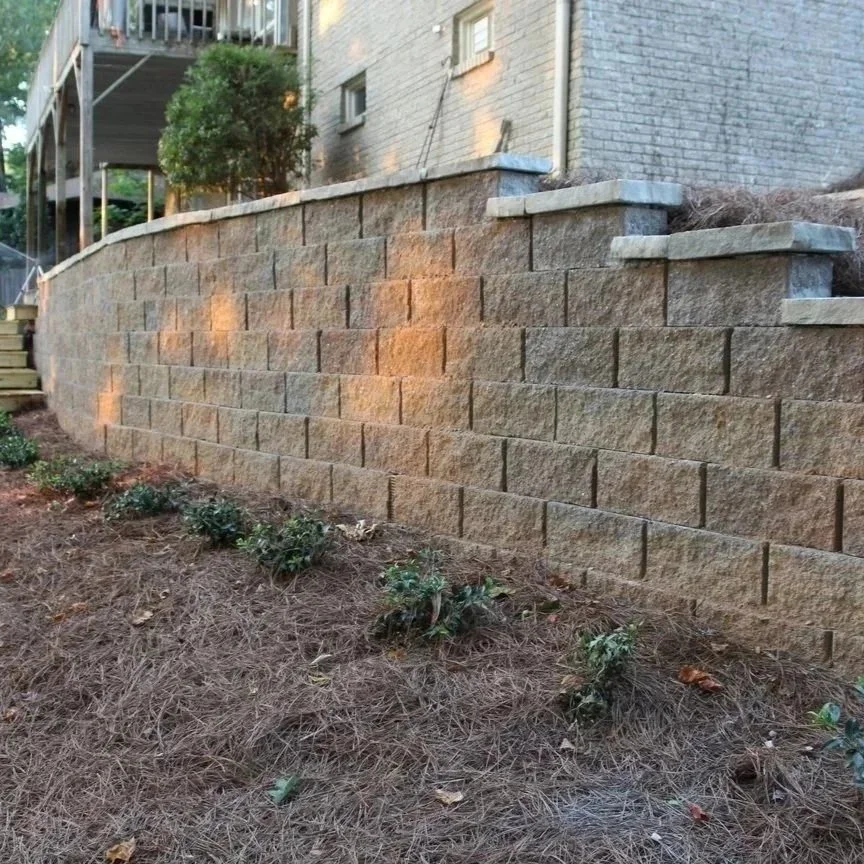
Utilizing native Gainesville flora on retaining walls prevents soil erosion while creating a low-maintenance, eco-friendly habitat for local wildlife.
Why Native Plants Matter for Retaining Walls in Gainesville
Gainesville’s humid subtropical climate, heavy seasonal rains, and varied soils create real challenges for retaining walls. Sandy soils can wash out quickly during storms, while clay-heavy areas hold water and place added pressure behind walls. Sloped yards amplify these issues, often leading to erosion at the top and bottom of retaining walls, soil shifting, and drainage problems that shorten the structure's lifespan.
Landscaping around a retaining wall is not just about looks. The plants you choose directly affect how water moves, how soil behaves, and how much stress the wall experiences over time. Native plant landscaping offers a practical solution that addresses these challenges while also improving the health and appearance of the surrounding landscape.
What Native Plant Landscaping Means for Retaining Walls
In the Gainesville and North Central Florida region, native plants are species that evolved locally and are naturally adapted to the area’s rainfall patterns, temperatures, soils, and pests. This is different from non-native plants introduced from other regions and from invasive plants that spread aggressively and disrupt local ecosystems.
When applied to retaining walls, native plant landscaping means intentionally using groundcovers, grasses, shrubs, and small trees above, below, and between walls. The goal is to create a living system that works alongside the wall by stabilizing soil, slowing runoff, improving drainage performance, and supporting local wildlife.
Gainesville’s Environment and Its Impact on Retaining Walls
Gainesville experiences long periods of heat and humidity paired with intense summer storms. These downpours can quickly saturate soil behind retaining walls, increasing hydrostatic pressure and contributing to erosion at the base. Native plants are well adapted to this cycle of heavy rain followed by warm, dry periods, helping soils absorb and release moisture more evenly.
Local soil conditions also vary widely. Sandy soils drain fast but erode easily, while clay soils hold water and expand when wet. Native plants suited to these conditions develop root systems that either bind loose soils or tolerate periodic saturation, making them ideal partners for retaining walls on Gainesville’s slopes.
How Native Plants Reduce Erosion Around Retaining Walls
One of the greatest benefits of native plants is their ability to control erosion. Many natives develop deep or fibrous root systems that physically hold soil in place. These roots knit soil particles together, reducing slumping and surface erosion both above and below retaining walls.
Native groundcovers and low-growing plants also protect soil from splash erosion caused by heavy rain. Their foliage intercepts raindrops and slows runoff, allowing more water to soak into the ground instead of racing toward the wall. When layered properly, taller plants, shrubs, and groundcovers create multiple levels of protection that significantly reduce erosion pressure.
It’s important to note that plants complement, but do not replace, proper wall design and drainage. Native plants enhance stability over time, especially after their root systems fully establish, which can take one to three growing seasons.
Water Management and Drainage Benefits
Native plants improve soil structure by increasing organic matter and creating channels for water infiltration. This reduces the volume and speed of runoff reaching the retaining wall. During Gainesville’s heavy rains, slowing water movement is critical for preventing washouts and undermining.
Around retaining walls, native plantings work alongside gravel backfill, drain pipes, and weep holes by absorbing excess moisture and helping move water through the soil profile. Moisture-tolerant natives can be placed near drainage outlets at the base of the wall, while drought-tolerant species thrive on upper slopes, creating a natural moisture gradient that supports the wall’s drainage design.
Lower Maintenance and Long-Term Cost Savings
Once established, native plants typically require far less irrigation than turf or exotic ornamentals. Because they evolved in Gainesville’s climate, they can usually rely on natural rainfall except during extreme drought. This reduces water bills, irrigation system use, and the risk of overwatering soils behind retaining walls.
Native plants also need less fertilizer and fewer chemical treatments. Healthier soil biology supports stronger root systems, which improve long-term erosion control. Maintenance usually consists of seasonal pruning, occasional mulching, and limited weeding, rather than frequent mowing or plant replacement.
Over time, these reduced inputs translate into meaningful cost savings. While installation costs may be similar to conventional landscaping, native plantings often last longer, perform better, and require fewer repairs or replacements.
Resilience and Survival in Retaining Wall Microclimates
Retaining walls create challenging microclimates with reflected heat, varied sun exposure, and wind. Native plants are far more likely to tolerate these conditions than many non-native ornamentals. They also tend to resist local pests and diseases, reducing the need for interventions that could wash into drainage systems.
After storms or temporary damage, native plants often recover quickly by re-sprouting or spreading, helping maintain continuous soil coverage. This resilience is especially valuable on slopes where bare patches can quickly turn into erosion channels.
Supporting Wildlife and Local Ecosystems
Native plant landscaping around retaining walls provides habitat for pollinators, birds, and beneficial insects. Many native pollinators rely on specific native plants for nectar and pollen, and layered plantings offer shelter and nesting opportunities.
Beyond individual properties, these plantings help preserve local plant genetics and reduce the spread of invasive species. Each native landscape contributes to a larger network of green spaces that support Gainesville’s broader ecosystem and water quality.
Aesthetic and Design Advantages
Native plants soften the hard edges of stone and concrete retaining walls, helping them blend naturally into the surrounding landscape. With thoughtful design, native plantings can provide year-round interest through blooms, foliage texture, fall color, and winter structure.
Native landscapes do not have to look wild or unstructured. They can be designed in clean, intentional patterns that suit both traditional and modern homes. Repetition, layering, and careful plant selection allow natives to complement existing yard styles while delivering functional benefits.
Practical Design Tips for Gainesville Retaining Walls
Successful native plant landscaping starts with site assessment. Understanding sun exposure, soil moisture, slope steepness, and drainage patterns ensures plants are matched to conditions they can handle. Grouping plants by similar water and light needs improves health and reduces maintenance.
Layering plants by height creates stability and visual balance, while leaving access paths allows for wall inspection and maintenance. Installation practices such as planting on contour lines, properly mulching, and consistently watering during establishment are essential for long-term success.
Working With Local Resources
Gainesville homeowners have access to excellent local resources, including the UF/IFAS Extension, native plant nurseries, and Florida Native Plant Society events. These organizations provide region-specific guidance, plant lists, and educational opportunities that can prevent costly mistakes.
For complex retaining walls or severe erosion issues, consulting landscape professionals or engineers familiar with native plants and local conditions can ensure that structural and ecological elements work together effectively.
Environmental and Community Benefits Beyond the Property
Native plant landscaping reduces stormwater runoff leaving the property, helping protect local creeks and waterways from sediment and pollutants. Vegetated slopes also reduce localized heat and improve air quality.
At the neighborhood level, attractive native landscapes enhance curb appeal and align with Gainesville’s broader sustainability goals. They demonstrate environmental stewardship while adding long-term value to the property.
Conclusion
Gainesville’s climate, soils, and rainfall patterns make erosion control and water management essential for retaining wall performance. Native plant landscaping offers a practical, site-appropriate way to stabilize soil, reduce runoff, and protect retaining walls over time. Deep-rooted groundcovers, shrubs, and small trees work together to support engineered drainage systems and moderate moisture levels.
Beyond structural benefits, native plantings lower maintenance costs, improve plant survival, and support local wildlife. With thoughtful planning and the use of local expertise, retaining walls in Gainesville can become resilient, attractive landscape features that serve both the property and the surrounding environment for years to come.
FAQs
Deep-rooted groundcovers, native grasses, and shrubs such as sunshine mimosa, frogfruit, yaupon holly, and beautyberry are commonly used for erosion control and stability in the region.
For most planting-only projects, a landscaper with native plant experience is sufficient. If the wall shows signs of failure or drainage issues, a professional evaluation is recommended.
Initial benefits appear quickly with mulch and plant cover, but full erosion control typically develops over one to three growing seasons as roots establish.
Native plants generally attract beneficial wildlife rather than problematic pests and often require less maintenance than non-native plantings when properly selected and placed.
