
Sod Installation Strategies for Greener Lawns Fast
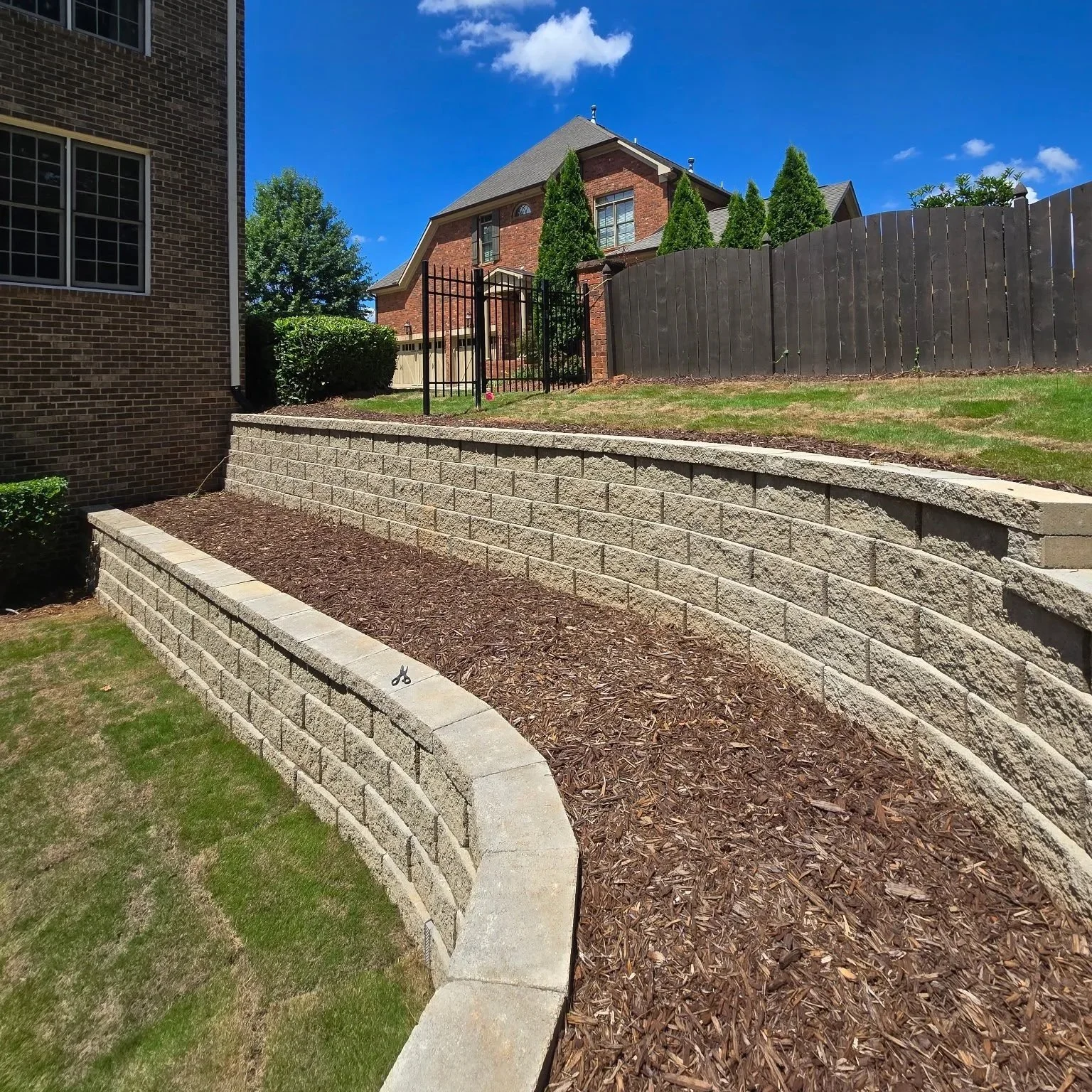
While the idea of laying sod might seem straightforward, some essential strategies can make all the difference in achieving a healthier, greener lawn.
When it comes to instituting a lush, green lawn, there's no quicker way than sod installation. It's a popular option for homeowners who want immediate results, and who wouldn't love the instant gratification of a thick, vibrant lawn? Sod provides a fresh start for your yard and can be an easy, yet effective solution to transforming your landscape. While the idea of laying sod might seem straightforward, some essential strategies can make all the difference in achieving a healthier, greener lawn. From preparation to maintenance, the steps you take before, during, and after installation can significantly impact the success of your new sod.
Choosing the Right Sod
Before diving into the installation process, picking the right type of sod for your climate and soil is crucial. Not all sod varieties are created equal, and choosing the wrong one can cause poor growth, browning, or even premature death of the grass. Different types of grass thrive in varying conditions, so it's important to consider factors such as temperature, sunlight, and moisture levels in your area.
For example, cool-season grasses, such as Kentucky bluegrass and fescue, are ideal for northern climates because they thrive in cooler temperatures. On the other hand, warm-season grasses such as Bermuda and Zoysia perform best in the hotter, sunnier climates of the southern states. The right sod type will make your lawn more resilient to weather conditions and reduce the amount of care required to keep it healthy.
Preparing the Ground
Preparation is pivotal to a successful sod installation. Without proper groundwork, even the highest-quality sod won't stand a chance. The first step is to remove any old grass, weeds, or debris from the area. This can be done with a shovel, hoe, or turf remover, but for larger areas, a sod cutter or a rented power tiller will save time and effort.
Once the surface is cleared, it's important to level the ground. Uneven surfaces can make water pool in certain areas, leading to uneven growth. Using a rake or a lawn leveler tool, smooth out the soil and fill in any low spots to create an even surface. The goal is to create a flat, uniform surface where your sod can settle and establish roots effectively.
Next, amend the soil if necessary. Testing your soil's pH can help you determine whether it's too acidic or too alkaline for your chosen grass type. If the soil's pH is off, consider adding lime to increase the pH or sulfur to lower it. You may also want to include organic matter, such as compost or peat moss, into the soil to boost its texture, drainage, and nutrient content. A healthy soil foundation gives your sod the best chance for success.
Installing the Sod
Once the soil is prepped and ready, it's time to install the sod. Begin by laying the sod along the longest straight edge of the area, such as a driveway or walkway, to create a clean, organized start. The pieces should be placed in a staggered pattern, similar to brickwork, to avoid seams aligning in a straight line. This technique helps the sod establish better coverage and prevents visible gaps.
It's vital to lay the sod as soon as possible after delivery to prevent it from drying out or becoming stressed. If you must wait before installing, be sure to keep the sod rolled up and water it regularly to keep it moist. Each piece of sod should be tightly butted up against the next, with no gaps between the seams. Gaps can lead to drying out or uneven growth, so make sure the edges meet seamlessly.
After laying the sod, it's time to thoroughly water it. Give the newly installed sod a good soaking to help it settle into the soil and begin rooting. Watering helps the sod establish a solid bond with the ground and also reduces the risk of drying out.
Caring for New Sod
After the sod is in place, proper care is essential for its long-term success. During the first few weeks, your sod will need frequent watering to stay hydrated and promote root development. Water deeply and consistently, but be careful not to overwater, as this can create root rot or fungus. A good rule of thumb is to water every other day for the first week, then reduce the frequency as the roots begin to establish.
To check if your sod needs water, lift a corner of the grass. If it feels moist, wait a day before watering again. If the sod feels dry and pulls away from the soil, it's time for a deep watering session. During the hotter months, you should water more frequently to prevent drying out, especially in areas with full sun exposure.
Fertilizing your new sod can give it a boost in the first few months. Use a balanced, slow-release fertilizer that is specifically designed for new lawns. A light application of fertilizer can promote strong root growth and overall health. Avoid over-fertilizing, as too much nitrogen can burn the grass and lead to uneven growth.
Mowing and Trimming
Once your sod has rooted and established itself in the soil (which typically takes two to three weeks), it's time to mow. Don't rush to mow too early—wait until the grass reaches a height of at least three to four inches. When mowing, be sure to keep your mower blades sharp, as dull blades can tear the grass and cause damage. Never cut more than one-third of the grass height at a time to avoid stressing the sod.
Regular mowing helps promote lateral growth, encouraging a thick, full lawn. Be sure to leave grass clippings on the lawn as mulch to help retain moisture and offer nutrients to the soil. For a neat, polished look, edge your lawn along walkways and flower beds to keep the boundaries crisp and well-defined.
Long-Term Maintenance
While sod installation provides a great start, ongoing care is pivotal for maintaining a healthy lawn. In addition to regular watering and mowing, you'll want to monitor for signs of pests or disease. Keep an eye out for yellow or brown patches, which could be a sign of overwatering, under-watering, or pest activity.
Aeration is also an important long-term maintenance step. After awhile, soil can become compacted, which restricts the movement of air, water, and nutrients to the roots. Aerating your lawn by creating small holes in the soil will help boost root growth and promote a healthier lawn overall.
Lastly, be sure to keep up with seasonal lawn care, including overseeding, dethatching, and applying appropriate fertilizers. Each season brings new challenges, and staying on top of your lawn's needs will keep it looking beautiful year-round.
Conclusion
Sod installation is one of the fastest ways to achieve a lush, green lawn, but success lies in proper preparation, careful installation, and consistent care. From choosing the right sod to laying it properly and nurturing it through the initial stages, every step matters. With the right approach, you'll have a vibrant lawn that increases the beauty of your outdoor space and stands the test of time.
