
Should You Build Your Own Retaining Wall or Hire a Pro in Gainesville, GA?
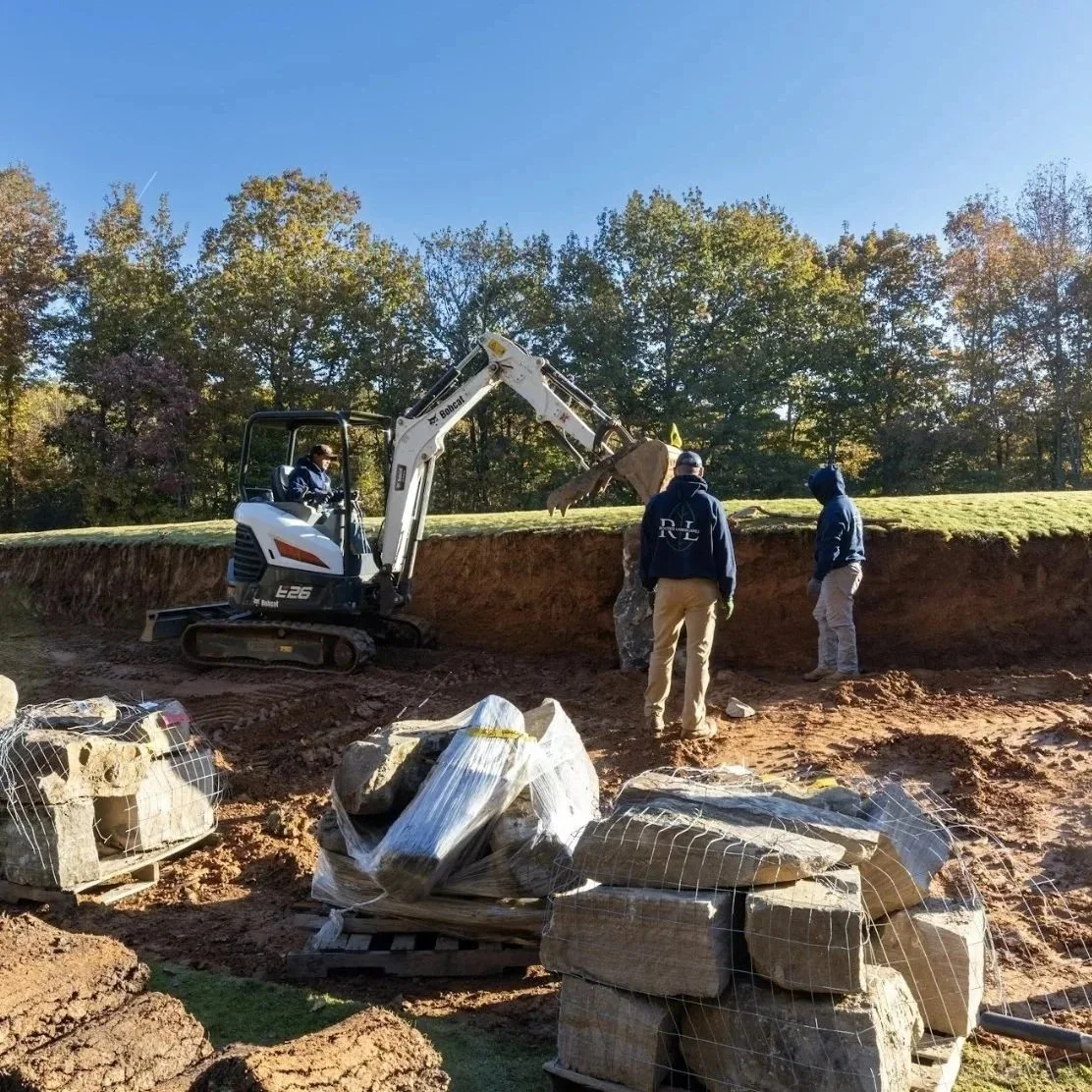
Deciding between DIY and hiring a pro? Expert installation ensures your Gainesville retaining wall survives Georgia’s red clay and rain.
Retaining Walls and Gainesville’s Unique Landscape
Retaining walls play a critical role in Gainesville, GA, where rolling terrain, sloped lots near Lake Lanier, and elevation changes in the foothills of the Blue Ridge Mountains are part of everyday life. At their core, retaining walls hold back soil, stabilize slopes, and help control erosion, but in Gainesville, they do much more. They influence how water moves across a property, protect foundations and driveways, and shape how usable a yard really is. A retaining wall is both a structural system and a landscaping feature, and the way it is built directly affects safety, durability, and property value.
Gainesville’s climate raises the stakes even higher. Heavy rainstorms, clay-rich soils that hold water, and occasional flooding mean retaining walls must handle significant pressure over time. A poorly built wall can bow, crack, or fail outright, leading to erosion, washouts, or damage to nearby structures. Deciding whether to build your own wall or hire a professional is not just a design choice; it is a long-term investment decision that affects maintenance costs, liability, and peace of mind for years to come.
DIY vs. Hiring a Pro: What This Guide Helps You Decide
This guide is designed to help Gainesville homeowners objectively weigh whether a retaining wall project makes sense as a DIY build or whether hiring a local professional is the better path. It looks at costs, skill requirements, time investment, materials, drainage, permitting, and risk, all through the lens of North Georgia conditions. Whether you are planning a new wall, replacing a failing one, or reshaping your landscape to manage slopes, we aim to help you choose the option that best fits your property and abilities.
There is no universal answer. Some retaining walls are realistic DIY projects, while others demand professional design and construction. By understanding your soil, slope, budget, and personal skill level, you can make a confident, informed decision for your Gainesville property.
Understanding Gainesville’s Soil, Slope, and Climate
Gainesville and much of North Georgia are known for red clay soils. These soils have low permeability, hold moisture, and expand and contract as they get wet and dry. Behind a retaining wall, that behavior translates into higher lateral pressure, especially after heavy rains. Without proper drainage and base preparation, clay soils can push walls outward, causing bulging or cracking. This is one reason taller DIY walls often fail prematurely.
Rainfall compounds the issue. Gainesville sees frequent downpours that can quickly saturate soil behind a wall, creating hydrostatic pressure. Drainage systems such as gravel backfill, perforated drain pipe, and proper outlets are not optional details in this climate. Many DIY failures trace back to skipped or undersized drainage that allows water pressure to build unchecked.
Slope and loading also matter. A short wall stabilizing a garden bed faces very different demands than a wall at the base of a steep hillside or one supporting a driveway, shed, or patio. Added loads near the top of the wall dramatically increase the forces acting on it. Professionals are trained to account for these conditions, while DIY builders may underestimate how much extra pressure those loads create.
Properties near Lake Lanier, creeks, or drainage swales face additional erosion risks. In these areas, water movement and fluctuating moisture levels can undermine shallow footings or poorly compacted bases. Failed walls here can affect neighboring properties or stormwater systems, making professional involvement more advisable.
Common Retaining Wall Types in Gainesville
Segmental block retaining walls are popular in Gainesville because they are modular, widely available, and adaptable to curves and terraces. For small garden walls around 2–3 feet tall, they can be DIY-friendly. However, taller segmental systems require careful base work, drainage, and, often, geogrid reinforcement, which many homeowners underestimate.
Timber or landscape tie walls offer a rustic look and can be cost-effective for small applications. They are easier to cut and assemble than masonry, but they have a shorter lifespan in Gainesville’s humid climate and require proper anchoring and drainage. For larger walls, professionals often recommend more durable materials.
Poured concrete and CMU retaining walls are structural systems that rely on footings, steel reinforcement, and precise construction. They are rarely suitable for first-time DIYers due to the complexity and the consequences of mistakes. When built professionally, they offer excellent durability, especially for tall or heavily loaded walls.
Natural stone and boulder walls add high-end appeal, especially on wooded or lakefront properties. Small decorative stone walls may be DIY projects, but structural stone or boulder walls typically require heavy equipment and professional experience to ensure stability and proper drainage.
Gravity walls rely mainly on their own weight and are generally limited to shorter heights, making some suitable for DIY. Reinforced systems use geogrid or structural reinforcement to support greater heights and loads. Once reinforcement and engineering are factored in, professional construction becomes the safer choice.
Cost Comparison: DIY vs. Hiring a Pro
DIY projects often look cheaper at first glance because you are not paying for labor. However, material costs are similar whether you build yourself or hire a pro. Blocks, gravel, drain pipe, fabric, caps, and delivery fees add up quickly. DIYers also need tools such as compactors, saws, and possibly equipment rentals, which can erode savings fast.
Professional installation costs in Gainesville include labor, equipment, materials, site prep, and often help with permits or engineering. While the upfront price is higher, professionals work faster, avoid costly mistakes, and reduce the risk of early failure. Over the life of the wall, a well-built professional installation often delivers better value due to longevity and lower repair costs.
Skill, Time, and Physical Demands of DIY
Building a retaining wall requires more than stacking blocks. It demands careful excavation, precise leveling, proper compaction, drainage installation, and attention to detail. Homeowners should honestly assess their experience with similar projects, like patios or decks, before committing.
Time commitment is often underestimated. A small DIY wall can take several weekends, especially for first-timers. Weather delays are common in Gainesville, and leaving a partially built wall exposed can cause erosion or safety issues.
The physical labor is significant. Blocks, gravel, and soil are heavy, and summer heat increases fatigue and injury risk. Professional crews are accustomed to these demands and insured for on-the-job injuries.
Permits, Codes, and Liability
In Gainesville and Hall County, retaining walls above certain heights, often around 3–4 feet, or walls supporting structures, typically require permits and sometimes engineering. DIY projects are subject to the same rules as professional ones. Skipping permits can lead to fines, forced reconstruction, or issues during resale.
Engineering requirements are another dividing line. Taller walls or those supporting loads often must be designed by a licensed engineer. Coordinating engineering as a DIYer can be challenging, while professionals usually manage it routinely.
Property lines, setbacks, and drainage impacts on neighbors also matter. Building too close to a boundary or altering runoff can trigger disputes. Professionals are familiar with zoning rules and how to minimize conflicts.
When DIY Makes Sense
DIY retaining walls make the most sense for small, low-risk applications. Walls under about 3 feet on gentle slopes, not supporting structures, and located away from property lines are the best candidates. Straight, simple designs with easy access are more forgiving for first-time builders.
DIY is also more realistic for homeowners with solid construction experience, reliable help, and realistic expectations about appearance and lifespan. Some homeowners choose a hybrid approach, handling excavation themselves and hiring a pro for structural work.
When Hiring a Pro Is the Better Choice
Walls over 3–4 feet, walls supporting driveways or structures, and professionals should almost always handle walls on steep slopes. The forces involved grow quickly, and failures can be dangerous.
Complex designs with curves, terraces, steps, or limited access also favor professional construction. Challenging sites with poor soils, erosion, or proximity to water increase risk and complexity.
Homes near Lake Lanier, drainage systems, or shared slopes benefit from professional expertise to manage water and regulatory considerations properly.
Choosing a Retaining Wall Contractor in Gainesville
Look for proper licensing, insurance, and local experience. Review portfolios and references, focusing on projects similar to yours. Compare detailed bids carefully, ensuring drainage, base prep, and materials are clearly specified. Warranties and clear communication are strong indicators of quality.
Design, Aesthetics, and Long-Term Value
Material choice should complement Gainesville home styles and landscapes. Retaining walls can create terraces, seating, and planting areas, increasing usability and curb appeal. Safety features such as railings and lighting should be planned early.
Balancing function, budget, and appearance is key. Structural integrity and drainage should always come first, with aesthetics layered on thoughtfully.
Conclusion
Deciding whether to build your own retaining wall or hire a professional in Gainesville comes down to safety, site conditions, and honest self-assessment. Small, low-risk walls can be rewarding DIY projects for capable homeowners. Larger, taller, or more complex walls are better left to professionals who understand Gainesville’s soils, slopes, and rainfall patterns.
A retaining wall is not just a landscape feature. It is a structural system that protects property and manages water. Whether you build it yourself or hire a pro, the goal is the same: a safe, durable, and attractive solution tailored to your Gainesville, GA, property.
FAQs
Height limits vary, but many jurisdictions require permits for walls over 3–4 feet tall. Homeowners should confirm current rules with the City of Gainesville or Hall County. Height is not the only factor; loads, location, and soil conditions also matter.
Small segmental block walls and low timber or garden stone walls on gentle slopes are generally the most approachable. Proper base preparation and drainage are still essential.
DIY can save labor costs on small projects, but tool rentals, delivery fees, and mistakes can reduce savings. The biggest savings are on simple, low walls with easy access.
Engineering is often required for taller walls or those supporting loads. Even when not required, it can be a smart investment for safety and long-term performance, especially in Gainesville’s clay soils and on slopes.
